
Finding the perfect solid wood bedside table with integrated charging and storage requires balancing traditional craftsmanship with modern utility. To make the right choice, you must prioritize precise physical dimensions, verify the safety of the built-in electrical components, select a storage configuration that matches your daily habits, and inspect the quality of the timber and its finish. A well-chosen nightstand does more than hold a lamp; it acts as a centralized hub for your devices while keeping your bedroom clutter-free and visually cohesive. By focusing on how the piece physically fits your space and how its technology integrates with your daily routine, you can invest in a durable furniture piece that serves your needs for years to come.
Measure Your Space and Bed Alignment
Before browsing styles or technical features, you must establish the physical boundaries of your bedroom layout. Begin by measuring the available floor width and depth next to your bed frame. Be sure to account for door swings, wardrobe closet clearances, and the walking path around the bed. A bedside table that blocks a drawer from opening or forces you to squeeze past the foot of the bed will quickly become a daily frustration. Additionally, consider the delivery path; measure your doorways, hallways, and any lift or stairwell access to ensure the fully assembled unit can safely reach your bedroom.
The height of your bedside table is equally critical for comfort and ergonomics. Ideally, the top surface of the table should align closely with the top of your mattress, or sit just a few centimeters higher or lower. This alignment allows you to reach for a glass of water, a book, or your phone without straining your back or shoulders from an awkward angle. If your bed frame is particularly low or you use a thick pillow-top mattress, standard nightstand heights may not align correctly, making custom measurements essential before purchase.
Products mentioned in this guide
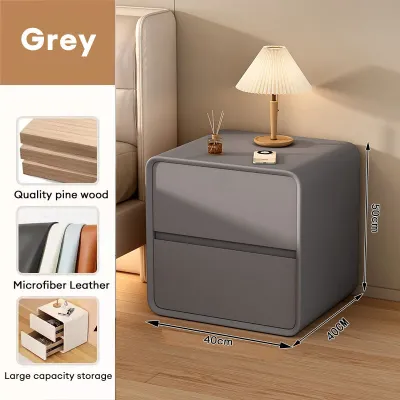
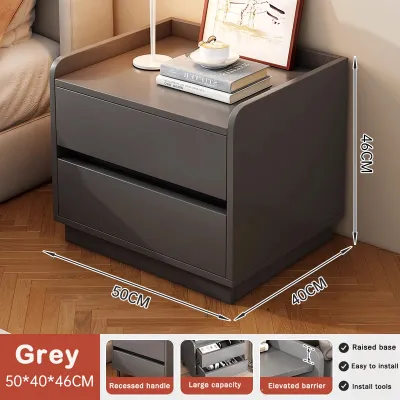
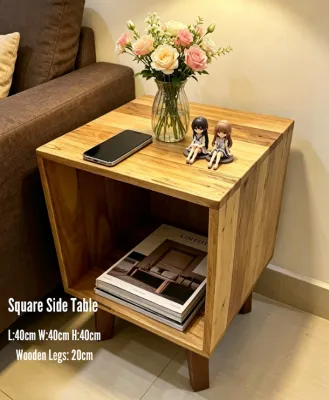
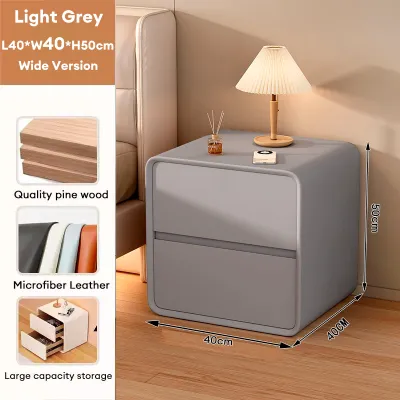
Prices are valid at publication and may change. Please refer to the product page for the latest price.
Finally, locate the nearest wall outlet in your bedroom. Because this furniture piece features built-in charging, its integrated power cable must reach the wall socket safely. Measure this distance and compare it to the manufacturer’s specifications for the table’s power cord. Avoid configurations that require stretching the cable tightly across the floor or using daisy-chained extension cords, which can create tripping hazards and electrical risks. Ensuring a direct, relaxed connection to the outlet keeps your bedroom safe and visually clean.
Evaluate Built-In Charging Capabilities
Integrated charging features bring modern convenience to classic wood furniture, but they require careful evaluation to ensure they are safe and compatible with your devices. Start by checking the product label or technical specifications for the types of ports provided. Look for a combination of USB-A and USB-C ports, as well as standard electrical outlets, to accommodate both legacy devices and modern fast-charging smartphones or tablets. Pay close attention to the power output ratings, typically measured in watts (W) or amperes (A); low-power ports may charge your devices slowly, while higher-wattage ports can efficiently power up laptops or fast-charge compatible phones.

Safety is paramount when combining electrical components with solid wood. Look for recognized safety certifications on the manufacturer’s product sheet, indicating that the electrical module has undergone rigorous testing for overcurrent, short circuits, and overheating. In tropical climates like the Philippines, where ambient temperatures and humidity levels can run high, heat dissipation is a critical factor. Ensure the charging module is designed with adequate ventilation or heat-sinking properties so that it does not transfer excessive heat to the surrounding wood, which could damage the finish or pose a safety hazard.
Cable management is another essential feature that separates a well-designed smart nightstand from a basic table with a power strip thrown in. Inspect how the unit handles cords. High-quality designs feature rear cutouts, dedicated channels, or recessed power bays that allow you to route device cables neatly. This keeps your tabletop free of tangled wires and prevents cords from slipping behind the table. Some advanced models also include built-in wireless charging pads seamlessly integrated into the wooden top, though you should verify if your phone case is compatible with wireless transmission through the wood or glass surface.
Compare Storage Configurations for Daily Needs
Your bedside storage needs are highly personal, and the right configuration depends entirely on what you like to keep within arm’s reach. Begin by assessing the balance between enclosed drawers and open shelving. Drawers are ideal for keeping personal items, medication, and loose accessories dust-free and out of sight, contributing to a calmer, more organized bedroom environment. Open shelves, on the other hand, offer immediate access to items you grab frequently, such as books, reading glasses, or a tablet.
When evaluating drawers, pay close attention to their depth and the quality of the glide mechanisms. Deep drawers are excellent for bulkier items, while shallow drawers prevent smaller objects from getting lost at the bottom. In humid environments, wood-on-wood drawer glides can swell and stick, making them difficult to open and close smoothly. Look for high-quality metal drawer runners or soft-close glides that ensure consistent, smooth operation regardless of seasonal humidity changes. These mechanisms also prevent the drawer from being pulled completely out of the frame accidentally.
A balanced visual profile is just as important as functional storage. A solid block of drawers can look heavy and imposing in a small bedroom, whereas a table with only open shelves might expose too much clutter. Consider a hybrid design that features a single top drawer for private items and a spacious open lower shelf. This layout maintains an airy, light aesthetic while still providing enough hidden storage to keep your sleeping area looking tidy and serene.
Inspect Solid Wood Construction and Finish
The durability and beauty of your bedside table depend heavily on the quality of its timber and construction. When reviewing product descriptions, distinguish between genuine solid wood and engineered alternatives like MDF or particleboard covered with a thin wood veneer. Solid wood offers superior longevity, structural integrity, and the ability to be refinised if damaged. Look for specific hardwood or high-quality softwood species listed in the specifications, and avoid vague terms like “wood finish” or “wood-like,” which often indicate synthetic materials.
Examine the joinery methods used to assemble the table, as this directly affects its stability and lifespan. High-quality furniture relies on traditional woodworking joints such as dovetail joints for drawer boxes and mortise-and-tenon joints for the main frame. These methods distribute weight and stress evenly, preventing the joints from loosening over time. Avoid pieces held together solely by staples, glue, or cheap plastic brackets, as these are prone to failing under the weight of heavy books or when the table is moved.
The surface finish is your table’s primary defense against daily wear, spills, and environmental factors. In tropical regions, high humidity can cause unfinished or poorly sealed wood to warp, crack, or develop mold. Check the manufacturer’s care instructions to identify the type of finish applied, such as polyurethane, lacquer, or natural oils. A water-resistant polyurethane or lacquer finish is highly recommended for bedside tables, as it protects the wood from condensation rings left by cold drinks and makes the surface easy to wipe clean with a damp cloth.
Final Selection and Safety Verification
Before finalizing your purchase, you must perform a few safety and stability checks to ensure the bedside table is fit for your home. Verify the unit’s weight distribution and overall stability. A top-heavy table, or one with a narrow base, can easily tip over when multiple drawers are fully extended and loaded with items. Look for designs with a sturdy, wide base or those that include wall-anchoring hardware, which is especially important if you plan to place heavy items on top or have a plush carpet that affects level placement.
Double-check that all integrated electrical components comply with local safety standards and feature accessible, clearly marked power switches. It is highly beneficial if the table has an easily reachable master switch that allows you to cut power to the charging ports when they are not in use, saving energy and reducing electrical risks while you sleep. Additionally, review the retailer’s return policy and warranty terms carefully. Ensure the warranty covers both the structural integrity of the wooden frame and the functionality of the electronic charging modules, as these two components often have different coverage periods.
Frequently Asked Questions (FAQ)
Can I replace the built-in charging module if it stops working?
Yes, many modern smart bedside tables are designed with modular electronic components that can be unscrewed and replaced without damaging the wooden structure. Always consult the manufacturer’s guidelines or user manual before attempting any modifications. If the unit is still under warranty, contact the retailer for an official replacement part to avoid voiding your coverage. For out-of-warranty repairs or complex wiring issues, it is safest to consult a qualified electrician to ensure the replacement module is installed safely and complies with local electrical codes.
How do I protect the solid wood surface from heat and moisture?
To preserve the natural beauty of the wood, always use coasters or protective mats under cold drinks to prevent condensation from penetrating the finish and leaving white rings. Avoid placing warm charging bricks or hot mugs directly onto the wooden surface, as localized heat can cause the finish to cloud, blister, or crack. Clean the surface regularly using a soft, dry microfiber cloth, and follow the specific care instructions provided by the manufacturer regarding approved wood cleaners and polish. Avoid harsh chemical solvents or abrasive pads that can strip away the protective sealant.
Community discussion
Share your experience or ask a question. Comments are reviewed before publication.