
Choosing a reclining bed for elderly family members requires a careful balance between therapeutic comfort and the physical limits of a small room. In many Philippine households, particularly urban condominiums or multi-generational homes, bedrooms are compact, often measuring under ten square meters. Introducing a heavy, motorized bed into these tight layouts can easily restrict movement and turn a safe space into an obstacle course.
Standard adjustable beds can overwhelm a small bedroom because their mechanical parts require extra space to operate. When the head or foot elevates, the frame often shifts, demanding more clearance than a static bed. If you do not account for this dynamic movement, the bed can block essential walking paths. This is critical for elderly individuals who rely on mobility aids like canes or walkers, which require wide, unobstructed turning radiuses.
To maintain safety, prioritize the balance between the bed’s physical footprint and the clear space surrounding it. A minimum of 80 centimeters of clear walkway should remain on at least one side of the bed, allowing both the user and a caregiver to navigate comfortably. If the room is too cramped, the user may struggle to get out of bed safely, increasing the risk of slips or trips.
Products mentioned in this guide
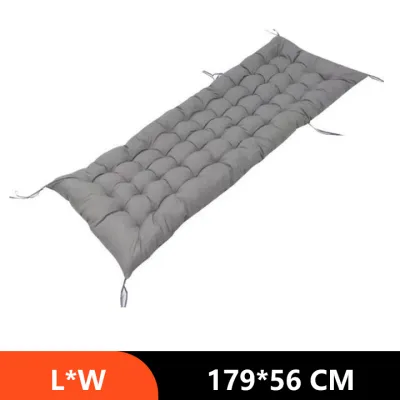
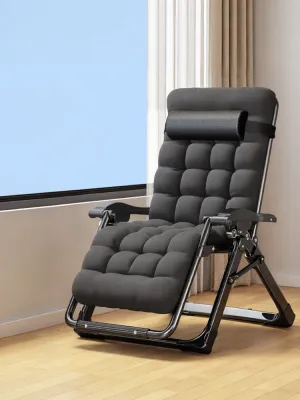
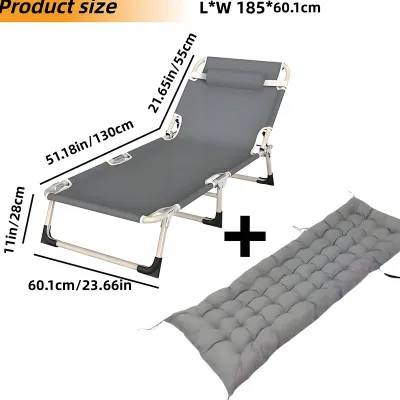
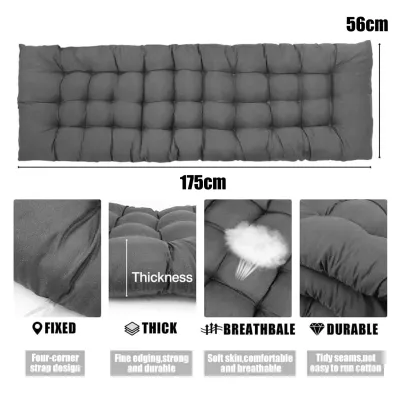
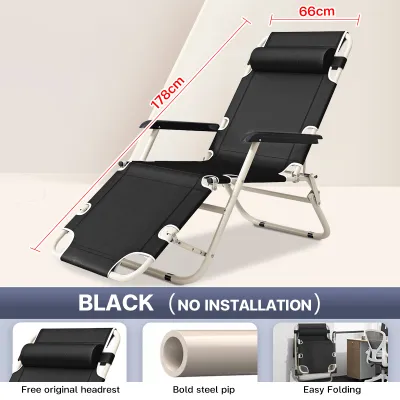
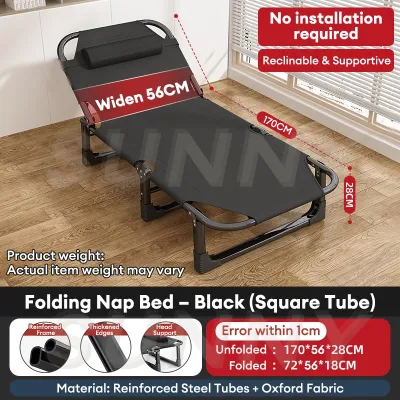
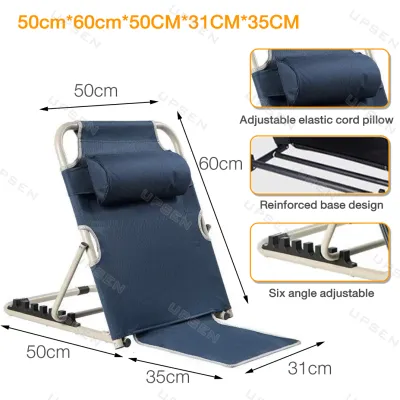

Prices are valid at publication and may change. Please refer to the product page for the latest price.
Before choosing a bed size, evaluate the overall layout of the bedroom. Note door swings, wardrobe openings, window placements, and built-in furniture. A swinging closet door or an en-suite bathroom door can easily collide with an improperly positioned reclining bed. Mapping these features beforehand prevents layout conflicts and ensures the room remains functional.
Space-Saving Reclining Bed Designs to Look For
When space is limited, the mechanical design of the bed frame determines how well it integrates into the room. Traditional adjustable beds pivot backward, requiring a significant gap between the headboard and the wall. For small bedrooms, look for specific space-saving innovations that minimize this footprint while delivering full therapeutic benefits.
Wall-Hugger / Zero-Wall-Clearance Designs Wall-hugger or zero-wall-clearance designs are highly recommended for tight spaces. Unlike standard frames that simply tilt upward, a wall-hugger base slides the entire mattress platform forward on a track as the head elevates. This forward-sliding motion keeps the user’s head in the same position next to the bedside table and prevents the headboard from hitting the wall. Consequently, you can position the bed frame almost flush against the wall, saving valuable floor space at the foot of the bed.
Platform-Style vs. Freestanding Bases The structural style of the bed frame also impacts visual and physical clutter. Platform-style adjustable bases are designed with a slim profile that can sit directly on an existing platform or stand alone without a bulky decorative surround. Freestanding bases often feature thick upholstered borders or heavy wooden frames that add unnecessary width and length. Opting for a minimalist, platform-style base keeps the bed’s footprint as close to the actual mattress size as possible.
Under-Bed Storage Clearance Storage is always a premium in small rooms, making under-bed clearance an important consideration. Some motorized bases are designed with modular, adjustable legs that allow you to raise the frame to create open storage space underneath. This is ideal for storing low-profile plastic bins containing linens or medical supplies. Conversely, some heavy-duty bases completely block the space underneath to house their motor assemblies, eliminating a valuable storage opportunity.
Always verify the manufacturer’s specified wall clearance on the product label or technical specification sheet before purchasing. Never assume that a bed labeled “compact” is automatically a wall-hugger. Reviewing the exact mechanical clearance requirements ensures the frame will function perfectly within your planned layout without scraping walls or blocking paths.
Step-by-Step Guide to Measuring Your Room and Clearance
To avoid costly return fees and delivery headaches, you must execute a precise measurement plan. Because a reclining bed is significantly heavier and more complex than a standard wooden frame, measuring must go beyond simple floor space.

Step 1: Measure Usable Floor Space Begin by measuring the exact length and width of the usable floor space using a steel tape measure. Do not rely on original condominium floor plans, as finished dimensions often vary due to plastering and baseboards. Note the location of protruding elements such as baseboard heaters, wall-mounted air conditioning units, window sills, and light switches. Ensure your measurements account for these obstructions.
Step 2: Verify Delivery and Access Routes A common oversight is purchasing a bed that fits the bedroom but cannot reach it. Motorized reclining bases are heavy, rigid steel structures that cannot be bent or disassembled easily. Measure the height and width of all entry points, including the main condominium entrance, elevator doors, interior cabin dimensions, stairwell turns, and the bedroom doorway. If you live in a high-rise building, check with building management regarding elevator weight limits to guarantee safe transport.
Step 3: Calculate Operational Clearance Unlike static furniture, an adjustable bed occupies different amounts of space depending on its position. Measure the bed’s total length when completely flat, and then calculate its dynamic footprint when fully reclined. Ensure that when the footrest is fully elevated, there is still enough room to walk past the end of the bed. You must also verify that the elevated headrest does not block low-hanging wall decorations or window curtains.
Step 4: Plan Utility Access and Cable Management Motorized beds require a stable power source. Locate the nearest electrical outlet and plan the routing of the power cord to avoid creating a tripping hazard. In a small room, cords running across walkways are highly dangerous. Position the bed close to the outlet so the cord can run safely along the baseboard, and use cord covers to secure it. Avoid using extension cords or placing cords under heavy rugs, as this can lead to electrical wear.
Safety and Comfort Features of a Reclining Bed for Elderly Users
When selecting a reclining bed, safety and accessibility must take precedence over aesthetic trends. The physical limitations associated with aging require specific features that support independent movement and minimize the risk of injury within a confined bedroom layout.
Bed Height and Safe Transfers The overall height of the bed—measured from the floor to the top of the mattress—is the most critical factor for safe transfers. For most elderly individuals, a safe height allows them to sit on the edge of the mattress with both feet resting flat on the floor, keeping their knees at a 90-degree angle. This position provides maximum leverage for standing up. Look for adjustable bases with legs that can be set to different heights to customize this level perfectly.
Accessible Control Interfaces The control interface must be easy to operate, especially for users with arthritis or visual impairments. Look for remotes with large, high-contrast, back-lit buttons that are easy to read. Wired remotes are often preferable in small bedrooms because they remain attached to the frame, preventing them from falling into tight gaps or getting lost. If the bed features wireless controls, ensure there is a dedicated pocket or holder mounted on the bedside table or safety rail.
Built-In Safety Mechanisms Safety sensors are crucial when a reclining bed is positioned close to walls or other furniture. High-quality adjustable bases feature anti-entrapment technology, which automatically stops the motor if it detects resistance while lowering. This prevents fingers, bedding, or nearby objects from getting pinched. Additionally, look for a battery backup system that allows the bed to be lowered to a flat position during a power outage, which is a practical feature during stormy weather.
Stable Edge Support The mattress paired with the adjustable base must offer excellent edge support. Many all-foam mattresses tend to compress significantly when you sit on the edge, which can cause an elderly user to slide forward unexpectedly. Look for mattresses that feature reinforced foam borders or pocketed coils with extra-firm edge support. This structural reinforcement ensures the edge remains stable, giving the user a firm platform to sit on when transitioning.
Common Sizing and Placement Mistakes to Avoid
Even with careful planning, several common mistakes can compromise the safety and functionality of a small bedroom. Avoiding these pitfalls will save you from the hassle of returning heavy furniture and ensure a comfortable living space.
One frequent error is failing to account for the thickness of headboards, baseboards, or decorative wall trim. When calculating whether a bed will fit, buyers often use the exact mattress dimensions. However, a thick upholstered headboard can add 10 to 15 centimeters to the bed’s overall length, which might be just enough to block a doorway or prevent a wardrobe drawer from opening. Always measure the total finished dimensions of the entire assembly.
Another mistake is underestimating the weight of the motorized base. A typical reclining bed base can weigh between 60 and 100 kilograms due to the steel frame and dual motors. In a small bedroom, this makes it incredibly difficult to shift the bed for routine cleaning or changing bed linens. If you anticipate needing to move the bed regularly, look for models equipped with lockable casters, or ensure you have assistance available to prevent strain.
Placing the bed over thick, plush area rugs can also cause mechanical issues. The sliding tracks of wall-hugger bases and the leveling legs of adjustable frames require a firm, level surface to operate smoothly. A thick rug can bunch up under the frame, putting extra strain on the motor. To ensure long-term durability, place the bed directly on hard flooring, such as tile, vinyl, or hardwood, or use a very thin, low-pile carpet.
Finally, avoid placing the bed in a position that blocks natural ventilation or access to windows. In tropical climates, maintaining good airflow is essential for controlling humidity and preventing mold growth on mattresses and wooden frames. Blocking a window with a high-rising headrest not only darkens the room but also restricts fresh air circulation, which can negatively impact indoor air quality and the longevity of your bedroom furniture.
Frequently Asked Questions (FAQ)
Can a reclining bed fit in a room with a low ceiling or hanging light fixture?
Yes, a reclining bed can fit in rooms with low ceilings, but you must carefully measure the vertical clearance of the bed at its maximum elevation. When the head portion of an adjustable base is fully raised, it stands significantly higher than a standard bed. Before installation, measure the distance from the floor to any low-hanging ceiling fans, light fixtures, or decorative beams to ensure the mattress and the occupant will not collide with them when the bed is fully elevated.
Do I need a special mattress for a space-saving reclining bed?
Yes, you must use a mattress specifically designed to flex and bend with the movement of an adjustable base. Standard innerspring mattresses with rigid border wires are not suitable because they cannot bend without damaging the coils and voiding the warranty. Instead, opt for highly flexible materials such as memory foam, natural latex, or specially designed pocket-spring hybrid mattresses. Always consult both the mattress and bed base manufacturer instructions to verify compatibility regarding thickness, weight limits, and flexibility.
Community discussion
Share your experience or ask a question. Comments are reviewed before publication.