
Choosing a stand for duyan only requires balancing the physical footprint of your outdoor space with the dynamic movement of the swing. To find the perfect fit, you must measure both the static dimensions of the stand and its active swing radius, verify the manufacturer’s weight capacity, and select materials that can withstand the high humidity and heavy rains of the local climate. Whether you are setting up a cozy corner on a high-rise condo balcony or creating a relaxing retreat in a spacious suburban garden, selecting the right frame ensures safety, comfort, and longevity.
How to Measure Your Space for a Duyan Stand
Before browsing online marketplaces or visiting local furniture showrooms, you must accurately assess the physical limits of your intended setup area. Many homeowners make the mistake of measuring only the flat ground where the stand’s feet will rest. However, a duyan in motion requires a significantly larger operational zone than its static base footprint.
To begin, map out the static base footprint of the stand you are considering. This is the exact length and width of the metal or wooden frame where it contacts the floor. Use a tape measure to mark these dimensions on your balcony tiles or garden grass. Next, calculate the dynamic swing radius. When you lie in a duyan and gently sway, the fabric and your body move outward and upward. Allow for at least 50 to 60 centimeters of clear clearance zone on all sides of the swing path to prevent the fabric, your elbows, or your feet from colliding with concrete walls, metal balcony railings, or nearby outdoor furniture.
Products mentioned in this guide
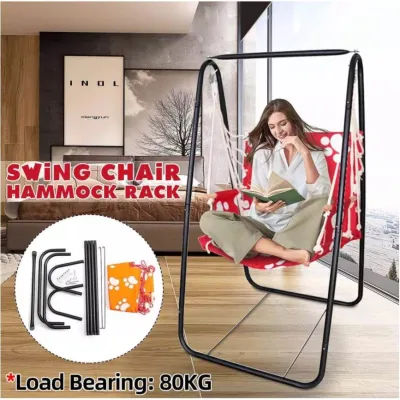
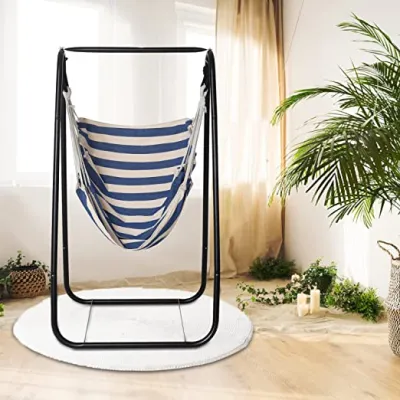

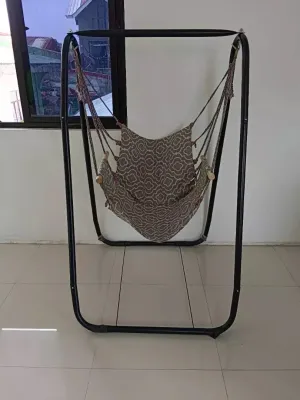



Prices are valid at publication and may change. Please refer to the product page for the latest price.
Vertical clearance is equally critical. Measure the height from the floor to any overhead obstructions, such as balcony ceilings, low-hanging light fixtures, or tree branches. A duyan stand must be tall enough to keep the lowest point of the hammock seat at least 30 to 45 centimeters off the ground when fully occupied. Additionally, do not overlook the journey the stand must take to reach its final destination. Measure the width of your front door, the clearance of narrow hallway turns, and the interior dimensions of your condominium’s elevator to ensure a smooth delivery and assembly process.
Finally, examine the floor surface for levelness and drainage. Outdoor balconies in the Philippines are intentionally designed with a slight slope to direct rainwater toward drainage grates. While this prevents pooling, a significant slope can compromise the stability of a rigid metal stand, causing it to wobble or slide. In gardens, soft soil or uneven lawns can cause one side of the stand to sink, creating an uneven center of gravity that increases the risk of tipping.
Matching Stand Dimensions to Your Balcony or Garden
The ideal dimensions and structural design of your duyan stand depend heavily on whether it will live on a compact condo balcony or in an open garden. Each environment presents unique spatial constraints and environmental exposures that dictate the best frame style.

Compact Condo Balconies
In high-rise residential developments where outdoor space is at a premium, maximizing every square meter is essential. Large, sprawling frames can quickly overwhelm a small balcony, turning a relaxing escape into a cramped obstacle course. For these tight spaces, look for low-profile frames or specialized space-saving stands designed with a narrower, more vertical footprint.
Foldable duyan stands are highly practical for condo living. These models feature hinged joints or quick-release pins that allow you to collapse the frame and lean it against a wall when not in use. When selecting a foldable model, always verify the stability of the frame in its locked position, ensuring the locking pins fit snugly without any play or wobbling.
Positioning is key to maintaining safety and functionality on a balcony. Always place the stand in a way that keeps emergency exits, utility closets, and daily walking paths completely clear. Avoid blocking sliding glass doors or placing the stand too close to the outer balcony railing. A safe layout utilizes corner spaces or aligns the length of the stand parallel to the solid apartment wall, keeping the open side of the balcony free for movement.
Spacious Gardens and Yards
If you are furnishing a spacious backyard, lawn, or open patio, you have much more freedom regarding the stand’s physical size. In these open environments, a wider, heavier base is highly advantageous. A broad footprint provides superior stability, allowing the stand to resist strong winds and accommodate more vigorous swinging without shifting or tipping.
When integrating a duyan stand into your garden layout, consider the natural elements and daily usage patterns. Position the stand to take advantage of natural shade patterns from large trees or house structures, keeping in mind how the sun shifts throughout the day. Avoid placing the frame directly under tree canopies that drop heavy sap, fruits, or leaves, as these can stain the duyan fabric and accelerate the wear of the frame’s finish. Keep the stand a safe distance away from high-traffic play areas, swimming pools, or garden pathways to prevent accidental collisions.
For long-term or semi-permanent placement on lawns, you may want to anchor the stand to the ground for maximum security. Before driving heavy metal anchors or stakes into the soil, always check for underground utilities, water pipes, or automatic sprinkler system lines. If you prefer not to anchor the frame, placing concrete pavers under the stand’s feet will prevent the heavy metal tubes from sinking into wet, soft grass during the rainy season.
Evaluating Weight Capacity and Base Stability
Ensuring your duyan stand has adequate weight capacity and structural stability is the most critical safety consideration. A structural failure can result in painful falls and serious injuries, making it vital to understand how weight limits are calculated and verified.
To determine the total weight capacity your stand must support, do not simply use the weight of the primary user. You must calculate the combined weight of all potential users who might share the space, such as parents cuddling with children. Add the weight of the duyan fabric, spreader bars, chains, and hanging hardware. Finally, add a safety margin of at least 20 to 30 percent to account for dynamic forces.
Dynamic force is the additional weight exerted on the frame when you sit down, swing, or shift your position. A person who weighs 70 kilograms can exert a dynamic force equivalent to over 100 kilograms when swinging gently. Because of this, you must always verify the manufacturer’s officially stated weight limit on the product label or specification sheet. Never rely on visual estimates or assume a thick-looking metal frame is safe without official documentation.
The physical relationship between the stand’s height and its base width directly determines its resistance to tipping. A taller stand elevates the hanging point, which raises the center of gravity when someone is in the duyan. To offset this, a tall stand must have a proportionally wider and longer base. If you prefer a high hanging point for a traditional deep-sag duyan, ensure the base legs extend far enough outward to create a stable, low center of gravity.
Finally, carefully inspect the connection points where the duyan attaches to the stand. This includes the hooks, carabiners, S-hooks, and adjustment chains. These components should have visible wear ratings and be made of heavy-duty, rust-resistant metal. Ensure that any carabiners or hooks feature secure locking gates or deep curves that prevent the duyan loops from slipping out during active use.
Choosing Weather-Resistant Materials for Tropical Climates
The tropical climate of the Philippines—characterized by intense heat, high humidity, salty coastal air, and torrential monsoon rains—is incredibly harsh on outdoor furniture. Selecting a duyan stand made from materials designed to withstand these specific conditions is essential to prevent premature rust, rot, and structural failure.
When evaluating metal frames, look for explicit specifications regarding the protective finish rather than generic marketing claims of durability. Powder-coated steel and galvanized steel are the gold standards for outdoor metal furniture. Powder coating involves applying a dry powder that is cured under heat to create a thick, protective barrier that resists chipping, scratching, and moisture penetration. Galvanized steel features a protective zinc coating that actively prevents rust, even if the outer surface is scratched.
If the stand incorporates any plastic feet, synthetic ropes, or fabric canopies, verify that these components are treated for UV resistance. The intense tropical sun can degrade untreated plastics and synthetic fibers within a single season, causing them to become brittle, fade, and eventually crack under weight. Look for UV-stabilized materials that retain their strength and color under direct sunlight.
Even the highest-quality outdoor materials require regular maintenance to maximize their lifespan. Establish a simple routine of wiping down the metal frame with a soft, damp cloth after heavy rains to remove acidic deposits and dirt. Periodically inspect the frame for deep scratches or chips in the powder coating; touch up these areas immediately with a rust-inhibiting outdoor paint to prevent moisture from creeping under the finish. During severe weather events, such as typhoons, disassemble the stand or move it to a secure indoor storage area to protect it from extreme winds and flying debris.
Common Sizing and Placement Mistakes to Avoid
Avoiding common pitfalls during the selection and setup process will save you from the hassle of product returns, property damage, and potential safety hazards. By being mindful of these frequent errors, you can enjoy your outdoor retreat with complete peace of mind.
One of the most common mistakes is ignoring the swing clearance zone. Homeowners often measure the stand’s base and assume it will fit perfectly against a balcony railing or garden wall. Once the duyan is hung and occupied, however, the user’s body swings directly into these hard obstacles. This not only ruins the relaxing experience but can also cause painful injuries or damage your home’s exterior finishes.
Another hazard is placing the stand on uneven or unstable ground. Setting up a heavy metal frame on a sloped driveway, a soft garden lawn, or loose gravel without proper leveling can cause the stand to wobble. Over time, the uneven distribution of weight puts excessive stress on the frame’s joints, leading to structural bending or sudden tipping. Always ensure the feet rest on a flat, solid surface, using leveling pads or concrete pavers where necessary.
Exceeding the designated weight limit is a recipe for structural failure. It can be tempting to allow multiple children or adults to crowd into a single duyan, but doing so can quickly overload the frame beyond its dynamic safety margin. Always enforce the manufacturer’s weight limits and restrict usage to one person at a time unless the stand is explicitly rated for multiple occupants.
Finally, never attempt to modify or drill into the stand’s frame to adjust its height or hanging width. Drilling holes through the protective powder coating exposes the raw steel underneath to moisture, inviting rapid internal rust. Furthermore, altering the structural design compromises the engineering integrity of the frame, making it highly susceptible to bending or snapping under load, while instantly voiding the manufacturer’s warranty.
Frequently Asked Questions (FAQ)
Can I use a standard hammock stand for a duyan?
No, standard lay-flat hammock stands are generally not suitable for a traditional duyan. A duyan typically requires a much higher hanging point and a different center of gravity to accommodate its deep, curved sag and upright seating position. Using a standard hammock stand may cause the duyan to drag on the ground or tip over. Always check the manufacturer’s compatibility guidelines before pairing a stand with a duyan seat.
How do I protect my balcony tiles from the stand's feet?
To protect delicate outdoor flooring like ceramic tiles or wooden decking, check if the duyan stand includes rubber or silicone foot caps. If it does not, you can purchase heavy-duty outdoor rubber pads or silicone protectors to slip over the metal feet. For heavy stands placed on soft or uneven balcony tiles, placing flat concrete pavers or outdoor utility mats under the base legs will distribute the weight evenly and prevent scratching or cracking.
Community discussion
Share your experience or ask a question. Comments are reviewed before publication.