
Selecting a side table with integrated charging ports for a compact bedroom requires balancing physical footprint, storage capacity, and electrical safety. In a small room, every square centimeter of floor space is valuable, and choosing the wrong furniture can make your sleeping area feel cramped. This guide provides a practical framework to help you measure your space, evaluate storage configurations, and verify electrical specifications so you can find a functional bedside companion that fits your layout.
Before making a purchase, use this quick checklist to evaluate your options:
- Measure the gap: Ensure the width between your bed frame and the wall can comfortably accommodate the side table.
- Check the height: The tabletop should sit level with or slightly above your mattress for easy reach.
- Verify outlet access: Locate your nearest wall outlet and ensure the table's power cord can reach it safely.
- Assess port types: Identify your daily-use devices to determine if you need USB-A, USB-C, or standard AC outlets.
- Evaluate materials: In humid tropical climates, check for moisture-resistant finishes to prevent warping or rust.
Measuring Your Bedroom Space and Clearances
To prevent your bedroom from feeling overcrowded, calculate both the static footprint of the side table and the dynamic space required to use it daily. Measure the exact distance between your bed frame and the adjacent wall or wardrobe. In tight layouts, even a few millimeters of error can block closet doors or prevent the table from fitting.
Products mentioned in this guide
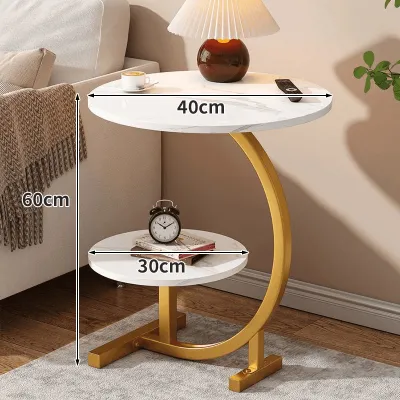
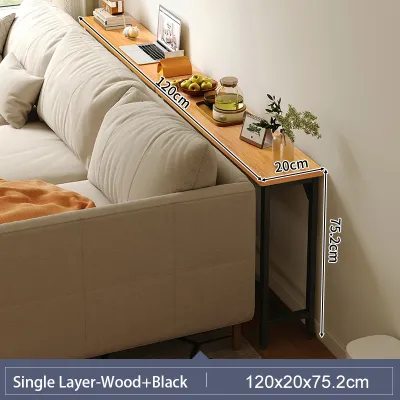
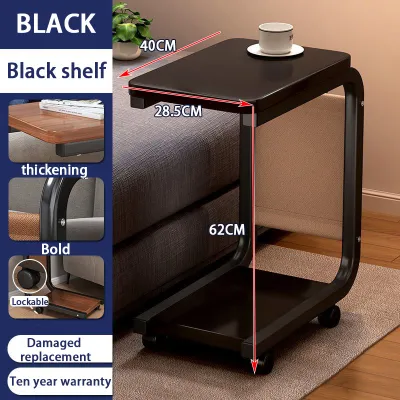
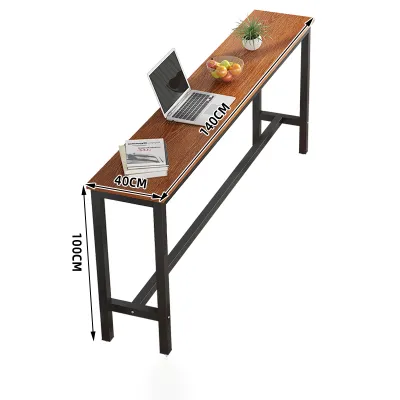
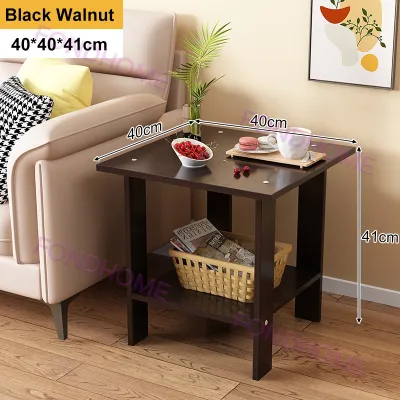
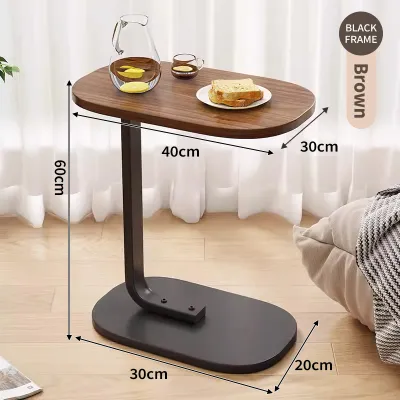
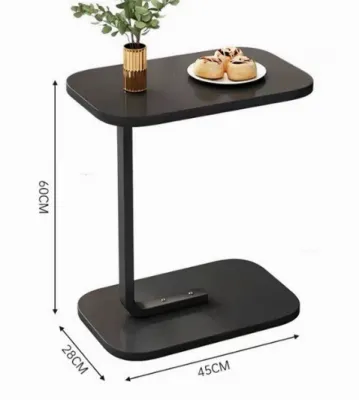

Prices are valid at publication and may change. Please refer to the product page for the latest price.
Look closely at the finished dimensions when browsing online marketplaces. Do not rely on product photos, which can distort scale. Consider the height: a table that is too tall feels visually overbearing, while one that is too low makes reaching for items uncomfortable.
Next, account for operational clearances. If the side table has drawers or cabinet doors, measure the pull-out depth or swing radius. You need enough space to stand or kneel in front of the table without your knees hitting the bed frame. If space is exceptionally tight, consider open shelving or sliding doors.
Finally, account for baseboard thickness, which can prevent the table from sitting flush against the wall. This creates a gap where items can fall and cables can get pinched. Ensure the placement leaves a clear walking path of at least 50 to 60 centimeters beside the bed for safe navigation in the dark.
Selecting the Right Storage Configuration
The internal configuration of a side table determines how much clutter it can hide and how heavy it looks. For small spaces, balancing visual weight with actual storage capacity is key to maintaining an open feel.

Open shelves minimize visual bulk, making the surrounding space feel larger. They are ideal for frequently used items like books or tablets. However, they offer no protection from dust—which accumulates quickly in humid tropical environments—and require constant neatness to avoid a cluttered look.
Closed drawers excel at concealing personal items and loose cables, keeping your bedroom looking tidy. When evaluating drawers, check their internal depth. Shallow drawers are highly efficient for small electronics and glasses, preventing them from getting lost in a deep pile.
Multi-tier designs combining a single drawer with an open shelf underneath offer a practical compromise. This hybrid layout hides clutter while keeping the lower half visually open. Ensure the lower shelf has enough clearance for taller items like water bottles.
Lastly, pay attention to handle profiles. In narrow walkways, protruding metal handles can snag clothing or bump your shins. Look for side tables with recessed handles, cut-out finger pulls, or push-to-open mechanisms to keep the outer surface completely flat.
Evaluating Charging Ports and Electrical Safety
A side table with built-in charging ports adds convenience, but safety must be your top priority. You must verify that the integrated power strip meets your device requirements and complies with basic electrical safety standards.
Identify the types of ports on the charging panel. Many budget-friendly side tables only feature standard USB-A ports with low power output (such as 5W). Modern smartphones and tablets benefit from fast-charging USB-C ports with higher wattage ratings. Check the manufacturer’s specifications to confirm the exact power output of each port, and ensure the table includes at least one standard AC outlet if you plan to plug in a laptop.
Next, plan the physical connection to your wall. Measure the distance from the side table to the nearest wall outlet. The table’s power cord should reach the outlet comfortably without being stretched tight. Avoid using extension cords or multi-plug adapters, as daisy-chaining connections increases the risk of short circuits, especially in humid climates. Look for a flat, angled plug head that fits easily behind furniture.
Electrical safety features are non-negotiable. Look for specifications that explicitly mention built-in surge protection or overload prevention to safeguard your electronics from voltage spikes. Additionally, choose a side table with built-in cable grommets or routing clips to keep cords organized and away from bed linens.
Verifying Build Quality and Stability
A bedside table in a high-traffic area must be stable and durable. Because you will place liquids near active electrical ports, verifying build quality is essential.
In tropical climates with high humidity, material selection is critical. If the side table is made of engineered wood (like MDF or particleboard), verify that it has a moisture-resistant laminate or veneer finish. Unprotected engineered wood can absorb moisture, causing it to swell, warp, or mold. For metal frames, ensure they have a rust-resistant powder coating.
Examine the joint construction and hardware quality. Sturdy side tables utilize dowels or metal screws rather than simple glue and staples. Check the manufacturer’s specifications for the maximum weight capacity of both the top surface and individual drawers to avoid overloading the structure.
Stability is critical for preventing tip-over accidents, especially with narrow or top-heavy designs. Look for models with a wide, solid base or sturdy, splayed legs. If you have young children or pets, choose units that include wall-anchoring hardware to secure the table directly to the wall.
Frequently Asked Questions (FAQ)
Can I place a charging nightstand directly against a wall outlet?
No, avoid pushing the side table completely flush against a wall outlet. Doing so can bend the power cord sharply, damaging the internal wires over time and creating a fire hazard. Additionally, built-in power strips and adapters generate heat during use. Restricting airflow around the outlet can lead to heat buildup. Leave a clearance of at least 5 to 10 centimeters, or use a flat-profile plug to minimize the gap safely.
What if my bedroom floor is uneven?
An uneven floor can cause a narrow side table to wobble, which is dangerous when holding electronics and liquids. To resolve this, check the product specifications for adjustable leveling feet, which allow you to screw individual legs in or out to balance the table. Alternatively, place non-slip rubber or felt pads under the legs. These pads stabilize the furniture, improve grip on tiled or wooden floors, and protect your flooring from scratches.
Community discussion
Share your experience or ask a question. Comments are reviewed before publication.