
Finding the right teddy sofa bed for a Japandi living room requires balancing cozy, tactile warmth with clean, minimalist structure. Japandi design—a fusion of Japanese minimalism and Scandinavian warmth—relies on simplicity, natural elements, and functional beauty. While teddy fabric is inherently plush and textured, it can seamlessly integrate into a Japandi space if you select a piece with a restrained silhouette, neutral color palette, and hidden functional elements. The goal is to let the rich texture of the fabric serve as the primary visual interest, replacing the need for ornate decorations or complex patterns.
When shopping for this dual-purpose furniture piece, you must look beyond the surface texture. A successful choice combines the soft, inviting feel of teddy upholstery with the clean lines, low profiles, and organic materials that define Japandi interiors. This guide outlines the essential design features, spatial considerations, maintenance practices, and purchasing checks to help you find a teddy sofa bed that elevates your living space while providing a comfortable, functional sleeping solution for guests.
Understanding the Japandi and Teddy Fabric Balance
The core of Japandi style lies in the delicate tension between Scandinavian coziness and Japanese minimalism, which finds beauty in simplicity and natural textures. Teddy fabric, with its looped fibers and soft, cloud-like texture, naturally aligns with the cozy aspect of this design philosophy. However, because the fabric is visually dense and highly tactile, it can easily overwhelm a minimalist room if the furniture piece itself is too bulky or ornate. To maintain balance, the texture must act as a substitute for visual clutter, allowing you to keep the surrounding decor exceptionally simple.
Products mentioned in this guide
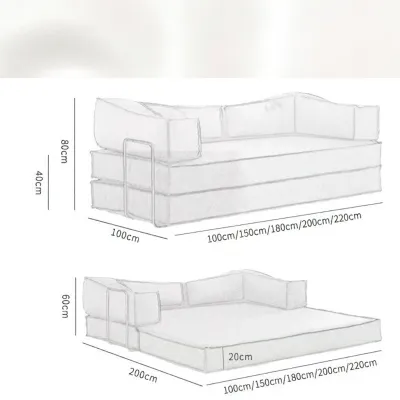





Prices are valid at publication and may change. Please refer to the product page for the latest price.
To achieve this harmony, look for design anchors that ground the plushness of the fabric. A low-profile silhouette is essential; keeping the sofa bed close to the floor maintains a sense of groundedness and open vertical space, which is a hallmark of Japanese interiors. Additionally, the sleeper mechanism must be completely integrated and hidden from view when the sofa is in its upright position. Visible metal bars, levers, or complex folding joints disrupt the clean visual lines that define the style.
Color choice is the final bridge between the texture of teddy fabric and the simplicity of Japandi design. Opt for soft, earthy neutrals that mimic natural elements. Oatmeal, warm beige, cream, and soft grey are ideal choices. These tones soften the visual impact of the textured fabric, allowing the sofa bed to blend harmoniously with light wood tones, stone accents, and indoor plants. Avoid stark whites, which can feel too clinical, or dark, heavy colors that clash with the airy, light-filled aesthetic of a classic Japandi home.
Key Design Features to Look For
When evaluating different teddy sofa bed designs, pay close attention to the structural details. The frame and legs play a critical role in defining the piece’s overall aesthetic. Look for models that feature exposed wooden legs or a solid wood base trim. Light-toned woods such as ash, beech, white oak, or rubberwood are excellent choices that reinforce the organic connection central to Japandi style. Alternatively, a fully upholstered, concealed base that sits directly on the floor can create a clean, monolithic look, provided the overall height remains low. Avoid heavy, dark metal legs, shiny chrome finishes, or ornate wooden carvings, as these elements introduce conflicting design languages.

The tailoring of the upholstery is another crucial factor. Traditional sofas often feature deep button tufting, rolled arms, or thick piping, which add visual weight and complexity. For a Japandi living room, prioritize clean lines and flat, subtle seams. Look for track arms, gently curved block arms, or even armless designs that emphasize simplicity. If the sofa bed features cushioning, opt for firm, structured cushions that retain their shape rather than overly plush, slouchy pillows that can make the room look untidy.
Finally, inspect the visibility and design of the conversion mechanism. Whether the sofa bed utilizes a click-clack system, a pull-out drawer, or a fold-out frame, the hardware should be completely concealed when the unit is closed. The transition from sofa to bed should be seamless, leaving no exposed metal tracks or mechanical hinges that detract from the clean, unadorned exterior. A well-designed piece hides its dual functionality entirely, presenting itself as a refined, minimalist sofa during the day.
Evaluating Space and Proportions
A teddy sofa bed is a significant investment in both function and style, making precise spatial planning essential. Because teddy fabric has a visual thickness that can make furniture appear larger than it is, you must carefully measure your living room to ensure the piece does not crowd the space. Start by measuring the exact footprint of the sofa in its daily, closed position. Ensure there is ample clearance around the piece to allow for comfortable foot traffic and to maintain the open, airy feel characteristic of Japandi layouts.
Next, measure the fully extended footprint of the bed. You must account for the clearance required to walk around the bed when it is open, especially if it extends into high-traffic pathways or close to other furniture like coffee tables, sideboards, or media consoles. If your living room is compact or has limited natural light, prioritize low-profile designs with slimmer armrests. This reduces the visual bulk of the plush fabric and prevents the room from feeling cramped or dark.
Do not overlook the logistics of delivery and assembly. Before finalizing your purchase, measure the width and height of all entryways, hallways, stairwells, and lift doors through which the sofa bed must pass. Because sleeper sofas contain internal metal mechanisms, they are often significantly heavier and less flexible than standard sofas, making tight corners and narrow doorways particularly challenging. Confirm whether the sofa bed is delivered fully assembled or if it arrives in flat-pack sections that can be assembled directly in your living room, which is often a practical option for high-rise apartments or homes with narrow access points.
Care and Maintenance for Light Neutral Fabrics
Maintaining the pristine appearance of a light-colored teddy sofa bed requires consistent, gentle care, particularly when the piece serves as both a daily seat and an occasional bed. Because teddy fabric features a looped, textured pile, it can easily trap dust, lint, and pet hair. Before applying any cleaning products or techniques, always locate and review the manufacturer’s care label. This label will indicate specific cleaning codes—such as “W” for water-based cleaners, “S” for solvents, or “WS” for both—which must be strictly followed to avoid damaging the fibers or backing material.
For routine upkeep, vacuum the upholstery regularly using a soft brush attachment. This prevents dust and debris from settling deep into the looped fibers, which can cause the fabric to look dull or discolored over time. If a spill occurs, blot the area immediately with a clean, dry, white microfiber cloth to absorb as much liquid as possible. Avoid rubbing or scrubbing the fabric, as this can distort the loops and push the stain deeper into the fibers.
When dealing with stubborn stains or unknown fabric blends, avoid the temptation to use harsh chemical spot treatments or DIY mixtures, which can cause permanent discoloration or weaken the fabric backing. Instead, consult a professional upholstery cleaning service. Professional cleaners have the specialized equipment and expertise to treat delicate, textured fabrics safely, ensuring your sofa bed retains its soft texture and clean, neutral appearance for years to come.
Building Your Shortlist: What to Verify Before Buying
Before committing to a specific teddy sofa bed from an online marketplace or a local showroom, compile a checklist of practical verifications. First, always request a fabric swatch if available. The appearance of light neutral colors like beige, cream, and oatmeal can change dramatically depending on the lighting in your home. View the swatch in your living room under natural daylight, warm evening artificial light, and cool overhead lighting to ensure the undertone complements your existing flooring, wall paint, and wooden furniture.
Second, verify the details of the mattress and the internal support structure. While the exterior design must align with your Japandi aesthetic, the interior must provide adequate comfort for sleeping. Inquire about the mattress type—such as high-density foam or pocket springs—and its thickness. Ensure that the mattress provides sufficient support without requiring a frame that is too tall or bulky, which would compromise the low-profile silhouette of the sofa.
Finally, carefully review the retailer’s policies and service terms. Confirm the warranty coverage, paying close attention to whether it covers both the frame and the mechanical folding parts. Understand the assembly requirements; if the unit is complex, consider opting for professional assembly services to ensure the mechanism is installed correctly and operates smoothly. Lastly, check the return policy, including any delivery fees or return shipping costs in ₱, so you can make your purchase with complete peace of mind.
Frequently Asked Questions (FAQ)
Can teddy fabric work in a humid climate?
Yes, teddy fabric can be used in humid environments, but it requires careful selection and proactive maintenance. Before purchasing, check the manufacturer’s specifications to see if the fabric has been treated for moisture resistance or if it is blended with synthetic fibers like polyester, which tend to handle humidity better than natural fiber blends. To prevent moisture buildup and musty odors in the plush, looped texture, ensure your living room is well-ventilated. Using air conditioning, ceiling fans, or dehumidifiers during high-humidity seasons helps keep the indoor air dry. Additionally, perform regular dusting and vacuuming to keep the fibers clean, and consult the seller regarding specific fabric warranties and care limitations in tropical climates.
How do I style the rest of the room around a textured sofa bed?
To maintain a balanced Japandi aesthetic, let the textured teddy sofa bed serve as the primary focal point of the room. Keep surrounding textiles, such as area rugs, window curtains, and throw blankets, smooth and understated. Opt for flat-weave rugs, linen drapes, and simple cotton cushions to create a pleasing contrast with the plush sofa fabric. Ground the soft upholstery by pairing it with furniture made from natural, solid materials, such as a light oak coffee table, stone side tables, or matte ceramic decor. Finally, preserve the minimalist feel of the space by maintaining plenty of negative space around the sleeping area, ensuring the room remains clutter-free and peaceful when the sofa is extended into a bed.
Community discussion
Share your experience or ask a question. Comments are reviewed before publication.