
Creating a personal oasis at home often starts with finding the perfect spot to unwind. In the Philippines, where tropical warmth is matched only by the persistent presence of local insects, choosing a duyan for adult makapal may kulambo—a thick adult hammock equipped with a built-in mosquito net—is the ultimate way to enjoy your balcony or garden without the nuisance of bug bites. Whether you want to catch a cool breeze during a humid afternoon or sleep under the stars on a dry evening, the right hammock setup transforms any outdoor nook into a private sanctuary.
Selecting the ideal hammock requires balancing comfort, space limitations, and structural safety. A balcony presents different challenges than a sprawling garden, from strict building bylaws to limited anchor points. Meanwhile, the thickness of the fabric and the density of the netting determine how well the setup resists wear and keeps out tiny pests. By evaluating your space, understanding fabric specifications, and prioritizing secure installation, you can find a durable, comfortable hammock that perfectly matches your lifestyle and home layout.
Assessing Your Space: Balcony Constraints vs. Garden Flexibility
Before purchasing any outdoor furniture, you must carefully evaluate the physical boundaries and structural options of your designated area. Balconies and gardens offer vastly different environments for hanging a hammock, and understanding these differences will prevent costly installation mistakes.
Products mentioned in this guide
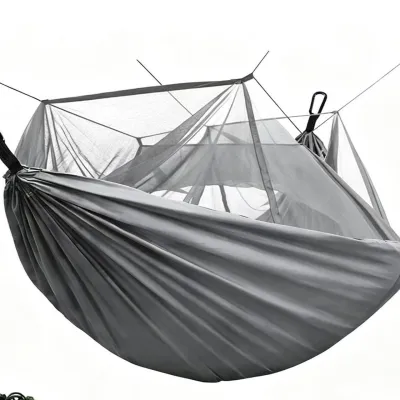
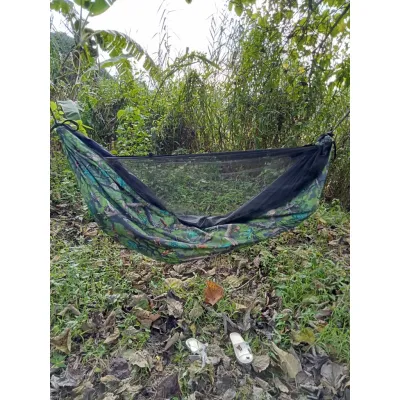
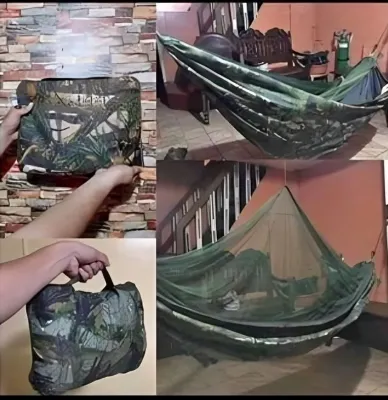
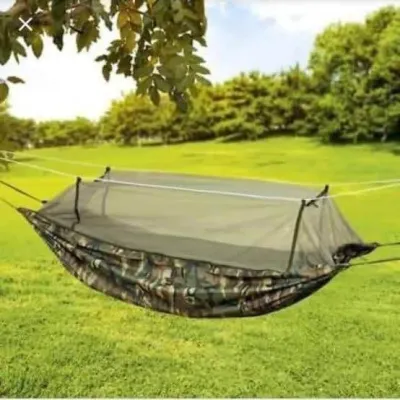
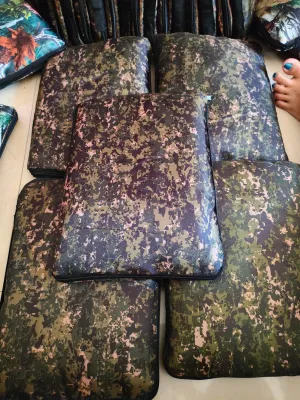
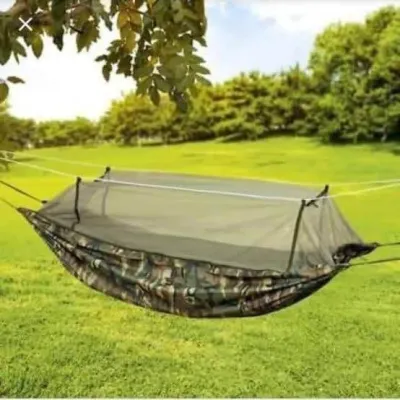
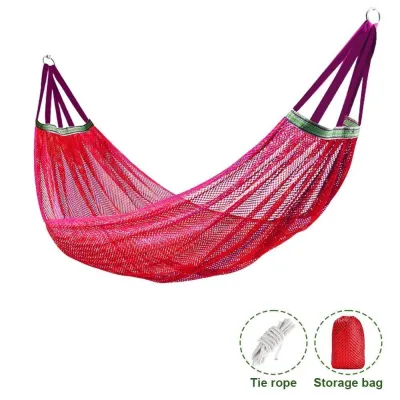
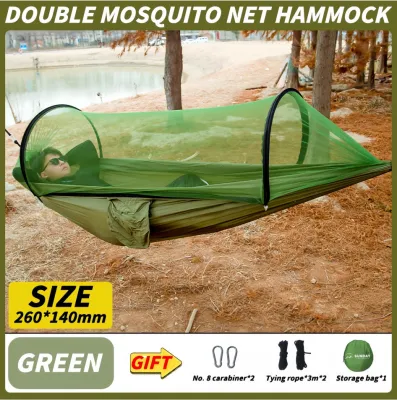
Prices are valid at publication and may change. Please refer to the product page for the latest price.
Balcony Constraints and Regulations
Balconies in residential buildings and condominiums are highly functional but come with strict spatial and structural limitations. Before you plan to drill hooks into concrete pillars or wrap straps around balcony railings, you must consult your building administration or homeowner’s association rules. Many condominium complexes strictly prohibit drilling into structural concrete or altering external walls to preserve building integrity and uniform aesthetics. Furthermore, standard balcony railings are rarely designed to handle the lateral pulling forces exerted by an occupied hammock. If structural hanging is prohibited or unsafe, a freestanding hammock stand is your primary alternative, though you must ensure your balcony has enough floor space to accommodate its footprint.
Garden Flexibility and Natural Anchors
Gardens offer much more freedom, allowing you to utilize mature trees, sturdy wooden pergolas, or purpose-built ground posts. When using natural anchors like trees, you are not restricted by rigid walls, meaning you can adjust your hanging height and distance more dynamically. However, garden setups require you to assess ground clearance, the swing radius of the hammock, and its proximity to walkways, thorny plants, or garden walls. You must ensure the swinging path is entirely clear of obstacles to prevent accidental collisions or injuries during use.
The Measuring Guide for Safe Hanging
To determine if a hammock will fit your space, you must measure the horizontal distance between your two proposed anchor points. As a general rule of thumb, the distance between anchors should be at least 10 to 12 feet for standard adult hammocks, though some models may require up to 15 feet. To calculate the required height for your anchor points, aim to place them about 5 to 6 feet off the ground. This height typically allows the lowest point of the hammock to sit around 18 inches above the ground when occupied, giving you a comfortable height for sitting down and standing up without scraping the floor.
Choosing a Duyan for Adult: Makapal Fabric and May Kulambo Design Details
The comfort and insect protection of your hammock depend directly on the materials used in its construction. In a tropical climate, balancing fabric thickness with breathability is essential for long-term enjoyment.

Thick and Padded Fabrics for Adult Comfort
When looking for a duyan for adult makapal (thick adult hammock), look for quilted, double-layered, or heavy-duty canvas fabrics. These thicker materials provide superior back support, distribute your body weight more evenly, and prevent the fabric from digging into your shoulders. An added benefit of thick fabric is that it acts as a physical barrier, preventing mosquitoes from biting you through the bottom of the hammock. However, do not assume that all thick fabrics are inherently weatherproof. Always check the manufacturer’s care labels for outdoor suitability and UV resistance, as untreated cotton or heavy canvas can absorb moisture, leading to mold, mildew, and fabric rot in high-humidity environments.
Mosquito Net Designs and Mesh Density
The kulambo (mosquito net) is your primary defense against dengue-carrying mosquitoes and annoying midges. There are two main net designs: fully enclosed zippered nets and top-draping canopy nets. Fully enclosed zippered nets are integrated directly into the hammock body, creating a sealed, bug-free cocoon that is highly effective at keeping insects out even when you move. Top-draping canopy nets hang over the hammock and are held down by gravity or weights, offering easier entry and exit but leaving potential gaps if the wind blows. For tropical climates, prioritize a high-density mesh that features tiny openings to block small insects while still allowing optimal airflow to keep you cool.
How Hammock Shape Impacts Netting
The overall shape of your hammock changes how the mosquito net drapes around you. Spreader-bar hammocks use wooden or metal bars at each end to keep the fabric flat and taut, which requires a structured, dome-like net frame to keep the mesh away from your face. Gathered-end hammocks, on the other hand, naturally cocoon the user and typically rely on a simple overhead ridgeline to suspend the netting. Gathered-end designs are generally easier to pack and store, while spreader-bar designs offer a flatter sleeping surface but require more space and structured netting support.
Sizing and Weight Limits for Adult Comfort
A hammock that is too small or structurally weak can lead to discomfort or sudden failure. Selecting the correct size and verifying weight capacities are critical steps before making a final decision.
Standard Dimensions for Adults
For a comfortable lounging experience, an adult hammock should be at least 9 to 11 feet long. This length allows you to lie diagonally, which is the ergonomically correct way to sleep in a gathered-end hammock because it flattens your back and prevents your body from banana-shaping. Keep in mind that thick padding or quilted layers can reduce the usable interior width of the hammock, as the stiff material does not stretch or conform to your body as easily as thin, single-layer nylon.
Verifying Weight Capacity
Never rely on fabric thickness alone as a guarantee of structural strength. You must always verify the manufacturer’s official weight rating, which is typically printed on the product tag, packaging, or instruction manual. A high-quality adult hammock should easily support at least 150 kg (approx. 330 lbs) for single users, while double models often support 200 kg to 250 kg. If the product lacks a clear, certified weight rating from the manufacturer, treat it with caution and avoid overloading it. In the local market, high-quality thick hammocks with nets generally range from budget-friendly options under ₱1,500 to premium, heavy-duty setups that can exceed ₱5,000, depending on the fabric grade and suspension hardware included.
Choosing Single vs. Double Widths
Single hammocks are lightweight, compact, and ideal for tight balcony footprints where space is at a premium. Double hammocks offer extra fabric width, allowing you to stretch out completely, wrap the fabric around yourself like a cocoon for extra wind protection, or share the space with a partner. However, double hammocks require a wider hanging area and can feel overly spacious or claustrophobic if the excess fabric folds inward over your face.
Safe Installation and Anchor Point Verification
Installing your hammock securely is paramount to preventing falls and structural damage. Using the correct hardware and verifying your anchor points ensures a safe, relaxing experience.
Hardware Selection and Ratings
Always use heavy-duty, outdoor-rated hardware to hang your hammock. Ensure that carabiners, tree straps, and wall hooks are rated to match or exceed the manufacturer-stated weight capacity of your hammock. Look for climbing-rated aluminum or stainless steel carabiners and wide, tree-friendly polyester webbing straps. Avoid using cheap utility ropes or thin plastic cords, as these can stretch, fray, or snap under tension.
Anchor Point Verification and Safety Warnings
When setting up in a garden, inspect the health of your chosen trees. Only use mature, living trees with a trunk diameter of at least 6 inches, and ensure the bark is healthy and free of rot or deep cracks. For balcony setups, inspect structural concrete columns or heavy wooden beams.
Warning: If the structural integrity of your anchor points is uncertain, or if you need to drill into concrete or brick walls, stop immediately and consult a qualified structural engineer or professional contractor. Never attempt to anchor a hammock to drywall, hollow brick, or decorative wooden railings, as these materials cannot handle lateral loads. If instructions conflict, the item is unidentified, or the use is not covered, stop and consult the manufacturer.
Hanging Geometry and Testing
To achieve the most comfortable and structurally sound hang, aim for a 30-degree hanging angle between the suspension strap and the ground. This angle balances the tension on the straps and provides a gentle, supportive curve. Once installed, always test the setup by applying gradual weight. Place heavy bags or push down firmly on the center of the hammock before sitting in it. When sitting down for the first time, do so slowly with your feet firmly on the ground, ensuring there are no slipping knots or cracking sounds before lifting your legs.
Outdoor Maintenance and Weather Protection
The harsh tropical climate—characterized by intense UV rays, high humidity, and heavy seasonal rains—can quickly degrade outdoor fabrics if they are not maintained properly.
Cleaning Routines
Regular cleaning prevents the buildup of sweat, dirt, and mold on your hammock. Always refer to the manufacturer’s care tags before washing. For thick, padded fabrics, hand washing with a mild detergent in cool water is generally the safest method, as machine washing can clump the internal padding or damage waterproof coatings. Be especially gentle with the delicate mesh of the mosquito net; wash it by hand to avoid snagging or tearing the fine weave.
Weather Protection and Storage
Prolonged exposure to direct sunlight will fade and weaken fabric fibers over time, while trapped rainwater can lead to mold and rust on metal hardware. When your hammock is not in use for extended periods, store it indoors in a dry, well-ventilated space. If taking it down daily is too inconvenient, invest in a weatherproof hammock sleeve or cover that slides over the entire unit, protecting the fabric and netting from rain, dust, and UV rays.
Routine Inspection Checklist
Perform a quick visual inspection before every use to ensure your safety. Look closely for fraying suspension ropes, weakened or unraveling seams along the fabric edges, and small tears in the mosquito net. Patching a tiny hole in the net early prevents mosquitoes from entering, while replacing a worn strap prevents a sudden, painful fall.
Frequently Asked Questions (FAQ)
Can I leave my hammock with a mosquito net outside all year round?
Continuous exposure to the elements will significantly shorten the lifespan of any outdoor hammock. The combination of intense tropical UV rays and frequent rain can degrade thick fabrics, weaken structural seams, and make the fine mesh of the mosquito net brittle and prone to tearing. To prevent premature wear, mold growth, and hardware rust, it is highly recommended to take your hammock down when not in use or protect it with a dedicated weatherproof cover during the rainy season.
Do I need a special stand if my balcony has no beams?
Yes, a freestanding hammock stand is the safest and most practical solution for balconies without structural beams or drilling permissions. When choosing a stand, verify that its overall footprint fits comfortably within your balcony space without blocking doorways or emergency exits. Additionally, ensure the stand’s official weight rating matches or exceeds the combined weight of the hammock and the user to prevent tipping or structural bending.
Community discussion
Share your experience or ask a question. Comments are reviewed before publication.