
When searching for the perfect backyard or balcony retreat, finding a hammock that feels substantial, supportive, and luxurious is often the top priority. In the Philippines, local shoppers frequently look for a “doyan yong makapal”—meaning a thick, heavy-duty hammock—to ensure they get a product that offers both plush comfort and long-lasting durability. A thick hammock provides a cozy, secure cradle that resists the wind, cushions the body, and withstands the tropical elements. However, understanding what actually makes a hammock truly thick requires looking beyond marketing buzzwords to examine fabric weight, weave density, and material composition.
What Defines a "Thick" Hammock?
To choose the right hammock, it helps to understand that thickness is not just about physical bulk. In textile terms, thickness is often measured by fabric weight, typically represented in grams per square meter (GSM) or denier for synthetic fibers. A higher GSM indicates a denser, more tightly woven base material that can support more weight and resist tearing over time.
Physical thickness can also come from structural design, such as quilted or padded layers. These designs sandwich a layer of soft fiberfill between two sheets of fabric, creating a plush, mattress-like surface. This differs from a single-layer canvas hammock, which relies entirely on the density of its weave to provide a firm, supportive barrier.
Products mentioned in this guide
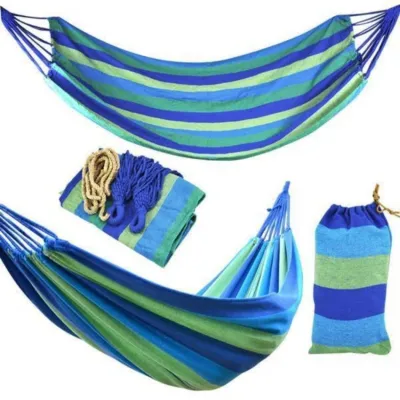
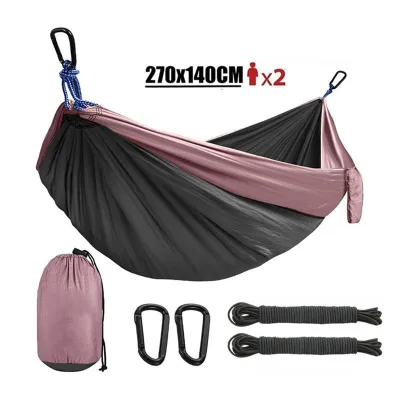
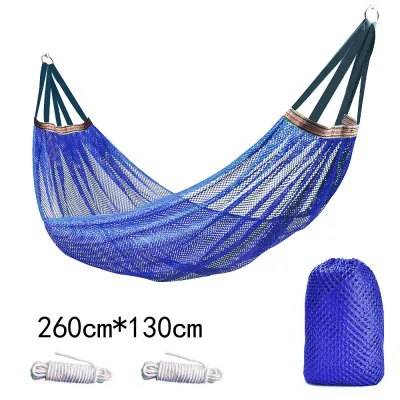
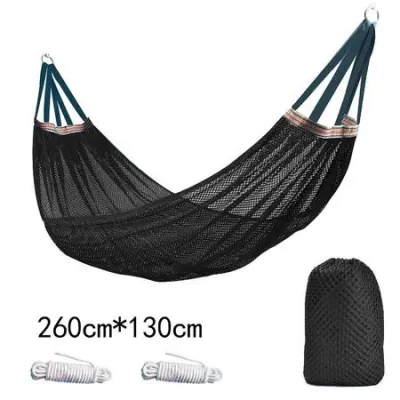
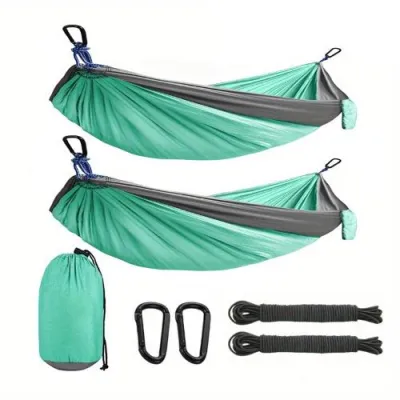
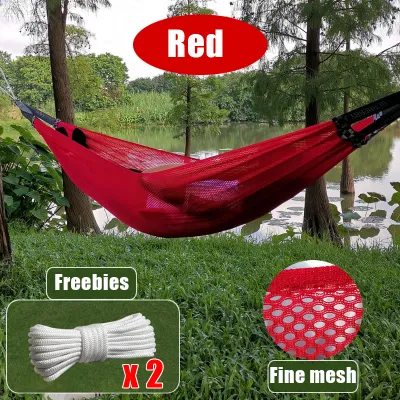

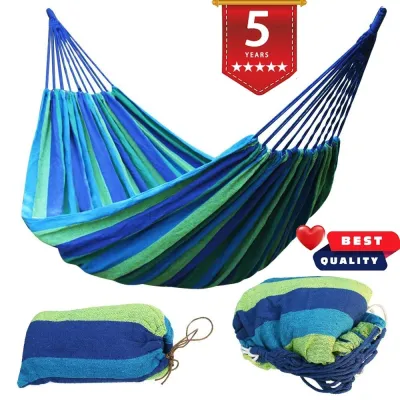
Prices are valid at publication and may change. Please refer to the product page for the latest price.
The tactile feel of a hammock is heavily influenced by thread thickness and yarn quality. Coarser, thicker yarns create a robust, textured surface, while high-quality multi-ply yarns offer a smoother yet equally sturdy feel. In some plush designs, raised weave patterns add a soft, cushioned texture directly to the skin. When evaluating options, remember that a “thick” designation can refer to a dense single-layer canvas, a complex multi-layered quilted fabric, or a tightly knotted rope structure.
Comparing Materials for a Plush and Sturdy Feel
Selecting the right material is crucial for balancing immediate comfort with long-term durability, especially in a tropical climate. The primary material categories used to achieve a thick, plush feel each have distinct characteristics, maintenance needs, and performance profiles under sun and rain.

Cotton and Cotton-Blend Fabrics
For those prioritizing pure, breathable comfort, thick cotton canvas and quilted cotton blends are traditional favorites. Cotton fibers naturally conform to the body, offering a soft, skin-friendly texture that remains cool during warm afternoons. Quilted cotton hammocks provide an exceptionally plush experience, making them ideal for a shaded garden patio or a covered balcony.
However, natural cotton requires diligent care in humid environments. It readily absorbs moisture from high humidity and sudden tropical downpours, making it susceptible to mold, mildew, and fabric rot if left damp. To preserve a thick cotton hammock, you must bring it indoors or store it in a dry, well-ventilated space when not in use. Additionally, because heavy cotton weaves add significant base weight to the hammock itself, it is essential to verify the manufacturer’s specified weight capacity and ensure your suspension system can handle both the heavy fabric and the occupant.
Polyester and Synthetic Blends
If you want a thick, plush feel without the high maintenance of natural fibers, modern polyester and synthetic blends are excellent alternatives. Advanced manufacturing allows synthetic weaves to closely mimic the soft texture of cotton canvas while offering superior resistance to ultraviolet (UV) rays, fading, and moisture. These materials are highly resilient, making them ideal for open-air gardens or sunny balconies where exposure to the elements is constant.
While synthetic fabrics excel in durability, they do have different physical properties. Some tightly woven polyester fabrics can retain heat more than cotton when placed in direct sunlight, which might feel warm during the hottest hours of the day. On the plus side, synthetics do not absorb water easily, meaning they dry rapidly after a rain shower and are much easier to clean with a simple wipe-down or mild soap solution.
Thick Rope and Macramé Weaves
For a classic, airy aesthetic, thick rope and macramé hammocks offer a different way to experience plush support. Instead of a solid sheet of fabric, these designs rely on thick, multi-strand ropes woven into a flexible net. Soft-spun cotton rope provides a gentle, conforming stretch that cradles the body comfortably, while synthetic ropes, such as polyester or nylon, offer stiffer support and greater weather resistance.
The comfort of a rope hammock depends entirely on weave density and knot spacing. A tight weave with closely spaced knots distributes body weight more evenly, reducing pressure points on your skin and creating a firmer, thicker feel. Conversely, loose weaves with wide gaps can feel uncomfortable over long periods. If you love the look of a macramé hammock but want maximum plushness, consider pairing it with a removable, weather-resistant hammock pad.
How to Verify Weave Density and Build Quality
Before purchasing a hammock online or in a local furniture store, performing a few quality checks can help you verify its actual thickness and durability. Start by inspecting the tightness of the weave. Hold the fabric up to the light; a high-quality, dense material should allow very little light to pass through, indicating a tight, secure weave that will not stretch out of shape easily. Examine the individual yarns to ensure they are thick, consistent, and free of fraying or loose ends.
Next, inspect the structural stitching and hardware. Look for double or triple stitching along the edges, seams, and hanging loops, as these areas bear the most stress. The edge bindings should be clean and securely finished to prevent unraveling. If the hammock includes spreader bars, check that the wood or metal is smooth, solid, and free of cracks. Suspension hardware, such as integrated ropes, O-rings, and carabiners, should feel heavy and robust. Always rely on the manufacturer’s official specifications for fabric density and maximum weight limits rather than relying solely on subjective marketing terms.
Matching Your Thick Hammock to Your Outdoor Space
Integrating a heavy, plush hammock into your outdoor living area requires careful planning regarding space, mounting, and maintenance. Spreader-bar hammocks keep the fabric flat and taut, making them easy to get into and perfect for sunbathing, but they require a wider footprint and a fixed distance between mounting points. Gathered-end designs, which curve around the body, require less horizontal space and can be hung from closer anchor points, making them highly versatile for compact balconies.
Because thick, padded hammocks are physically heavier than thin nylon travel hammocks, verifying your structural support is critical. Ensure that wall anchors, balcony posts, or garden trees are structurally sound and capable of supporting both the static weight of the hammock and the dynamic load of a person sitting or swinging. Use heavy-duty, weather-rated straps or chains to secure the setup. To keep your hammock in top condition, establish a simple maintenance routine: shake out debris regularly, spot-clean spills immediately, and store the hammock in a dry protective sleeve or indoors during heavy rainy seasons to prevent moisture buildup and prolong its lifespan.
Frequently Asked Questions (FAQ)
Is a thicker hammock always more durable?
Not necessarily. While a thicker fabric or rope provides more material substance, overall durability depends on the fiber type, UV resistance, weave quality, and hardware strength. A thick, heavy cotton hammock can degrade quickly if exposed to constant rain and humidity without proper drying, whereas a slightly thinner, high-quality synthetic hammock treated for UV resistance may last much longer in outdoor conditions.
Can I add padding to a thin hammock to make it thicker?
Yes, you can easily enhance a thin fabric or rope hammock by adding a removable, purpose-built hammock pad or a thick, weather-resistant outdoor blanket. This is a practical way to achieve a plush feel without buying a new setup. However, be mindful of how the added weight and bulk affect the hammock’s center of gravity and drape. Ensure your suspension straps and anchor points are rated to handle the extra weight, and adjust the hanging height to prevent the hammock from sagging too close to the ground.
Community discussion
Share your experience or ask a question. Comments are reviewed before publication.