
Finding a reliable, thick, family-sized duyan (hammock) capable of safely supporting multiple adults in the Philippines requires looking past generic marketing buzzwords like “makapal” or “heavy-duty.” To make a secure and comfortable choice, you must evaluate verified weight capacities, structural fabric characteristics, and robust suspension systems. In a tropical climate characterized by high humidity, intense seasonal rainfall, and strong sunlight, understanding how materials and hardware perform under load is essential for preventing sudden failures and ensuring long-term comfort. By focusing on objective specifications, physical measurements, and proper installation practices, you can select a spacious duyan that serves as a safe, relaxing centerpiece for your home, patio, or garden.
In Filipino households, the duyan is more than just outdoor furniture; it is a cherished space for afternoon siestas, family bonding, and cooling down during hot days. When selecting a model intended for multiple adults, prioritizing structural safety and physical dimensions ensures that these shared moments remain safe and comfortable.
Key Sizing and Weight Capacity Checks for Multiple Adults
When multiple adults share a duyan, the static weight of the occupants is only part of the equation. You must calculate the total weight capacity requirements by adding a substantial safety margin to account for dynamic movement, such as sitting down, shifting positions, or gentle swinging. A safe practice is to sum the weights of the intended users and add at least 30 to 50 percent more capacity to handle these sudden shifts in force without straining the fabric or suspension lines.
Products mentioned in this guide
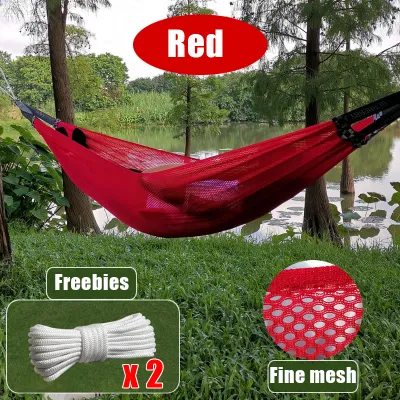
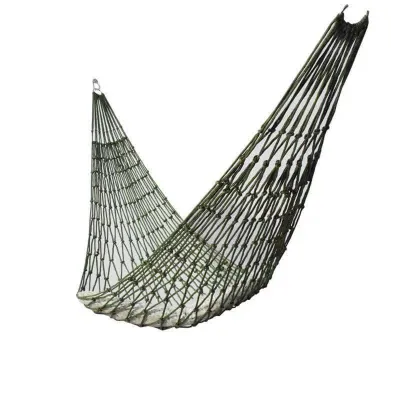
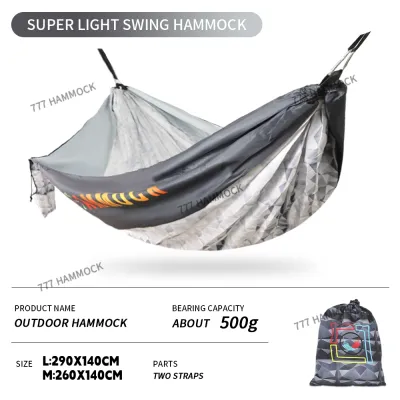
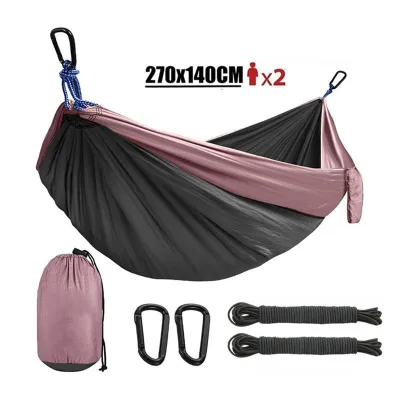
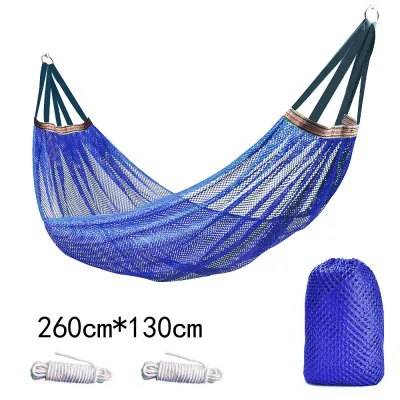
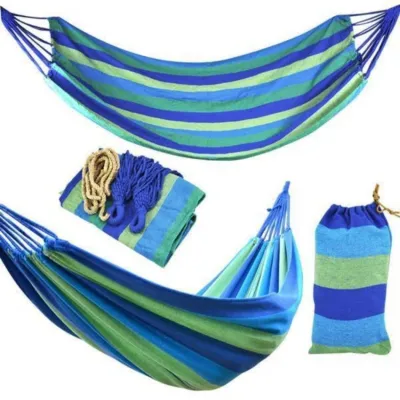
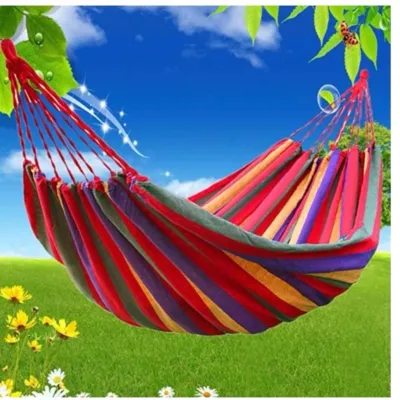
Prices are valid at publication and may change. Please refer to the product page for the latest price.
To ensure everyone can lie down comfortably without being squeezed together, you must differentiate between the flat bed width and the gathered width of the fabric. The flat bed width represents the actual usable fabric surface when fully stretched open, whereas the gathered width refers to how the fabric bunches at the ends. For multiple adults, a flat bed width of at least 150 to 200 centimeters is typically necessary to prevent the fabric from cocooning the occupants too tightly and to allow for diagonal laying, which is the most ergonomic position.
Avoid relying on vague marketing terms like “family-size” or “makapal” when browsing local stores or online marketplaces. Instead, look for explicit manufacturer labels that state the maximum load limit in kilograms. If a product listing or packaging lacks a clear, certified weight rating, treat it as a single-person utility item rather than a safe multi-adult hammock.
Additionally, consider the physical space constraints of your installation area, such as a veranda, carport, or garden. Measure the distance between your intended anchor points before purchasing, as a family-sized duyan requires a longer hanging span than standard models to achieve the correct sag and ground clearance.
Evaluating Fabric Thickness and Structural Durability
Assessing the thickness and weave density of the fabric is critical to ensuring the duyan resists sagging and tearing under heavy loads. Look for fabric weight indicators, often measured in grams per square meter (GSM) or denier ratings for synthetic materials like nylon and polyester. A higher GSM or denier indicates a denser, thicker weave that distributes weight more evenly, resists stretching out of shape over time, and prevents the fibers from separating under tension.

Traditional woven cotton threads, often referred to locally as duyan de hilo, offer excellent breathability and comfort in hot, tropical weather, but they require careful maintenance to prevent snagging. Modern canvas or high-density parachute nylon fabrics provide a more uniform surface that is highly resistant to tearing, though they may retain more heat if used in direct sunlight without adequate shade.
Inspect the structural points where the fabric meets the suspension system. High-quality family-sized duyans feature multi-row stitching—ideally triple or quadruple stitching—along the edges and main seams to prevent fraying under tension. The gathering loops at each end should be reinforced with heavy-duty webbing, metal thimbles, or thick rope sleeves to protect the fabric from friction wear during movement.
In the Philippines, outdoor furniture must withstand intense sunlight and high humidity. Review the care labels and manufacturer specifications for UV-resistant treatments and moisture-management properties. Untreated fabrics can degrade quickly under constant sun exposure, leading to brittle fibers that compromise the safety of the duyan.
Suspension Systems and Safe Installation Requirements
A thick, heavy-duty duyan is only as safe as its suspension system. Ensure you use compatible heavy-duty carabiners, S-hooks, and tree straps that are explicitly rated to match or exceed the hammock’s maximum weight capacity. Look for climbing-grade carabiners or steel S-hooks with clear load ratings, and avoid using generic household ropes that lack certified tensile strength.
Before hanging your duyan, carefully assess the structural integrity of your anchor points. If you are using trees, select mature, healthy trunks with a diameter of at least 15 to 20 centimeters to prevent damage to the tree and ensure stability. For wooden beams or concrete pillars, verify that the structure can handle lateral pull forces, which can be significantly higher than the actual weight of the occupants depending on the hanging angle.
The ideal hanging angle for a duyan is approximately 30 degrees from the horizontal anchor line. Hanging the duyan too flat increases the shear force on the anchors exponentially, while a deep sag can cause occupants to bump into each other or the ground. Ensure there is adequate ground clearance—typically 30 to 50 centimeters from the lowest point of the occupied duyan to the ground—to allow for safe entry and exit.
If you plan to install permanent wall anchors or ceiling mounts inside your home or on a concrete porch, consult structural guidelines or a professional builder. Standard wall plugs and screws are generally insufficient for the dynamic lateral loads generated by multiple adults sharing a hammock.
Building Your Shortlist: What to Verify Before Buying
When shopping on online marketplaces, do not rely solely on polished promotional images. Cross-reference the product descriptions with user-uploaded photos in the review sections to verify the actual thickness of the fabric, the quality of the stitching, and the thickness of the included ropes. Real-world photos often reveal whether the fabric is truly thick and tightly woven or if it is thin enough to let light pass through easily.
If you are purchasing from a physical store, perform a manual inspection of the duyan. Feel the weight of the folded fabric in your hands, as a genuine family-sized, thick duyan will feel substantially heavier than a lightweight single-person model. Pull gently on the seams and gathering loops to check for thread slippage or loose stitching before making your decision.
Confirm the seller’s return policies, warranty coverage, and the availability of replacement parts before finalizing your purchase. A reputable manufacturer or distributor should offer clear terms for manufacturing defects and provide options to purchase replacement straps, ropes, or carabiners as they wear out over time.
Set a realistic budget in Philippine Pesos (₱) based on verified material quality and hardware ratings rather than choosing the cheapest option available. While basic single-person duyans can be very inexpensive, a genuine, high-capacity family-sized duyan with certified hardware and thick, weather-resistant fabric will require a higher investment, typically ranging from ₱1,500 to ₱5,000 or more depending on the materials and suspension kits included.
Frequently Asked Questions (FAQ)
How should a thick family-sized duyan be stored during the rainy season?
To protect your duyan from mold, mildew, and fabric degradation during the wet season in the Philippines, proper cleaning and storage are essential. Wash the fabric according to the manufacturer’s instructions, using mild soap and cool water, and ensure it is completely dry before packing it away. Store the dry duyan in a breathable storage bag, such as a cotton or mesh sack, and keep it in a climate-controlled indoor environment away from damp walls or floors to prevent moisture buildup.
Can a family-sized duyan be safely used indoors without drilling into walls?
Yes, you can use a freestanding hammock stand indoors to avoid drilling into your walls, but you must match the stand’s weight rating and base width to your duyan’s dimensions and total load. Ensure the stand is constructed from heavy-duty steel and features a wide, stable base that prevents tipping when multiple adults sit or swing. Avoid using undersized, lightweight, or improvised stands, as they can easily buckle or tip over under the dynamic weight of multiple occupants.
Community discussion
Share your experience or ask a question. Comments are reviewed before publication.