
Living in a compact condominium or studio apartment in the Philippines requires smart, adaptable furniture choices. When floor space is limited, static furniture can make a room feel cramped and rigid. A trolley side table offers a highly versatile solution, serving as a mobile coffee station, a temporary workspace, or an extra surface during gatherings. To find the right piece, you must balance its physical footprint, mobility features, and storage capacity against the specific layout of your home.
Assessing Your Space and Clearance Requirements
Before purchasing a trolley side table, measure your available floor space to ensure the unit can move freely without blocking daily foot traffic. Map out the path the trolley will take between your sofa, dining area, and kitchen. Use a tape measure to record the exact width of your hallways, doorways, and the gaps between major furniture pieces. Standard condo layouts often feature narrow corridors where even a few centimeters of overhang can create a frustrating bottleneck.
When reviewing product specifications on online marketplaces, compare the listed outer dimensions—including any protruding handles or wheels—with your measured clearances. A trolley needs a small buffer on either side to navigate tight corners smoothly. If you plan to park the table next to a sofa or bed, check the height of the armrests and mattress. The table should sit at a comfortable height that allows you to reach items easily without straining.
Products mentioned in this guide
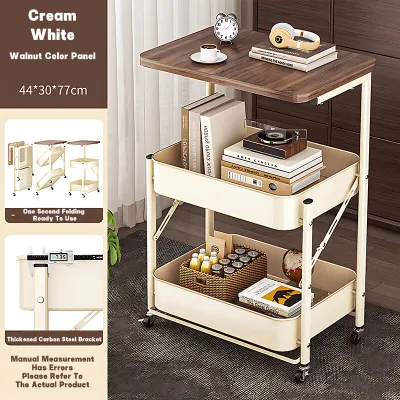
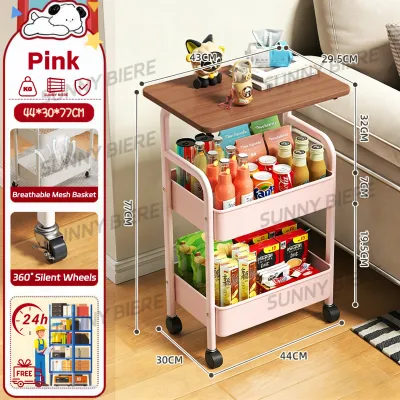
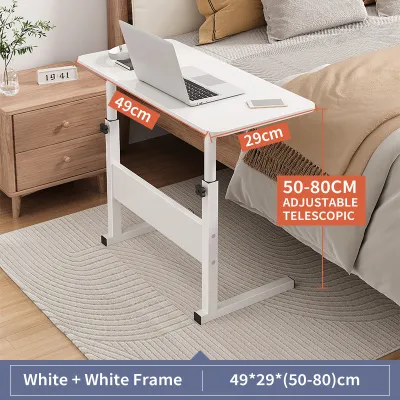
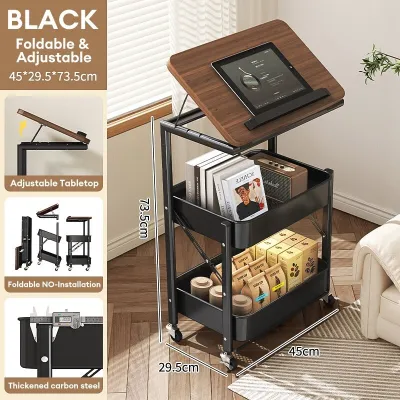
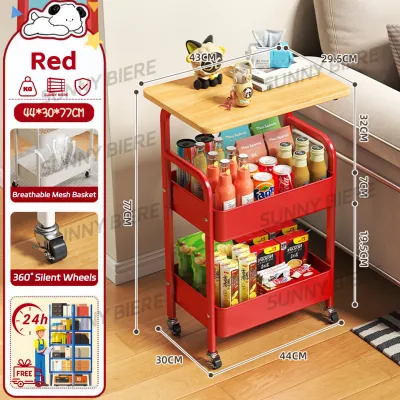
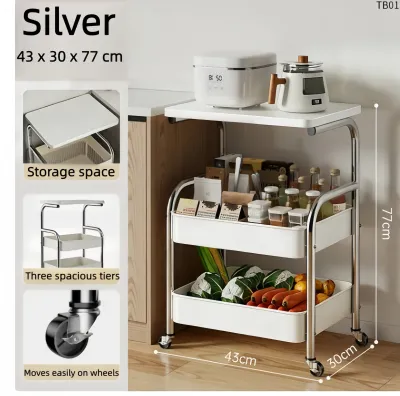
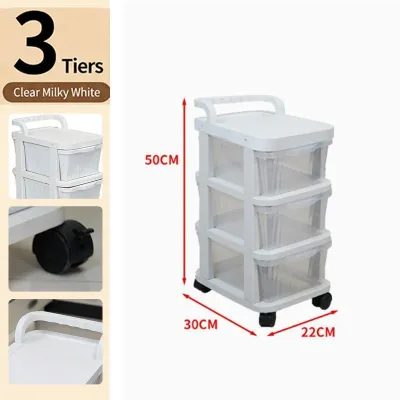
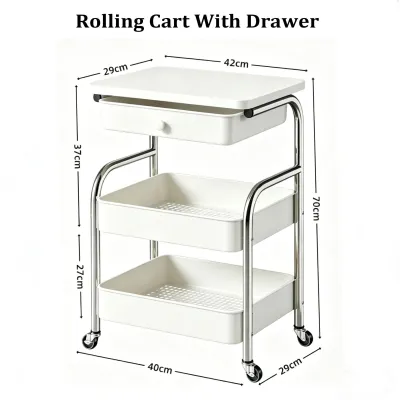
Prices are valid at publication and may change. Please refer to the product page for the latest price.
Visual weight is another critical factor in small-space design. A bulky, solid-wood trolley can dominate a small studio apartment, making the entire room feel smaller. Look for designs with open wire frames, slender metal legs, or glass shelves that let light pass through. These design elements preserve the visual flow of the room while still providing the functional surface area you need. Ensure there is enough clearance underneath your existing furniture if you want the trolley’s base to slide partially under the sofa to save space.
Evaluating Wheel and Mobility Features
The mobility of a trolley side table depends entirely on its casters. In Philippine homes, flooring materials vary widely, from polished concrete and ceramic tiles to vinyl planks and engineered wood. You must check the manufacturer’s specifications to determine if the wheels are suitable for your specific floor type. Hard plastic wheels can sometimes scuff or scratch delicate wood finishes, while softer rubber or polyurethane casters tend to glide quietly and safely across most hard surfaces.

If your condo features area rugs, look for larger wheels that can transition over the edges without getting stuck or tipping the table. Small, low-profile casters often struggle to roll over thick carpet piles or rug borders. Regardless of the wheel size, a reliable locking mechanism is essential. At least two of the casters should have individual brakes that you can easily engage with your foot. This prevents the trolley from rolling unexpectedly when you place a hot mug of coffee or a laptop on the top shelf.
The handle design also plays a major role in how easily you can maneuver the table. A sturdy, ergonomically positioned handle allows you to push or pull the trolley without bending uncomfortably. Check the product description to see if the handle is integrated into the frame or if it must be bolted on separately during assembly. An integrated metal handle often provides better structural integrity and can double as a convenient rack for hanging hand towels or small organizers.
Maximizing Storage and Surface Utility
A well-designed trolley side table should maximize vertical storage without taking up excess floor space. Evaluate the spacing between the shelves or tiers to ensure they can accommodate your daily essentials. For instance, if you plan to store tall books, bottles, or a standing pitcher, you will need a bottom shelf with generous vertical clearance. Some models offer adjustable shelves, which allow you to customize the interior layout as your storage needs change over time.
Multi-functional features can greatly enhance the utility of a mobile table. Look for models that feature removable top trays, which allow you to carry drinks or snacks directly from the kitchen counter to the living room. Fold-out leaves or drop-leaf extensions are also excellent for small spaces, providing an expanded work surface when needed and folding down flat when the trolley is parked. Hidden compartments, such as small drawers or slide-out baskets, help keep small items like remote controls, chargers, and pens out of sight.
Balancing open and closed storage is key to managing visual clutter in a compact home. While open shelves make it easy to grab items quickly, they can easily look messy if overfilled. Consider a trolley that combines an open top shelf for active use with a closed cabinet or deep basket at the bottom for items you prefer to keep hidden. This combination helps maintain a clean, organized aesthetic in your living area.
Checking Material Durability and Stability
Because a trolley side table is designed to move, its structural stability and material durability are paramount. Start by reviewing the manufacturer’s product labels for the maximum load capacity of each individual shelf and the overall frame. Never assume a metal frame can support unlimited weight; always verify the specific weight limits before placing heavy appliances like microwave ovens or espresso machines on the table.
Inspect the joint connections and frame thickness in the product photos or assembly manuals. Welded joints generally offer superior stability compared to simple bolt-together frames, which can loosen over time with frequent movement. If you choose a self-assembly model, ensure all screws and fasteners are tightened securely, and check them periodically to maintain structural integrity. A wobbly frame can cause the trolley to sway during transit, increasing the risk of spills or damage.
Surface care is another crucial consideration, especially in the humid tropical climate of the Philippines. High humidity and accidental spills can damage unprotected materials. Check the care instructions to ensure the surfaces are easy to clean and maintain. Powder-coated steel frames resist rust and moisture well, while sealed wooden shelves or laminate finishes can withstand occasional spills if wiped dry immediately. Avoid untreated wood or porous stone surfaces that can stain easily or warp when exposed to condensation from cold drinks.
Common Sizing and Placement Mistakes
One of the most common mistakes when choosing a trolley side table is overlooking the total height of the unit. A trolley that is too tall can block low window sills, obstruct light, or sit awkwardly above the armrest of your sofa, making it uncomfortable to use as a side table. Always compare the height of the top shelf with the height of your seating to ensure a natural, comfortable reach.
Another frequent error is ignoring the base footprint in relation to your existing furniture legs. Some trolleys have wide, splayed bases that cannot slide under low-clearance sofas or armchairs. This forces the trolley to sit further out into the room, creating a tripping hazard in narrow walkways. Measure the clearance under your sofa frame before buying to ensure the trolley’s base can tuck away neatly when not in use.
Finally, avoid the temptation to overload the top tier of the trolley while leaving the bottom shelves empty. This creates a top-heavy distribution of weight, making the unit highly unstable and prone to tipping over when you push it across a rug edge or a door threshold. To maintain a safe center of gravity, always place heavier items, such as books or storage boxes, on the bottom shelf, and reserve the top surface for lighter, active-use items.
Frequently Asked Questions (FAQ)
Can a trolley side table replace a traditional coffee table?
Yes, a trolley side table can serve as an excellent alternative to a traditional coffee table in a small condo. Traditional coffee tables occupy a fixed, central block of floor space, which can restrict movement in narrow living rooms. A mobile trolley can be rolled to the side when you need open floor space for exercise or cleaning, and rolled back in front of the sofa when you need a surface for drinks or snacks. However, keep in mind that a trolley generally offers less total surface area than a standard coffee table, so it is best suited for households that prioritize flexibility over large dining or working surfaces.
How do I protect my floors from trolley wheels?
To protect your floors from scratches and scuffs, start by selecting the right wheel material for your flooring. Soft polyurethane or rubber casters are much gentler on vinyl, laminate, and hardwood floors than hard plastic or metal wheels. Before moving the trolley, always check the wheels to ensure no small pebbles, grit, or dirt particles are stuck in the tread, as these can act like sandpaper against your floor. For high-traffic areas where the trolley is parked most of the time, consider placing a small, low-pile area rug or a protective runner underneath to prevent localized wear and tear.
Community discussion
Share your experience or ask a question. Comments are reviewed before publication.