
A wall-mounted bar cabinet is an excellent space-saving solution that elevates your home entertainment experience without sacrificing valuable floor space. When choosing the perfect unit, you must look beyond mere aesthetics; the ideal cabinet must balance structural safety, storage efficiency, and material durability. Because these units hang directly on your wall, verifying your wall’s load-bearing capacity and selecting moisture-resistant materials are critical steps to ensure your collection of spirits and delicate glassware remains secure. By evaluating your specific storage habits, room layout, and installation requirements, you can select a functional centerpiece that seamlessly integrates into your living space.
Assess Your Space and Wall Capacity
Before browsing designs, you must precisely measure the physical boundaries of your intended installation area. Start by measuring the available wall width, height, and depth, keeping in mind that a wall-mounted unit projects outward into the room. You must ensure there is ample clearance for cabinet doors to swing open fully and for drawers to extend without obstructing walkways or colliding with adjacent furniture. In tight dining areas or narrow hallways, even a few centimeters of protrusion can disrupt the flow of foot traffic, so mapping out the cabinet’s footprint with painter’s tape on the wall is a highly effective way to visualize the physical impact on your room.
Next, identify the exact composition of your wall, as this determines the mounting method and overall safety of the installation. In many homes, walls are constructed from solid masonry, concrete hollow blocks, or plaster-coated brick, while others feature drywall over wooden or metal studs, or simple hollow partitions. Solid concrete walls offer excellent load-bearing capacity but require specialized masonry drill bits and expansion anchors. Drywall and hollow partitions, on the other hand, are structurally weak on their own and cannot support a heavy cabinet; you must locate the internal studs using a stud finder and plan to anchor the mounting brackets directly into these structural supports.
Products mentioned in this guide
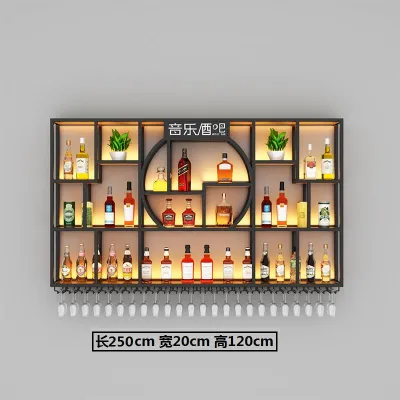
Prices are valid at publication and may change. Please refer to the product page for the latest price.
To prevent a catastrophic structural failure, you must calculate the total expected load of your fully stocked bar. Begin with the net weight of the empty cabinet, which is typically listed in the manufacturer’s specifications. To this, add the estimated weight of your planned inventory: a standard 750ml glass bottle of spirits weighs approximately 1.4 kilograms when full, and a set of heavy-bottomed tumblers or delicate wine glasses adds significant cumulative weight. If you plan to store ten bottles and a dozen glasses, your inventory alone can easily exceed 15 kilograms, meaning the total weight pulling on your wall brackets could surpass 25 to 30 kilograms.
Once you have calculated this estimated total load, compare it directly against the manufacturer’s stated maximum weight capacity. Always choose a cabinet with a rated capacity that comfortably exceeds your calculated load to provide a safe buffer. If a manufacturer does not specify a maximum weight limit, treat this as a major warning sign and consider alternative products that provide clear, verified structural ratings.
Evaluate Storage Configurations and Features
The internal layout of your wall-mounted bar cabinet should directly reflect your drinking preferences and the types of bottles you collect. If you are an avid wine collector, prioritize cabinets featuring horizontal bottle racks or diagonal cubbies, which keep corks moist and prevent oxidation. However, if your collection consists primarily of spirits, liqueurs, or uniquely shaped bottles, you will need upright shelving with generous vertical clearance. Look for units with adjustable shelves, which allow you to customize the interior height as your collection evolves over time, preventing the frustration of owning tall bottles that cannot fit inside.

Glassware storage requires equal consideration to prevent accidental chips and breakage. Dedicated stemware hanging racks are highly desirable for wine and champagne glasses, as they slide into secure under-shelf tracks, keeping the delicate bowls suspended and dust-free. For spirits tumblers, highball glasses, and snifters, flat shelves with protective lips or non-slip liners are ideal. Assess the ratio of different glass types you use most frequently to ensure the cabinet’s built-in racks can accommodate your specific glassware collection without overcrowding.
Another critical decision is the balance between open display shelving and closed cabinetry. Open shelves allow you to showcase beautiful bottle designs, colorful liqueurs, and premium glassware, creating an inviting visual focal point in the room. However, open storage exposes your items to dust, grease from nearby kitchens, and ambient light, which can degrade certain spirits over time. Closed cabinets, featuring solid wood or frosted glass doors, conceal everyday clutter, protect your collection from dust, and provide a cleaner, more organized appearance. A hybrid design featuring both open display areas and closed compartments often offers the best of both worlds.
Finally, consider multi-functional features that enhance usability, such as a fold-down front panel that doubles as a prep table or serving platform. These drop-down doors must be supported by heavy-duty chains or pneumatic stays to handle the weight of pouring drinks. If you are interested in integrated LED lighting to illuminate your collection, verify the power requirements beforehand. Determine whether the cabinet uses battery-operated puck lights or requires a nearby electrical outlet, and plan how you will conceal any hanging power cords to maintain a clean, professional look.
Compare Materials and Hardware Durability
The materials used to construct your bar cabinet dictate its longevity, maintenance requirements, and resistance to environmental factors. Solid wood, such as mahogany, oak, or teak, offers unmatched natural beauty and exceptional structural strength, making it highly durable for load-bearing furniture. However, solid wood is sensitive to temperature fluctuations and high humidity, which can cause warping or splitting if not properly sealed. Engineered wood, including medium-density fiberboard (MDF) and particle board, is a common, budget-friendly alternative, but it is highly susceptible to moisture damage; if liquid spills penetrate the outer laminate, the core can swell and crumble, compromising the cabinet’s structural integrity.
In tropical climates or high-humidity environments, you must carefully check manufacturer labels for moisture and humidity resistance. If you select an engineered wood cabinet, ensure it features a high-quality, water-resistant veneer or a melamine coating that seals the edges completely. Metal cabinets, often made of powder-coated steel or iron, provide an excellent industrial aesthetic and superior moisture resistance, though they must be treated to prevent rust in coastal or humid areas. Glass elements, such as shelves or door panels, should always be made of tempered safety glass to prevent dangerous shattering in the event of an accidental impact.
Surface finishes and edge banding play a vital role in protecting the cabinet from daily wear and tear. Because a bar cabinet is prone to liquid spills, sticky residue, and condensation from chilled bottles, the surfaces must be easy to clean and highly scratch-resistant. Look for polyurethane coatings, water-resistant lacquers, or high-pressure laminates that can be wiped clean with a damp cloth without staining or stripping the finish. Examine the edge banding on shelves and doors; tight, seamless edges prevent moisture from seeping into the joints, which is the primary cause of laminate peeling.
Do not overlook the quality of the cabinet’s hardware, as the hinges, drawer slides, and mounting brackets bear the brunt of daily physical stress. Inspect the specifications for soft-close hinges and full-extension drawer slides, which prevent doors and drawers from slamming and rattling your delicate glassware. The mounting brackets themselves must be made of heavy-gauge steel and securely fastened to the cabinet’s main frame. High-quality hardware ensures smooth operation and prevents sagging over years of continuous use.
Match the Design to Your Room Aesthetic
A wall-mounted bar cabinet should not look like an afterthought; it should harmonize with the existing interior design of your home. Start by matching the cabinet’s color palette, wood grain, and overall profile with your surrounding furniture, kitchen cabinetry, or living room decor. If your dining room features dark wood tones, a matching walnut or espresso-finished cabinet will create a cohesive, integrated look. Conversely, in a modern, minimalist space, a sleek cabinet with clean lines, handleless doors, and a matte black or white finish can serve as a sophisticated, understated accent.
Consider the overall design style of your room to select a cabinet that reinforces that theme. An industrial-style home benefits from a cabinet combining reclaimed wood textures with matte black metal frames and wire mesh doors. A traditional space, on the other hand, is elevated by classic details such as crown molding, raised-panel doors, and brass hardware. If you prefer a transitional look, choose a simple, geometric cabinet with glass doors that bridges the gap between classic warmth and modern simplicity.
Lighting plays a transformative role in how your bar cabinet is perceived within the room. If you choose a cabinet with built-in LED strip lighting, it can cast a warm, ambient glow that highlights your glassware and creates a cozy lounge atmosphere in the evening. If the cabinet lacks integrated lighting, position it near existing wall sconces, track lighting, or floor lamps to ensure your collection is well-lit and easily accessible.
Finally, pay close attention to the visual weight of the unit. A bulky, solid-wood cabinet with dark finishes can dominate a small room, making the wall feel heavy and the space feel cramped. For smaller rooms, opt for cabinets with open shelving, glass doors, or lighter wood finishes, which allow light to pass through and maintain an airy, spacious feel.
Verify Installation Requirements and Safety
Installing a wall-mounted bar cabinet is a precise task that requires careful preparation and the right tools. Before making a purchase, review the assembly complexity and the list of required tools in the product manual. You will typically need a reliable level, a measuring tape, a stud finder, a power drill, and the correct drill bits for your specific wall type. If the assembly instructions seem overly complex or require tools you do not own, factor the cost of professional assembly and installation into your overall budget.
Using the correct wall anchors is the single most important factor in preventing your cabinet from falling. Never rely on standard plastic drywall anchors to support a heavy bar cabinet on hollow walls; they are designed for light picture frames and will pull out under the weight of bottles and glassware. For drywall installations, you must secure the mounting brackets directly into the wooden or metal studs using heavy-duty wood screws or lag bolts. If you must mount to a concrete or masonry wall, use high-quality steel expansion anchors or concrete screws designed to grip the solid material securely.
Establish a strict stop condition before you begin drilling. If you encounter unexpected resistance, find that your wall studs are damaged or unevenly spaced, or are unsure of the wall’s internal structure (such as the location of electrical wiring or plumbing pipes), halt the installation immediately. Do not attempt to force the installation or compromise on the number of anchor points. In these situations, consulting a qualified local contractor or professional handyman is essential to ensure the cabinet is mounted safely and complies with local building standards.
Lastly, carefully plan the mounting height of your cabinet to ensure ergonomic safety and convenience. The cabinet should be positioned at a height that allows the primary users to reach the top shelf comfortably without needing a step stool, which can be hazardous when handling heavy glass bottles. Additionally, ensure there is adequate clearance beneath the cabinet if it is mounted above a countertop, sideboard, or dining table. Leaving a generous gap prevents head bumps when people are seated or preparing drinks, and it maintains a clean, balanced visual alignment on your wall.
Build Your Shortlist Using a Decision Matrix
To streamline your final decision, organize your top candidates into a structured comparison matrix. This systematic approach helps you look past marketing photos and focus on the practical specifications that matter most. Create a simple table with columns dedicated to dimensions, maximum weight capacity, primary materials, storage features, and the price range in Philippine Pesos (₱). By laying out these details side-by-side, you can easily identify which units offer the best balance of safety, utility, and value.
| Candidate Model | Dimensions (W x H x D) | Max Weight Capacity | Primary Material | Key Storage Features | Price Range (₱) |
|---|---|---|---|---|---|
| Option A | [Width] x [Height] x [Depth] | [Weight Rating] kg | Solid Wood | [Features] | ₱[Price Range] |
| Option B | [Width] x [Height] x [Depth] | [Weight Rating] kg | Powder-Coated Steel | [Features] | ₱[Price Range] |
| Option C | [Width] x [Height] x [Depth] | [Weight Rating] kg | Water-Resistant MDF | [Features] | ₱[Price Range] |
When evaluating your options, apply strict elimination criteria to narrow down your list. Immediately reject any cabinet that exceeds the safe load-bearing limits of your wall or does not include robust, verified mounting hardware. Next, eliminate units that do not fit your physical space or lack the specific storage configurations you need, such as adequate vertical clearance for your tallest bottles or sufficient stemware racks for your wine glasses.
Rank the remaining candidates based on how well their features align with your daily habits. If you host frequent gatherings, a model with a fold-down prep table might take priority. If you live in a highly humid area, prioritize the model with the most durable, moisture-resistant finish.
Before making your final purchase, run through a quick checklist. Verify the retailer’s return policy in case the unit arrives damaged or does not fit your wall as expected. Check the warranty terms to ensure structural defects and hardware failures are covered. Finally, double-check the delivery dimensions of the packaging to guarantee the box can easily pass through your doorways, hallways, and stairwells during delivery.
Frequently Asked Questions (FAQ)
Can I install a wall-mounted bar cabinet on drywall?
Drywall alone is structurally weak and cannot support the concentrated weight of a loaded bar cabinet, which can easily exceed 25 kilograms when filled with bottles and glassware. To install a cabinet safely on a drywall surface, you must locate the wooden or metal studs behind the drywall using a stud finder and anchor the mounting brackets directly into these studs using heavy-duty wood screws or lag bolts. If the cabinet’s mounting points do not align with your wall’s stud spacing, you may need to install a wooden backing board secured across multiple studs to distribute the weight safely. If you are uncertain about the location of your studs or the structural integrity of your wall, consult a professional installer to prevent severe wall damage or injury.
What is the ideal height for mounting a bar cabinet?
The ideal mounting height depends on the height of the primary users and the layout of the room. As a general rule, the main shelf or prep area of the cabinet should sit at comfortable standing elbow height, typically between 100 to 110 centimeters from the floor, allowing you to pour drinks naturally. Ensure the top shelf is easily reachable without a step stool to prevent accidental drops when handling heavy bottles. If you are mounting the cabinet above an existing piece of furniture, such as a sideboard or console table, leave a clearance of at least 30 to 45 centimeters between the bottom of the cabinet and the tabletop to prevent head bumps and maintain a balanced, uncluttered aesthetic.
Community discussion
Share your experience or ask a question. Comments are reviewed before publication.