
High-density polyethylene (HDPE) plastic, anodized aluminum, and powder-coated steel are among the most resilient materials for a folding table during the rainy season. However, simply selecting a table based on a generic material label is not enough to guarantee long-term durability. True weather resistance depends on how the joints are sealed, the quality of the protective coatings, and how well the table is maintained during periods of high humidity and heavy downpours.
Understanding Moisture and Rust Risks for Outdoor Folding Tables
When shopping for outdoor furniture in tropical climates, understanding the terminology on product labels is crucial. Manufacturers often use terms like “water-resistant,” “waterproof,” and “weatherproof” interchangeably, but they represent very different levels of protection. Water-resistant tables can repel light moisture or brief splashes, but they will eventually absorb water if left in the rain. Waterproof tables are made of materials that do not absorb water at all, such as solid plastics, though their metal hardware may still be vulnerable. Weatherproof tables are designed to withstand a combination of rain, wind, and UV exposure without rapid structural degradation.
The most vulnerable parts of any folding table are the moving components and raw edges. Folding joints, hinges, rivets, and locking rings are constantly subjected to friction, which can wear away protective paint or coatings and expose the raw metal underneath to moisture. Similarly, the underside of the tabletop and the edges of composite materials are often left unsealed, allowing water to seep in and cause hidden damage.
Products mentioned in this guide
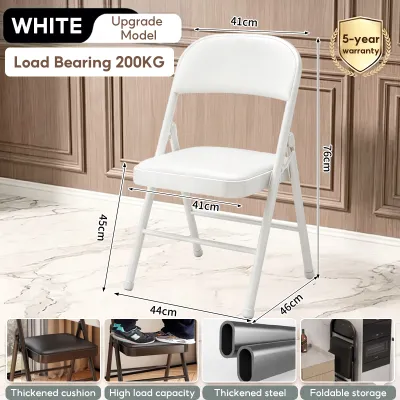
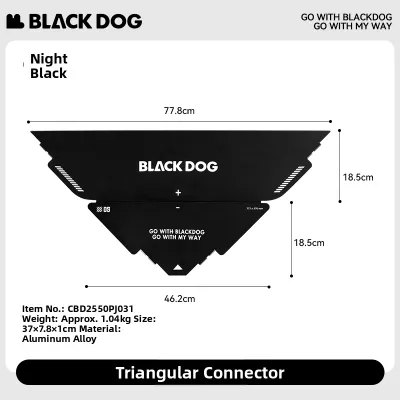
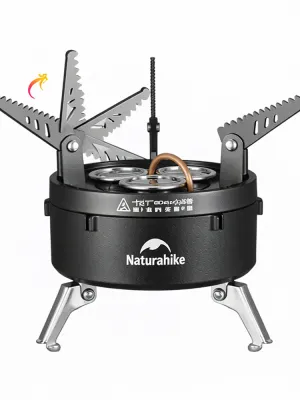
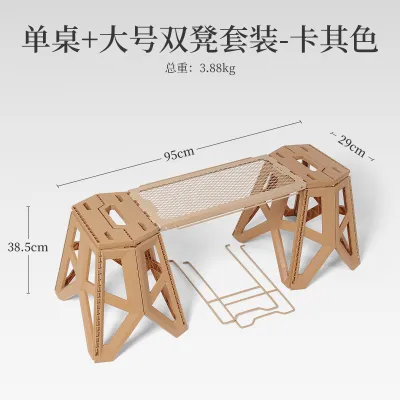
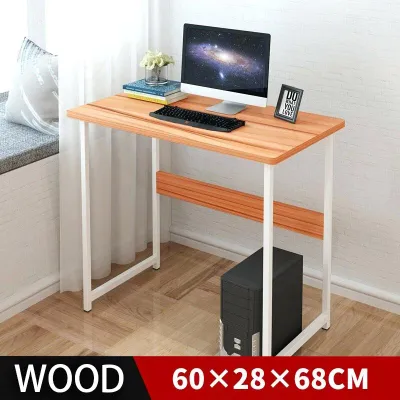
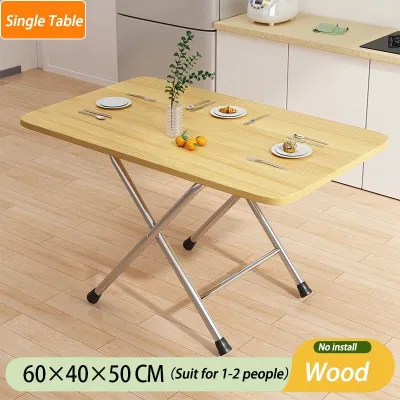
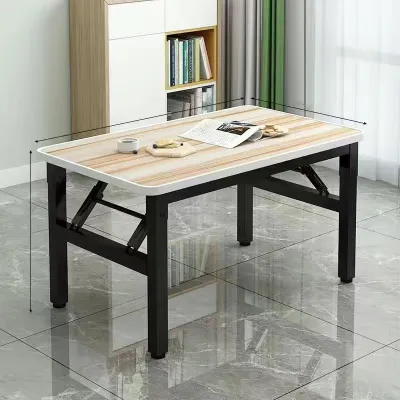
Prices are valid at publication and may change. Please refer to the product page for the latest price.
To protect your investment, you must know how to spot early signs of moisture damage. On metal frames, look for tiny orange spots, bubbling paint, or a rough texture around joints, which indicate early oxidation. On wooden or composite tabletops, watch for warping, hairline cracks in the finish, or a soft, spongy feel along the edges. Catching these signs early allows you to take corrective action before the table becomes unsafe to use.
Evaluating Common Folding Table Materials for Wet Conditions
Choosing the right folding table requires looking past generic material names and examining the exact specifications provided by the manufacturer. A table labeled simply as “wooden” or “metal” does not tell you how it will perform when subjected to weeks of continuous rain and high humidity. Instead, you must evaluate the surface treatments, material grades, and assembly methods used to construct the table.

When comparing materials, you must balance weight, portability, and long-term durability. Lightweight tables are easy to carry and store, but they may lack the structural heft needed to withstand strong winds during tropical storms. Conversely, heavy-duty tables offer excellent stability but can be difficult to move and store. Whether you are investing in a premium ₱4,000 aluminum model or a budget-friendly plastic option, you must evaluate these trade-offs based on your specific storage space and usage needs.
Always verify the material specifications through the product documentation or manufacturer labels. Look for details regarding the thickness of protective coatings, the type of sealants used on joints, and whether the hardware is rated for outdoor use. If a manufacturer does not provide these details, it is best to assume the table requires extra care and protection from the elements.
Metal Frames and Rust Prevention
The frame is the backbone of any folding table, and keeping it free from rust is essential for maintaining its load capacity and stability. When evaluating metal frames, look for specific terms like “powder-coated steel,” “galvanized steel,” or “anodized aluminum” on the product label. Powder coating involves applying a dry powder that is cured under heat to create a thick, protective barrier that is much more durable than standard liquid paint. Galvanized steel has been coated with a layer of zinc to prevent rust, while anodized aluminum features an increased natural oxide layer that resists corrosion even when scratched.
Inspect the physical construction of the frame. High-quality folding tables feature sealed tubing and capped ends, usually made of durable plastic or rubber. These caps prevent rainwater from entering the hollow metal legs, where it can pool and cause internal rust that is impossible to see until the frame fails. Welded joints should be smooth and fully sealed, with no gaps or pinholes that could allow moisture to penetrate.
Be on the lookout for warning signs of inadequate weatherproofing during your inspection. Avoid tables with thin, uneven paint, exposed raw metal at the pivot points, or loose rivets that rattle. These manufacturing flaws create immediate entry points for moisture, leading to rapid rust and mechanical failure during the wet season.
Tabletop Materials and Water Resistance
The tabletop is directly exposed to falling rain, making its water resistance a primary concern. If you prefer the natural look of wood or bamboo, you must verify that the surface has been treated with a high-quality, moisture-resistant sealant or marine-grade varnish. Untreated wood and bamboo absorb moisture rapidly in humid environments, leading to warping, cracking, and mold growth that can ruin the table within a single season.
For maximum water resistance, non-porous synthetic surfaces like high-density polyethylene (HDPE) or ABS plastic are highly recommended. These materials do not absorb water, swell, or rot, making them ideal for wet conditions. However, if you choose a composite or laminate tabletop, pay close attention to the quality of the edge-banding. The edges must be completely sealed with a high-temperature adhesive to prevent water from seeping into the inner core, which can cause the material to swell and delaminate.
Additionally, look for tabletops with textured finishes or built-in drainage grooves. Flat, perfectly smooth surfaces allow water to pool, which increases the risk of moisture penetration over time. A textured surface helps disperse water, while subtle drainage channels allow rainwater to run off the edges naturally, keeping the surface dry and reducing the risk of mold.
Key Design Features That Improve Weather Resistance
Beyond materials, the physical design of a folding table plays a critical role in how well it survives the rainy season. The folding mechanisms and hinges should be constructed from rust-resistant hardware, such as stainless steel or brass, or be designed with protective covers that shield the moving parts from direct rain. Mechanisms that lock securely without relying on tight, moisture-trapping metal-on-metal friction will last much longer in humid conditions.
Another essential feature to look for is adjustable, non-slip feet. These feet allow you to level the table on uneven outdoor surfaces, but more importantly, they keep the metal frame elevated off wet ground, puddles, or damp concrete. This elevation prevents water from wicking up the legs and entering the frame through the bottom.
Finally, assess the overall stability and weight distribution of the table. During the rainy season, sudden gusts of wind and heavy downpours are common. A table with a wide leg base, secure locking rings, and a reasonable weight will remain stable and safe to use, reducing the risk of tipping over and causing damage or injury. Always check the manufacturer’s specified load capacity to ensure the table can safely support your intended items even when wet.
Maintenance and Storage Practices for the Rainy Season
Proper maintenance and storage are just as important as choosing the right materials. To extend the lifespan of your folding table, establish a regular cleaning routine. Use a soft cloth, warm water, and a mild dish soap to remove mud, dirt, and organic debris after outdoor use. Avoid using abrasive scrubbing pads, steel wool, or harsh chemical cleaners, as these can scratch the protective powder coating or strip away wood sealants, leaving the material vulnerable to rust and moisture.
After cleaning, or after the table has been exposed to rain, thorough drying is essential. Wipe down the entire table with a clean, dry towel, paying close attention to the hinges, folding joints, and the underside of the tabletop where water tends to collect. Never fold and store a wet or damp table. Trapping moisture inside a folded table creates a highly humid microclimate that accelerates rust formation and encourages the growth of mold and mildew.
When the table is not in use, store it in a dry, well-ventilated indoor area, such as a garage, utility room, or covered patio. If indoor storage is not an option, invest in a high-quality, breathable, water-resistant furniture cover. Ensure the cover is securely fastened to the table legs so that wind cannot blow it away, and check periodically to make sure condensation is not building up underneath the cover.
Frequently Asked Questions (FAQ)
Can I leave a weather-resistant folding table outside during heavy rain?
Even if a folding table is labeled as weather-resistant or waterproof, it should not be left outdoors continuously during heavy rain. These labels indicate that the table can withstand temporary exposure to wet conditions, but prolonged contact with water can cause moisture to seep into joints, hinges, and unsealed edges. Over time, this continuous exposure will degrade protective coatings and lead to rust or structural damage. Always check the manufacturer’s warranty and care instructions, as many warranties do not cover damage resulting from continuous outdoor exposure.
How do I treat surface rust on a folding table's metal legs?
If you notice minor surface rust on the metal legs of your folding table, you can address it using gentle, reversible cleaning steps. Start by scrubbing the affected area gently with a soft-bristled brush and a paste made of baking soda and water, or a mild commercial rust remover. Once the rust is removed, rinse the area thoroughly with clean water and dry it completely with a towel. To prevent the rust from returning, apply a thin coat of rust-inhibiting touch-up paint or a clear protective spray designed for metal. However, if you find that rust has penetrated deeply into the metal, or if it compromises the structural joints, hinges, or load-bearing parts of the frame, stop using the table immediately and consult the manufacturer or a professional to determine if it is safe to repair.
Community discussion
Share your experience or ask a question. Comments are reviewed before publication.