
Finding the perfect balance between aesthetic appeal and physical comfort can be a challenge, especially when shopping for a white ergonomic office chair within a budget of ₱3,000 to ₱15,000. While a clean, minimalist white chair instantly elevates a home office, budget-conscious buyers must look beyond visual appeal to ensure their purchase supports long-term spinal health. In the Philippine market, navigating this price range requires a careful evaluation of material durability under tropical conditions, mechanical adjustability, and hidden shipping costs. By understanding what features to prioritize and how to verify product specifications, you can find a stylish chair that protects your posture without breaking the bank.
Setting Realistic Expectations for Your Budget Range
When shopping within the ₱3,000 to ₱15,000 price range, it is important to understand that build quality, adjustability, and material longevity will vary significantly. At the lower end of this spectrum, from ₱3,000 to ₱6,000, chairs typically feature fixed nylon frames, basic tilt-lock mechanisms, and single-density foam cushions. These entry-level models are suitable for light daily use, but they often lack the robust structural support needed for full-time remote work.
As your budget approaches the ₱6,000 to ₱15,000 range, you begin to unlock advanced ergonomic features. These mid-range options often include synchronized tilt mechanisms, adjustable seat depth, and multi-directional armrests. The materials also receive an upgrade, transitioning from basic plastics to reinforced nylon or aluminum bases, which significantly improves the chair’s overall stability and weight capacity.
Products mentioned in this guide
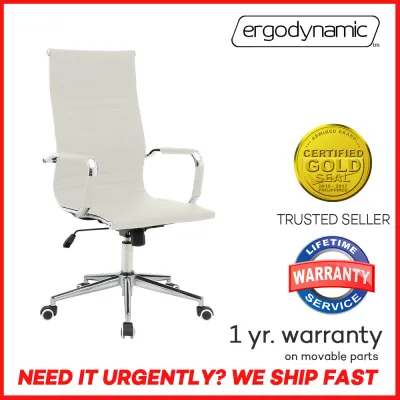
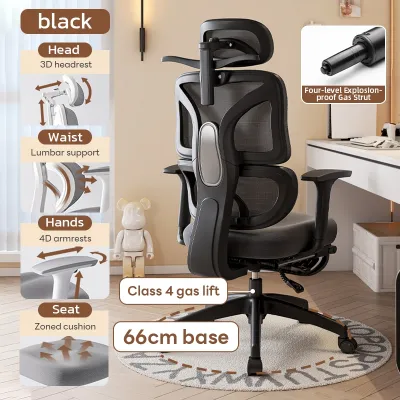
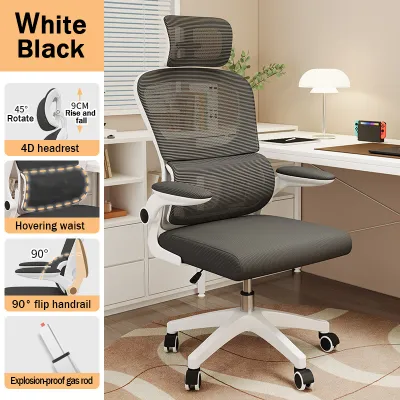
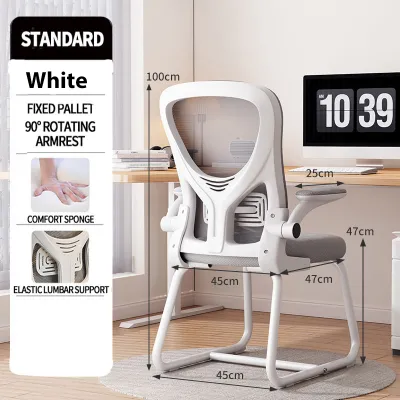
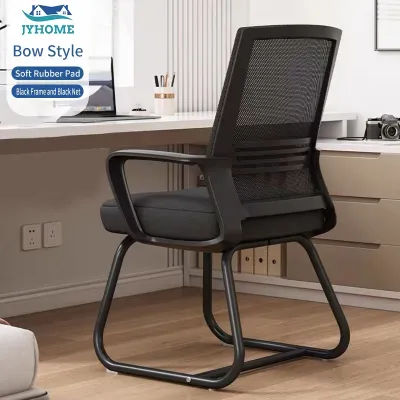
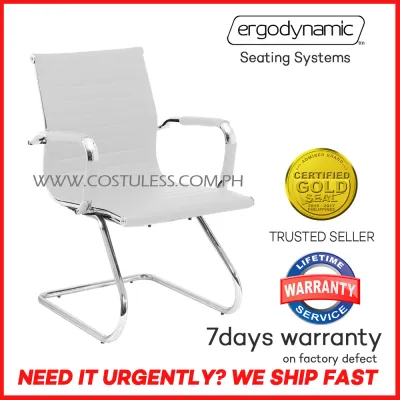
Prices are valid at publication and may change. Please refer to the product page for the latest price.
The choice of a white color scheme can also introduce specific trade-offs. White components require high-quality virgin plastics to prevent immediate discoloration, which often makes them slightly more expensive or less common than their black counterparts. Some manufacturers charge a premium for white frames and matching light-colored mesh, meaning you might pay more for the same functional features found on a cheaper black model.
At lower budget tiers, ergonomic claims often rely on fixed molded curves rather than fully adjustable, multi-dimensional support systems. If your budget is tight, it is wiser to prioritize your specific physical needs, such as a reliable gas lift and a seat height that matches your desk, rather than compromising on structural integrity for a chair that promises every premium feature at an unrealistically low price.
Core Ergonomic Adjustments You Should Not Compromise On
Regardless of where your budget falls within the ₱3,000 to ₱15,000 range, certain core ergonomic adjustments are non-negotiable for protecting your posture. Lumbar support is the most critical of these features. When browsing online listings, check the product specifications to see if the lumbar support is height-adjustable or depth-adjustable, rather than a fixed plastic curve that cannot adapt to your spine’s natural shape.

Seat dimensions and height adjustability are equally vital for maintaining proper leg circulation and desk clearance. A proper seat height range allows you to rest your feet flat on the floor, keeping your knees at a 90-degree angle. In the Philippines, standard desk heights are often fixed around 75 centimeters, making a highly adjustable gas lift crucial for shorter or taller users to work comfortably without straining their shoulders.
Armrest functionality is another key area where you should avoid compromising. Fixed armrests can prevent you from pulling your chair close to your desk, forcing you to lean forward and strain your neck and upper back. Look for at least 1D (height-adjustable) armrests so you can align them with your desk surface, or multi-dimensional armrests if your budget allows for lateral and depth adjustments.
Finally, evaluate the recline and tilt mechanisms of the chair. A good ergonomic chair should allow you to recline slightly to relieve spinal pressure throughout the day. Look for a tilt tension control knob, which lets you adjust the resistance of the backrest based on your body weight, along with a secure tilt lock to keep you stable when you find your preferred working angle.
Evaluating White Upholstery and Material Care
Choosing a white office chair requires a realistic assessment of how well different materials will resist staining, yellowing, and wear over time. White mesh is highly breathable, making it an excellent choice for the warm, humid Philippine climate. However, mesh is inherently porous, meaning it can easily trap dust, skin flakes, and pet hair, requiring regular vacuuming to maintain its clean appearance.
White PU leather offers a sleek, modern look and is initially very easy to wipe clean. However, synthetic leather is highly susceptible to peeling when exposed to sweat and high humidity, especially in rooms without continuous air conditioning. Over time, the moisture breaks down the polyurethane binders, causing the material to crack and flake away, which can ruin the chair’s aesthetic.
White fabric upholstery provides a soft, comfortable seat but requires immediate attention if spills occur. If you choose a fabric chair, look for manufacturer care instructions that specify stain-resistant treatments. Regardless of the material, white plastics and fabrics are sensitive to ultraviolet light, so position your chair away from direct sunlight to prevent the white components from turning a dull yellow over time.
To protect your investment and avoid voiding your warranty, always follow the manufacturer’s approved cleaning guidelines. Avoid using harsh chemical cleaners, bleach, or alcohol-based sprays, as these can degrade synthetic fibers and strip protective coatings from white plastics. Instead, use a mild soap and water solution applied with a soft microfiber cloth for routine maintenance.
Smart Shopping: Verifying Specs and Hidden Costs
Smart shopping requires looking past attractive product photos and carefully verifying the technical specifications of each chair. Always read and interpret the provided dimension diagrams to ensure the chair fits your body frame and your physical workspace. Pay close attention to the maximum weight capacity, aiming for a chair rated for at least 100 to 120 kilograms to ensure long-term structural durability.
The base materials and caster types are also critical for stability and floor protection. A heavy-duty nylon or steel base provides a solid foundation, while the casters should match your flooring type. Soft polyurethane or rubber-coated casters are ideal for tile or wooden floors to prevent scratching, whereas hard nylon casters are better suited for carpeted areas.
When purchasing bulky furniture online, hidden costs can quickly inflate your total spend. Shipping fees for heavy items can be substantial, particularly for deliveries outside Metro Manila. Additionally, check if the chair comes with the necessary assembly tools and clear instructions, or if you will need to purchase separate tools to complete the setup.
Finally, verify the seller’s warranty terms before finalizing your purchase. A reputable manufacturer should offer a clear warranty on moving parts, specifically the gas lift cylinder and the tilt mechanism. Ensure you understand the process for claiming a replacement part and whether you are responsible for the return shipping costs of defective components.
Red Flags and Quality Traps to Avoid
When shopping for budget office furniture, it is easy to fall for misleading marketing claims. Be skeptical of chairs labeled “ergonomic” that offer zero actual adjustments. A chair with a fixed backrest, fixed armrests, and a basic up-and-down gas lift is not truly ergonomic, regardless of how modern or stylish its white frame looks.
Another common quality trap is thin or low-density foam padding. Cheap chairs often use low-density sponge cushions that feel soft initially but bottom out within a few weeks of daily use, leaving you sitting on hard plastic or plywood. Look for specifications that explicitly mention high-density molded foam, which retains its shape and support over years of use.
Safety should always be a priority, especially regarding the gas lift cylinder. Look for safety markings and certifications such as BIFMA or SGS on the product listing. If these specifications are missing or unclear, stop and consult the seller before purchasing, and avoid any listing where critical dimensions, material compositions, or warranty details are not explicitly provided.
Frequently Asked Questions (FAQ)
Can I use a white mesh chair if I frequently wear dark denim?
Dye transfer, also known as crocking, is a common issue where indigo dye from dark denim rubs off onto light-colored mesh or fabric. Because mesh is porous, these blue or gray stains can be incredibly difficult to remove once they set into the fibers. If you frequently wear dark denim, you should check the manufacturer’s warnings regarding dye transfer. To prevent staining, consider placing a light-colored seat cushion or towel over the seat, or opt for a chair with a gray or black seat cushion paired with a white frame.
Is a white PU leather chair prone to peeling in humid climates?
Yes, high humidity and temperature fluctuations in the Philippines can accelerate the breakdown of polyurethane (PU) leather through hydrolysis. Moisture from the air and sweat from your body weaken the chemical bonds in the material, causing it to crack and peel over time. To maximize the lifespan of a white PU chair, it is best to use it in an air-conditioned room, wipe away sweat immediately with a dry microfiber cloth, and avoid using harsh chemical cleaners that can strip the protective topcoat.
Community discussion
Share your experience or ask a question. Comments are reviewed before publication.