
Maximizing a limited floor plan is the primary challenge when furnishing a modern condominium in the Philippines. With bedroom sizes in urban centers often restricted to compact dimensions, traditional wardrobes can quickly overwhelm the physical space. A wooden bed with storage offers an efficient solution by transforming the underutilized footprint beneath your mattress into a functional closet alternative. However, finding the right model requires looking beyond aesthetics to evaluate mechanical configurations, material durability under tropical conditions, and the logistical realities of high-rise living. Selecting the ideal storage bed involves analyzing how you interact with your bedroom layout daily, balancing storage volume with the physical clearance needed to access those compartments.
Assessing Your Condo Bedroom Space and Layout
Before browsing online marketplaces or visiting showrooms, you must establish a precise map of your bedroom’s physical boundaries. Condo bedrooms in major Philippine metropolitan areas frequently feature tight corners, structural columns, and low window sills that restrict where a bed can be placed. Measure the total length and width of the room, noting the location of electrical outlets, light switches, air conditioning units, and door swings. A common mistake is purchasing a bed frame that fits the room on paper but blocks essential pathways or prevents wardrobe doors from opening fully.
To maintain a comfortable bedroom, aim for a minimum walkway clearance of 60 centimeters around all active sides of the bed. This clearance ensures you can walk naturally and allows enough space to change bed linens comfortably. If your layout forces the bed against a wall, you only need clearance on one side and the foot of the bed, but this limits your access to certain storage designs. Calculate the trade-off between floor space clearance and the volume of items you need to store; a taller bed frame offers deeper storage but can make a small room feel visually crowded.
Products mentioned in this guide
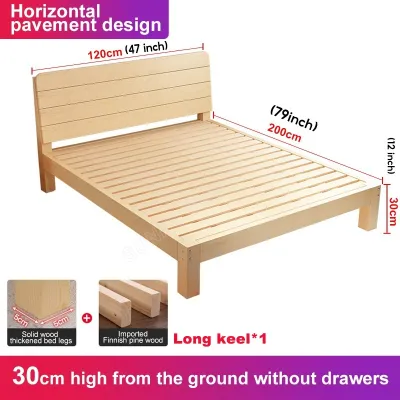
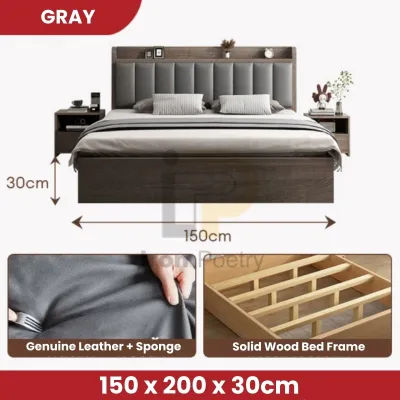
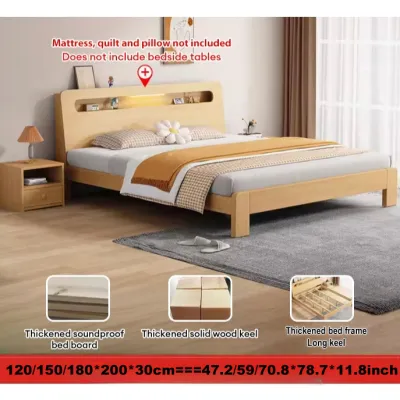
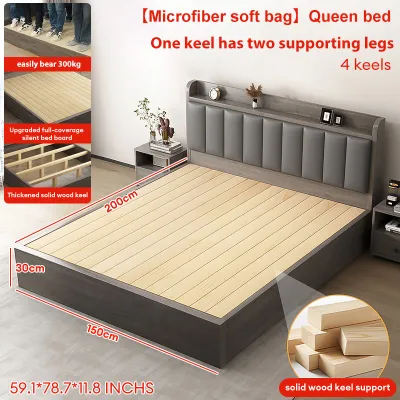
Prices are valid at publication and may change. Please refer to the product page for the latest price.
Furthermore, measure the path from the building’s unloading bay to your bedroom door. Many condo dwellers face the frustrating realization that a fully assembled headboard or a solid bed base cannot fit inside the residential elevator or navigate tight stairwell corners. Measure the height, width, and diagonal clearance of all doorways, corridors, and elevator interiors. If your building has strict cargo elevator limits, prioritize flat-pack wooden frames that can be assembled directly inside your bedroom.
Comparing Wooden Storage Bed Mechanisms for Small Spaces
Wooden storage beds generally utilize two primary mechanisms to access the space beneath the mattress: pull-out drawers or hydraulic lift-up platforms. Choosing between these two systems depends entirely on your room’s layout, the proximity of adjacent furniture, and how frequently you plan to retrieve stored items. While both mechanisms successfully eliminate dead space, they demand completely different physical clearances and user effort to operate.

Drawer-Based Storage Configurations
Drawer-based wooden beds feature built-in compartments that slide out from the sides or the footboard of the frame. This design is highly practical for organizing everyday items such as clothing, extra bedsheets, and personal accessories, as it allows you to access specific sections without disturbing the mattress or the bedding. However, drawers require significant lateral clearance to extend fully. You must measure the exact depth of the drawers when fully open—typically requiring an additional 50 to 70 centimeters of clear floor space beyond the edge of the bed frame.
In a highly restricted condo bedroom, adjacent furniture can easily render side drawers useless. For example, placing a bedside table next to the head of the bed will often block the drawer closest to the wall from opening. To circumvent this issue, some manufacturers offer offset drawer configurations or footboard-only drawers. Footboard drawers are excellent for narrow rooms where the sides of the bed are flush against walls, provided there is sufficient clearance at the foot of the bed. When evaluating drawer-based options, inspect the drawer glides to ensure they slide smoothly without scraping your flooring, especially if you have delicate laminate or vinyl planks.
Hydraulic Lift-Up Mechanisms
Hydraulic lift-up beds, also known as gas-lift beds, utilize pressurized gas struts to lift the entire mattress platform, revealing a massive, undivided storage compartment underneath. This mechanism is the ultimate space-saver for extremely tight bedrooms because it requires zero lateral clearance to operate. You can place the bed directly against walls or right next to other furniture pieces without restricting your access to the storage area. This design is ideal for storing bulky, seasonal, or infrequently used items such as luggage, extra pillows, heavy comforters, and holiday decorations.
However, lift-up beds require careful verification of vertical clearance and ceiling height. You must ensure that when the mattress is fully raised, it does not strike low-hanging ceiling fans, light fixtures, wall-mounted air conditioners, or decorative shelving. Additionally, operating a lift-up bed requires a degree of physical effort, as you must overcome the initial resistance of the gas struts, even though the hydraulics do most of the heavy lifting. It is also critical to verify the weight rating of the hydraulic struts; if you use a mattress that is heavier than the struts are rated to support, the platform may not stay open safely, posing a risk of sudden closure.
Evaluating Wood Materials, Finishes, and Structural Integrity
The tropical climate of the Philippines presents unique challenges for wooden furniture, particularly regarding humidity, temperature fluctuations, and wood-boring insects. When selecting a wooden bed with storage, you must carefully evaluate the type of wood used, the quality of the protective finish, and the strength of the structural joints. Relying solely on a generic “wooden” label can lead to premature sagging, warping, or structural failure.
Solid wood, such as sustainably sourced local hardwoods or imported pine, offers exceptional strength and longevity, making it highly suitable for load-bearing frames and heavy storage boxes. However, solid wood is susceptible to expanding and contracting with seasonal humidity changes. Engineered wood, including Medium-Density Fiberboard (MDF) and particleboard, is a common and budget-friendly alternative found in many flat-pack designs. While engineered wood provides a uniform surface and is less prone to warping, standard grades can swell and disintegrate if exposed to high humidity or water spills. If choosing engineered wood, verify that it is rated as moisture-resistant and features high-quality edge banding to seal out damp air. Plywood is another excellent option, offering a strong, stable, and lightweight alternative for internal storage dividers and slat bases.
The surface treatment of the bed frame is your primary defense against moisture and wear. Inspect the finish to ensure it is completely sealed with a high-quality polyurethane, lacquer, or protective laminate. A proper seal prevents humid air from penetrating the wood fibers, reducing the risk of mold growth and wood rot. Run your hand along the edges and corners to check for consistent coverage; unsealed edges on the underside or inside of the storage compartments are common entry points for moisture.
Structural integrity is especially critical for storage beds because they bear the combined weight of the mattress, sleepers, and stored items, while also enduring the mechanical stress of opening drawers or lifting platforms. Examine the joint construction of the frame. High-quality wooden beds utilize robust joinery such as mortise-and-tenon joints, dovetail drawer construction, or heavy-duty steel corner brackets. Avoid frames that rely entirely on simple wood screws driven directly into engineered wood, as these connections tend to strip and loosen over time, leading to structural instability and annoying squeaks whenever you move.
Navigating Condo Delivery, Assembly, and Building Rules
Purchasing a wooden storage bed is only half the battle; getting it successfully delivered and assembled inside your condo unit requires careful planning and adherence to building regulations. Most condominium developments in the Philippines are governed by strict property management offices (PMOs) that regulate deliveries, renovations, and noise levels. Failing to coordinate with your PMO beforehand can result in delivery trucks being turned away at the gate or assembly work being halted mid-way.
Start by requesting the building’s delivery guidelines and scheduling a slot for your delivery. Many condos require residents to submit a formal gate pass and a move-in permit application at least a few days in advance. You will also need to verify if the delivery crew is required to submit work permits, identification cards, or proof of insurance. Ensure that the delivery is scheduled during the building’s permitted hours for noisy activities, which are typically restricted to weekdays between 9:00 AM and 5:00 PM. Attempting to assemble a bed frame on a weekend or late in the evening may result in complaints from neighbors and fines from the PMO.
During the delivery and assembly process, take active steps to protect your condo unit’s interior. Lay down thick cardboard, bubble wrap, or moving blankets along the entryway and bedroom floor to prevent heavy wooden panels and metal tools from scratching your tiles or denting your wood laminate. If the bed frame requires professional assembly, clarify with the retailer whether the assembly service is included in your purchase or if you need to hire an independent technician. For self-assembly flat-pack beds, ensure you have the necessary tools, such as a rubber mallet, a screwdriver set, and an Allen wrench, and carefully follow the manufacturer’s step-by-step instructions to avoid damaging the wooden components or stripping the pre-drilled holes.
Building Your Shortlist: Key Features to Verify Before Buying
To ensure you select a wooden storage bed that is safe, durable, and highly functional, compile a checklist of technical specifications to verify before making your final purchase. Whether you are shopping at a physical showroom or browsing online catalogs, look for explicit manufacturer labels and product specifications rather than relying on visual appeal alone.
First, verify the maximum weight capacity of both the sleeping platform and the individual storage compartments. A high-quality queen-size storage bed should comfortably support the combined weight of two adults and a heavy mattress, while the drawers or under-bed compartment should have clear weight limits to prevent the base from bowing. Next, closely inspect the hardware components. For drawer beds, look for full-extension, ball-bearing drawer glides made of steel, which ensure smooth operation even when the drawers are fully loaded. For lift-up beds, check that the gas struts are rated for the specific weight of your mattress and feature a safety locking mechanism to keep the platform securely open during use.
Additionally, pay close attention to the design of the mattress support base. Adequate ventilation is essential to prevent moisture from trapping between your mattress and the wooden platform, which can lead to mold and mildew. Look for frames that utilize a sturdy slatted base with spacing between the slats of no more than 7 centimeters, or solid panels that feature built-in ventilation holes. Finally, review the manufacturer’s warranty terms. A reliable warranty should cover structural wooden components for at least one to two years, with specific coverage for moving hardware like drawer glides and hydraulic struts, giving you peace of mind that your investment is protected against manufacturing defects.
Frequently Asked Questions (FAQ)
How do I prevent mold inside a wooden storage bed?
Preventing mold inside a wooden storage bed in the Philippines requires active moisture management due to the country’s high relative humidity. Always ensure that items are completely dry and clean before placing them in the storage compartments, as damp clothing or linens will quickly trap moisture and encourage mold growth. Place disposable dehumidifier tubs or silica gel moisture-absorber packets inside the drawers or under-bed compartment, and replace them regularly as they fill with water. Additionally, choose a bed frame with a slatted base to promote natural airflow, and make a habit of leaving the drawers open or keeping the lift-up platform raised for a few hours during dry, sunny days to thoroughly air out the storage space.
Can I use a memory foam mattress on a wooden storage bed?
Yes, you can use a memory foam mattress on a wooden storage bed, but you must verify that the bed’s support base meets the mattress manufacturer’s guidelines. Memory foam mattresses require a flat, rigid, and non-yielding surface to prevent sagging and maintain proper spinal support. If your storage bed features a slatted base, ensure the slats are wide and spaced no more than 7 centimeters apart; wider gaps can cause the foam to bulge downward, damaging the mattress structure over time. Furthermore, keep in mind that memory foam is significantly heavier than traditional innerspring mattresses. If you are using a hydraulic lift-up bed, verify that the gas struts are rated to lift the extra weight of the memory foam mattress, or you may find the platform difficult to open and keep raised.

Community discussion
Share your experience or ask a question. Comments are reviewed before publication.