
Finding an affordable cabinet for clothes under ₱5,000 in the Philippines requires balancing cost, space, and durability. In a tropical climate where high humidity and seasonal moisture are constant challenges, choosing the wrong budget wardrobe can lead to sagging shelves, mold growth, or structural failure within months. However, with a strategic approach to material selection, precise dimension checks, and a clear understanding of assembly requirements, you can secure a reliable storage solution that fits both your bedroom and your budget. This guide outlines how to navigate the budget market, evaluate structural integrity, and avoid hidden costs to make a smart, long-lasting purchase.
Setting Realistic Expectations for a ₱5,000 Wardrobe Budget
When shopping with a strict budget of ₱5,000, managing your expectations regarding size, materials, and features is the first step toward a successful purchase. At this price point, you will primarily find compact freestanding units rather than sprawling walk-in systems. Single-door cabinets or modest double-door wardrobes are the standard offerings, designed to accommodate a single person’s basic wardrobe or serve as supplementary storage in a shared room.
The materials available in this price range generally fall into three categories: engineered wood, heavy-duty plastic resin, and fabric-covered metal frames. Each material presents distinct trade-offs. Engineered wood offers a more traditional, solid furniture appearance but is highly sensitive to moisture if the protective laminate is compromised. Plastic resin cabinets resist water and pests exceptionally well, making them highly practical for tropical environments, though they may lack the aesthetic appeal of wood. Fabric wardrobes are highly affordable and portable, but they offer minimal structural rigidity and are prone to wear over time.
Products mentioned in this guide
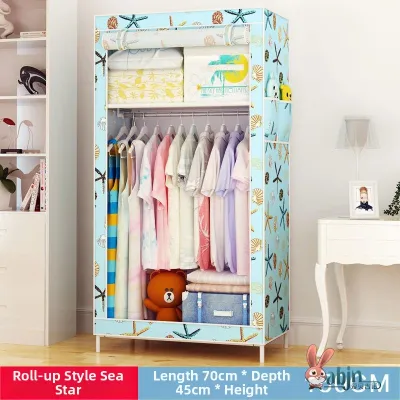
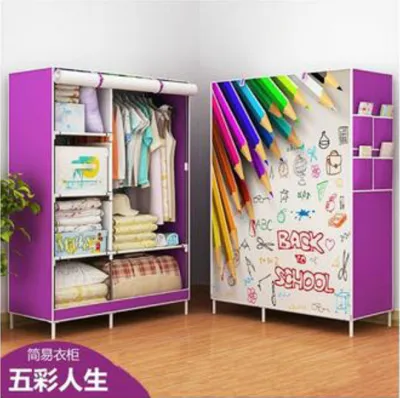
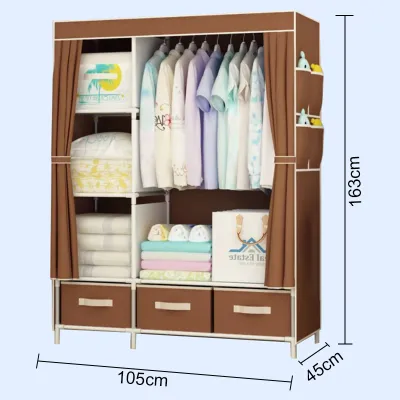
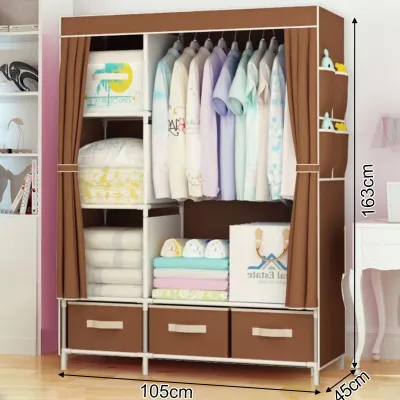
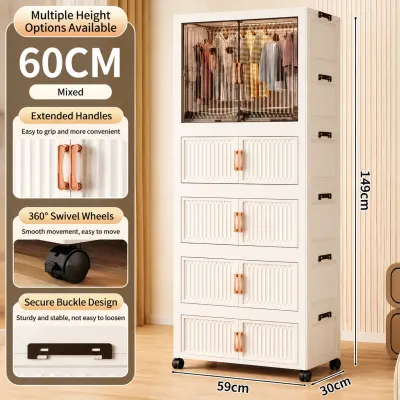
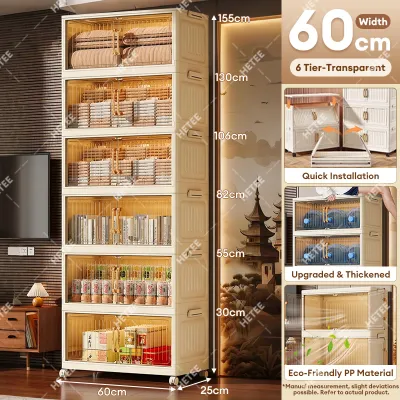
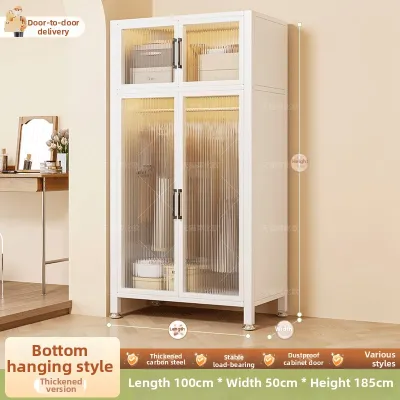
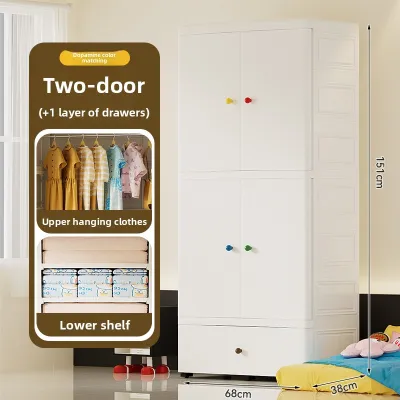
Prices are valid at publication and may change. Please refer to the product page for the latest price.
Understanding these trade-offs allows you to prioritize what matters most for your home. If you prioritize aesthetics, you may have to accept a smaller engineered wood unit with simpler internal configurations. If you prioritize sheer storage volume and moisture resistance, a multi-tier plastic cabinet might be the more practical choice, even if it looks less formal. Recognizing these limitations prevents disappointment and helps you focus on structural viability over superficial features.
Essential Space and Dimension Checks Before Purchasing
Before browsing online marketplaces or visiting local furniture warehouses, you must conduct thorough physical measurements of your space. A budget cabinet is only a bargain if it actually fits into your room without blocking essential pathways. Start by measuring the designated floor footprint, noting both the width and depth available. Do not forget to measure the ceiling height, as some tall, narrow wardrobes require significant vertical clearance during assembly, especially if they must be tilted upright.

Equally important is verifying the delivery path from your home’s entrance to the final bedroom destination. Measure the widths of all doorways, tight hallway corners, and staircase clearances. If you live in a multi-story condominium or apartment building, check the dimensions of the service elevator. Many affordable cabinets are delivered flat-packed, which makes transport easier, but you must still ensure the long, heavy boxes can navigate these tight spaces without damaging your walls or the product packaging.
Finally, account for operational clearance around the cabinet itself. Ensure there is sufficient room for cabinet doors to swing fully open and for drawers to extend completely without hitting your bed, desk, or other furniture. Additionally, leave a small gap of at least two to three centimeters between the back of the cabinet and the wall. This gap is crucial in tropical climates, as it promotes air circulation and helps prevent moisture from trapping against the wall, reducing the risk of mold growth on both your wall and the cabinet backing.
Evaluating Materials and Structural Stability on a Budget
Evaluating the build quality of a low-cost wardrobe requires looking past attractive product photos and focusing on structural details. When examining engineered wood options, pay close attention to the joint types and frame connections. Cam-lock fasteners and dowel joints are common in flat-pack furniture; ensure the assembly instructions indicate reinforced corners or back-panel brackets, which prevent the cabinet from swaying or leaning over time.
Moisture resistance is a critical factor for furniture longevity in humid regions. Instead of assuming an engineered wood cabinet will withstand the climate, inspect the surface treatments and edge banding. High-quality edge banding should be seamlessly applied to all exposed edges of the boards, leaving no raw wood composite exposed to the air. If the edges are poorly sealed, humidity will penetrate the core, causing the material to swell, warp, and lose its structural strength.
You must also identify common structural red flags before finalizing your purchase. Flimsy, ultra-thin back panels that are merely tacked on with small nails offer very little lateral support, making the cabinet prone to wobbling. Examine the hanging rod and its mounting brackets; plastic brackets or thin aluminum rods are highly susceptible to bending under the weight of standard clothing. Lastly, check the base design. A solid plinth base or reinforced, adjustable feet provide much better stability on uneven floors than thin, hollow plastic legs.
Navigating Hidden Costs, Delivery, and Assembly
The sticker price of an affordable cabinet for clothes can be highly deceptive if you do not account for logistical expenses. Shipping fees for bulky, heavy furniture items can quickly consume a significant portion of your ₱5,000 budget. When shopping online, always calculate the total cost including delivery to your specific region, as shipping rates to provinces outside major metropolitan areas can vary widely.
Assembly is another critical factor that influences the true cost of your wardrobe. Most budget cabinets under ₱5,000 are delivered flat-packed and require self-assembly. Before purchasing, verify what tools are required and whether they are included in the package. While basic hex keys are usually provided, you may need a screwdriver, a hammer, or even a power drill to complete the setup safely. If you are not comfortable with DIY assembly, you must factor in the cost of hiring a local handyman or paying for the seller’s professional assembly service, which can push you over your budget.
Lastly, protect your investment by thoroughly reviewing the seller’s return policies and warranty terms before checking out. Low-cost furniture is more vulnerable to transit damage, such as cracked panels or missing hardware. Ensure the retailer has a clear, straightforward process for reporting damaged goods and shipping replacement parts. A reliable seller should offer a reasonable window to claim replacements for parts damaged during delivery without charging you extra shipping fees.
Practical Strategies for Finding Reliable Budget Options
To find the best affordable cabinet for clothes within your budget, you need to employ smart search and comparison strategies. When browsing online marketplaces, use specific search filters to narrow down options by price, material, and dimensions. Do not rely solely on promotional images; instead, scroll down to the customer review section to look for real-life photos and videos uploaded by previous buyers. These reviews often reveal the true color, finish quality, and structural stability of the cabinet after assembly.
Another effective strategy is comparing modular or bundled storage deals against standalone units. Sometimes, purchasing two smaller, modular plastic drawer units or a combination of a simple clothes rack and a small cabinet can offer more organized storage space than a single, poorly constructed double-door wardrobe. This modular approach also makes the furniture much easier to rearrange, transport, or fit into tight room layouts if you move houses in the future.
Finally, timing your purchase can yield substantial savings without forcing you to compromise on quality. Major online shopping campaigns, end-of-season clearances, and holiday promotions often feature significant discounts, free shipping vouchers, or store coupons. If your storage needs are not urgent, pausing your purchase to wait for these verified sales events can allow you to buy a higher-quality cabinet that normally retails above ₱5,000, bringing it safely within your target budget.
Frequently Asked Questions (FAQ)
Can I safely hang heavy coats in a budget wardrobe?
Hanging heavy garments in an affordable cabinet requires careful weight management. Always check the manufacturer’s product specifications or assembly manual for the maximum load capacity of the hanging rod. If the rod is made of thin metal or supported by plastic brackets, it is best to avoid overloading it. To prevent the rod from bending or collapsing, distribute the weight evenly across the bar rather than clustering heavy items in the center. For exceptionally heavy winter coats or thick denim jackets, consider folding them on lower shelves or using a separate, heavy-duty freestanding clothes rack.
How do I prevent moisture damage in an engineered wood cabinet?
Protecting budget engineered wood from tropical humidity requires proactive maintenance. Position your cabinet away from damp exterior walls, leaving a small gap to allow continuous air circulation. Keep the room well-ventilated by opening windows or using a fan regularly. Inside the cabinet, place passive moisture-absorbing sachets or reusable dehumidifier tubs to capture excess humidity and protect your clothes from musty odors. Finally, wipe up any accidental liquid spills immediately with a dry cloth, and periodically inspect the edge banding for signs of peeling or wear.
Community discussion
Share your experience or ask a question. Comments are reviewed before publication.