
In the Philippines, finding a “duyan anti lamig” (anti-cold hammock) for your balcony or garden means looking for designs that actively block cool breezes—such as those from the Amihan season or late-night drafts—rather than the highly breathable, open-weave nylon nets common in tropical climates. A true anti-cold duyan features enclosed fabric walls, thick padded inserts, or integrated wind-blocking canopies that trap body heat. Before purchasing, your primary safety check must be verifying the manufacturer’s official weight limits and structural integrity, especially when planning a balcony installation. To begin, measure your available semi-outdoor space and determine whether your setup requires a freestanding steel stand or a secure ceiling mount.
Decoding "Anti-Cold" and Comfort Features
When searching for a duyan anti lamig, it is essential to look past generic marketing buzzwords and focus on concrete design elements that provide actual thermal protection. Traditional open-weave net hammocks are designed for maximum airflow, which is excellent for hot summer afternoons but leaves you exposed to shivering drafts when temperatures drop during rainy evenings or cooler months. In contrast, an anti-cold hanging chair or hammock utilizes solid, tightly woven fabrics or multi-layered structures. These designs act as a physical barrier against the wind, keeping your microclimate warm and comfortable.
The most effective comfort features to look for include thick, removable insulated cushions and high-back enclosed pod shapes. A high-back or nest-like design wraps around your body, creating a windbreak that shields your neck and shoulders from chilly gusts. Look for cushions filled with dense polyester fiberfill or quilted layers that do not easily compress under your weight, as compressed insulation loses its ability to trap warm air. Some models even feature double-layered fabric walls where you can slide in an extra blanket or thermal pad for added insulation.
Products mentioned in this guide
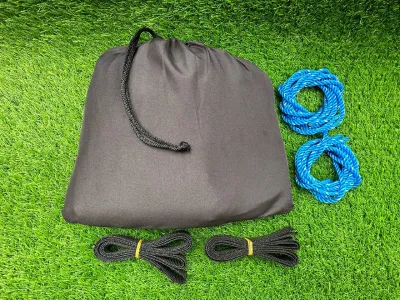
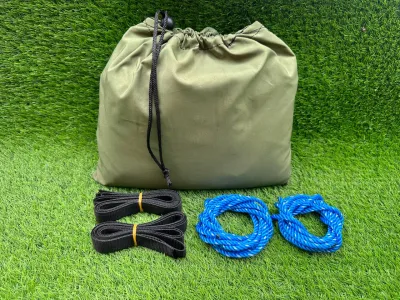
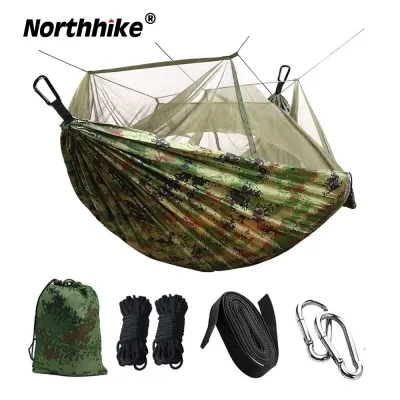
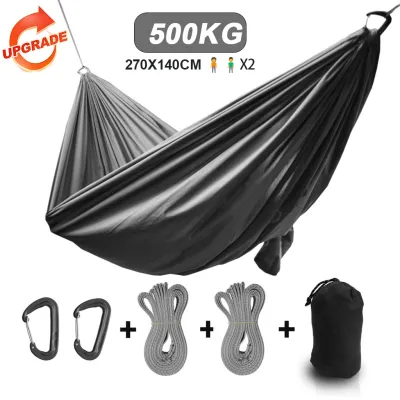
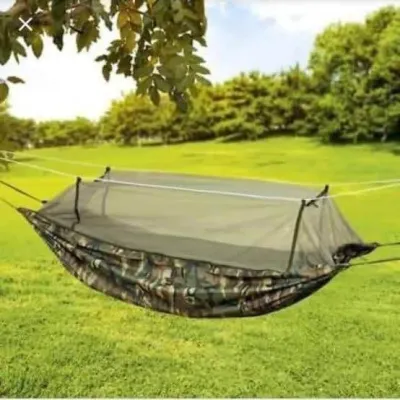
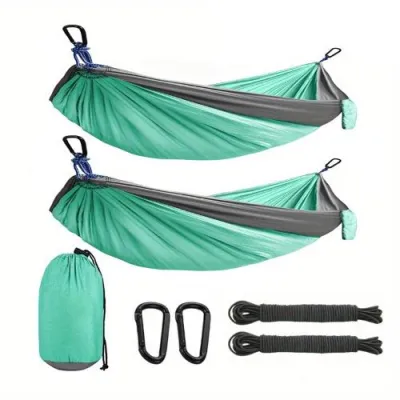
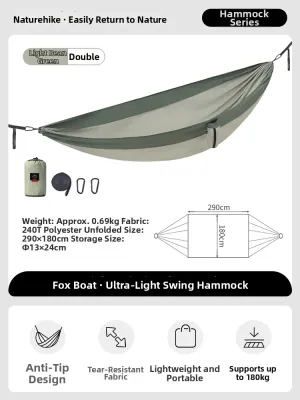
Prices are valid at publication and may change. Please refer to the product page for the latest price.
Because “anti-cold” is not a standardized technical rating, you must carefully evaluate product descriptions on online marketplaces. Look for specific mentions of fabric density (such as high-denier Oxford cloth or heavy-duty canvas) and wind-resistant properties. Always cross-reference these claims with recent buyer reviews. Look for feedback from customers who specifically mention using the duyan during breezy nights on high-rise balconies or cool mornings in garden patios to verify if the fabric truly blocks the wind and keeps the user warm.
Space, Weight Capacity, and Installation Checks
Installing a heavy, padded duyan in a semi-outdoor area like a balcony or garden requires precise physical planning to prevent structural damage or serious accidents. Begin by measuring your available clearance. You must account for the full swing radius of the hammock, ensuring there is at least a one-meter safety zone from balcony railings, glass doors, walls, and outdoor furniture. If you are using a freestanding stand, measure its base footprint carefully; many heavy-duty stands require a wide, stable base that can easily overwhelm a narrow condo balcony.

Next, locate and verify the manufacturer’s stated weight capacity. This figure must never be guessed or assumed. Keep in mind that the total load on your mounting points includes not just your body weight, but also the weight of the duyan itself, its heavy padded cushions, hanging chains, and any hardware. For safety, select a mounting system and hammock that offer a generous buffer above your actual requirements.
Your installation method depends entirely on your structural environment. For gardens, heavy-duty tree straps wrapped around mature, healthy tree trunks are a non-damaging and secure option. For balconies, you must choose between a freestanding frame and a ceiling mount. If you choose to mount the duyan to a ceiling, you must locate solid concrete beams or structural wooden joists. Never attach mounting hardware to false ceilings, gypsum boards, or decorative wooden panels, as they will fail immediately under load. If you are drilling into concrete or are unsure of your balcony’s structural integrity, always consult a professional structural engineer or your building administration before proceeding.
Material and Weather Resistance for Semi-Outdoor Areas
Semi-outdoor spaces in the Philippines expose your furniture to harsh environmental factors, including intense tropical humidity, indirect sunlight, and blowing rain. To ensure your duyan anti lamig lasts for years, you must establish a strict checklist for material durability. Inspect the product specifications for UV-treated fabrics. Untreated fabrics will degrade, fade, and weaken rapidly under solar exposure, posing a safety risk over time.
Hardware components require equal scrutiny. Look for rust-resistant materials such as powder-coated steel, stainless steel, or marine-grade carabiners and chains. The salty air in coastal regions or the constant humidity in urban areas will quickly corrode standard iron or untreated steel hardware, leading to structural failure. Additionally, prioritize water-repellent cushion covers. While the cushions themselves should not be left in the rain, water-repellent fabrics prevent morning dew and high humidity from seeping into the padding and causing internal rot.
Do not assume that a material name alone guarantees weather resistance. For example, while cotton canvas sounds durable, untreated cotton absorbs moisture rapidly and is highly prone to mold in tropical climates. Instead, look for synthetic blends like polyester-cotton or polyurethane-coated fabrics that offer both comfort and moisture resistance. Always rely strictly on the manufacturer’s care instructions and environmental ratings rather than generic material assumptions. Prioritize designs with removable, machine-washable cushion covers to make regular maintenance manageable.
Building Your Condition-Based Shortlist
To find the most suitable duyan anti lamig, you should build a shortlist tailored to your specific living conditions. If you live in a high-rise condominium with a covered balcony and limited ceiling height, a low-profile hanging chair with thick, integrated padding is a highly suitable option. These designs require less vertical clearance and have a smaller swing radius, making them highly manageable in confined spaces while still providing excellent wind protection.
Conversely, if you have an open garden patio or a spacious backyard, you should prioritize freestanding enclosed pods or nest-style hammocks equipped with dedicated weather covers. These models can be placed anywhere without structural drilling, and their enclosed, pod-like structures offer superior protection against shifting outdoor breezes.
Once you have identified a few suitable types, compare them using practical purchasing criteria. Check the seller’s return policies and warranty coverage specifically for outdoor or semi-outdoor use. Because padded hammocks and heavy steel stands are bulky, verify the shipping dimensions and calculated freight costs in ₱ before finalizing your order on any online marketplace to avoid unexpected delivery fees. Finally, read buyer feedback with a critical eye, focusing on reviews that describe how the materials hold up after several months of exposure to tropical humidity and wind.
Maintenance and Storage Guidelines
Proper maintenance and storage are vital to extending the lifespan of your padded duyan. Establish a routine of wiping down all metal hardware with a dry or slightly damp microfiber cloth to remove dust and salt residue. For the fabric parts, spot-clean spills immediately using a mild detergent and warm water, following the manufacturer’s label instructions. Avoid using harsh chemical cleaners or bleach, which can strip away UV-resistant and water-repellent coatings.
During heavy rain, tropical depressions, or the typhoon season, proactive storage is essential. Even if your duyan is under a balcony roof, blowing rain can saturate the thick cushions. Always bring the padded inserts and fabric components indoors to a dry, well-ventilated space. Storing damp cushions in closed, unventilated areas will inevitably lead to mold, mildew, and unpleasant odors that are incredibly difficult to remove.
Regularly inspect your setup for observable signs of wear and tear. Check the suspension ropes or straps for fraying, look for rust spots on carabiners and swivel hooks, and feel the cushion filling to see if it has become permanently compressed or lumpy. If you observe any structural degradation, replace the compromised components immediately or decommission the duyan to prevent accidents.
Frequently Asked Questions (FAQ)
Can I leave my padded duyan hammock outside during the rainy season?
No, you should not leave a padded duyan hammock fully exposed during the rainy season. The thick cushions and insulated layers are highly absorbent; constant exposure to rain and high tropical humidity will trap moisture inside the padding, leading to rapid mold and mildew growth. While you can leave a rust-resistant steel frame or stand outside if it is properly anchored, you must bring the cushions, fabric pod, and ropes indoors or store them in a completely dry, ventilated area when not in use. If the frame must remain outdoors, using a heavy-duty, waterproof furniture cover can provide an extra layer of protection against the elements.
What is the safest way to hang a heavy padded duyan on a balcony ceiling?
The safest way to hang a heavy padded duyan from a balcony ceiling is to anchor the mounting hardware directly into a solid concrete slab or a structural wooden joist. You must never attach hanging hooks to false ceilings, soffits, plasterboard, or decorative wooden panels, as these materials cannot support the dynamic weight of a swinging adult. Use heavy-duty expansion bolts or concrete anchors designed specifically for overhead loads. If you are unsure about the load-bearing capacity of your balcony ceiling or do not have experience drilling into concrete, always hire a qualified contractor or consult your building administration to ensure a safe and compliant installation.
Community discussion
Share your experience or ask a question. Comments are reviewed before publication.