
Finding a balance between elegant display and spatial freedom is the primary challenge when decorating a compact home. A cabinet for living room elegant designs must serve as a sophisticated focal point without crowding your daily movement. The key lies in choosing a piece that maximizes vertical space, utilizes light-reflective materials, and maintains a slim physical footprint.
By prioritizing structural transparency and smart proportions, you can showcase your favorite dinnerware, books, or collectibles while keeping the room feeling open and breezy. Achieving this balance requires careful planning, precise measurements, and an eye for visual weight.
Assessing Your Living Room Space and Clearances
Before browsing online marketplaces or visiting local showrooms, you must establish the exact physical boundaries of your living room. Begin by measuring the floor footprint of the designated area using a reliable metal tape measure. Note the maximum width and depth the cabinet can occupy without protruding into active zones.
Products mentioned in this guide
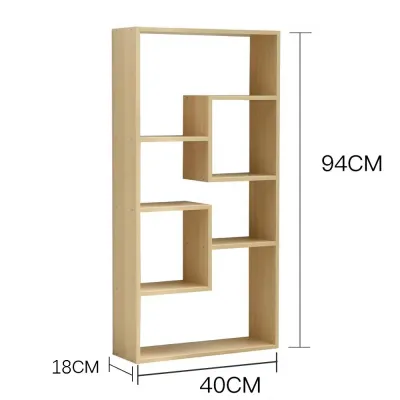
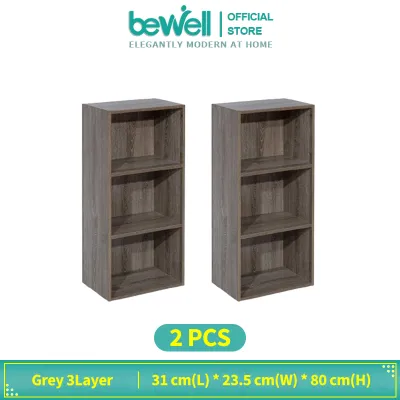
Prices are valid at publication and may change. Please refer to the product page for the latest price.
Ceiling height is equally critical, especially when opting for tall, vertical cabinets. Measure from the floor to the lowest point of your ceiling, taking into account any low-hanging beams, cornices, or light fixtures that might obstruct a tall unit. Write these dimensions down and keep them on hand during your search.
Next, map out the necessary clearances for daily traffic and furniture operation. A display cabinet should never block pathways; aim to preserve at least 60 to 90 centimeters of walking space in front of the unit. If the cabinet features swinging glass doors or pull-out drawers, measure their full extension to ensure they do not collide with coffee tables, sofas, or adjacent room doors.
Finally, plan the delivery route from the curb to your living room. Measure the height and width of your front door, hallway corners, stairwells, and elevator cabins. Many homeowners purchase beautiful, fully assembled cabinets only to find they cannot clear the tight turns of a condominium stairwell or fit inside a standard elevator lift. Keep in mind that professional delivery and assembly services in the Philippines may add a fee of ₱500 to ₱2,000 to your overall budget, but they help ensure the unit is transported and built safely.
Selecting Proportions and Footprints for Compact Areas
In a small living room, floor space is at a premium, making vertical storage profiles a highly practical choice. A tall, narrow cabinet draws the eye upward, emphasizing the height of the room rather than its limited floor area. This vertical orientation provides ample display shelves while occupying a fraction of the floor space required by a wide, low console.

Cabinet depth is a crucial factor that directly impacts how spacious your living room feels. For compact areas, look for cabinets with a shallow depth, ideally between 30 and 40 centimeters. This slim profile keeps the unit flush against the wall, preventing it from feeling like a bulky obstacle in your main living zone.
Understanding visual weight will help you select a cabinet that harmonizes with your existing furniture. Visual weight refers to how heavy an object appears to the eye, regardless of its actual physical weight. A solid, dark-toned wooden cabinet with thick frames looks heavy and can dominate a small room, making it feel cramped.
Conversely, a cabinet with a slender frame, light wood tones, or metallic accents carries less visual weight. It allows the eye to travel through and around the piece, creating a sense of continuity. When balancing your cabinet against a plush sofa or a heavy coffee table, choose a design that offers a lighter, more delicate silhouette to maintain a balanced atmosphere.
Design Features That Create an Elegant, Airy Feel
Specific design elements can transform a functional storage unit into an elegant, space-enhancing feature. Glass doors are effective for this purpose, as they protect your items from dust while allowing light to pass through. The transparency of glass prevents the cabinet from acting as a solid visual barrier, helping to make the room feel larger.
Incorporating open shelving or a mirrored back panel further enhances this sense of depth. A mirrored back reflects both natural and artificial light, brightening dark corners and creating the illusion of an extended room. This reflective quality adds a touch of classic elegance, making your displayed items stand out with subtle sparkle.
The base of the cabinet plays a significant role in how it affects the perception of space. Opt for a leggy or raised base that lifts the main body of the cabinet off the floor. Exposing the floor underneath the furniture helps the brain perceive more open space, which contributes to a lighter, less grounded appearance.
Additionally, look for slim profiles, minimal hardware, and light or reflective surface finishes. Frameless glass doors or cabinets with thin metal frames offer a clean, contemporary look. Choosing light wood finishes, such as ash, oak, or painted cream, reflects more ambient light than dark mahogany, helping to keep your small living room bright and inviting.
Evaluating Storage, Display, and Structural Stability
While aesthetics are important, an elegant display cabinet must also perform reliably under daily use. Look for units that feature adjustable shelving, which allows you to customize the height of each compartment. This flexibility ensures you can display tall vases, medium-sized books, and small decorative items without wasting valuable vertical space.
Before purchasing, verify the manufacturer’s specified weight capacity for each shelf. Overloading glass or thin wooden shelves can lead to bowing, cracking, or sudden structural failure. Ensure the items you plan to display fall safely within the recommended weight limits to maintain both elegance and safety.
In a compact, high-traffic living room, structural stability is paramount to prevent tipping hazards. Tall, narrow cabinets are inherently top-heavy, especially when loaded with glassware or heavy books. Secure the cabinet to the wall using high-quality wall-anchoring brackets and straps, following the manufacturer’s precise installation instructions.
Consider the local climate and material care requirements when making your choice. In tropical environments with high humidity, solid wood can expand and contract, while untreated metal frames may be prone to rust. Check that wooden surfaces are sealed with a moisture-resistant finish, and inspect metal components for protective coatings. Regular dusting and using appropriate glass cleaners will keep your cabinet looking pristine and elegant for years to come.
Frequently Asked Questions (FAQ)
Can I place a display cabinet in front of a window?
Placing a display cabinet directly in front of a window is generally not recommended because it blocks natural light, making a small living room feel darker and more confined. Additionally, direct sunlight can cause heat and UV damage to your displayed items, fading book spines, discoloring delicate collectibles, or warping wooden frames. If you must place it near a window, opt for an open-back shelving unit or a low-profile cabinet that allows light to filter through, and use UV-filtering window films to protect your belongings.
How do I style the shelves to avoid a cluttered look?
To maintain an elegant and spacious feel, embrace the concept of negative space by leaving about 30 to 40 percent of each shelf empty. Group your items by scale, using the rule of threes to create visually appealing clusters of varying heights. Coordinate colors to keep the display cohesive, and avoid packing shelves tightly with small knick-knacks. Mixing books horizontally and vertically, and combining them with glass or metallic decorative pieces, adds texture and depth without overwhelming the eye.
Community discussion
Share your experience or ask a question. Comments are reviewed before publication.