
Finding the perfect Spider-Man chair for your child’s study desk setup requires balancing their excitement for their favorite web-slinger with the physical demands of long study sessions. While character-themed furniture brings immediate joy, a standard novelty chair often lacks the structural support growing bodies need. The ideal approach is to prioritize ergonomic adjustability first, then integrate the iconic red-and-blue aesthetic through smart, safe customization. This ensures your child stays comfortable, focused, and properly supported throughout the school year.
Key Ergonomic Features to Look for in a Kids' Study Chair
Children spend hours sitting at their desks reading, writing, and attending online classes, making proper physical support essential. A high-quality study chair must adapt to their growing bodies to prevent fatigue and discomfort. The most critical feature to look for is adjustable seat height. The seat height must allow the child’s feet to rest completely flat on the floor while keeping their thighs parallel to the ground. This position distributes body weight evenly across the seat pan and reduces pressure on the lower back.
Seat depth adjustability is equally important for maintaining healthy blood circulation. A seat that is too deep will press against the back of the child’s knees, restricting blood flow and forcing them to slouch forward to find support. Conversely, a seat that is too shallow does not provide enough thigh support, leading to instability. Look for a chair that allows you to adjust the seat pan forward or backward, leaving a small gap of about two to three fingers wide between the edge of the seat and the back of the knees.
Products mentioned in this guide
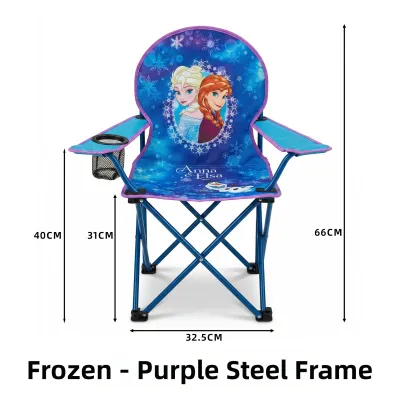
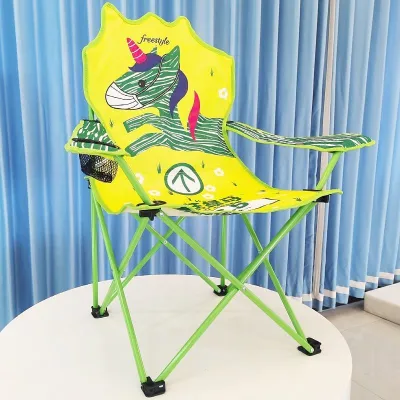
Prices are valid at publication and may change. Please refer to the product page for the latest price.
Children’s spines are still developing, making proper lumbar support essential for maintaining the natural curve of the back. The backrest should feature a dedicated lumbar curve that fits snugly into the lower back. Adjustable backrest angles allow the child to transition comfortably between active writing tasks, which require a more upright posture, and reading or listening tasks, which benefit from a slight recline. This flexibility prevents muscle strain and encourages dynamic sitting throughout the day.
Adjustable armrests are another critical feature for supporting the upper body and reducing strain on the shoulders and neck. They should be set at a height where the child’s elbows can rest comfortably at a 90-degree angle while their shoulders remain relaxed. If the armrests are too high, they force the shoulders to shrug; if they are too low, the child will lean to one side, misaligning the spine. Look for armrests that can be adjusted in height, and ideally, pivoted inward to support smaller frames during typing or writing.
In many home setups, the study desk is at a fixed standard height designed for adults. If you adjust the chair upward so the child can comfortably reach the desk surface, their feet may dangle in the air. This dangling causes strain on the thighs and lower back, leading to restlessness and poor posture. A sturdy, adjustable footrest—either integrated into the chair frame or placed on the floor—is necessary to provide a solid foundation where the feet can rest flat at a comfortable knee angle.
Navigating Spider-Man Themed Options: Official vs. Custom Solutions
Many pre-made character chairs available in retail stores are designed primarily as novelty items rather than ergonomic workhorses. These often feature basic plastic frames, fixed upright backrests, or simple folding mechanisms. While they display vibrant Spider-Man graphics, they rarely offer the adjustability needed for hours of homework or study. Using these basic designs for extended periods can lead to discomfort and poor posture habits, which can affect your child’s focus and physical development.

To get the best of both worlds, parents can select a high-quality, fully adjustable ergonomic kids’ chair in a matching color scheme, such as vibrant red, deep blue, or sleek black, and customize it. This approach ensures the child receives excellent physical support while still enjoying their favorite superhero theme. You can easily find licensed Spider-Man seat covers, slipcovers, or specialized lumbar cushions designed to fit standard chair dimensions on popular online marketplaces.
Removable slipcovers are particularly practical because they can be easily taken off for washing, which is a crucial feature for maintaining hygiene in busy kids’ rooms. Additionally, adding a themed plush throw blanket over the backrest or using a Spider-Man lumbar support cushion can instantly transform a standard ergonomic chair into a superhero command center without compromising the underlying mechanical adjustments. This allows the chair to grow with your child’s changing tastes over time.
Choosing a base chair in Spider-Man’s signature colors—such as a vibrant red frame with a deep blue mesh backrest—creates a strong thematic foundation even before adding any accessories. This allows you to achieve a cohesive look that feels custom-made, while retaining all the high-end ergonomic adjustments of a premium study chair. It also offers flexibility; if your child’s interests shift in the future, you can easily swap out the themed accessories without needing to purchase an entirely new chair.
If you prefer not to cover the chair’s fabric, you can apply high-quality, removable vinyl decals to the hard plastic parts of the chair, such as the back outer shell or the five-star base. This allows you to add web patterns or character emblems safely without altering the chair’s structural integrity. Pairing the clean, ergonomic chair with a large Spider-Man desk mat also helps tie the entire study corner theme together visually without compromising on physical comfort.
Sizing and Desk Compatibility Checks
Before purchasing any chair, you must measure your child’s physical dimensions to ensure a proper fit. Have your child sit on a flat surface with their knees bent at a 90-degree angle and feet flat. Measure the distance from the floor to the back of their knee to determine their popliteal height. The chair’s minimum seat height adjustment must be equal to or lower than this measurement to ensure their feet can rest flat without assistance.
Next, measure the height from the floor to the underside of the study desk, taking into account any drawers, keyboard trays, or support beams. The chair’s armrests and seat pan must be able to slide completely under the desk when not in use. If the armrests collide with the desk edge, the child will be forced to sit too far back, causing them to lean forward and strain their neck and shoulders to reach their books or keyboard.
Ensure the depth of the desk allows the chair to glide in close enough for the child to work comfortably. If the study corner is compact, a chair with a massive footprint or oversized armrests might prevent the child from pulling up close to the desk surface. Check that the chair’s overall depth matches the available legroom under the desk, leaving enough space for the child to move their legs freely without hitting any desk supports.
The relationship between chair height and eye level relative to study materials or a computer screen is also vital. If the chair is adjusted too low, the child must look up constantly, straining their neck muscles. If it is too high, they will hunch over their books or keyboard. The ideal setup positions the top of a computer screen or a reading stand at or slightly below eye level, which is directly influenced by how the chair’s height interacts with the desk surface.
Measure the designated study corner floor space to ensure the chair’s five-star base can rotate and glide without hitting nearby walls, beds, or cabinets. A cramped space can lead to accidental bumps and damage to both the furniture and the room. Ensure there is a clear path of at least several centimeters around the chair’s maximum swivel radius to allow safe entry and exit from the desk setup, keeping the study area organized and safe.
Safety, Stability, and Material Considerations
Always verify the manufacturer’s specified weight capacity and recommended age range before buying. Children grow rapidly, so selecting a chair with a generous weight limit ensures it remains safe and stable for several school years. Avoid chairs that only accommodate their current weight with little room to spare, as overloading can compromise the gas lift cylinder or structural joints over time. Checking these specifications helps you make a durable investment.
A stable foundation is critical to prevent tipping, especially when children lean forward or reach for school supplies. Look for a wide, five-point base made of reinforced nylon or heavy-duty metal. For safety, check if the casters are designed for your specific flooring. Soft polyurethane wheels are ideal for protecting hard floors from scratches, while lockable or pressure-sensitive casters prevent the chair from rolling away unexpectedly when the child sits down or stands up.
In warm and humid tropical climates, material choice directly impacts comfort and focus. Solid vinyl or heavy faux-leather chairs can trap heat and sweat, leading to discomfort during afternoon study sessions. Opt for chairs featuring breathable mesh backrests or high-density foam seats covered in moisture-wicking fabric. This promotes airflow, keeping your child cool and preventing skin irritation during long hours of study in the warmer months.
When assembling the chair at home, pay close attention to the quality of the screws, bolts, and connection points. Loose joints can cause the chair to wobble, which compromises both safety and ergonomic alignment. Regularly checking and tightening these connections—especially after the first few weeks of use—ensures the chair remains stable and silent, preventing distractions during study sessions. High-quality hardware and clear assembly instructions are key indicators of a well-manufactured product.
If you choose a chair with pre-printed Spider-Man graphics, inspect the print quality and care instructions. Screen-printed or sublimated designs on fabric tend to hold up better than cheap iron-on decals, which can crack, peel, or fade after a few cleanings. Ensure the materials can withstand regular spot-cleaning with mild soap and water, as study areas are prone to accidental spills from art supplies, snacks, and drinks during the school year.
Frequently Asked Questions (FAQ)
Can I add an aftermarket Spider-Man cover to any ergonomic chair?
Yes, but you must measure carefully. Ensure the cover does not block the mechanical adjustment levers, gas lift controls, or built-in lumbar support dials. A cover that is too tight can restrict the movement of the backrest or flatten out the ergonomic curves. Additionally, avoid slippery fabrics that might cause your child to slide forward, and ensure the cover does not completely block the airflow of a breathable mesh backrest.
How often should I adjust the chair as my child grows?
It is best to perform a quick ergonomic fit check at the start of every school term, or immediately following a noticeable growth spurt. Look for key indicators: check if their feet still rest flat on the floor, if their knees are bent at a comfortable 90-degree angle without pressing against the seat edge, and if their shoulders remain relaxed when their forearms rest on the desk. Regular adjustments ensure continuous postural support.

Community discussion
Share your experience or ask a question. Comments are reviewed before publication.