
To successfully integrate an L-shaped sofa into a Japandi living room, you must look for a piece that balances Japanese minimalism with Scandinavian warmth. The ideal sofa features a low-profile silhouette, clean and uncomplicated lines, highly tactile natural upholstery, and a muted, organic color palette. By focusing on these core design elements, you can select a sectional that anchors your living space with mindful simplicity while providing the cozy comfort necessary for daily living.
Choosing the right furniture requires looking beyond basic dimensions. In a Japandi-style home, every object serves a purpose and contributes to a sense of calm. An L-shaped sofa (lshape sofa) is often the largest item in the room, making its design features critical to achieving the desired aesthetic balance.
Core Japandi Principles to Guide Your Selection
Japandi style is a harmonious fusion of two distinct design philosophies: Japanese minimalism and Scandinavian functionality. The Japanese concept of wabi-sabi encourages an appreciation for natural imperfections, simplicity, and organic materials. Meanwhile, the Scandinavian concept of hygge emphasizes warmth, comfort, and cozy sanctuary-like spaces. Together, they create an interior style that feels clean and uncluttered yet deeply inviting.
Products mentioned in this guide
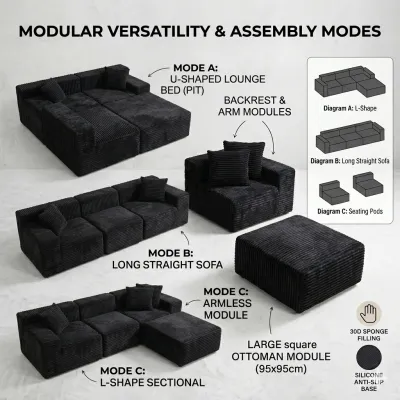
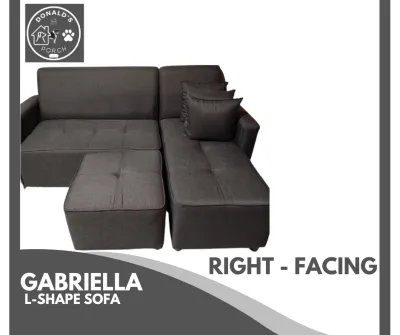
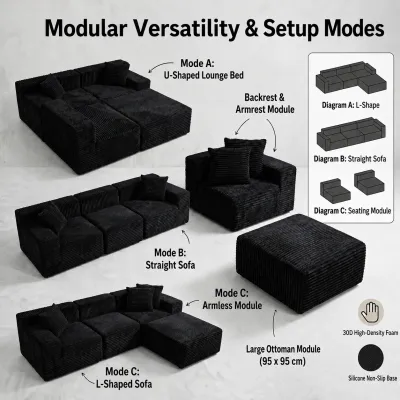
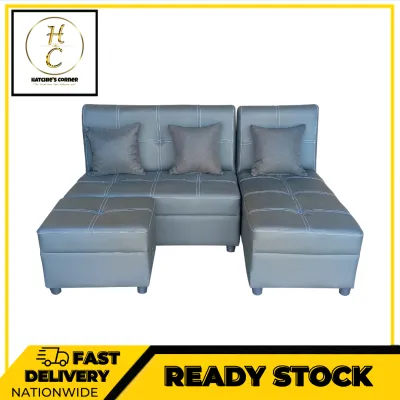
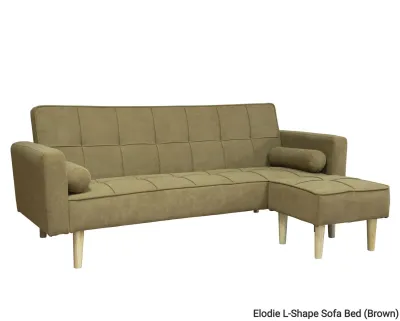
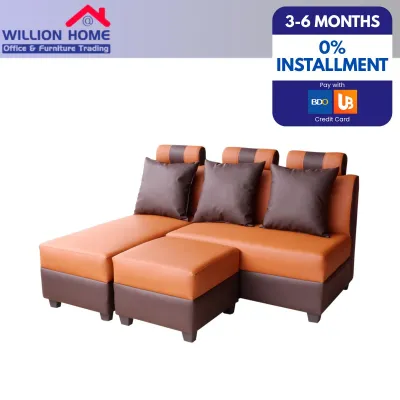
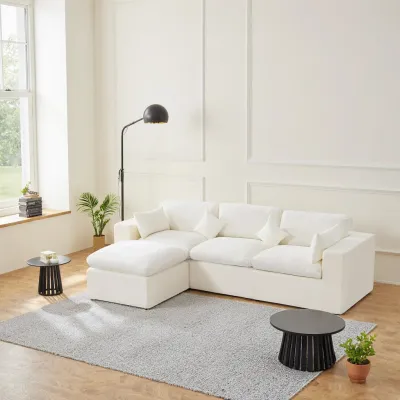
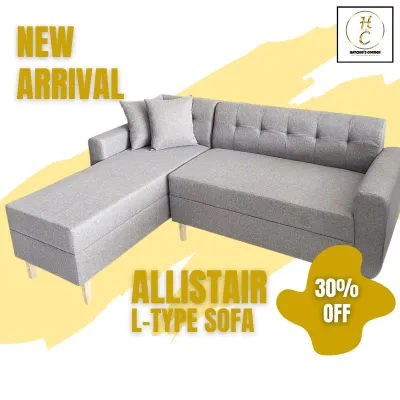
Prices are valid at publication and may change. Please refer to the product page for the latest price.
When evaluating an L-shaped sofa, keep this balance of simplicity and comfort at the forefront of your decision. The sofa should not look like a sterile, rigid showroom piece, nor should it resemble a heavy, overly rustic country couch. Instead, it must strike a middle ground where clean visual weight meets soft, functional comfort.
To maintain this balance, prioritize furniture that respects open space. A well-chosen sofa should allow the room to breathe, leaving plenty of visual clearance around its edges. By selecting a design that feels grounded and intentional, you set a serene foundation for the rest of your living room decor.
Checking the Silhouette and Proportions
The physical shape and proportions of your L-shaped sofa dictate how light and air move through your living room. Japandi interiors rely heavily on low-to-the-ground profiles. Low-slung furniture keeps sightlines open, which visually raises the ceiling and makes your living space feel significantly more expansive.

Avoid bulky, overstuffed armrests or massive pillow-top backrests that dominate the room’s visual landscape. Instead, look for crisp, straight lines or gently rounded corners that maintain a structured, tailored form. The silhouette should look neat and orderly even after hours of use.
Pay close attention to the base of the sofa. Slender, visible legs made of light wood or matte black metal lift the frame slightly off the floor, creating a sense of airiness and light. Heavy, solid block bases that sit flat on the floor can make an L-shaped sectional look too dense and imposing for a minimalist space.
If you are opting for a modular L-shape configuration, ensure the chaise section is streamlined. The extension should flow naturally from the main body of the sofa without awkward protrusions or excessive bulk. A clean, continuous line from the main seating area to the chaise helps maintain the minimalist flow of the room.
Verifying Materials and Textures
Texture is the key to preventing a minimalist room from feeling cold or clinical. In a Japandi living room, tactile warmth replaces bright colors and busy patterns. When choosing your sofa upholstery, look for natural-looking weaves that invite touch and reflect light softly.
Linen blends, cotton canvas, and textured bouclé are excellent fabric choices. These materials offer a matte finish and a rich, organic texture that aligns perfectly with the natural ethos of Japandi design. Avoid high-gloss leathers, shiny synthetics, or heavy velvets, as their reflective surfaces and opulent textures can disrupt the quiet simplicity of the space.
In tropical climates like the Philippines, material selection requires extra practical consideration. High humidity means you should prioritize breathable fabric blends that remain comfortable on warm afternoons. Check the manufacturer’s labels for fabric composition, and look for materials that offer a balance of natural texture and everyday durability.
Examine the exposed structural elements of the sofa, such as the frame or legs. Any visible wood should showcase natural grains and a matte or satin protective finish. Avoid highly polished, glossy varnishes or dark, heavy stains that mask the wood’s natural character. The goal is to celebrate the raw, organic beauty of the materials.
Assessing the Color Palette
The color of your L-shaped sofa should ground the living room in tranquility, acting as a calm backdrop for daily life. Start by exploring a base of warm neutrals. Shades of soft oatmeal, warm white, sandy taupe, and light stone grey are ideal because they reflect natural light beautifully and enhance the airy feel of the room.
If you want to introduce contrast, look to nature-inspired accent tones. Muted olive greens, soft terracotta clay, and deep charcoal can add depth to the space without creating visual noise. These earthy tones harmonize easily with natural wood finishes and indoor plants.
Avoid highly saturated primary colors, neon shades, or busy patterns. These elements draw too much attention to a single piece of furniture, breaking the cohesive, peaceful flow of a Japandi interior. The sofa should blend seamlessly into the overall environment rather than screaming for attention.
Before making a final choice, observe how fabric swatches look under the natural light of your specific room. Tropical sunlight can alter how colors appear throughout the day. A cool grey might look surprisingly warm under direct afternoon sun, while a cream fabric might reveal yellow undertones that you did not notice in a showroom.
Practical Space and Comfort Checks Before Purchase
An L-shaped sofa is a significant investment, meaning physical compatibility and daily comfort are just as important as visual style. Begin by measuring your living room floor space carefully. Use painter’s tape to map out the exact footprint of the sofa on your floor to ensure there is ample room for traffic flow.
Verify the orientation of the L-shape before purchasing. You must decide whether a left-facing or right-facing chaise best suits your room’s layout. The chaise should never block primary walkways, entryways, or access to natural light sources like sliding balcony doors.
Do not forget to measure your home’s entry points. Check the dimensions of your front door, hallway corners, stairwells, and elevator doors to confirm that the largest modular sections of the sofa can be safely delivered and assembled inside your home without damage.
Finally, test the seat depth and cushion firmness. Japandi design values functional comfort, which means the sofa should offer reliable ergonomic support. Look for high-density foam cores wrapped in soft fiber or down layers; this construction provides a comfortable seat while ensuring the cushions retain their clean, structured shape over years of use.
Frequently Asked Questions (FAQ)
Can an L-shaped sofa work in a small Japandi living room?
Yes, an L-shaped sofa can work beautifully in a smaller space if you select a compact or modular design with space-saving proportions. Look for armless configurations or sectionals with very slim profiles to minimize visual clutter. Positioning the chaise section against a wall or in a corner helps maximize floor space and keeps the center of the room open and airy.
How do I style an L-shaped sofa to enhance the Japandi look?
Keep your styling minimal, intentional, and focused on natural textures. Use a small selection of throw pillows made from organic linen, cotton, or wool in contrasting neutral or earthy tones. You can also drape a lightweight, textured woven throw blanket over the corner of the chaise to add a touch of Scandinavian warmth without cluttering the seating area.
Community discussion
Share your experience or ask a question. Comments are reviewed before publication.