
Finding a folding table on sale for your balcony bar setup is an excellent way to maximize a small outdoor space without overspending. In tropical climates like the Philippines, where high humidity, sudden downpours, and intense sunlight are common, choosing the right table requires looking beyond the discount tag. A successful purchase balances cost savings with structural stability, weather suitability, and precise dimensions. Instead of rushing to buy the deepest discount from an unknown brand on an online marketplace, you should focus on verifying the manufacturer’s specifications, load capacities, and material finishes to ensure your new setup remains safe, stable, and functional for years to come.
Defining Your Balcony Bar Requirements Before Shopping
Before browsing any seasonal sales or clearance events, you must establish the physical boundaries of your balcony. Balconies in urban condominiums or townhouses often have strict space limitations that dictate the maximum footprint of your furniture. Start by measuring the exact length and width of your available floor space using a physical measuring tape. Do not rely on visual estimates, as even a few centimeters can make the difference between a comfortable walkway and a cramped, unusable passage.
When measuring, always account for the clearance needed around the balcony railing and any existing fixtures, such as air conditioning condenser units or sliding door tracks. You need to leave at least 60 to 70 centimeters of open space behind any seating to allow guests to pull out stools and sit down comfortably without hitting the railing or blocking the doorway. If your balcony is narrow, a wall-mounted folding table or a slim console-style folding table might be more appropriate than a standard rectangular option. Additionally, verify that the table’s folded dimensions allow it to fit through your doorways, hallways, and condominium lift doors during delivery.
Products mentioned in this guide
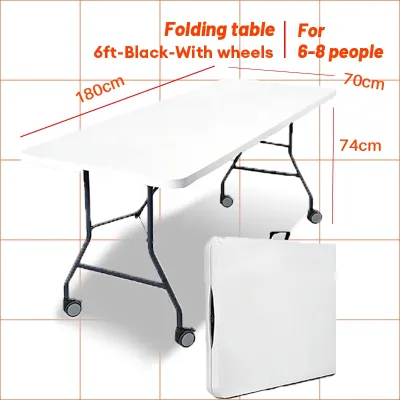
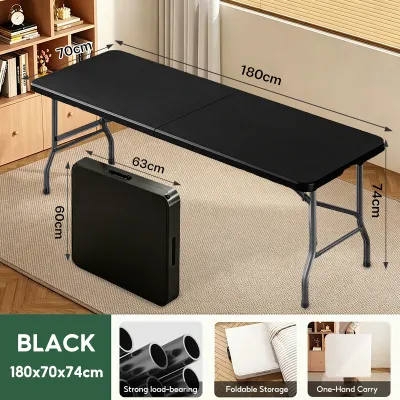
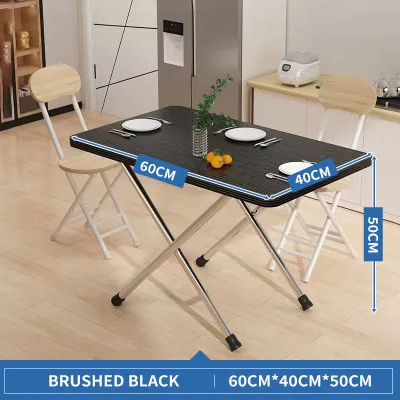
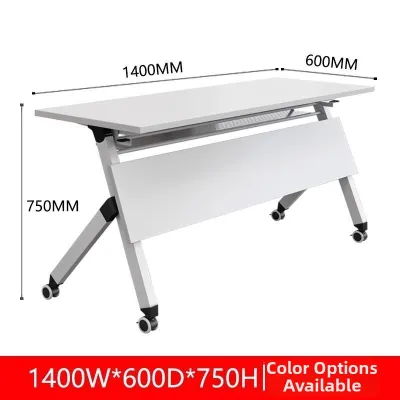
Prices are valid at publication and may change. Please refer to the product page for the latest price.
Next, determine the exact height required for your setup. If you already own bar stools, measure from the floor to the underside of the seat. A standard bar setup requires a table height that leaves approximately 25 to 30 centimeters of clearance between the stool seat and the tabletop for comfortable legroom. Matching these measurements beforehand prevents the common mistake of purchasing a standard dining-height folding table on sale, only to realize it is far too low for your existing high-top stools.
Finally, clarify how you intend to use the space during gatherings. If you plan to use the table primarily as a casual drink ledge for two people, a compact, lightweight folding model will suffice. However, if you intend to use it as a buffet station for heavy serving platters or a dining surface for multiple guests, you will need a table with a higher load capacity and a larger surface area. Defining these functional needs helps you filter out sale items that are too fragile or too small for your intended activities.
Essential Specifications to Verify on Sale Items
When shopping for folding tables on sale, the lower price point can sometimes mask structural deficiencies or material limitations. Frame stability is the most critical factor to verify, especially for elevated bar-height tables which naturally have a higher center of gravity. Look closely at the leg design and the presence of cross-bracing. Tables with wide-set legs and diagonal support bars connecting the legs to the frame offer significantly better resistance to wobbling on uneven balcony tiles or concrete surfaces.

The materials used in the table’s construction must be thoroughly evaluated for outdoor suitability, particularly in warm, humid environments. Do not assume a table is weather-resistant simply because it is categorized under outdoor furniture. Check the manufacturer’s product label or specification sheet for explicit mentions of UV-resistant coatings, rust-resistant powder-coated steel frames, or high-density polyethylene (HDPE) surfaces. If you are considering a wooden folding table, verify if the wood has been pre-treated with protective oils or sealants, and check the recommended maintenance schedule to prevent rot or warping from tropical humidity.
The folding mechanism itself is a common failure point on discounted furniture. Inspect the product specifications or assembly diagrams for robust hardware, such as heavy-duty steel hinges and secure locking pins that prevent the table from accidentally collapsing while in use. Avoid mechanisms that rely entirely on friction or thin plastic clips to stay open. Additionally, look for built-in safety features like pinch-point guards to protect your fingers during setup and teardown, and check if the feet are capped with non-slip, non-marring rubber pads to protect your balcony floor and prevent sliding.
Evaluating the Deal: True Value vs. Price Traps
A steep discount on a folding table is only a bargain if the product performs reliably over time. To avoid falling into price traps, you should first investigate the authenticity of the sale. Some retailers on online marketplaces artificially inflate the “original” price of an item to make a standard retail price look like a massive discount. Use price-tracking tools or compare the sale price against similar models from reputable local furniture stores to ensure you are receiving a genuine markdown.
Another critical aspect of evaluating a deal is reviewing the retailer’s return policy and warranty terms. Bulky furniture items like folding tables can be expensive and difficult to ship back if they arrive damaged, defective, or simply do not fit your space. Verify who covers the return shipping costs for sale items, as some discount policies require the buyer to pay return freight, which can easily exceed the value of the discount. Additionally, check if the manufacturer’s warranty is still valid for items purchased on clearance, as some brands limit or void warranties on closeout stock.
Customer reviews provide invaluable insight into how a folding table performs in real-world conditions. When analyzing reviews on ecommerce platforms, look past the initial five-star ratings that only praise fast shipping or attractive packaging. Instead, filter for reviews written after several months of use, focusing on specific complaints regarding hinge failure, surface peeling, rust formation, or structural wobbling. If multiple buyers report that the table’s surface warped after exposure to light rain or that the locking mechanism bent under moderate weight, it is a clear sign that the discounted price comes at the expense of durability.
Planning the Layout and Storage for Folding Tables
Integrating a folding table into your balcony layout requires careful spatial planning to ensure the area remains safe and easy to navigate. Calculate the total footprint of the table when it is fully expanded, and map this out on your balcony floor using painter’s tape or chalk. This visual aid helps you verify that you can still open and close your balcony doors completely and that there is a clear path to exit the balcony in an emergency, without having to squeeze past furniture.
Because folding tables are designed to be stowed away when not in use, you must identify a dedicated, dry storage location before making your purchase. Measure the folded dimensions of the table—including its thickness—and compare them to your available storage spaces. Ideal storage spots include the narrow gap behind a sofa, a dedicated utility closet, or a sheltered corner of the balcony protected by a weatherproof bench. Storing the table properly when it is not in use is the most effective way to extend its lifespan, especially during the monsoon season when heavy rains can bypass covered balcony ceilings.
For those who enjoy entertaining larger groups but have limited daily space, a multi-functional layout using multiple smaller folding tables is often superior to buying one large, cumbersome table. For example, you can purchase two matching square folding tables on sale and push them together to form a long bar counter when hosting guests. When the gathering is over, you can fold one table away to reclaim your floor space and leave the other set up as a quiet morning coffee corner, giving you maximum flexibility.
Basic Care and Maintenance for Longevity
Proper maintenance is essential to protect your investment, particularly when dealing with discounted furniture exposed to outdoor elements. Always follow the manufacturer’s specific cleaning instructions to avoid damaging the protective finishes and voiding your warranty. For most synthetic surfaces like HDPE or powder-coated metal, a gentle wipe-down with a soft cloth, mild dish soap, and warm water is sufficient to remove dust, pollen, and salt residue from the air. Avoid using abrasive scrubbing pads or harsh chemical cleaners, which can scratch the surface and strip away UV-protective coatings.
The moving parts of your folding table require regular attention to ensure they continue to operate smoothly. Periodically inspect the hinges, locking pins, and joints for signs of rust, dirt accumulation, or loose screws. Wipe away any debris that could jam the mechanism, and apply a small amount of silicone-based lubricant to the metal joints if you notice any resistance or squeaking when folding the table. Keeping these mechanical components clean and lubricated prevents binding and structural damage over time.
Even weather-resistant folding tables benefit from proactive protection during extreme weather events. In the Philippines, tropical storms and typhoons can bring severe winds and torrential rains that can easily blow lightweight folding tables across a balcony or expose them to excessive moisture. When such weather is forecasted, fold the table down and store it indoors or inside a secure storage box. If indoor storage is not an option, secure the folded table tightly to a sturdy railing using heavy-duty straps and cover it with a fitted, waterproof furniture cover to prevent water pooling and wind damage. If your balcony is prone to high winds, consider anchoring the table frame to a heavy base or a secure wall fixture when in use.
Frequently Asked Questions (FAQ)
Can I use indoor folding tables on a covered balcony?
Using an indoor-rated folding table on a covered balcony is generally not recommended, even if the space is protected from direct rain. Indoor furniture is typically constructed from materials like medium-density fiberboard (MDF), particleboard, or untreated softwoods, which are highly susceptible to ambient humidity. In tropical climates, the constant moisture in the air can cause these materials to swell, warp, and develop mold within a short period. Additionally, indoor glues and laminates can degrade rapidly when exposed to outdoor temperature fluctuations and indirect sunlight. Using indoor furniture in any outdoor or semi-outdoor setting almost always voids the manufacturer’s warranty, meaning you will have no recourse if the table fails prematurely.
What is the standard height for a balcony bar table?
A standard balcony bar table typically stands between 100 to 110 centimeters (approximately 40 to 42 inches) tall, which matches standard commercial bar heights. If you prefer a slightly lower profile, counter-height folding tables are also available, measuring between 85 to 90 centimeters (approximately 34 to 36 inches) tall. To ensure a comfortable seating experience, measure your existing bar stools from the floor to the top of the seat cushion. You should aim for a height difference of about 25 to 30 centimeters between the stool seat and the tabletop. This gap provides adequate legroom and knee clearance while allowing you to rest your elbows comfortably on the table surface. Keep in mind that adjustable-height folding tables designed specifically for bar heights are relatively rare, so you must carefully verify the exact height specifications listed on the sale item before purchasing.
Community discussion
Share your experience or ask a question. Comments are reviewed before publication.