
Finding the right study chair for your child is one of the most impactful decisions you can make for their physical development and academic focus. A high-quality kids chair must feature highly adjustable seat height and depth, dedicated lumbar support, and a stable footrest. These components work together to maintain a neutral spinal alignment, ensuring your child’s knees remain at a comfortable 90-degree angle with their feet resting flat. In the Philippines, where the school year spans seasons of intense tropical heat and high humidity, selecting a chair with breathable materials and a space-saving footprint is equally essential for a comfortable, distraction-free study corner.
Many parents assume that any standard household chair will suffice for homework sessions, only to notice their child slouching, fidgeting, or complaining of fatigue after a short period. This guide breaks down the essential ergonomic features, safety considerations, and growth-stage requirements to help you select a chair that supports your child’s posture and grows alongside them.
Why Ergonomic Support Matters for Growing Spines
During childhood and adolescence, the musculoskeletal system undergoes rapid growth and development. The bones, ligaments, and muscles that support the spine are highly pliable, making them particularly vulnerable to prolonged physical stress. When a child spends hours hunched over a desk on an unsupportive seat, they place excessive pressure on their developing vertebrae and surrounding muscles. This poor alignment often leads to muscle fatigue, tension headaches, and a noticeable drop in concentration levels during study sessions.
Products mentioned in this guide
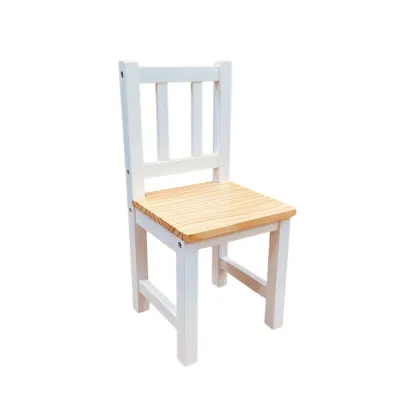

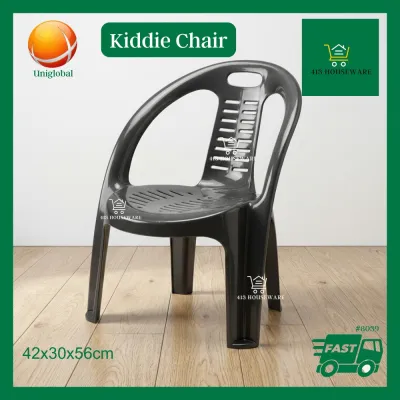
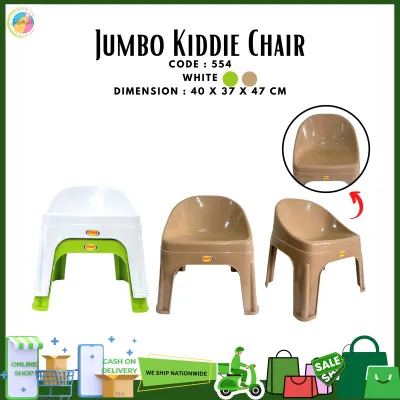

Prices are valid at publication and may change. Please refer to the product page for the latest price.
Standard adult chairs or dining seats are fundamentally mismatched for a child’s proportions. Because adult seats are deeper and taller, a child sitting in one must choose between two highly unsupportive positions. They must either sit forward without any back support to keep their knees bent, or slide all the way back, leaving their legs dangling in the air. Dangling legs pull the pelvis forward, forcing the lower back to round into a slouch. Over time, this repetitive strain can contribute to long-term postural issues that persist into adulthood.
Investing in a dedicated ergonomic study chair establishes a healthy foundation for your child’s daily routine. Unlike temporary household seating, an ergonomic chair is engineered to distribute body weight evenly, minimize pressure points, and encourage active, upright alignment. By providing targeted support to the lower back, thighs, and feet, these specialized seats reduce physical fatigue. This anatomical support allows your child to direct their energy and focus toward their schoolwork rather than constantly shifting to find a comfortable position.
Key Ergonomic Features to Look for in Kids Chairs and Seats
When evaluating kids chairs, adjustability is the single most critical factor to consider. Because children grow in rapid, unpredictable spurts, a static chair will quickly become obsolete or uncomfortable. An adjustable chair allows you to customize the seat’s proportions to match your child’s unique body measurements at any given time, ensuring they receive continuous support throughout their developmental years.

To simplify your search, focus on the three main ergonomic pillars that define a supportive study seat. These pillars consist of proper seat dimensions (height and depth), targeted backrest support (lumbar alignment), and stable lower limb positioning (footrests). Balancing these three elements ensures that your child can maintain a healthy, neutral sitting posture during both quick homework tasks and longer reading sessions.
Adjustable Seat Height and Depth
To establish a healthy sitting posture, the chair’s seat height must allow your child’s feet to rest completely flat on the floor or a dedicated footrest. This positioning should create a 90-degree angle at the knees, with the thighs running parallel to the floor. To find the correct range for your child, measure their popliteal height—the distance from the floor to the crease behind their knee while they are seated. The chair’s minimum and maximum seat height adjustments must easily accommodate this measurement to prevent the thighs from sloping upward or downward.
Seat depth is another vital component that is frequently overlooked in standard children’s furniture. The depth of the seat cushion should fully support your child’s thighs without pressing against the back of their knees. A practical way to verify this is to check for a gap of approximately two to three fingers between the front edge of the seat and the back of your child’s knees. If the seat is too deep, it will compress the blood vessels behind the knees, causing numbness and forcing the child to slide forward, which completely bypasses the backrest.
Lumbar Support and Backrest Recline
A high-quality study chair must feature a contoured backrest that mirrors the natural S-curve of the human spine. The lower portion of the backrest should curve gently forward to support the lumbar region, preventing the lower back from flattening into a slouch. Some advanced kids chairs offer height-adjustable lumbar pads, allowing you to slide the support up or down to align perfectly with the small of your child’s back as they grow taller.
For optimal lateral stability, the backrest height should reach the mid-back or shoulder blade level. This height provides a secure surface for the upper body, reducing the tendency to lean sideways or twist during long writing sessions. Additionally, look for a backrest that offers a slight, lockable recline range. While an upright, 90-degree position is ideal for active writing and drawing, a slight recline of 100 to 110 degrees is highly beneficial for reading or participating in online classes, as it temporarily reduces the compressive load on the spinal discs.
Footrests and Leg Positioning
If your child is using a standard adult-height desk (typically around 75 centimeters high), their feet will naturally dangle when the chair is raised to the correct writing height. Dangling legs create a heavy downward pull on the thighs, compressing the popliteal artery and restricting blood circulation. This restriction often causes a tingling sensation or numbness, leading to constant fidgeting, kicking, and a total loss of focus.
To resolve this issue, look for a chair equipped with a built-in, height-adjustable footrest. A built-in footrest attaches directly to the chair’s central cylinder or base, providing a stable platform that moves in tandem with the seat. Alternatively, you can use a standalone, heavy-duty footrest placed on the floor beneath the desk. The key is to ensure that the footrest is wide enough for both feet to plant firmly, and adjustable enough to keep the knees at a comfortable 90-degree angle without pushing them higher than the hips.
Evaluating Stability, Materials, and Safety
Beyond basic ergonomics, a kids chair must be physically stable, durable, and safe for daily use. Children are naturally active, and a study chair must withstand frequent shifts in weight, spinning, and movement without posing a safety hazard.
- Base Stability: A wide, 5-star caster base is the industry standard for mobile office seating. For younger children, look for gravity-locking casters. These specialized wheels lock automatically when weight is applied to the seat, preventing the chair from rolling away when your child sits down or stands up. Always verify the manufacturer's specified weight capacity to ensure the frame and gas lift can safely support your child's current and projected weight.
- Materials and Climate: The hot and humid climate of the Philippines requires careful material selection. Avoid heavy synthetic leathers or low-density foam wrapped in thick fabrics, as they trap body heat and sweat, leading to discomfort and skin irritation. Instead, opt for high-density, breathable mesh backrests that promote airflow. For the seat cushion, select moisture-resistant, easy-to-clean fabrics. Always check the manufacturer's care instructions for cleaning, as humid environments can foster mold or mildew if spills or sweat are left unaddressed.
- Safety Checks: Thoroughly inspect the chair's adjustment mechanisms for potential pinch points where small fingers could get caught. Ensure all plastic and metal edges are rounded and smooth. Verify that the locking levers for height, depth, and recline are secure and require a deliberate action to release, preventing accidental collapse if your child bumps into them during play.
How to Match the Chair to Your Child’s Growth Stage
Children’s seating needs change significantly as they transition from preschool to their teenage years. Understanding these distinct growth stages will help you choose a chair that offers the right balance of support, simplicity, and longevity.
- Preschoolers and Early Elementary (Ages 3 to 6): For young children, simplicity and stability are paramount. Chairs in this category often feature a low-profile design with limited adjustability, focusing instead on a stable, tip-resistant base. Look for models with integrated footrests and simple, mechanical height adjustments. Avoid highly complex adjustment levers that a young child might play with or accidentally release.
- Older Elementary and Middle School (Ages 7 to 12): This is the period of most rapid skeletal growth, making "grow-with-me" chairs an ideal investment. These highly adjustable chairs feature independent seat height, seat depth, and backrest height modifications. They are designed to scale seamlessly with your child's changing proportions, ensuring that proper posture is maintained year after year.
- Teens (Ages 13 and Up): As children enter their teenage years, they begin to transition to standard adult ergonomic chairs. At this stage, check if your teenager meets the minimum height (typically around 150 centimeters) and weight thresholds of adult models. Look for professional-grade office chairs that offer robust lumbar support, adjustable armrests, and high-density foam cushions to support longer study sessions.
Before finalizing any purchase, always consult the manufacturer’s official specifications sheet. Pay close attention to the minimum and maximum height and weight limits, as these guidelines are crucial for ensuring the chair’s mechanical safety and ergonomic efficacy over time.
A Practical Checklist for Testing and Buying
To ensure a successful purchase that fits both your child and your home layout, follow this step-by-step checklist before making your final decision.
- Pre-Purchase Measurements: Measure your child's current popliteal height (floor to the back of the knee) and thigh length (back of the pelvis to the back of the knee). Next, measure the height of your child's study desk from the floor to the underside of the desktop. Ensure the chair's height adjustment range allows your child's arms to rest comfortably on the desk at a 90-degree elbow angle while their feet remain flat.
- Space and Clearance: Measure the available floor space in your child's study corner, as well as the width of your doorways and lift doors if you live in a multi-story condominium. Check the total footprint of the chair's 5-star base to ensure it can slide easily under the desk when not in use. If the chair features armrests, verify that they can clear the bottom of the desk drawer or frame.
- In-Store or At-Home Testing: If possible, have your child sit in the chair to test its fit. Verify that they can easily reach and operate the adjustment levers under your supervision. Check that their back rests naturally against the contoured lumbar support without forcing them to strain or stretch. Observe their posture from the side to ensure their hips, knees, and ankles are all aligned at approximately 90 degrees.
- Post-Purchase Considerations: Review the manufacturer's warranty coverage, focusing specifically on moving parts such as the gas lift cylinder, casters, and adjustment gears. Check the retailer's return policy in case the chair does not fit your child's desk setup as expected. Finally, retain the assembly manual and care instructions for future reference, and periodically check the tightness of all structural bolts to maintain long-term stability.
Frequently Asked Questions (FAQ)
How long should a child sit in a study chair without a break?
Even the most advanced ergonomic chair cannot replace the physiological need for physical movement. Pediatric health guidelines generally recommend that children take a short active break every 30 to 45 minutes of continuous sitting. During these intervals, encourage your child to stand up, stretch, walk around the room, or do light physical activities for 5 to 10 minutes. Regular movement breaks help stimulate blood circulation, relieve localized muscle tension in the back and shoulders, and refresh your child’s mental focus for their next study block.
Can I use a regular dining chair with a cushion instead of a specialized kids chair?
While a dining chair can serve as a temporary solution, it is not recommended for long-term study sessions. Dining chairs feature fixed seat heights and deep seats designed for adult proportions, which forces children to slouch or dangle their legs. If you must use a dining chair temporarily, place a firm, rolled-up towel or a dedicated lumbar cushion behind your child’s lower back to support their lumbar curve. Additionally, place a sturdy box, step stool, or thick book under their feet so they can rest flat, keeping their knees at a 90-degree angle until you can transition to an adjustable study chair.
Community discussion
Share your experience or ask a question. Comments are reviewed before publication.