
Selecting the right foam density and thickness for a large 3-to-5-seater wooden-frame sofa is the key to transforming a rigid wooden structure into a comfortable, long-lasting family gathering spot. For a heavy-use family sofa, you generally want a high-density polyurethane foam paired with a thickness of 4 to 6 inches for the seat cushions. This combination ensures that users do not compress the cushion fully and feel the hard wooden slats or support rails underneath, while also maintaining a comfortable seating height. The back cushions can utilize a slightly lower density or thinner profile to provide plush, supportive lumbar relief without pushing the seating area too far forward.
Understanding Foam Density and Thickness Metrics
Foam density is measured by weight per volume, representing how much actual polymer is packed into the foam structure. Higher density means more material is used, which translates directly to better structural integrity and a longer lifespan, resisting the flattening effect of daily use. It is a common misconception that density equals hardness; high-density foam can be soft or firm, but its primary job is to resist breaking down over time.
Foam thickness refers to the physical height of the foam block. It must match the internal depth of your wooden frame’s seat well to prevent discomfort. If the foam is too thin, the weight of a seated person will compress it completely, leading to direct contact with the hard wood underneath.
Products mentioned in this guide



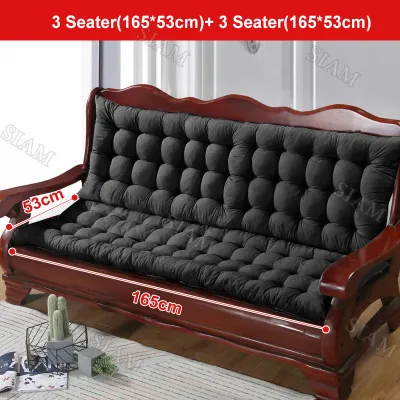
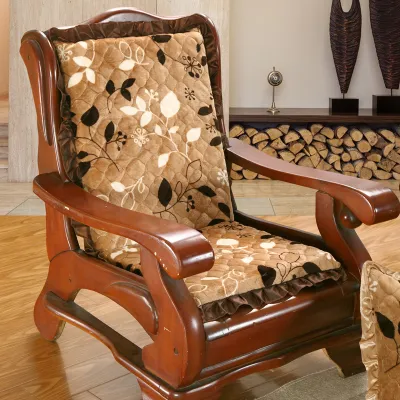
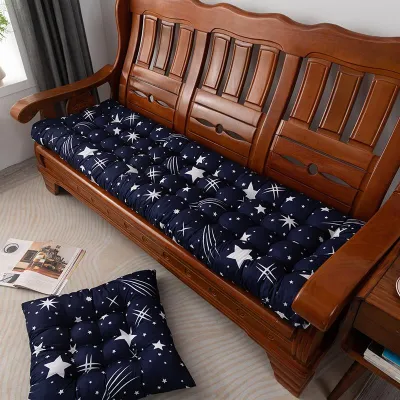

Prices are valid at publication and may change. Please refer to the product page for the latest price.
When sourcing foam, look for spec sheets or product tags from the manufacturer. Often, foam is graded with a four-digit code where the first two digits represent the density and the last two represent the firmness. When sourcing foam in local markets or from upholstery suppliers, ask specifically for the density rating in kilograms per cubic meter to ensure you are getting a durable grade rather than a lightweight packaging foam.
Assessing Your Wooden Sofa Frame and Existing Cushions
To begin the replacement process, remove all existing cushions and measure the internal width and depth of the wooden frame’s seat platform. Measure from the inside of one wooden armrest to the other, and from the backrest frame to the front edge. For a large 3-to-5-seater, you may have one long continuous bench or multiple individual cushions; measure the total space and divide it evenly if planning multiple inserts.

Next, check for sagging or bottoming out by sitting on the current cushions. Pay attention to whether you can feel the wooden slats, support springs, or solid base beneath you. If you feel the hard wood immediately or after a few minutes of sitting, the current foam has lost its resilience or was never thick enough to begin with.
Remember to account for the thickness of your fabric covers. Upholstery fabric, dacron batting, and decorative piping add bulk to the final cushion. If you measure the wooden frame exactly, your finished cushion foam should be cut slightly smaller to allow room for the batting wrap and the slipcover without forcing or straining the zipper seams.
Selecting Foam Density for a 3-5 Seater Family Sofa
A large 3-to-5-seater sofa in a family living room experiences constant, varied weight distribution. For the seat cushions, choosing a high-density foam is essential to withstand the daily impact of multiple people. This prevents the foam from developing permanent body indentations and ensures the sofa remains supportive for years.
Back cushions do not bear the full weight of the human body, so they do not require the same high density as seat cushions. A medium-density foam or even a shredded foam fill provides a softer, more inviting feel that contours to the spine. Using a lower density here also reduces the overall weight of the cushions, making them easier to fluff and rearrange.
Always check the manufacturer’s guidelines or warranty terms for your specific wooden frame. Some frames are designed with flexible webbing or spring systems that work best with specific foam types, while solid wood platform benches require highly resilient foam to compensate for the lack of built-in frame flex.
Determining the Ideal Foam Thickness for Seat and Back Cushions
The height of your wooden frame from the floor dictates how thick your seat cushions should be. Ideally, the finished seating height should allow a seated person’s feet to rest flat on the floor with knees bent at a comfortable angle to prevent knee strain. If your wooden frame is low to the ground, a thicker 5-to-6-inch cushion is necessary; for a taller frame, a 4-inch cushion may suffice.
Back cushions should complement the seat depth. If your wooden frame has a deep seat well, thicker back cushions can help bring the sitter forward into a comfortable upright posture. Conversely, if the seat well is shallow, thinner back cushions are preferred to maximize the available seating area and ensure proper lumbar support.
All foam compresses under weight, and new foam will experience a minor initial softening or settling period during the first few weeks of use. To account for this, it is wise to select a starting thickness that is slightly firmer or about half an inch thicker than your absolute minimum target height, ensuring the cushion remains supportive even after it breaks in.
Replacing and Maintaining Your Sofa Foam
When ordering custom-cut foam, provide precise measurements of any unique curves or angled corners typical of traditional wooden frames. If cutting the foam yourself, use a sharp electric carving knife or a specialized foam cutter to achieve clean, straight edges, as standard utility knives can tear or gouge the material.
Wrapping your new foam cushions in a layer of polyester dacron batting is a crucial step. Batting rounds out the sharp edges of the foam, gives the cushion a professional crowned look, and creates a smooth barrier that prevents the upholstery fabric from friction-wearing against the raw foam.
In warm, humid environments like the Philippines, wooden frames and foam cushions can trap moisture, leading to mold or musty odors. To prevent this, rotate and flip your cushions weekly to distribute wear evenly, and occasionally place them in a well-ventilated, shaded area to air out. Ensure your wooden frame has adequate ventilation gaps between the slats to allow air to circulate freely beneath the cushions.
Frequently Asked Questions (FAQ)
Can I use memory foam for my wooden sofa seat cushions?
Pure memory foam is not recommended as the sole material for wooden sofa seat cushions because it lacks the structural core support needed to keep you from sinking directly onto the hard wooden frame. However, you can use a hybrid approach by laminating a thin 1-to-2-inch layer of memory foam on top of a high-density polyurethane foam base, giving you a plush feel without sacrificing essential support.
How do I know if my sofa foam needs replacing?
You will know your sofa foam needs replacing when you observe permanent sagging, deep indentations that do not bounce back, or loose, pooling fabric on the cushion surface. Another reliable indicator is the bottoming out test: if you sit down and can immediately feel the hard wooden slats or support rails of the frame beneath you, the foam’s cell structure has collapsed and no longer provides adequate support.
Is high-resilience (HR) foam worth the investment for a large sofa?
Yes, high-resilience (HR) foam is generally worth the investment for a large 3-to-5-seater family sofa due to its superior cell structure, which offers excellent elasticity and a faster recovery rate than standard polyurethane foam. While it may carry a higher upfront cost, its ability to withstand heavy daily use without sagging means you will not have to replace the cushions as frequently, saving money and effort in the long run.
Community discussion
Share your experience or ask a question. Comments are reviewed before publication.