
Relocating a household in the Philippines involves navigating unique logistical challenges, from sudden tropical downpours to tight residential pathways. When planning a ‘lipat bahay’ (house move), securing a reliable heavy-duty pallet setup is one of the most effective ways to safeguard your heaviest appliances and bulky furniture. Unlike standard cardboard boxes that can easily buckle under pressure or degrade when exposed to moisture, heavy-duty pallets provide a rigid, elevated foundation that keeps your valuable belongings safe, stable, and easy to transport from your old doorstep to your new home. By choosing the right pallet specifications, you can streamline the loading process, protect your investments, and ensure a smoother transition to your new space.
Why Heavy-Duty Pallets Are Essential for Moving House
The tropical climate of the Philippines brings unpredictable weather, making moisture protection a primary concern during any outdoor move. When loading or unloading items on driveways, sidewalks, or street-side staging areas, water can pool rapidly from sudden downpours. Placing heavy appliances like washing machines, refrigerators, or wooden cabinets directly on the ground exposes them to water damage, rust, and dirt. A heavy-duty pallet elevates these items several inches off the ground, creating a protective barrier against puddles and damp soil.
Beyond weather protection, heavy-duty pallets are designed to work seamlessly with professional handling equipment. Moving services frequently utilize manual pallet jacks or hand trucks to transport heavy loads. Heavy-duty pallets feature standardized entry points that accommodate these tools, allowing movers to roll heavy items smoothly across flat surfaces, driveways, and cargo ramps without lifting them entirely by hand. This compatibility significantly speeds up the loading process and reduces the risk of accidental drops.
Products mentioned in this guide
Prices are valid at publication and may change. Please refer to the product page for the latest price.
Using pallets also minimizes physical strain on the moving crew and protects your belongings from structural damage. Bulky furniture, such as solid wood dining tables or heavy wardrobes, can be incredibly awkward to grip and carry. When these items are secured onto a sturdy pallet, the weight is distributed evenly across a wide footprint. This structural stability minimizes the risk of tipping or shifting during transit, protecting both your valuable possessions and the physical safety of everyone involved in the move.
Key Specifications to Check When Buying Moving Pallets
When evaluating heavy-duty pallets for household goods, it is crucial to understand that load capacities are categorized into three distinct ratings: static, dynamic, and racking. Static load capacity refers to the maximum weight a pallet can support when it is stationary on a flat floor. Dynamic load capacity is the limit when the pallet is being moved by a forklift or pallet jack. Racking load capacity applies when the pallet is suspended on a storage rack. For a residential move, focus primarily on the dynamic load capacity, ensuring it comfortably exceeds the combined weight of the items you plan to stack on it.

Dimensional fit is another critical factor that directly impacts your moving day logistics. Standard heavy-duty pallets typically come in dimensions like 1200mm x 1000mm or 1100mm x 1100mm. Before purchasing, you must measure the narrowest points of your moving route, including doorways, hallway corners, and residential elevator doors. Additionally, verify the interior width of your hired moving truck. A pallet that is too wide to fit through a standard door frame or onto the truck bed will cause severe delays and logistical headaches.
The design of the pallet deck also requires close attention to ensure item stability. The top surface, known as the deck, can be solid or slatted. If you are moving items with small feet, such as certain washing machines or slender furniture legs, wide gaps between deck boards can cause these feet to slip through, leading to instability or damage. Opt for pallets with close deck spacing or a solid top deck. Furthermore, look for slip-resistant textures or rubber grommets on the surface, which help prevent heavy items from sliding around when the moving truck encounters bumpy roads or sudden stops.
Wood vs. Plastic vs. Metal: Choosing the Right Pallet Material
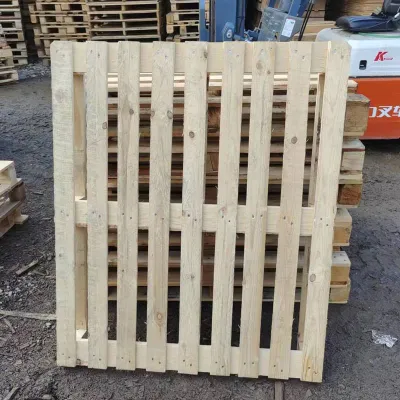
Wooden pallets remain a highly popular choice for residential moves due to their widespread availability and cost-effectiveness. High-quality wooden pallets can support substantial weight and are easily repaired if a single board cracks. However, they require meticulous inspection before use. In humid environments, untreated wood can harbor moisture, mold, or wood-boring insects. Always check wooden pallets for protruding nails, splinters, and structural rot. If you choose wood, ensure it is dry, clean, and free of chemical spills from previous industrial use.
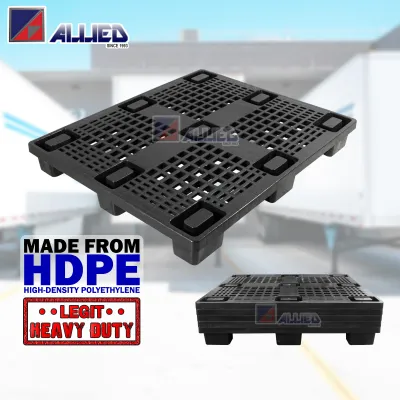
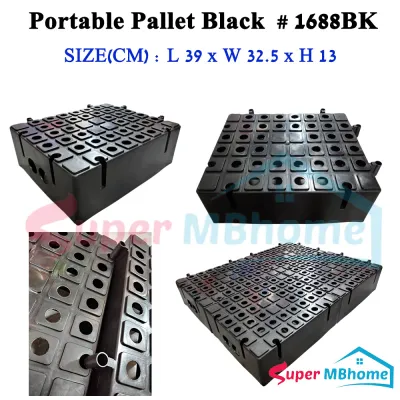
Plastic pallets are an excellent, modern alternative for household moves, especially during the rainy season. They are completely impervious to water, meaning they will not rot, warp, or absorb moisture when exposed to wet driveways or open-air truck beds. They are also significantly lighter than wood or metal, making them easier to carry and position when empty. When evaluating plastic pallets, look for high-density polyethylene (HDPE) or polypropylene (PP) construction. Inspect the underside for structural ribbing, and verify that there is no warping along the edges, which can compromise weight distribution.
For exceptionally heavy or specialized items, such as large home safes or massive stone sculptures, metal pallets offer unmatched structural integrity. They do not bend, warp, or degrade under extreme loads. However, metal pallets are heavy to maneuver manually and carry a high risk of scratching or gouging residential flooring, such as hardwood, laminate, or delicate tiles. If you must use metal pallets, you must place thick protective padding, heavy-duty moving blankets, or rubber mats underneath them whenever they are placed on indoor floors.
How to Inspect and Prepare Pallets Before Loading
Before placing any valuable household items onto a pallet, conduct a thorough visual check. Look closely at the top deck, bottom runners, and support blocks. Any visible cracks, deep splits in the wood, or fractured plastic joints are immediate red flags. A pallet that appears structurally compromised under empty conditions is highly likely to fail when subjected to hundreds of kilograms of dynamic weight during transit.
The bottom runners or feet of the pallet must be completely intact and level. If the runners are warped, broken, or uneven, the pallet will wobble, creating an unstable base for your furniture. Additionally, ensure that the entry points for pallet jacks are clear of debris, splinters, or bent material. Smooth entry is essential for the moving crew to slide the forks of a pallet jack underneath without jarring or tipping the loaded pallet.
Establish a strict rule for your moving day: if a pallet shows any signs of structural compromise, reject it immediately. Do not attempt to reinforce a severely cracked pallet with tape, thin ropes, or makeshift wooden splints. The risks of a sudden collapse—which could crush your expensive appliances, damage your home’s flooring, or injure the moving personnel—far outweigh the cost of sourcing a replacement pallet. Contact your supplier or manufacturer to exchange any defective units before loading begins.
How to Build Your Moving Pallet Shopping List
Begin by listing the heaviest, bulkiest items in your household inventory. Group them by weight and physical footprint. For instance, a heavy double-door refrigerator and a front-load washing machine can be paired with a high-capacity plastic pallet that matches their combined dimensions. Solid wood dining tables or heavy bed frames may require longer wooden pallets. Ensure that the rated dynamic capacity of each selected pallet exceeds the total weight of the items assigned to it by a safe margin.
Consider the type of moving vehicle you are hiring for the journey. If you are using an open-air truck or a traditional utility vehicle covered only by a canvas tarpaulin, your cargo is highly vulnerable to road dust and sudden rain. In this scenario, plastic pallets are the superior choice because they do not absorb water and can be easily wiped clean. If you are using an enclosed, weatherproof moving van, high-quality wooden pallets are perfectly suitable and can help keep your overall moving budget in check.
When sourcing heavy-duty pallets, look for reputable local industrial packaging suppliers, warehouse equipment distributors, or specialized online marketplaces. Avoid buying mystery pallets from unregulated roadside vendors, as these often lack certified load ratings and may have been exposed to hazardous chemicals. Before finalizing your purchase, verify the supplier’s return and exchange policies. Ensure they offer a clear warranty or replacement guarantee if the pallets arrive with manufacturing defects or structural damage.
Frequently Asked Questions (FAQ)
Can I use standard shipping pallets for heavy furniture?
Standard shipping pallets, especially single-use export pallets, are often designed for lightweight cargo and are not built to withstand the concentrated, uneven weight of heavy household furniture. Using them for heavy items like sofas or refrigerators poses a high risk of structural failure. Heavy-duty pallets feature thicker deck boards, reinforced support blocks, and certified load ratings that ensure they can safely support and distribute concentrated weight without collapsing during transit.
Do I need to wrap items secured on a pallet?
Yes, securing your items to the pallet is absolutely essential to prevent shifting and tipping during transit. Simply placing furniture on a pallet is not enough; you must use high-quality stretch wrap, heavy-duty strapping, and cardboard edge protectors. Wrap the entire load tightly, starting from the base of the pallet and working your way up, to bind the items and the pallet into a single, secure unit. This prevents individual pieces from sliding off when the moving truck encounters bumps, sharp turns, or sudden stops.
Are plastic pallets safe for indoor use during the move?
Plastic pallets are generally safer and more hygienic for indoor use than wooden pallets, as they do not produce splinters, harbor pests, or absorb dirt and moisture. However, you must still take precautions to protect your indoor flooring. Before bringing any pallet inside, inspect the bottom for embedded gravel, dirt, or sharp plastic debris. Always lay down temporary floor protectors, such as thick cardboard sheets, heavy-duty plastic runners, or moving blankets, to prevent the pallet from scratching or scuffing your floors.
Community discussion
Share your experience or ask a question. Comments are reviewed before publication.