
Low-to-the-ground living has a long, celebrated history in tropical climates, offering an airy, relaxed alternative to heavy, bulky furniture. In modern Philippine homes, where space optimization is key, the demand for versatile furniture has brought rattan and bamboo folding low tables back into the spotlight. These pieces combine the warm, organic textures of traditional craftsmanship with the clean lines of contemporary design. Choosing the right table requires balancing aesthetic appeal with practical considerations like folding durability, material resilience, and spatial limits.
Integrating a low table into your living space can transform how you interact with your home. Whether you are furnishing a cozy studio apartment in a bustling city or adding a functional accent to a suburban living room, these tables offer a flexible solution for dining, working, and relaxing. By understanding what to look for in terms of design, construction, and material properties, you can select a piece that not only enhances your interior decor but also stands up to daily use.
Defining Your Space and Usage Needs
Before browsing online marketplaces or local furniture showrooms, it is essential to measure your available floor area. A low table requires dedicated clearance not just for the piece itself, but also for your legs and seating cushions. If you plan to sit on a floor pillow, a zabuton, or a traditional banig, ensure there is enough vertical clearance under the tabletop to sit comfortably without your knees knocking against the frame.
Products mentioned in this guide
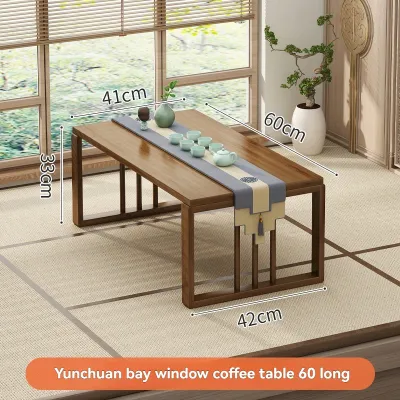
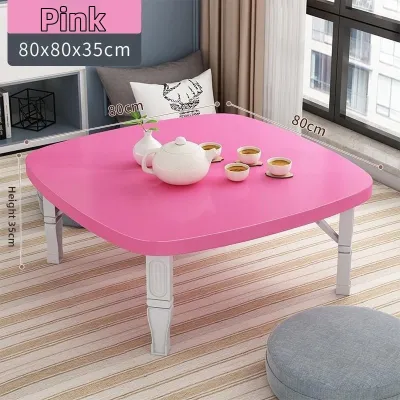
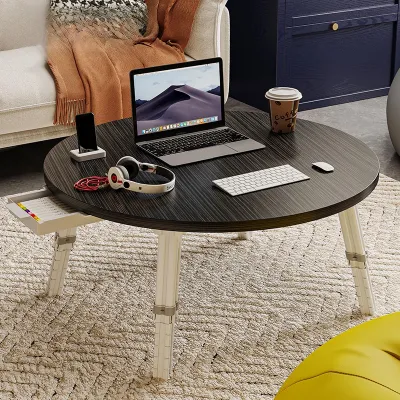
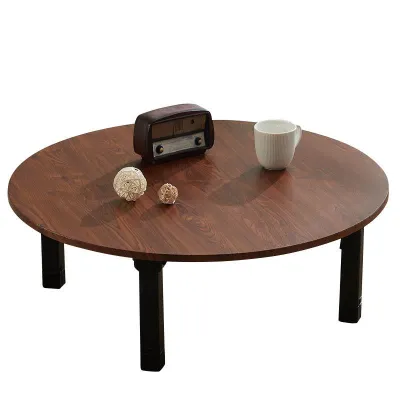
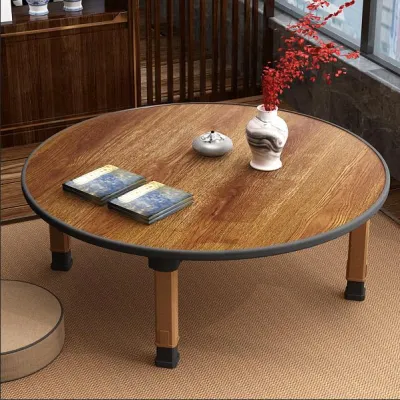
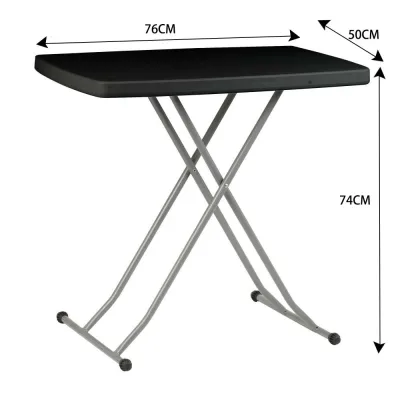
Prices are valid at publication and may change. Please refer to the product page for the latest price.
Consider the layout of your living room or studio apartment. A table that is too large will disrupt foot traffic, while one that is too small might look lost next to a modern sofa. Mark the footprint of the table on your floor using masking tape to visualize the physical presence of the piece before making a purchase. This simple step helps you avoid buying a table that overwhelms your room.
Identify your primary activities to determine the ideal table specifications. A table used mainly for casual laptop work or morning coffee requires a stable, flat surface. If you intend to use it for family meals, look for a larger surface area that can accommodate multiple plates and bowls. For decorative use, such as displaying books or potted plants, weight capacity and moisture resistance become your primary criteria.
Think about storage and portability. One of the greatest advantages of a folding table is its ability to disappear when not in use. Measure the height of the gap under your sofa, the depth of your closet, or the space behind your door. Ensure the folded thickness of the table aligns with these storage spots so you can easily tuck it away when you need to clear the room for other activities.
Evaluating Modern Design and Material Quality
Modern design reinterprets traditional materials through a lens of simplicity and functionality. Look for tables that feature clean, geometric silhouettes rather than overly ornate, traditional patterns. Minimalist frames, tapered legs, and subtle curves help these natural materials blend seamlessly with contemporary Scandinavian, Japandi, or industrial interiors.

Mixed materials can elevate the modern aesthetic of rattan and bamboo. Some contemporary designs pair a woven rattan top with a sleek metal frame, or incorporate a tempered glass insert to protect the delicate weave. These combinations not only add visual interest but also enhance the structural integrity of the table, making it more versatile for modern households.
Inspect the quality of the rattan before buying. High-quality rattan should have a tight, consistent weave with minimal loose fibers or rough patches. Run your hand over the surface to check for snags that could catch on clothing or floor cushions. The skin of the rattan should have a healthy, natural sheen, indicating proper curing and finishing.
For bamboo tables, examine the joints and lamination. Modern bamboo furniture often uses laminated bamboo boards, which should be perfectly flat and free of gaps between the strips. Check that the edges are smoothly sanded and sealed with a protective clear coat to prevent moisture from penetrating the fibers, which can cause swelling over time.
Verify the manufacturer’s specifications for weight limits and frame connections. Look for sturdy hardware, such as recessed screws or heavy-duty rivets, rather than simple glue or staples. A well-constructed table should feel solid and show no signs of swaying or creaking when you apply gentle downward pressure, ensuring it can safely support your items.
Assessing Folding Mechanisms and Portability
The folding mechanism is the heart of a portable table, determining both its convenience and its lifespan. Look for hardware that operates smoothly without sticking or requiring excessive force. Common designs include spring-loaded leg brackets, sliding locking rings, and wooden pivot joints, each offering different levels of stability.
Spring-loaded brackets offer a secure lock when the legs are fully extended, preventing accidental collapse if the table is bumped. If you choose a table with sliding rings, ensure the rings fit snugly over the hinges to keep the legs rigid. Avoid mechanisms that rely solely on friction, as these tend to loosen over time with repeated use and can compromise safety.
Folded dimensions are just as important as open dimensions. A table that folds completely flat is much easier to slide under a bed or stack in a utility closet. Check the manufacturer’s product description for the exact folded thickness, and compare it to your planned storage spaces to ensure a hassle-free fit.
Safety features should never be overlooked, especially in a low-profile table. Look for pinch guards or safety locks that prevent fingers from getting caught in the hinges during setup or teardown. Non-slip foot pads, made of rubber or silicone, are essential for preventing the table from sliding on polished wood, laminate, or tiled floors common in local homes.
Comparing Rattan and Bamboo for Low Tables
Rattan and bamboo are often grouped together, but they possess distinct physical properties that affect their performance. Rattan is a climbing palm known for its incredible flexibility and fibrous core. This flexibility allows artisans to weave intricate patterns, creating a soft, textured surface that diffuses light beautifully and adds warmth to a room.
Bamboo, on the other hand, is a grass with a hollow, rigid stem that offers exceptional tensile strength. When processed into furniture, bamboo behaves more like hardwood, providing a flat, solid, and stable surface. This makes bamboo tables highly practical for writing, typing, or placing delicate glassware without the need for a protective tray.
The texture of the tabletop influences how you use the furniture daily. A woven rattan surface has natural dips and ridges, which can cause tall glasses or narrow cups to tip over if placed carelessly. If you prefer the look of rattan, consider using a small wooden tray or choosing a model with a solid wood or glass top surrounded by a rattan border.
Tropical climates present unique challenges for natural materials. The high humidity in the Philippines can encourage mold growth if the wood is left unfinished or exposed to damp air. Bamboo is naturally dense but can swell or warp if subjected to extreme moisture shifts. Rattan is highly breathable, but its porous nature means it must be sealed properly to resist humidity.
Care and Maintenance for Natural Materials
Keeping your folding table clean is the first step in preserving its natural beauty. Use a soft-bristled brush or a vacuum cleaner with a brush attachment to remove dust from woven rattan crevices or bamboo slats. For daily cleaning, a lightly damp microfiber cloth is sufficient; avoid soaking the wood, as excess water can weaken the fibers.
Inspect your table regularly for signs of environmental damage. In humid tropical regions, keep an eye out for small piles of fine wood dust, which may indicate the presence of powder post beetles, locally known as bukbok. If you notice structural soft spots, widespread mold, or severe cracking in the joints, stop using the table immediately to prevent sudden collapse.
Proper placement is crucial for longevity. Avoid placing your rattan or bamboo table in direct sunlight, as prolonged exposure to ultraviolet rays can dry out the fibers, causing them to fade and crack. Keep the table away from high-moisture areas, such as open windows during the rainy season, bathroom entrances, or directly under air conditioning vents.
Frequently Asked Questions (FAQ)
Can I use a rattan or bamboo low table outdoors?
While these materials evoke a relaxed, outdoor vibe, they are generally designed for indoor use unless specifically treated for exterior environments. Rain, high humidity, and direct sunlight can rapidly degrade natural fibers, leading to warping, mold, and structural failure. Always check the manufacturer’s guidelines; if you do use the table on a covered patio or balcony, bring it indoors immediately after use to protect it from the elements.
How do I address a loose rattan weave on a folding table?
Minor loose ends or sagging in a rattan weave can sometimes be addressed at home. You can gently moisten the affected area with warm water using a sponge, then allow it to dry naturally in a shaded, well-ventilated space; as rattan dries, it naturally contracts and tightens. For significant unraveling, broken strands, or structural damage near the folding joints, avoid DIY fixes and consult a professional furniture restorer to preserve the table’s integrity.
Are folding low tables safe for households with young children?
Low folding tables present unique safety considerations when children are present. The low height makes them easily accessible, which can tempt toddlers to climb or lean on them, risking a tip-over. Ensure the table has a reliable locking mechanism that cannot be easily disengaged by a child, and check for pinch points along the hinges. If the table lacks a secure lock or feels unstable on your flooring, it is best to store it out of reach when children are active in the room.
Community discussion
Share your experience or ask a question. Comments are reviewed before publication.