
To choose outdoor patio furniture that matches your indoor style, you must analyze your interior’s dominant design elements—such as color palettes, structural lines, and material textures—and translate them into weather-resistant equivalents. This bridge creates a seamless transition between your living room and your patio, balcony, or lanai. By selecting outdoor pieces that echo the visual weight, shapes, and tones of your indoor decor while verifying their durability specifications for tropical climates, you can establish a cohesive, functional extension of your home.
In the Philippines, where homes often feature open-plan layouts, large glass sliding doors, or expansive windows looking out onto a balcony or lanai, the visual connection between indoor and outdoor spaces is highly prominent. When your outdoor patio furniture mirrors the design language of your interior, it visually expands your living area, making both spaces feel larger and more integrated. Achieving this harmony requires a thoughtful approach that balances aesthetic continuity with the practical realities of outdoor exposure, including high humidity, intense tropical sunlight, and heavy seasonal rainfall.
Analyze Your Indoor Furniture to Extract Core Design Elements
Before browsing online marketplaces or visiting local showrooms, take a structured look at your indoor living space to identify its dominant design style. Whether your interior leans toward modern minimalist, rustic, industrial, traditional, or mid-century modern, this overarching aesthetic serves as your primary guide. For instance, a modern minimalist living room characterized by clean lines and uncluttered spaces will call for outdoor furniture with sleek, low-profile frames, whereas a rustic interior filled with warm, distressed wood suggests more textured, organic outdoor options.
Products mentioned in this guide
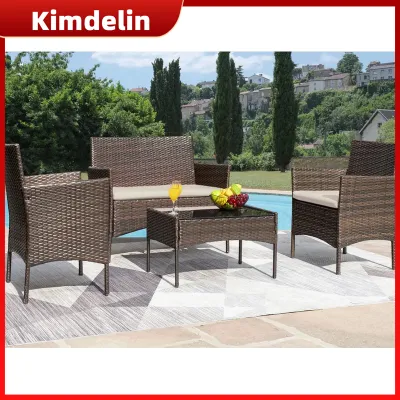
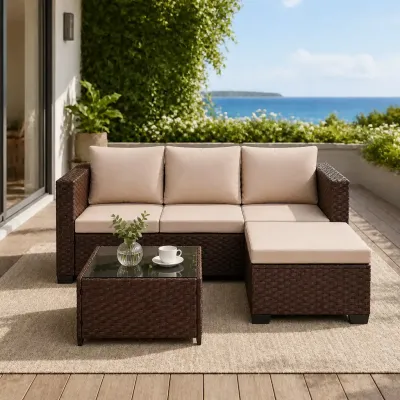
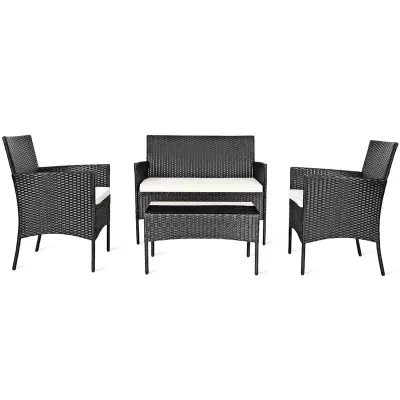
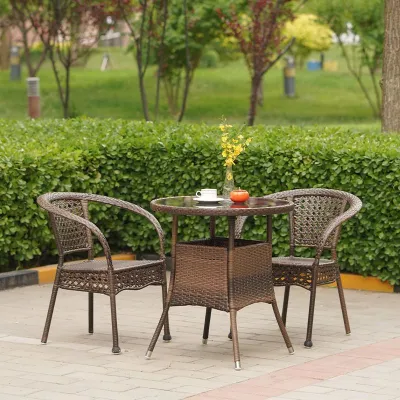
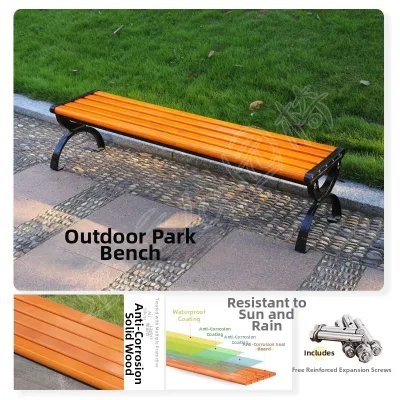
Prices are valid at publication and may change. Please refer to the product page for the latest price.
Next, break down this style into specific visual elements that you can actively match. Look closely at the primary color palette of your indoor furniture, noting the dominant neutrals of your sofa fabric and the accent colors of your throw pillows or rugs. Examine the surface textures present in the room, such as matte metal finishes, glossy lacquered surfaces, or prominent wood grains. Pay attention to the silhouette lines of your furniture—are they sharp and geometric, softly curved, or supported by tapered, mid-century legs?
Finally, assess the visual weight and scale of your indoor pieces. A room filled with chunky, deep-seated sectional sofas has a heavy visual weight, which will feel mismatched if paired with delicate, thin-framed wrought iron patio furniture. Conversely, if your indoor space features light, leggy chairs and floating shelves, your outdoor area should reflect that airy quality. Recording these observations creates a design blueprint, ensuring your outdoor selections do not feel disproportionately heavy, light, or stylistically disconnected from the adjacent indoor environment.
Translate Indoor Materials into Weather-Resistant Alternatives
Once you have mapped your indoor design elements, the next step is translating those materials into weather-resistant alternatives that can withstand the outdoor elements. You cannot simply move indoor materials outside; instead, look for outdoor-engineered materials that mimic the visual appeal of your indoor finishes.

If your indoor style relies heavily on warm wood grains, look for outdoor wood alternatives like teak, acacia, or wood-look aluminum. Teak is highly valued for its natural oils, which help resist moisture and insects, while acacia offers a warm tone. However, do not rely on the material name alone to guarantee performance. Check the manufacturer’s specifications for surface treatments, protective sealants, and joint construction. Ensure that wooden joints are secured with marine-grade hardware or weather-resistant adhesives rather than standard indoor glues that can dissolve in high humidity.
For upholstered pieces, translate indoor cotton, linen, or velvet textures into outdoor-specific fabrics. Look for solution-dyed acrylics or outdoor-grade polyesters with polyurethane backings. These fabrics are engineered to resist water penetration and UV degradation while maintaining a soft, textile-like feel that mimics indoor upholstery. Always verify the care labels and product specifications to confirm the fabric’s water-repellent rating and mold-resistance properties, especially in humid tropical climates where moisture buildup can quickly lead to mildew.
When mapping metal and stone elements, convert indoor brass, chrome, or polished marble into durable outdoor counterparts. Indoor brass can be echoed by gold-toned, powder-coated aluminum, which provides the same warm metallic glint without the risk of rapid tarnishing or rust. Polished indoor marble can be substituted with sintered stone or high-performance porcelain tiles for outdoor tabletops. These materials offer the elegant veining of natural stone but feature a non-porous surface that resists staining, cracking, and UV fading. Always verify that metal frames feature a multi-layer powder coating to prevent rust, particularly if your home is located in a coastal area with salty air.
Adapt Indoor Proportions and Design Lines for Patio Spaces
Translating your style successfully requires adapting indoor proportions to the physical constraints and functional demands of an outdoor patio or lanai. Outdoor furniture often requires different dimensions than indoor furniture to remain comfortable and functional in an open-air setting.
Outdoor seating typically features deeper seats and wider armrests to accommodate thicker, weather-resistant cushions and a more relaxed, lounging posture. Because of these larger profiles, you must verify the actual finished dimensions of the outdoor pieces against your available patio space. A sofa that looks perfectly proportioned in a showroom may overwhelm a compact balcony or narrow lanai. Measure your outdoor area carefully, leaving ample room for comfortable movement around each piece.
To maintain visual continuity, focus on repeating specific design lines and structural details from your indoor furniture. If your indoor dining chairs feature tapered, round legs, look for an outdoor dining set with similar leg profiles. If your living room features woven textures like rattan or cane, look for outdoor synthetic wicker that mimics these patterns. Synthetic polyethylene (PE) rattan provides the same organic, woven texture as natural rattan but offers superior resistance to moisture and UV splitting.
Additionally, prioritize clearance and flow when planning your layout. Before finalizing any purchase, check the dimensions of your doorways, hallways, and stairway passages to ensure the furniture can be safely delivered and moved to your patio. On the patio itself, maintain clear walkways of at least 70 to 90 centimeters between furniture pieces. This ensures that large outdoor sofas, chaise lounges, or dining tables do not obstruct foot traffic or block access to sliding glass doors and drainage ports.
Build a Cohesive Color Palette That Bridges Both Spaces
A carefully planned color palette is one of the most effective tools for bridging your indoor and outdoor living areas. By extending your indoor color scheme to your patio, you create a visual thread that draws the eye naturally from one space to the other.
Start by extending your indoor neutral base colors to your large outdoor furniture pieces. If your indoor sofa is a light beige or a cool gray, choose outdoor furniture frames or primary cushions in a matching neutral shade. Once the neutral foundation is set, use smaller, easily swappable outdoor accessories—such as throw pillows, outdoor rugs, or decorative planters—to introduce your indoor accent colors. If your living room features teal or terracotta accents, repeating these colors on your patio cushions creates an instant, intentional connection.
When planning your outdoor palette, you must account for the intense natural light of outdoor environments. Colors often appear brighter and more washed out under direct sunlight than they do under indoor lighting. Furthermore, intense tropical sunlight can cause rapid fading. Rather than assuming a fabric will retain its color, verify the manufacturer’s UV-resistance specifications, looking for fabrics rated for high lightfastness hours.
Finally, integrate the colors of your natural surroundings into your palette. Consider the hues of your garden plants, exterior wall paint, and flooring materials. If your patio is surrounded by lush green foliage, incorporating earthy tones, warm wood finishes, or soft sandy neutrals will help your furniture harmonize with both your indoor decor and the natural outdoor landscape.
Verify Dimensions, Durability Specs, and Maintenance Needs
Before making your final purchase, conduct a thorough verification of the furniture’s technical specifications, dimensions, and maintenance requirements to ensure it meets both your design goals and practical needs.
First, confirm the finished product dimensions and compare them to your layout plan. Check the manufacturer’s stated weight capacity limits and structural stability features, especially for seating and dining tables. If you live in an area prone to high winds or typhoons, consider the weight of the furniture and its anchoring options. Lightweight aluminum or plastic pieces may require secure anchoring or storage solutions, whereas heavier teak or wrought iron pieces offer greater wind resistance but may be harder to move.
Next, review the assembly requirements and care instructions. Understand what tools are required for assembly and whether the furniture arrives flat-packed or fully assembled. Examine the recommended cleaning procedures: does the wood require annual oiling to maintain its color, or can it be cleaned with mild soap and water? Are the cushion covers removable and machine-washable? Knowing these details beforehand helps you choose furniture that fits your lifestyle and maintenance capacity.
Establish clear stop conditions for your purchase. If a product listing or label lacks essential outdoor protection specifications—such as UV stabilizers, rust-resistant hardware, or water-repellent fabric ratings—halt the purchase and seek alternatives. Do not compromise on durability for the sake of style; a beautiful piece that deteriorates after one rainy season will quickly disrupt the cohesive look you worked hard to achieve.
Frequently Asked Questions (FAQ)
Can I use my indoor furniture outside if I apply a weatherproof sealant?
No, you should avoid using indoor furniture outdoors, even if you apply an aftermarket weatherproof sealant. Indoor furniture is constructed with internal components—such as standard wood glues, non-marine hardware, and untreated plywood frames—that are not designed to withstand outdoor humidity, temperature fluctuations, and moisture. A surface sealant only provides temporary protection to the exterior finish and cannot prevent the internal structure from warping, rotting, or splitting over time. To ensure safety and longevity, rely strictly on furniture that carries the manufacturer’s explicit declaration for outdoor use.
How do I maintain the visual connection between indoor and outdoor spaces during the rainy season?
To preserve visual continuity during the rainy season, select all-weather furniture frames—such as powder-coated aluminum or high-quality synthetic wicker—that can remain uncovered or look attractive even when their cushions are stored away. Plan a dedicated indoor storage space, such as a dry storage bench or closet, for your outdoor cushions and throw pillows to protect them from heavy downpours. When covering your furniture, choose high-quality, fitted waterproof covers in neutral tones that complement your indoor color scheme, ensuring your patio maintains a neat, cohesive appearance even when the furniture is protected.

Community discussion
Share your experience or ask a question. Comments are reviewed before publication.