
Choosing an outdoor tables and chairs set that complements a modern Filipino style home requires a thoughtful balance of contemporary design principles and rich, tropical heritage. The modern Filipino aesthetic is not about replicating historical structures, but rather about translating traditional warmth, natural textures, and open-air living into clean, minimalist forms. Because the local climate presents unique challenges—ranging from intense tropical sun and high humidity to sudden, heavy monsoon downpours—your choice of furniture must be as structurally resilient as it is visually appealing. By focusing on verified material treatments, precise spatial planning, and cohesive design elements, you can select an outdoor set that serves as a natural extension of your indoor living space.
Defining the Modern Filipino Aesthetic for Outdoor Spaces
The modern Filipino aesthetic thrives on the concept of open, breezy spaces that blur the boundary between the indoors and the outdoors. In contemporary architecture, this translates to expansive glass sliding doors, covered lanais, and open patios that invite natural light and ventilation. When selecting an outdoor tables and chairs set, look for designs that mirror this architectural openness. Pieces with slender, clean-lined frames allow light and air to pass through, preventing the outdoor area from feeling cramped or visually heavy. This design philosophy ensures that your furniture respects the natural flow of your home’s exterior layout.
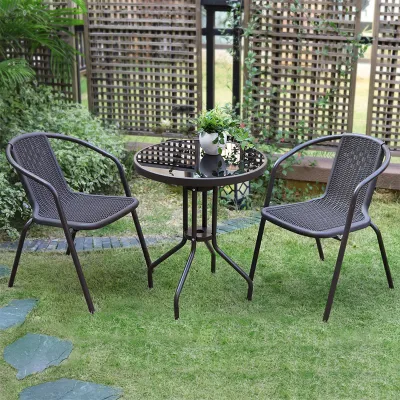
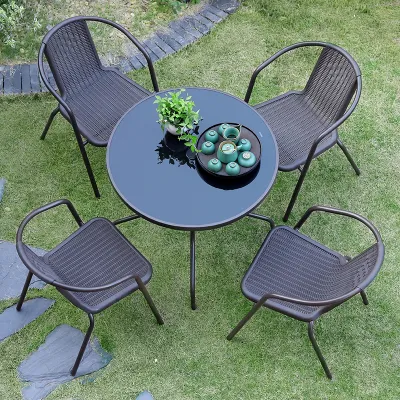
Texture plays a pivotal role in defining this style, serving as the bridge between modern minimalism and local craftsmanship. Traditional homes historically relied on woven split-bamboo, rattan, and intricate weaving patterns to facilitate airflow. Modern interpretations capture this tactile quality by incorporating synthetic or treated natural weaves into sleek metal or wooden frames. An outdoor dining table with a smooth, slatted teak top paired with chairs featuring open-weave backrests immediately evokes a tropical, coastal feel without sacrificing contemporary sophistication. The contrast between smooth, industrial surfaces and organic, textured weaves creates a dynamic visual interest that is central to the style.
Products mentioned in this guide
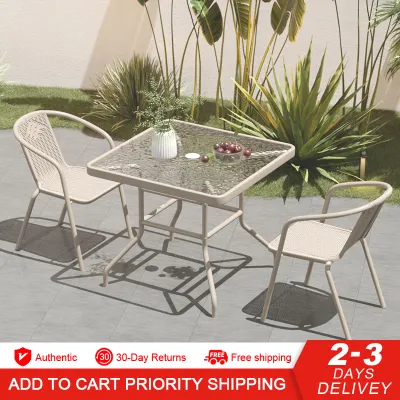
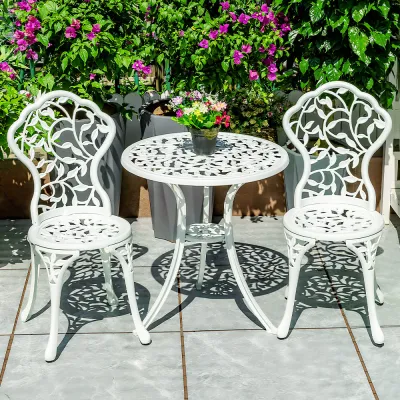
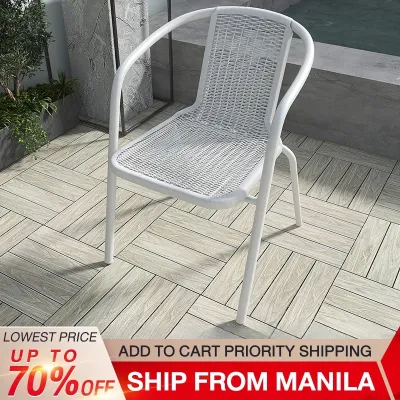
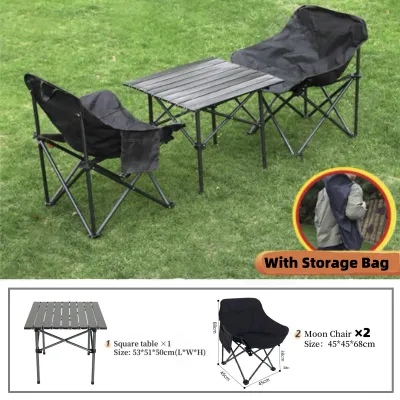
Prices are valid at publication and may change. Please refer to the product page for the latest price.
Color selection is equally important in establishing a cohesive modern Filipino look. The base palette should consist of sophisticated neutrals that draw inspiration from the local landscape—think of sandy beiges, volcanic grays, deep charcoal, and warm terracotta. These muted tones allow the vibrant green of tropical foliage, such as wild bananas, ferns, and palms, to stand out as the primary accent colors. Avoid overly bright or synthetic colors for the main furniture frames; instead, use cushions, throw pillows, or table runners to introduce subtle pops of color that can be easily updated as seasons change.
Finally, consider the visual weight and proportions of the furniture set in relation to your outdoor surroundings. A massive, solid wooden dining set might overwhelm a compact urban balcony, whereas a delicate, thin-framed bistro set could look lost on a spacious, high-ceilinged lanai. Evaluate the height of the chair backs and the thickness of the table legs to ensure they harmonize with your home’s architectural lines. Low-profile seating is particularly effective for modern homes, as it preserves unobstructed views of your garden, pool, or city skyline, maintaining an expansive and uncluttered atmosphere.
Key Selection Criteria for Outdoor Tables and Chairs Sets
Before committing to a specific design, you must establish the physical boundaries and functional requirements of your outdoor space. Begin by taking precise measurements of the patio, deck, or balcony where the set will be placed. Note the locations of any architectural features such as columns, sliding door tracks, steps, or low-hanging rooflines. To ensure a comfortable dining experience, allow at least 75 to 90 centimeters of clearance behind each chair so guests can pull out their seats and stand up without hitting walls or railings. Additionally, maintain a clear walkway of at least 60 centimeters around the perimeter of the set to facilitate smooth traffic flow.

Consider how the layout of your outdoor tables and chairs set will interact with daily household activities and entertaining. If your outdoor space is multi-functional, a modular or flexible arrangement might be more practical than a fixed, formal dining setup. For instance, a high-top bar set can save space on a narrow balcony while offering a casual spot for morning coffee or evening drinks. For larger lanais, a spacious rectangular dining table can serve as the centerpiece for extended family gatherings, provided the surrounding space allows for easy movement. Always map out these pathways on paper or use painter’s tape on the floor to visualize the layout before making a purchase.
Logistics and delivery access are critical factors that are often overlooked until the delivery truck arrives. Measure the height, width, and diagonal clearance of all doorways, hallways, stairwells, and elevator cabins through which the furniture must pass. If you reside in a high-rise condominium or a gated subdivision, consult the property management regarding delivery hours, elevator weight limits, and any specific access restrictions. Choosing a flat-packed outdoor set that requires on-site assembly can significantly reduce the risk of transport damage and make navigating tight stairwells or small elevators much easier.
Structural stability and load capacity are essential for furniture that will be subjected to frequent use and changing weather conditions. Check the manufacturer’s specifications for the maximum weight capacity of both the chairs and the table to ensure they meet your household’s needs. Inspect the joints and connection points of the furniture; high-quality sets feature reinforced joints, such as double-welded seams on metal frames or robust mortise-and-tenon joinery on wooden pieces. Avoid sets that rely on flimsy screws or simple glue at critical load-bearing points, as these can quickly loosen and compromise the safety of the furniture under regular use.
Ergonomic comfort should never be sacrificed for aesthetic appeal, especially for furniture intended for relaxation and long gatherings. Test or verify the seat depth, backrest angle, and armrest height to ensure they support a natural, comfortable posture. For dining sets, the standard height difference between the seat cushion and the tabletop should be approximately 30 centimeters to provide adequate legroom. If you are selecting un-cushioned chairs, look for contoured seats or flexible woven backrests that distribute body weight evenly and prevent discomfort during extended periods of sitting.
Material and Finish Guide for Tropical Climates
The Philippine climate presents a demanding environment for outdoor furniture, characterized by high humidity, intense ultraviolet radiation, and heavy seasonal rainfall. When considering natural materials like rattan, bamboo, or solid wood, it is vital to verify their specific treatment and suitability for outdoor use. Check the manufacturer’s labels to confirm if the wood has been properly kiln-dried and treated with protective sealants to resist moisture absorption and insect infestation. Natural hardwoods like teak, shorea, or local ipil are naturally oil-rich and highly durable, but they still require regular maintenance to preserve their original color and prevent weathering.
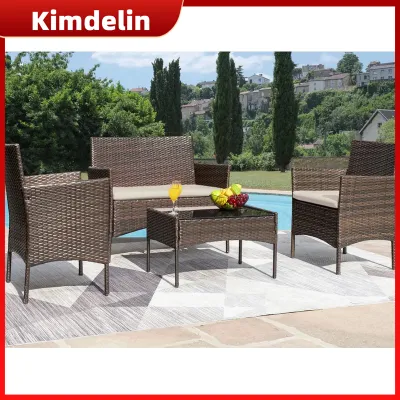
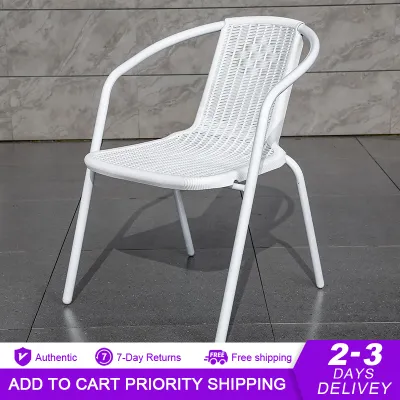
For areas with direct exposure to sun and rain, synthetic materials and treated metals offer reliable durability and lower maintenance requirements. Powder-coated aluminum is a highly functional choice for metal frames because it is lightweight, highly resistant to rust, and does not retain heat as intensely as iron or steel. If you prefer the look of traditional woven furniture, opt for high-density polyethylene synthetic wicker rather than low-grade alternatives. Ensure the manufacturer specifies that the synthetic fibers are infused with UV-inhibitors, which prevent the material from fading, cracking, or becoming brittle under constant sun exposure.
Cushions and upholstery require specialized fabrics engineered to withstand wet and humid conditions without developing mold or mildew. Inspect the product tags for solution-dyed acrylic or high-performance polyester fabrics that feature water-repellent and UV-resistant coatings. These materials allow water to bead up and roll off the surface rather than soaking into the cushion core. Furthermore, verify that the inner cushion consists of quick-dry polyurethane foam or open-cell fiberfill, and check for mesh drainage panels on the underside of the cushion covers to allow any trapped moisture to escape rapidly.
Coastal homes face the additional challenge of salty air, which accelerates the corrosion of metal components. If your home is located near the ocean, prioritize marine-grade stainless steel or thick, multi-layered powder-coated aluminum. Avoid standard steel or wrought iron, as the salt-laden humidity will quickly penetrate minor paint chips and cause structural rust. Regularly rinsing your outdoor tables and chairs set with fresh water can also help remove salt deposits and extend the life of the protective finishes, regardless of the material chosen.
Building Your Shortlist: Sourcing and Pre-Purchase Verification
Building a reliable shortlist of outdoor tables and chairs sets involves a strategic combination of online research and physical inspection. Online marketplaces and e-commerce platforms offer a wide variety of styles, sizes, and price points, allowing you to quickly filter options based on your specific criteria. However, visiting physical showrooms or local artisan workshops is highly recommended to assess the actual comfort, scale, and build quality of the furniture. Sitting in the chairs, feeling the texture of the woven fibers, and observing the stability of the table firsthand provides greater confidence that digital images cannot replicate.
Before finalizing your purchase, engage in direct communication with the seller or manufacturer to verify critical product details and policies. Request a copy of the assembly instructions to determine if the set requires specialized tools or if professional installation is recommended. Confirm the exact terms of the warranty, paying close attention to what components are covered—such as frame structural integrity, rust resistance, or fabric fading—and the process for filing a claim. If you are commissioning custom-made furniture from local craftsmen, clarify the timeline, the specific sealing products to be used, and the delivery arrangements to avoid unexpected delays.
When planning your budget in Philippine Pesos (₱), look beyond the initial purchase price of the furniture set to understand the total cost of ownership. Factor in delivery fees, which can be substantial for bulky or fully assembled outdoor sets, especially if you live outside major urban centers. Additionally, allocate a portion of your budget for protective accessories, such as heavy-duty, breathable furniture covers designed to shield your set during severe weather. Investing in high-quality covers and basic maintenance supplies early on protects your furniture from premature wear, ensuring your outdoor dining area remains beautiful and functional for years to come.
Frequently Asked Questions (FAQ)
How do I maintain natural wood or woven outdoor furniture?
Maintaining natural wood or woven outdoor furniture requires a consistent, gentle cleaning routine to prevent dirt buildup and weathering. Always consult the manufacturer’s care guide for approved cleaning agents, which typically involve a mild, pH-neutral soap mixed with warm water and applied using a soft-bristled brush or microfiber cloth. Avoid using high-pressure washers or abrasive chemical cleaners, as these can strip away protective sealants, splinter wood fibers, and degrade synthetic weaves. During periods of heavy rain or prolonged disuse, protect your furniture with breathable, water-resistant covers, and store fabric cushions indoors to prevent moisture retention and mold growth.
Can I mix modern metal frames with traditional woven seats?
Yes, mixing modern metal frames with traditional woven seats is a highly effective way to achieve a balanced modern Filipino aesthetic. To ensure visual harmony, select a metal frame finish—such as matte black, charcoal, or dark bronze—that complements the natural, warm undertones of the woven material. Before purchasing, inspect the structural connection points where the woven elements meet the metal frame to verify they are securely fastened with rust-resistant hardware and free from sharp edges. This material combination offers the best of both worlds: the structural strength, stability, and low maintenance of metal, paired with the organic warmth, comfort, and cultural texture of traditional weaving.
Community discussion
Share your experience or ask a question. Comments are reviewed before publication.