
Selecting the right Shoerock closet organizers—such as hangers, storage bags, and internal dividers—depends entirely on matching the product dimensions and structural limits to your specific wardrobe configuration. Whether you are outfitting a compact reach-in closet, a standard built-in wardrobe, or a spacious walk-in closet, the primary decision relies on verifying internal clearances, weight capacities, and material suitability before making a purchase. By taking precise measurements and understanding how different materials react to local environmental conditions, you can build an organized, functional closet system that protects your garments and maximizes every square inch of storage space.
Assessing Your Wardrobe Configuration and Storage Needs
Before purchasing any organization system, you must conduct a thorough physical assessment of your existing wardrobe. This process begins with taking accurate measurements of the internal height, width, and depth of your closet. It is common for wooden wardrobes or built-in concrete closets to have slight structural variances, meaning a single measurement might not represent the entire space. To avoid purchasing organizers that are too wide or too tall, measure the width at the top, middle, and bottom, and measure the depth at both the left and right sides. Use the smallest recorded dimension as your guide when checking product specifications.
Beyond basic dimensions, you must identify potential physical obstructions within the wardrobe. Hinges, sliding door tracks, and internal support brackets often protrude into the usable space, reducing the actual clearance available for drawers, pull-out baskets, or hanging organizers. For example, a shelf divider might fit the nominal width of a shelf but block a sliding door from closing if it sits too far forward. Always measure the clearance from the innermost edge of the door frame or hinge mechanism to ensure that any organizer you install will not interfere with the daily operation of the wardrobe doors.
Products mentioned in this guide
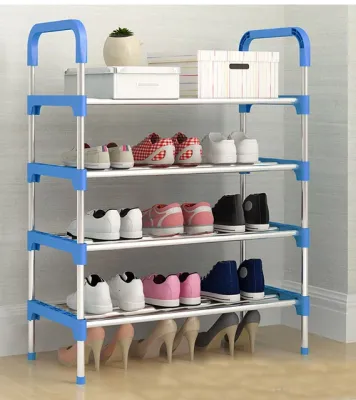
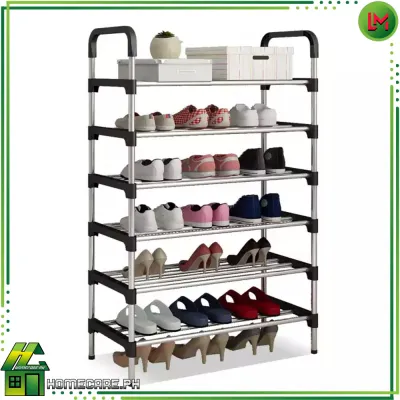
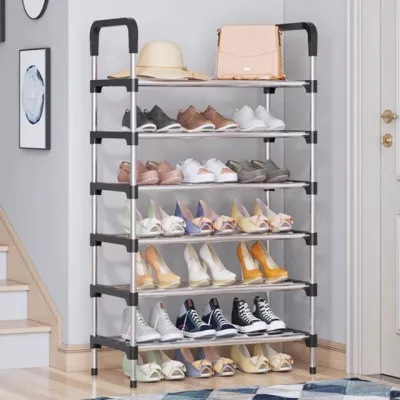
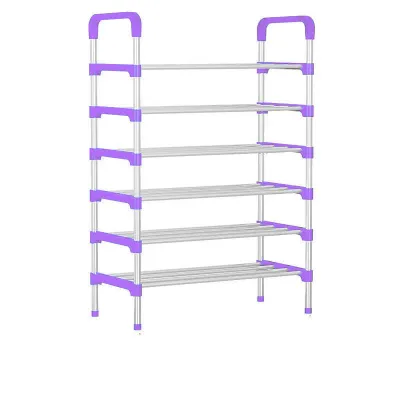
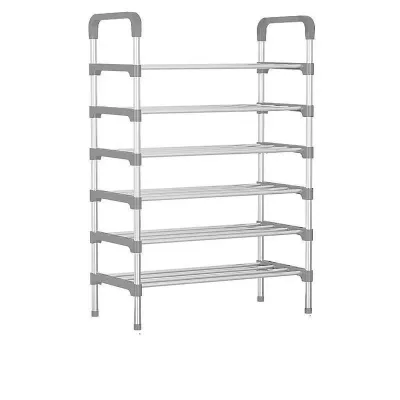
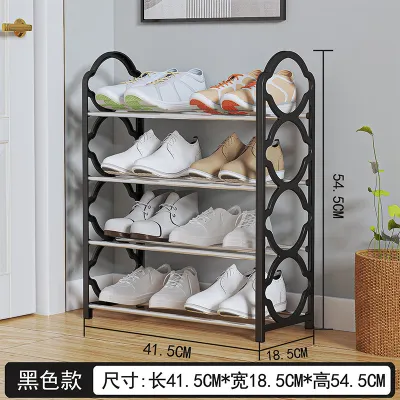
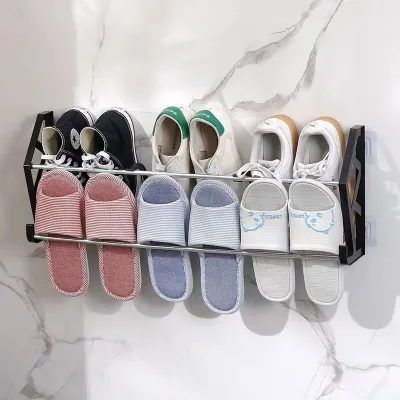
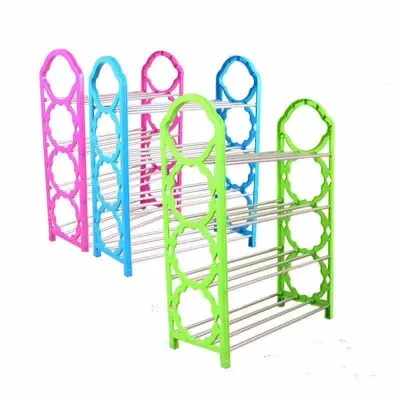
Prices are valid at publication and may change. Please refer to the product page for the latest price.
Evaluating the weight and volume of your wardrobe contents is equally critical for determining the structural requirements of your organizers. Heavy denim, formal wear, and thick bedding place significantly more stress on hanging rods and shelves than lightweight cotton shirts or summer wear. Categorize your clothing by type and estimate the total weight of each category. This assessment will help you decide whether you need heavy-duty metal hangers, reinforced fabric storage bags, or lightweight plastic dividers. Overloading a closet organizer not only risks damaging the product itself but can also lead to sagging wardrobe rods or collapsed internal shelves.
Finally, classify your wardrobe type to establish a clear baseline for your organization strategy. Compact reach-in closets require space-saving solutions that prioritize vertical density and utilize door backs or narrow gaps. Standard built-in wardrobes benefit from modular inserts, shelf dividers, and structured hanging systems that segment the space into dedicated zones. Walk-in closets allow for larger, freestanding units, specialized seasonal storage bags, and comprehensive hanging layouts. Defining your wardrobe category helps you narrow down the product catalog to items that are physically and functionally compatible with your space.
Matching Shoerock Organizers to Wardrobe Sizes
Solutions for Small and Compact Wardrobes
In small or compact wardrobes, the primary goal is to maximize vertical space and exploit underutilized areas without causing physical congestion. Standard hangers often consume excessive horizontal rod space due to their thickness and wide shoulder profiles. For tight spaces, selecting slim-profile hangers can significantly increase your hanging capacity. Multi-tier hangers, which allow multiple garments to hang vertically from a single rod attachment point, are highly effective for organizing trousers, skirts, or light tops. However, you must verify that your wardrobe has sufficient vertical clearance so that the lowest hanging garments do not bunch up on the closet floor.

Over-door and side-hanging storage bags offer excellent alternative storage in restricted spaces, but their installation requires careful physical checks. Before hanging an organizer over a wardrobe door, measure the gap between the top of the door and the frame to ensure the hooks will not prevent the door from closing. Additionally, check the strength of the door hinges; heavy items stored in an over-door bag can cause the door to sag over time, misaligning the latch. Side-hanging organizers that attach directly to the main wardrobe rod must be evaluated against the rod’s total weight capacity to prevent bending or structural failure.
When using stacked internal organizers, such as plastic drawers or fabric cubbies, in a compact closet, door clearance remains a critical factor. Measure the depth of the organizer and compare it to the internal depth of the wardrobe, leaving at least two centimeters of clearance. If the organizer sits flush with the front edge of the shelf, it may prevent sliding doors from bypassing each other or stop hinged doors from latching securely. Opt for modular, stackable units that allow you to customize the height and width to fit the exact contours of your small closet.
Optimizing Standard Built-In Wardrobes
Standard built-in wardrobes typically feature a combination of fixed shelving, drawers, and one or two hanging rods. To optimize these spaces, modular internal organizers like shelf dividers and drawer inserts must be carefully matched to the existing woodwork. Shelf dividers are excellent for keeping folded t-shirts, sweaters, and linens in neat, vertical stacks, preventing them from toppling over. Before purchasing, measure the thickness of your wooden shelves to ensure the divider clamps or slide-on mechanisms can grip the shelf securely without scratching the finish or splitting the wood.
Hanger spacing and rod capacity are major considerations when upgrading a standard wardrobe. While multi-layer hangers are convenient for grouping similar items, they concentrate a significant amount of weight onto a single point on the wardrobe rod. Inspect the mounting brackets of your closet rod; if the rod is long and lacks a center support bracket, it is highly susceptible to sagging under heavy loads. Space your hangers evenly and avoid clustering heavy winter coats or multiple multi-tier hangers in the center of the rod. If necessary, consider installing an intermediate support bracket to reinforce the rod before adding dense hanging systems.
Depth compatibility is another common issue in standard built-ins, particularly those with sliding doors. Many modular storage boxes and fabric bins are designed with standard depths that may exceed the shallow shelves of older built-in wardrobes. If an organizer protrudes even slightly past the front edge of the shelf, it can block the sliding door track or rub against the door panel, causing wear on both the door and the organizer. Always verify the external depth of the organizer, including any handles or pull tabs, against the clear depth of your shelves.
Organizing Walk-In Closets and Large Spaces
Walk-in closets offer abundant space, but without a systematic approach, they can quickly become cluttered and disorganized. Large-capacity storage bags are ideal for managing seasonal garments, extra bedding, and occasional-use items in these larger layouts. When selecting heavy-duty storage bags, pay close attention to the hanging mechanisms and handle reinforcements. Bags designed to hang from a closet rod must feature robust metal hooks and double-stitched fabric loops to support the weight of multiple heavy garments over long periods.
Freestanding organizers and island units can enhance the functionality of a walk-in closet, but they require careful evaluation of floor clearance and stability. Ensure the floor surface is perfectly level, as uneven flooring can cause tall, freestanding shelves to wobble or tip. If you are installing tall shelving units, look for models that include wall-anchoring hardware to secure them to the wall studs. This is especially important in regions prone to seismic activity or in homes where units might be accidentally bumped.
Maintaining adequate walkway clearance is essential for safety and comfort in a walk-in closet. As a general rule, keep walkways at least 60 to 90 centimeters wide to allow for comfortable movement and easy access to all storage zones. Tall organizers should not block overhead lighting fixtures or ventilation grates, as poor airflow in a large closet can lead to stagnant air and localized moisture buildup. Position taller units against solid walls and keep the center of the room clear or occupied only by low-profile seating or island units that do not obstruct the line of sight or air circulation.
Key Selection Criteria for Shoerock Storage Products
When evaluating Shoerock storage products, a systematic review of material specifications and structural details is essential to ensure long-term durability. In tropical climates like the Philippines, high relative humidity can cause mold, mildew, and structural degradation in poorly ventilated closets. When selecting fabric storage bags or hanging organizers, look for breathable materials such as non-woven fabrics or canvas that allow air circulation while keeping dust out. For plastic organizers, verify that the material is thick and resistant to warping under constant load.
Moisture resistance is a critical factor for any closet organizer used in humid environments. Check product labels for water-resistant coatings or specialized synthetic fibers that do not absorb moisture from the air. Metal components, such as hanger hooks, zipper pulls, and wire frames, should feature rust-resistant surface treatments like powder coating or chrome plating. Untreated metal hardware can quickly corrode in humid conditions, leaving rust stains on your garments and weakening the structural joints of the organizer.
The structural integrity of loaded organizers depends heavily on connection structures, stitching quality, and joint stability. Examine the seams of fabric organizers; double-stitched edges and reinforced piping provide superior resistance to tearing under weight. For hanging organizers that attach to a closet rod with hook-and-loop fasteners, ensure the fastening strip is wide and securely stitched to the main body of the unit. Weak fasteners can slip or peel open when the compartments are filled to capacity, causing the entire organizer to fall.
Always adhere to the manufacturer-specified maximum weight limits for every organizer you install. These limits are calculated to prevent structural failures such as rod sagging, hook deformation, or fabric tearing. If a hanging organizer has a specified limit of 10 kilograms, distribute the weight evenly across all shelves rather than placing all heavy items in a single compartment. Additionally, identify the specific care and cleaning routines required for each material. Fabric organizers typically require spot cleaning with a damp cloth and mild detergent, while plastic and metal units can be wiped down with a dry microfiber cloth to prevent dust accumulation.
Where to Buy and What to Verify Before Checkout
To ensure a successful purchase, it is best to source Shoerock products through official brand stores or highly rated sellers on reputable online marketplaces. Before finalizing your order, cross-reference the listed product dimensions with your measured wardrobe clearances. Do not rely solely on product photos, which can sometimes make items appear larger or smaller than they are in reality. Check the detailed specification sheet for the exact height, width, and depth, and compare these figures to the physical limits of your closet shelves and rods.
Reviewing the seller’s return policies and warranty terms is a crucial step in protecting your investment. Verify that the seller offers a clear return window for structural defects, missing parts, or shipping damage. This is particularly important for multi-piece organizer sets or items with complex assembly requirements, where a single missing screw or bent bracket can render the entire system unusable. Look for sellers that provide responsive customer support and clear instructions for filing a return or exchange.
User feedback and product reviews offer valuable insights into the real-world performance of closet organizers. Look for reviews that discuss installation challenges, actual weight-bearing capacity, and sizing accuracy. Pay attention to feedback from buyers who have used the products in similar wardrobe configurations or environmental conditions. If multiple reviews mention that a specific hanger model bends under heavy garments or that a storage bag zipper is prone to splitting, use this information to adjust your selection or choose a more robust alternative.
Finally, compare shipping costs and delivery times, especially when ordering bulky or heavy organizer sets. Large plastic storage boxes, freestanding metal racks, and bulk hanger packs can incur high shipping fees due to their volumetric weight. Check if the seller offers bundled shipping discounts or promotional delivery rates. Ensure that the estimated delivery window aligns with your organization schedule, and verify that the packaging is robust enough to protect fragile plastic or metal components from damage during transit.
Frequently Asked Questions (FAQ)
Can Shoerock storage bags protect clothes from humidity?
To determine if a Shoerock storage bag protects garments from humidity, you must check the product specification sheet for sealed zippers, water-resistant coatings, and moisture-barrier materials. While high-quality synthetic fabrics and tight closures help reduce dust and direct water contact, no storage bag is entirely immune to ambient humidity over long periods without additional environmental controls. In highly humid areas, it is advisable to place silica gel packets or moisture absorbers inside the storage bags and ensure the wardrobe itself is regularly ventilated.
How do I measure my wardrobe for internal organizers?
To measure your wardrobe accurately, use a metal measuring tape and record the internal width, depth, and height at three different points: the top, middle, and bottom. This accounts for any structural warping or uneven walls. Next, subtract the space occupied by door hinges, sliding tracks, baseboards, and back panels to find the true usable clearance. Always use the smallest resulting measurement as your maximum limit when selecting shelf dividers, drawer inserts, or freestanding organizers to ensure a proper fit.
Community discussion
Share your experience or ask a question. Comments are reviewed before publication.