
Relocating to a new home in the Philippines—often referred to locally as lipat bahay—presents unique spatial and logistical challenges, especially when moving into compact condominiums, townhouses, or multi-generational family homes. Slim drawer storage organizers serve as highly efficient tools during this transition, allowing you to maximize narrow, underutilized gaps while keeping your belongings categorized and protected. Choosing the right organizers requires looking beyond basic aesthetics; you must evaluate how these units handle the physical stress of transport and the high humidity of the local climate.
This guide outlines the essential structural criteria, specific use cases, and safe transport practices to help you select organizers that transition seamlessly from the moving truck to your new living space. By focusing on verifiable manufacturer specifications rather than generic material claims, you can ensure your investment survives the journey and functions perfectly in your new layout.
Evaluation Criteria for Moving-Friendly Drawer Organizers
When preparing for a move, the structural integrity of your storage units determines whether they arrive intact or end up damaged in transit. Do not assume that a material name alone, such as plastic or wood, guarantees durability. Instead, inspect the manufacturer’s specifications for impact-resistance ratings and maximum weight capacities per drawer. High-quality polymers or reinforced frames are often preferred for local moves because they resist cracking when subjected to the vibrations of a moving vehicle on uneven roads.
Products mentioned in this guide
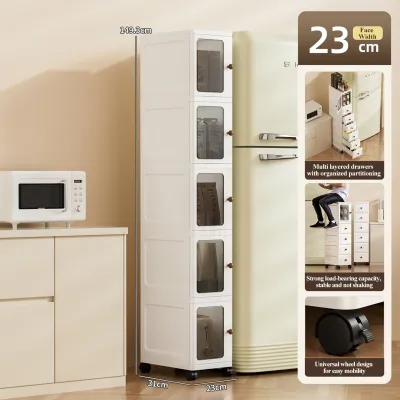

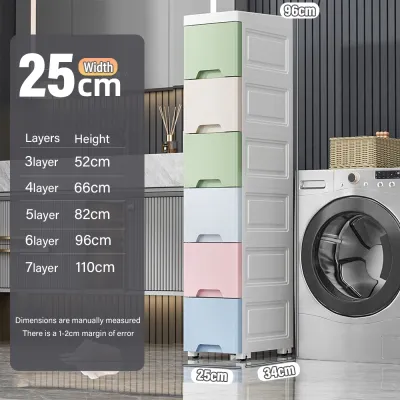
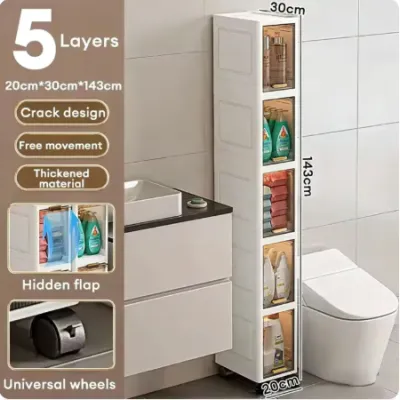

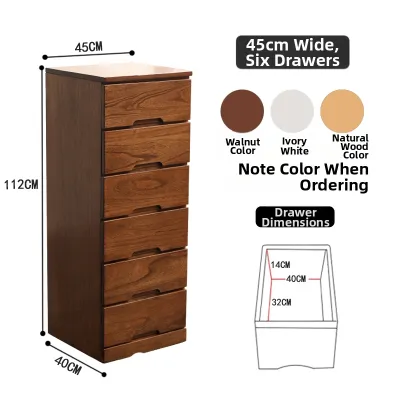
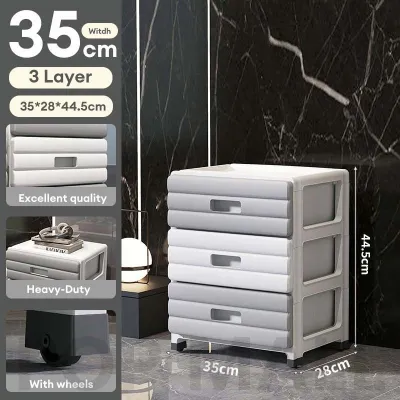

Prices are valid at publication and may change. Please refer to the product page for the latest price.
Portability is another critical factor that simplifies the packing and loading process. Look for slim drawer units equipped with integrated, molded handles or recessed grips that allow for a secure hold without adding bulk to the unit’s exterior dimensions. Detachable components, such as removable casters or modular frames, are highly advantageous because they let you strip the unit down to its core structure for safer stacking inside a moving truck.
Stackability and interlocking mechanisms are vital for both transport safety and space optimization in your new home. If you plan to stack multiple slim units to utilize vertical space, verify that the manufacturer has designed them with interlocking grooves, nesting tops, or dedicated connector clips. Units that merely sit on top of one another without physical nesting are highly prone to sliding and tipping when the moving vehicle turns or brakes suddenly.
Finally, examine the drawer glide and stopper mechanisms closely. During a move, unsecured drawers can easily slide open, spilling their contents and potentially damaging the drawer tracks. Opt for organizers that feature built-in drawer stops—small plastic tabs or catches that prevent the drawer from being pulled completely out of the frame unless tilted. Some advanced models include physical latches or click-to-close designs that lock the drawers in place, providing peace of mind during transit.
Recommended Types of Slim Drawer Organizers by Use Case
Selecting the right slim drawer organizer requires matching the physical characteristics of your belongings to the specific dimensions and weight limits of each storage unit. Overloading a shallow drawer with heavy items or forcing bulky items into a narrow frame can warp the tracks and ruin the organizer before you even unpack.

For Clothing and Accessories
When organizing garments for a move, drawer depth and ventilation are your primary considerations. Measure your folded clothing—such as t-shirts, undergarments, and socks—to ensure the drawer depth can accommodate them without compressing the fabric excessively. Look for units that offer adjustable or removable internal dividers, which allow you to customize compartment sizes for smaller accessories like belts, watches, or jewelry, preventing them from shifting and tangling during the journey.
The tropical climate of the Philippines introduces high humidity levels, which can trap moisture inside sealed containers and lead to mold or musty odors. If you plan to store seasonal clothing or linens in these organizers for several weeks before unpacking, check the manufacturer’s specifications for ventilation features. Molded plastic drawers with subtle air vents or breathable fabric-paneled drawers help maintain airflow, though you should verify that the placement of these vents does not expose your clothes to dust during the actual move.
For Documents and Office Supplies
Paper documents, books, and office stationery are deceptively heavy and require organizers with high structural density. Before purchasing a slim unit for your home office supplies, verify the exact weight capacity of each drawer to ensure it can support stacks of paper or small electronic devices without sagging. Shallow drawers are generally better for documents because they prevent deep stacking, which makes items difficult to retrieve and puts excessive stress on the bottom of the drawer.
To protect sensitive paperwork, certificates, and electronics during transit, prioritize units with secure latching mechanisms that keep the drawers firmly shut. Additionally, look for organizers that feature anti-slip rubber pads or textured bases. These pads prevent the entire unit from sliding around on temporary desks, folding tables, or tiled floors as you set up your new workspace.
For Toiletries and Small Household Items
Organizing bathroom toiletries, kitchen spices, or cleaning supplies requires materials that can withstand moisture, spills, and frequent cleaning. Review the manufacturer’s care instructions to ensure the organizer’s surface is non-porous and resistant to chemical staining. Smooth, high-density plastics or treated acrylics are excellent choices because they do not absorb liquids or trap odors, allowing you to easily wipe away leaked shampoo or oil.
Pay close attention to the vertical clearance of the drawers. Measure your tallest shampoo bottles, lotion dispensers, or cleaning sprays to ensure they can stand upright inside the drawers. Forcing tall bottles to lie flat increases the risk of leaks during transport, so choosing a unit with at least one deep bottom drawer is highly recommended for these specific household items.
Space Planning and Measurement Guide for Your New Home
A common mistake during a move is purchasing storage organizers that do not fit the actual dimensions of the new residence. To avoid this, conduct a thorough, step-by-step measurement of the narrow gaps, alcoves, closet interiors, and spaces between large furniture pieces in your new home. Use a reliable measuring tape to record the width, depth, and height of these target areas, keeping in mind that baseboards, wall trim, and electrical outlets can reduce the usable width by several centimeters.
Do not just measure the static footprint of the organizer; you must also account for operational clearance. Ensure there is sufficient space in front of the unit to fully extend the drawers without hitting walls, doors, or other furniture. If the organizer is placed in a high-traffic hallway or a narrow walk-in closet, verify that an open drawer will not completely block the walkway or prevent adjacent doors from swinging open.
Floor levelness is another critical factor, particularly in older buildings or homes with tiled floors that may have slight slopes. Check the levelness of your target spots and look for slim organizers that feature adjustable leveling feet or stabilizing pads. If the manufacturer does not provide these, you will need to plan for shim inserts to keep the unit perfectly upright and prevent the drawers from sliding open on their own due to gravity.
Finally, plan the logistics of moving the unit into its final position. Measure the narrowest points of your entryways, hallways, stairwells, and elevator doors in the new building. Even if a slim organizer fits perfectly in your bedroom corner, it is useless if the fully assembled frame cannot clear a tight turn in a condominium corridor or a low ceiling in a staircase.
Safe Packing and Transport Practices for Drawer Units
Protecting your slim drawer organizers and their contents during the physical move requires deliberate preparation. To secure the drawers and prevent them from sliding open inside the moving vehicle, wrap the entire unit in stretch wrap or use high-quality, residue-free painter’s tape. Avoid using standard packing tape or duct tape directly on plastic or wooden surfaces, as the adhesive can bake under the sun, leaving a sticky residue or stripping away the outer finish.
Proper weight distribution is essential for maintaining stability during transit. Always pack your heaviest items—such as books, documents, or full bottles—in the bottom drawers of the organizer, leaving lighter items like clothing or linens for the top. This lowers the unit’s center of gravity, making it far less likely to tip over when the moving truck encounters sudden stops, sharp turns, or bumpy roads.
Consult the manufacturer’s assembly instructions to determine whether it is safer to transport the unit fully assembled or partially disassembled. For lightweight plastic modular units, it is often easiest to remove the drawers entirely, pack them individually in moving boxes, and transport the empty frame separately. For larger, structurally complex, or heavy wooden units, attempting a DIY move can lead to structural damage or personal injury; in these cases, halt the process and consult professional movers who have the equipment to secure the units properly.
Frequently Asked Questions (FAQ)
Can I leave items inside the drawers during the move?
It depends entirely on the weight of the items and the structural design of the organizer. Lightweight, non-fragile items like clothing, socks, or plastic containers can generally remain inside the drawers, provided you secure the drawers shut with stretch wrap. However, heavy items like books, documents, or liquids, as well as fragile items like glassware or electronics, must always be removed and packed separately. Leaving heavy items inside can place immense structural strain on the drawer glides, tracks, and the overall frame, leading to warping or cracking during transit.
How do I prevent slim drawer units from tipping over in the new home?
Because slim drawer organizers have a narrow footprint, they are inherently more susceptible to tipping, especially when top drawers are pulled out. Always check the manufacturer’s guidelines for included wall-anchoring kits, anti-tip straps, or mounting brackets, and verify that they are compatible with your new home’s wall material, such as concrete, drywall, or wood. Additionally, maintain a low center of gravity by keeping heavier items stored in the bottom drawers, and avoid pulling out multiple drawers simultaneously, which shifts the weight forward and increases the risk of a tip-over.
Community discussion
Share your experience or ask a question. Comments are reviewed before publication.