
Decluttering a home in the Philippines requires storage solutions that can withstand high humidity while keeping everyday items visible and accessible. Stackable organizer storage made of acrylic has become a popular choice for modern households, offering a clean, minimalist aesthetic that fits well in kitchens, bathrooms, and bedrooms. However, choosing the right acrylic organizers involves more than just picking the first clear box you see online. To build a system that is both durable and functional, you must evaluate material thickness, stacking stability, and how well the dimensions match your specific storage zones.
Acrylic, scientifically known as polymethyl methacrylate, provides the clarity of glass without the heavy weight or fragility. In tropical climates, where dust and moisture can quickly accumulate on open shelves, enclosed stackable acrylic boxes help protect your belongings while keeping them fully visible. This visibility reduces the time spent searching for items and prevents the “out of sight, out of mind” habit that often leads to duplicate purchases. By understanding the key specifications of acrylic storage, you can make informed decisions that maximize your vertical space and keep your home organized for the long term.
Key Factors for Evaluating Stackable Acrylic Organizers
When shopping for stackable organizer storage, the physical quality of the acrylic determines how long the units will last under daily use. Many budget-friendly options look identical in photos but perform poorly in reality.
Products mentioned in this guide
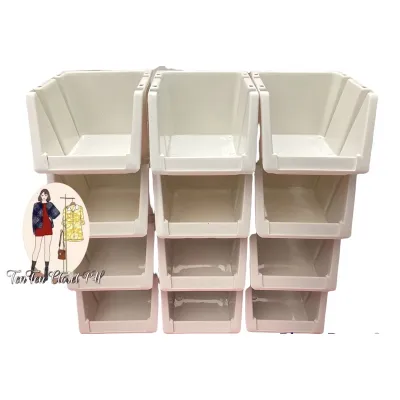
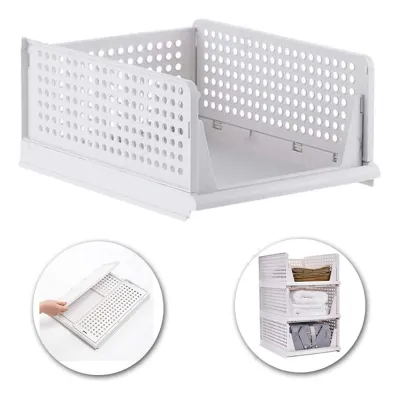
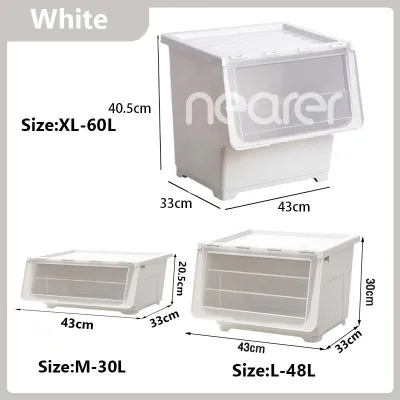
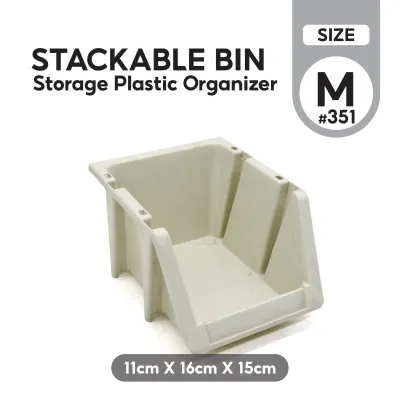
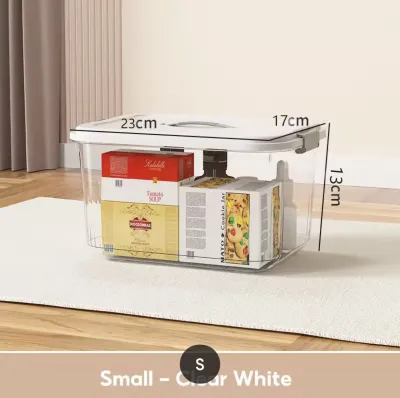
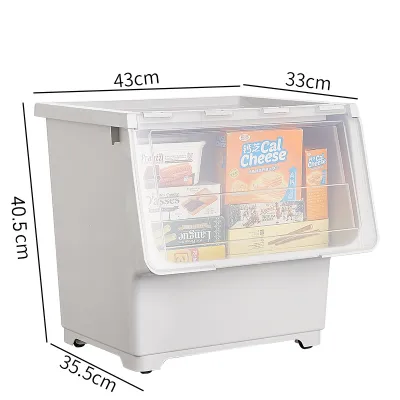
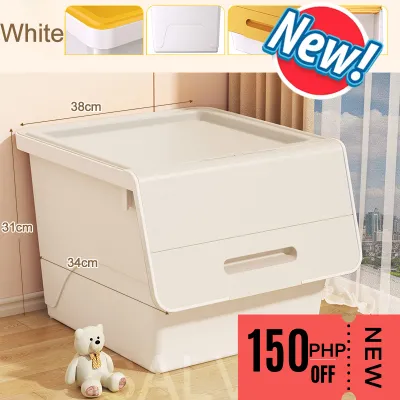
Prices are valid at publication and may change. Please refer to the product page for the latest price.
Material thickness is the first indicator of structural integrity. Standard, low-cost acrylic organizers often feature a wall thickness of 1.5mm to 2mm. While these are suitable for lightweight items like cotton pads or stationery, they tend to bow or crack when subjected to heavier loads. For general home decluttering, look for organizers with a wall thickness of 3mm to 5mm. You can verify this by checking the product specifications or looking closely at the edge finishing. High-quality acrylic features polished, rounded edges that feel smooth to the touch, whereas lower-grade options often have sharp, unpolished seams that are prone to chipping.
The stacking design mechanism is critical for safety and stability. Flat-bottomed acrylic boxes rely entirely on friction to stay in place, making them highly susceptible to sliding or tipping when you open a drawer or reach for an item. To prevent accidents, prioritize organizers designed with interlocking grooves, recessed lids, or snap-on covers. Interlocking grooves allow the base of the upper unit to sit securely within the rim of the lower unit, preventing lateral movement. Some modular systems also include non-slip silicone pads that stick to the bottom corners, providing extra grip on smooth surfaces like glass or polished wood.
Dimensional accuracy is another essential factor. Because acrylic is rigid, it cannot be squeezed into tight spaces like fabric bins or plastic baskets. Before purchasing any stackable organizer storage, you must measure your storage areas with a tape measure. Take note of cabinet shelf heights, drawer depths, and countertop clearances. Remember to account for internal obstructions, such as cabinet door hinges, shelf support brackets, or drawer runners, which can prevent a rigid acrylic box from sliding in smoothly.
Finally, consider the transparency and visual management of the organizer. Crystal-clear acrylic is excellent for items you need to identify instantly, such as spices, cosmetics, or office supplies. However, if you are storing mismatched items, cables, or personal care products, a completely clear box can sometimes contribute to visual clutter. In these cases, frosted, tinted, or amber-colored acrylic options can provide a cleaner look by partially obscuring the contents while still allowing you to see the general shapes and levels inside.
Matching Organizer Types to Common Clutter Zones
Different areas of a Filipino home present unique environmental challenges and storage requirements. Matching the right type of acrylic organizer to each zone ensures both the preservation of your items and the longevity of the storage units.

In the kitchen and pantry, humidity control is a primary concern. High humidity can cause dry goods, spices, and snacks to spoil or lose their crispness quickly. When selecting stackable organizer storage for food items, look for units equipped with airtight silicone gaskets and secure locking lids. These seals help keep moisture and pests out. Additionally, modular pantry bins with adjustable dividers are highly practical, as they allow you to customize the compartment sizes to fit various packaging shapes, from local snack pouches to tall pasta jars. Always ensure that any acrylic used for direct food contact is explicitly certified as food-grade and BPA-free.
The bathroom and vanity areas require organizers that can handle constant exposure to water, steam, and cosmetic chemicals. While acrylic is naturally water-resistant and will not rust like metal, standing water can leave unsightly mineral spots and soap scum. For vanity countertops, multi-compartment layouts with specialized slots for lipsticks, brushes, and skincare bottles keep daily essentials organized. For under-sink storage or damp bathroom shelves, choose stackable drawers with built-in ventilation holes or open-top designs. This ventilation allows air to circulate, preventing the buildup of mold and mildew in dark, humid spaces.
In home offices and stationery zones, the focus shifts to dust protection and modular flexibility. Paper documents, notebooks, and electronic accessories can quickly gather dust if left on open shelves. Drawer-style acrylic units are ideal for these areas, as they keep contents enclosed while maintaining full visibility. Tiered display stands or step-style organizers work well for frequently used pens, markers, and sticky notes, keeping them within arm’s reach without cluttering the desk surface. You can also combine modular pen holders with flat drawer units to create a customized desktop workstation that fits your specific workflow.
How to Build Your Custom Stackable Storage Shortlist
With thousands of storage products available on online marketplaces, finding the right stackable organizer storage requires a systematic screening process. Following a structured workflow helps you avoid buying items that do not fit or fail prematurely.
Begin with precise measurement and planning. Use a reliable tape measure to record the exact length, width, and height of the cabinet, drawer, or shelf you intend to organize. Do not rely on visual estimates. Write down these dimensions and keep them handy while browsing. If you are planning to stack multiple units, calculate the total height of the stack and compare it against the available vertical clearance, leaving at least two to three centimeters of space at the top so you can easily access or remove the upper boxes.
Next, apply specific search filters on your preferred ecommerce platform. Instead of searching for broad terms like “clear box,” use precise keywords such as “stackable acrylic drawer organizer” or “heavy-duty acrylic storage with lid.” Filter the results by material type, dimensions, and customer ratings. Pay close attention to the product listings that provide detailed technical drawings or dimension diagrams, as these are generally more reliable than listings with only lifestyle photos.
Once you have a list of potential candidates, verify the details by reading user reviews. Look past the overall star rating and focus on written feedback and customer-uploaded photos. Check for comments regarding the actual thickness of the acrylic, whether the drawers slide smoothly, and if the units arrived damaged. In the Philippines, shipping fragile items can sometimes result in cracks, so look for reviews that mention sturdy packaging, such as thick bubble wrap or custom foam inserts. Also, check if users report any strong chemical odors, which can indicate low-grade plastics or adhesives.
Finally, perform a budget and value assessment. Compare the cost of individual units against bundled sets. While a single acrylic drawer might seem inexpensive, building a complete stack can quickly add up. Calculate the total investment in Philippine Pesos (₱) for the entire configuration you need. Sometimes, purchasing a pre-configured set of three or four interlocking drawers offers better value per unit than buying them separately. However, only purchase bundles if every piece fits your measured space and serves a clear purpose in your decluttering plan.
Maintenance and Care for Acrylic Storage Boxes
Proper maintenance is essential to keep your stackable organizer storage looking clear and professional. Acrylic is a durable material, but it is highly sensitive to certain chemicals and abrasive surfaces.
When cleaning acrylic, always avoid harsh chemical cleaners. Ammonia-based glass cleaners, alcohol-based sanitizers, and multi-purpose sprays can cause a chemical reaction known as crazing. Crazing creates a network of microscopic cracks inside the acrylic, permanently clouding the material and weakening its structure. Instead, use a mild dish soap mixed with lukewarm water. This simple solution effectively removes dust, fingerprints, and oil residues without damaging the plastic. Always check the manufacturer’s care instructions for any specific approved cleaning solutions.
The tools you use to wipe the acrylic are just as important as the cleaning agents. Paper towels, polyester rags, and kitchen sponges have rough fibers that can leave micro-scratches on the polished surface of the acrylic. Over time, these tiny scratches accumulate, making the organizer look dull and hazy. To prevent this, use only clean, high-quality microfiber cloths. Microfiber is designed to trap dust particles without scratching the surface. For deep cleaning, rinse the cloth frequently to ensure no abrasive grit is dragged across the acrylic.
Environmental protection is the final step in preserving your organizers. Acrylic is sensitive to high temperatures and ultraviolet (UV) radiation. Avoid placing your storage boxes in direct sunlight, such as on sunny windowsills or near open balconies. Prolonged exposure to UV rays can cause low-grade acrylic to turn yellow and become brittle over time. Additionally, keep the organizers away from high-heat sources like kitchen stoves, ovens, or hot water pipes, as excessive heat can cause the rigid plastic to warp or lose its shape.
Frequently Asked Questions (FAQ)
Are acrylic organizers safe for storing food items?
Standard acrylic organizers are not automatically safe for direct food contact. To store unpackaged food items like fresh produce, grains, or baked goods, you must verify that the product is explicitly labeled as food-grade or BPA-free by the manufacturer. If the product description does not clearly state these safety certifications, it is advisable to use the organizer only for pre-packaged foods, such as individually wrapped snacks, tea bags, or canned goods, or for non-food household items.
How can I prevent stacked acrylic boxes from sliding or tipping over?
To ensure stability, always look for stackable organizer storage units that feature built-in interlocking lids, recessed bases, or anti-slip silicone pads on the bottom corners. When arranging your items, place the heaviest objects in the bottom drawers or boxes to lower the overall center of gravity. Additionally, avoid stacking the units beyond the manufacturer’s recommended height limit, and ensure the stack is placed on a flat, level surface away from high-traffic areas where it could be easily bumped.
Do acrylic storage boxes turn yellow over time?
Low-quality acrylic can turn yellow and lose its clarity over time, primarily due to prolonged exposure to ultraviolet (UV) light and the use of cheap raw materials during manufacturing. To prevent yellowing, keep your organizers out of direct sunlight and away from windows. When shopping, look for products made from high-grade cast acrylic or those that explicitly specify UV-resistant properties in their product details, as these materials are formulated to maintain their crystal-clear appearance for much longer.
Community discussion
Share your experience or ask a question. Comments are reviewed before publication.