
Finding the right kitchen storage solution in the Philippines requires balancing durability, cost, and resistance to the country’s persistent humidity. A high-quality carbon steel cabinet offers an exceptional solution, providing the heavy-duty load capacity of industrial shelving alongside modern, clean aesthetics that fit seamlessly into contemporary Filipino homes. By understanding what features define a durable build, how to measure your space accurately, and how to navigate local online marketplaces, you can secure a storage unit that keeps your kitchen organized and stands up to daily wear for years to come.
To make an informed purchase, you must look past generic marketing terms and focus on the technical specifications of the materials, surface treatments, and hardware. Selecting the best cabinet involves evaluating how the unit will handle the weight of heavy appliances, how its dimensions align with your kitchen layout, and how well its protective coating will shield the underlying metal from rust. This guide outlines the essential factors to consider when shopping for a carbon steel storage cabinet tailored to the unique demands of local households.
What Defines a High-Quality Carbon Steel Kitchen Cabinet?
Carbon steel is an alloy composed primarily of iron and carbon, valued for its exceptional tensile strength and structural rigidity. However, because it contains iron, raw carbon steel is inherently vulnerable to oxidation when exposed to moisture and oxygen. In the tropical climate of the Philippines, where relative humidity levels regularly exceed 80 percent, an untreated steel cabinet would begin to rust within weeks. Therefore, the high quality of a carbon steel cabinet is determined not just by the metal itself, but by the protective surface treatments applied to it.
Products mentioned in this guide
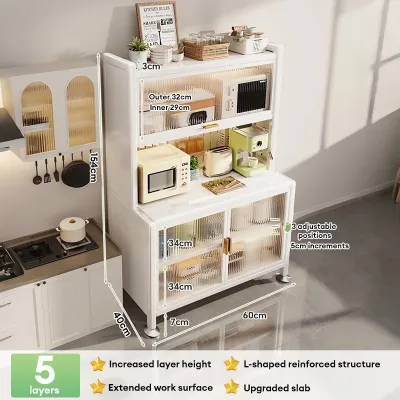
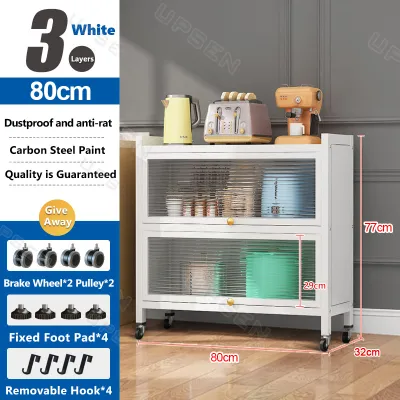
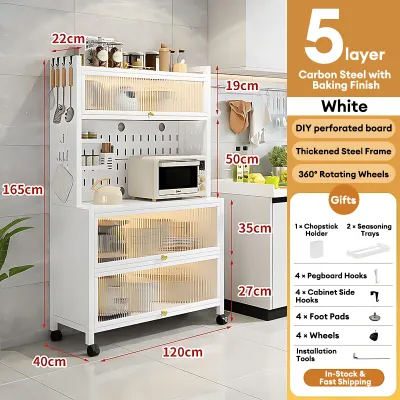
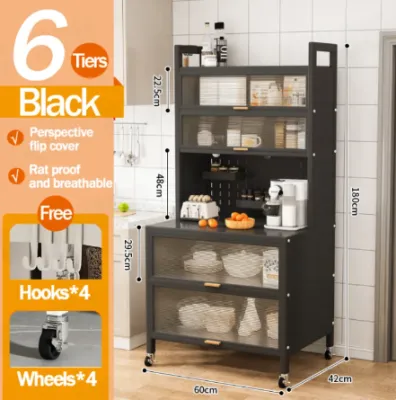
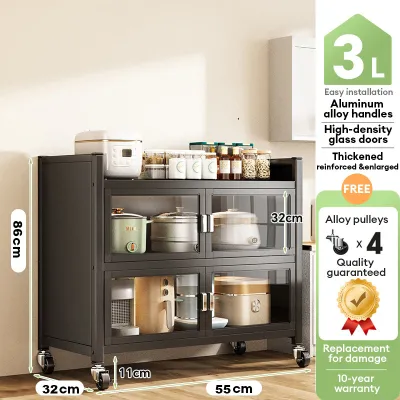
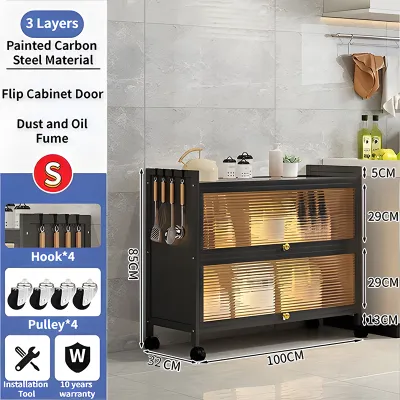
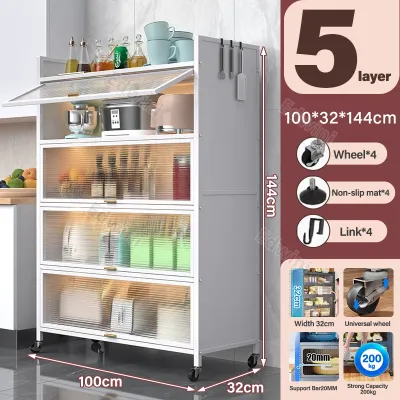
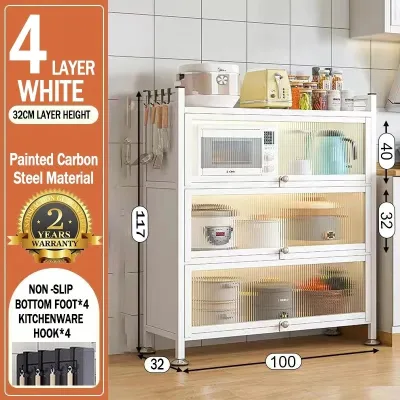
Prices are valid at publication and may change. Please refer to the product page for the latest price.
When evaluating different options, you should look for electrostatic powder coating or specialized baked-on finishes rather than simple spray paint. Electrostatic powder coating involves applying a dry powder to the metal surface, which is then cured under heat to form a hard, continuous, and highly durable skin. This process ensures that the coating bonds tightly to every corner, joint, and seam, leaving no exposed metal. You should verify these surface treatments by checking the detailed product specifications or asking the seller directly, as generic descriptions like “rust-proof paint” often indicate a lower-quality finish that can chip easily.
Another critical factor is the load-bearing capacity of the unit, which is directly tied to the thickness of the steel panels and the gauge of the supporting frame. High-quality kitchen cabinets typically feature steel sheets with a thickness of at least 0.8 millimeters to 1.2 millimeters. Thicker steel prevents the shelves from bowing or buckling under the weight of heavy kitchen essentials, such as a 25-kilogram sack of rice, cast iron pans, or large countertop appliances like microwave ovens and air fryers. Always look for listings that explicitly state the maximum weight capacity per shelf, which should ideally be at least 20 to 30 kilograms for standard storage.
Finally, the longevity of your cabinet depends heavily on the quality of its moving parts. Even the sturdiest steel frame becomes frustrating to use if the doors sag or the drawers stick. Look for cabinets equipped with hydraulic soft-close hinges, which prevent the metal doors from slamming shut and chipping the protective coating over time. For units with drawers, smooth ball-bearing slides made of treated steel or aluminum are essential for effortless operation under heavy loads. Magnetic door catches are also highly beneficial, as they keep cabinet doors tightly sealed against dust, pests, and ambient moisture.
Sizing and Space Planning for Your Kitchen Layout
Before purchasing a carbon steel cabinet, you must carefully measure your kitchen to ensure a seamless fit. Unlike modular wooden furniture that can sometimes be shaved or trimmed during installation, a fully welded or pre-drilled steel cabinet cannot be modified if it does not fit your space. Begin by measuring the absolute width, depth, and height of the designated area using a reliable metal measuring tape. Do not rely on visual estimates, as even a discrepancy of a single centimeter can prevent the cabinet from fitting into a tight alcove or corner.

When planning your space, you must account for localized architectural details that might obstruct the cabinet’s placement. Take note of baseboards, wall trim, electrical outlets, light switches, and kitchen plumbing pipes. If your kitchen floor is tiled, check for any unevenness or slope toward the floor drain, which is common in many Filipino homes. To accommodate these variances, look for carbon steel units that feature adjustable leveling feet. These screw-in feet allow you to level the cabinet individually at each corner, ensuring structural stability and preventing the unit from wobbling on uneven surfaces.
Beyond the static footprint of the cabinet, you must calculate the clearance required for daily operation. Ensure there is sufficient clearance in front of the unit for doors to swing fully open and for drawers to extend completely without hitting dining tables, refrigerators, or counter islands. In compact condo kitchens or narrow galley layouts, standard swinging doors can block traffic paths entirely. In these scenarios, consider choosing a cabinet configuration with sliding glass doors or flip-up acrylic doors, which provide easy access to your items without encroaching on valuable floor space.
Lastly, you must plan for the delivery and assembly process. Many robust carbon steel cabinets are shipped as flat-packed kits that require home assembly, while others arrive as fully welded, single-piece units. If you select a pre-assembled cabinet, measure the width of your front door, hallway turns, stairwells, and condominium elevator doors to confirm the package can physically reach your kitchen. For flat-packed units, ensure you have a clear, flat area of floor space to lay out the parts safely during assembly, preferably using a cardboard sheet or blanket to protect both your floor and the cabinet’s finish from scratches.
Carbon Steel vs. Stainless Steel and Wood: A Practical Comparison
Choosing the right material for your kitchen storage involves weighing the distinct advantages and trade-offs of carbon steel against other common options like stainless steel and engineered wood. Stainless steel is often considered the gold standard for commercial kitchens due to its natural, built-in resistance to rust and corrosion. However, stainless steel cabinets are significantly more expensive, often costing double or triple the price of carbon steel units. Additionally, stainless steel surfaces are highly prone to showing visible fingerprints, water spots, and fine scratches, requiring constant polishing to maintain a pristine appearance.
In contrast, engineered wood products like medium-density fiberboard (MDF) or particleboard are highly susceptible to the humid climate of the Philippines. When exposed to steam from rice cookers, boiling pots, or minor sink leaks, engineered wood absorbs moisture, leading to swelling, warping, and structural softening. Wood is also vulnerable to wood-boring insects and mold growth in dark, unventilated corners. Carbon steel completely eliminates these issues; it does not warp, swell, or harbor termites, making it a far more hygienic and structurally stable choice for long-term kitchen use.
In terms of weight and mobility, carbon steel cabinets occupy a middle ground. They are substantially heavier and more stable than plastic shelves or light wood units, meaning they will not tip over easily when loaded with heavy items. However, this weight also means they are not designed for frequent repositioning. Once assembled and loaded, a carbon steel cabinet should be considered a permanent fixture. If you anticipate needing to move the unit occasionally for cleaning or rearranging, look for models that feature heavy-duty locking caster wheels, which allow you to roll the cabinet safely when needed.
To help you compare these materials directly, the table below outlines the primary performance and cost differences across key decision dimensions:
| Material Option | Moisture & Rust Resistance | Structural Durability | Susceptibility to Scratches | Pest & Mold Resistance | Typical Price Positioning |
|---|---|---|---|---|---|
| Carbon Steel (Powder-Coated) | Moderate to High (requires intact coating) | High (resistant to warping and bending) | Moderate (coating can scratch) | High (immune to pests and mold) | Mid-range (₱3,000 – ₱8,000) |
| Stainless Steel | Outstanding (natural rust resistance) | High (extremely rugged) | High (scratches easily) | High (immune to pests and mold) | Premium (₱12,000 – ₱25,000+) |
| Engineered Wood (MDF/Particleboard) | Low (swells and warps with moisture) | Low to Moderate (can sag under load) | Low (laminate protects surface) | Low (prone to mold and termites) | Budget to Mid-range (₱2,000 – ₱6,000) |
Smart Shopping Checklist for Local Online Marketplaces
When browsing local e-commerce platforms in the Philippines, navigating the sea of listings requires a critical eye. Many sellers use confusing terminology or exaggerated claims to attract buyers. To ensure you are purchasing a genuine, high-quality carbon steel cabinet, use this practical checklist to evaluate listings before adding them to your cart:
- Verify the Exact Dimensions in Centimeters: Do not rely on promotional photos, which often use digital rendering to make the cabinets look much larger than they are in reality. Always scroll down to the detailed description to find the exact height, width, and depth in centimeters.
- Check the Material Specifications: Look for explicit mentions of "carbon steel" and the thickness of the metal sheets. Avoid listings that vaguely describe the material as "thickened metal," "alloy," or "space iron" without providing technical details.
- Read Verified Customer Reviews with Images: Filter the reviews to show only those with photos and videos uploaded by local buyers. This allows you to see the actual color, finish quality, and how the unit looks in a real home setting rather than a stylized studio photo.
- Search Reviews for Specific Keywords: Use the search function within the product reviews to look for terms like "rust," "dent," "missing screws," "wobbly," or "difficult to assemble." This will quickly highlight any recurring quality control issues with that specific model or seller.
- Evaluate the Seller's Rating and Response Rate: Prioritize stores with a rating of 4.8 out of 5 stars or higher, and check their chat response rate. A responsive seller is crucial if you receive a damaged panel or need to request missing assembly hardware.
- Review the Return and Refund Policy: Because carbon steel cabinets are heavy and bulky, returning a defective item can be logistically challenging and expensive. Confirm if the platform or the seller offers local return options or covers return shipping costs for damaged goods.
Be highly alert to common red flags when shopping online. A major warning sign is a listing that features “stainless steel” in the main title but lists “carbon steel,” “iron,” or “painted steel” in the fine print specifications. This is a common tactic used to inflate search rankings. Additionally, be cautious of listings that completely omit load capacity data or fail to mention if assembly instructions and tools are included in the package. If a listing lacks these basic details, send a direct message to the seller to clarify before making your purchase.
Routine Care and Moisture Management for Longevity
To maximize the lifespan of your carbon steel cabinet and keep it looking pristine, you must establish a simple, regular cleaning routine. For daily or weekly maintenance, wipe down the steel surfaces using a soft microfiber cloth dampened with warm water and a small amount of mild dishwashing liquid. This easily removes kitchen grease, dust, and fingerprint smudges without damaging the finish. Once clean, immediately dry the entire cabinet with a separate dry microfiber cloth to prevent water spots and ensure no moisture remains standing on the surface.
Under no circumstances should you use abrasive cleaning tools or harsh chemical agents on your cabinet. Avoid steel wool, abrasive scouring pads, and stiff-bristled brushes, as these will create micro-scratches in the powder coating, exposing the raw carbon steel underneath to ambient moisture. Similarly, steer clear of harsh chemicals such as bleach, acetone, ammonia, or highly acidic cleaners. These substances can chemically degrade the protective polymer chains of the powder coat, causing it to dull, discolor, bubble, or peel away from the metal substrate.
Moisture management is particularly vital during the wet monsoon season in the Philippines. Always wipe up any liquid spills, condensation from cold drinks, or splashes from the sink immediately. To prevent stagnant, humid air from being trapped around the cabinet, maintain a gap of at least 2 to 5 centimeters between the back of the cabinet and the wall. This small gap allows for continuous airflow, preventing mold from growing on the wall and reducing the risk of moisture settling on the cabinet’s rear panels. If your kitchen lacks active ventilation, consider running a small dehumidifier or ensuring exhaust fans are turned on when cooking.
If you notice a minor surface scratch on the cabinet, address it promptly to prevent rust from creeping under the surrounding coating. Clean the scratched area thoroughly with rubbing alcohol and let it dry completely. Consult the manufacturer or seller to see if they offer matching touch-up paint pens, or use a high-quality, rust-inhibiting metal paint in a matching color to seal the scratch. Never attempt to sand down a large area of the cabinet or apply unverified DIY chemicals, as modifying or aggressively sanding the surface without manufacturer guidance will void your warranty and likely expose the base metal to rapid, widespread oxidation.
Frequently Asked Questions (FAQ)
Is carbon steel safe for direct food contact?
No, carbon steel kitchen storage cabinets are not designed or certified for direct food contact. The electrostatic powder coatings, baked finishes, and acrylic paints applied to these cabinets are formulated for structural protection and aesthetic durability, not for food safety. You should use these cabinets exclusively for storing packaged pantry items, canned goods, sealed containers, and dry cookware. Always use a dedicated food-grade cutting board or prep station for raw ingredients, and avoid placing unpackaged food directly on the cabinet shelves.
How can I verify if a cabinet is truly carbon steel and not just painted plastic or thin iron?
You can perform several simple, non-destructive checks to verify the material of your cabinet. First, assess the overall weight of the package or individual panels; carbon steel is dense and heavy, whereas plastic or ultra-thin sheet iron will feel remarkably light and flimsy. Second, perform a magnet test using a standard household magnet. Carbon steel is highly magnetic and will attract the magnet with significant force, unlike plastic or non-magnetic metals. Third, gently tap the side panel with your knuckle; carbon steel produces a solid, metallic resonance, whereas plastic makes a dull thud and thin iron produces a high-pitched, tinny vibration. The most reliable method, however, remains verifying the exact material thickness and weight specifications provided in the manufacturer’s official product documentation.
Community discussion
Share your experience or ask a question. Comments are reviewed before publication.