
Finding the right kitchen island with a cabinet for a small Philippine kitchen requires balancing workspace, storage, and physical movement. In many Filipino households, the kitchen is a high-traffic hub where meals are prepared daily, groceries are organized, and family members gather. However, limited floor plans in modern condominiums, townhouses, and traditional apartments often make standard-sized kitchen islands impractical. A bulky, permanent fixture can easily block walkways, restrict access to appliances, and make the cooking environment feel cramped and hot under tropical conditions.
The ideal solution is a compact, freestanding kitchen island with integrated cabinet storage. This type of furniture provides a dedicated surface for food preparation while utilizing the vertical space underneath to store cookware, small appliances, or pantry staples. By choosing a model designed specifically for tight spaces, you can maximize your kitchen’s efficiency without undergoing expensive renovations. To make an informed decision, you must carefully evaluate your kitchen’s layout, understand the trade-offs between different storage configurations, and select a design that matches your daily cooking habits.
Measuring Your Space for a Compact Kitchen Island
Before browsing online marketplaces or visiting local furniture showrooms, you must obtain precise measurements of your kitchen. Walkway clearance is the most critical factor in maintaining a safe and functional cooking environment. As a general rule, you should aim for a clearance of at least 90 to 100 centimeters between the edge of the kitchen island and any opposing countertops, walls, or major appliances. This space ensures that you can walk comfortably through the kitchen, carry hot pots safely, and open cabinet doors or drawers without obstruction.
Products mentioned in this guide
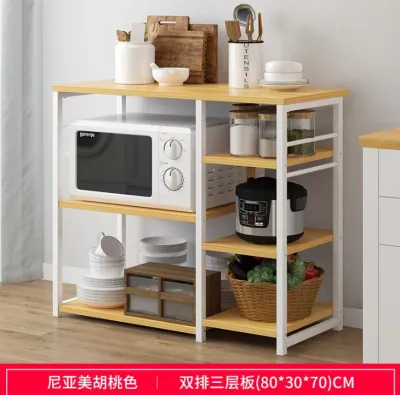
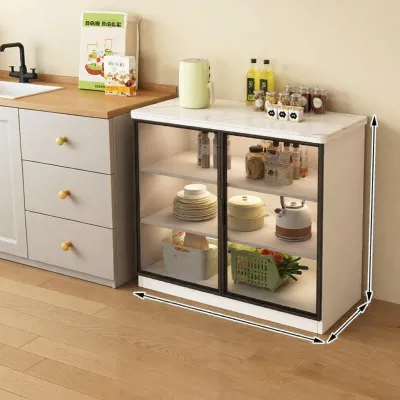
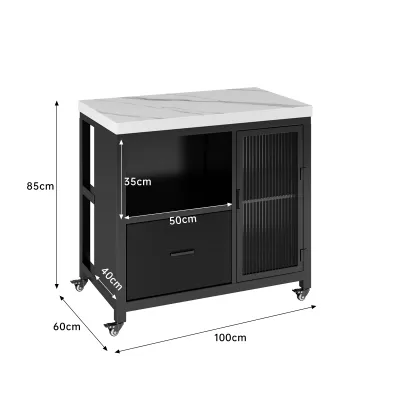
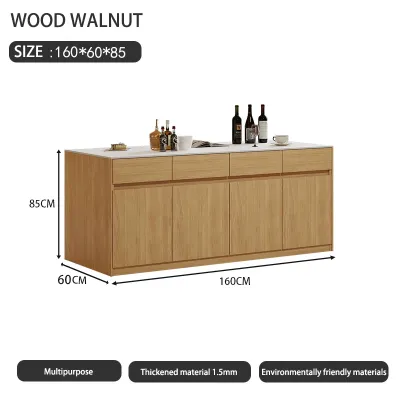
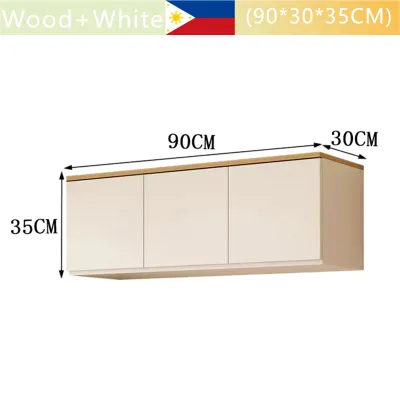
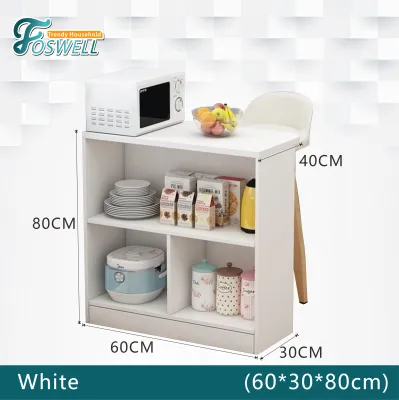
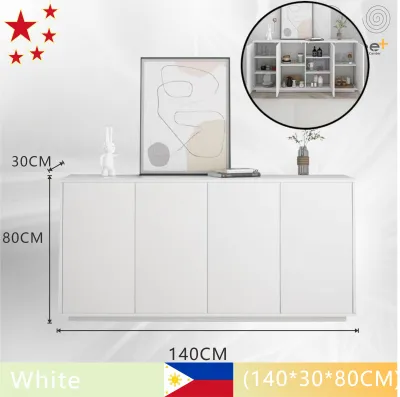
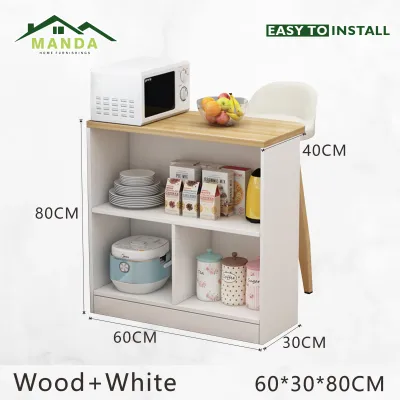
Prices are valid at publication and may change. Please refer to the product page for the latest price.
You must also account for the clearance required by major appliances. Measure the swing radius of your refrigerator door, oven door, and dishwasher. If your kitchen island is placed too close, you may find yourself unable to open these appliances fully, which severely limits your kitchen’s usability. If your kitchen features a back door leading to a laundry area or dirty kitchen—a common layout in many Philippine homes—ensure the island does not block this high-traffic pathway or prevent the door from swinging open.
Delivery access is another frequently overlooked aspect of purchasing furniture. Even if a kitchen island fits perfectly in your designated space, it must first get inside your home. Measure the width and height of all entryways, including front doors, hallway corners, stairwells, and elevator doors. This is particularly important for condominium residents, where tight elevator cabs and narrow corridors can make transporting large, pre-assembled furniture pieces highly challenging. Always check the packaged dimensions provided by the seller to ensure the box can be safely navigated to your kitchen.
Finally, map out your kitchen’s primary work triangle, which is the path between the sink, the stove, and the refrigerator. A well-designed kitchen allows you to move between these three points with minimal obstruction. If you place a stationary kitchen island directly in the center of this triangle, you will constantly have to walk around it, which increases prep time and physical fatigue. If your space is too tight to accommodate an island without disrupting this flow, a mobile or rolling island that can be pushed aside when not in use is often the best alternative.
Evaluating Storage and Workspace Trade-offs
When selecting a kitchen island with a cabinet, you must decide how to balance storage capacity with the available countertop area. Deep lower cabinets are excellent for storing bulky kitchen essentials that would otherwise clutter your main countertops, such as rice cookers, air fryers, blenders, or large stockpots. However, deep cabinets can sometimes make it difficult to access items stored at the very back. To maximize efficiency, look for cabinets with adjustable interior shelves or pull-out wire baskets, which allow you to organize items of varying heights and reach them easily.

Shallow drawers, on the other hand, are highly efficient for organizing smaller items like utensils, knives, spice jars, and dish towels. If your primary kitchen cabinets lack drawer space, prioritizing an island with a combination of top drawers and lower cabinet doors can greatly improve your organization. This setup keeps your daily cooking tools within arm’s reach while keeping larger, less frequently used items neatly tucked away below.
The countertop material of your kitchen island plays a significant role in both functionality and maintenance, especially in the humid climate of the Philippines. Solid wood tops offer a warm, classic aesthetic but require regular sealing and care to prevent moisture damage, warping, or staining from local ingredients. Stainless steel tops are highly durable, hygienic, and easy to clean, making them a popular choice for heavy meal prep, though they can give a more industrial look. Engineered wood or laminate tops are budget-friendly and come in various finishes, but you must check that the edges are properly sealed to prevent water from seeping in and causing the material to swell.
If you plan to use your kitchen island for occasional dining or as a quick breakfast nook, pay close attention to the countertop overhang. An overhang of at least 25 to 30 centimeters is necessary to allow room for your knees when sitting on a bar stool. However, keep in mind that a larger overhang increases the overall footprint of the island. If space is exceptionally tight, look for models with a drop-leaf or fold-down extension. These designs allow you to extend the countertop when you need extra prep or dining space and fold it down flat against the cabinet when you need to clear the walkways. Always check the manufacturer’s specified weight limits for these extensions to ensure they can safely support your meals or prep work.
Best Configurations of Kitchen Islands with Cabinets for Small Spaces
Different kitchen layouts require different furniture configurations. For highly flexible layouts or multi-purpose rooms, rolling kitchen carts with cabinets are an excellent choice. These mobile islands are equipped with caster wheels, allowing you to move them wherever they are needed most. You can position the cart next to your main counter to act as an extension during meal prep, roll it to the dining area to serve food, or push it against an empty wall to open up floor space when hosting guests. When choosing a rolling cart, it is vital to verify that the wheels feature sturdy, reliable locking mechanisms to prevent the island from shifting while you work.
For long, narrow kitchens—often referred to as galley kitchens—a narrow galley-style island is the most suitable configuration. These islands have a slim profile, often measuring less than 50 centimeters in depth, which allows them to fit into tight spaces without completely blocking the walkway. To maximize storage without taking up extra physical space, these narrow islands often feature sliding cabinet doors instead of traditional swing doors, or they may combine shallow cabinets with open shelving on the sides for quick-access items.
Drop-leaf or fold-down islands offer the ultimate versatility for small homes. These models feature a hinged countertop section that can be raised and supported by brackets or pull-out wooden legs. When fully extended, the island provides a generous workspace or a comfortable dining surface for two people. When the meal is finished, the leaf folds down flush with the cabinet body, instantly reclaiming valuable floor space. This configuration is highly recommended for studio apartments or open-plan condo units where the kitchen and living areas merge.
Regardless of the configuration you choose, you must verify several critical details before making a purchase. Check the exact dimensions of the island when the cabinet doors and drawers are fully opened to ensure they do not collide with walls, appliances, or other furniture. If you select a mobile model, inspect the quality of the caster wheels and ensure they are suitable for your flooring type to avoid scratches. For stationary models, check the stability of the base and ensure it can stand firmly on your kitchen floor without wobbling.
Pre-Purchase Checks for Online Furniture Orders
Ordering a kitchen island with a cabinet from an online marketplace or ecommerce platform is highly convenient, but it requires careful verification to avoid common pitfalls. The most important step is to verify the exact assembled dimensions against your measured kitchen space. Do not rely on the product photos, which are often digitally rendered or styled in large, open rooms that make the furniture appear smaller than it actually is. Always scroll down to the product description or specification sheet to find the precise width, depth, and height measurements.
Safety is another crucial consideration, particularly for narrow or tall kitchen islands. When cabinet doors are opened or heavy items are placed on the countertop, the center of gravity can shift, posing a potential tipping hazard. Check the product details to see if the manufacturer recommends anchoring the island to a wall or if the unit features a weighted base for added stability. If you have uneven tile floors, look for models with adjustable leveling feet that allow you to stabilize the island on uneven surfaces.
Before finalizing your purchase, carefully review the seller’s return policy and shipping terms. Returning a large, heavy piece of furniture can be expensive and logistically difficult if the item arrives damaged or does not fit your space. Look for sellers that offer clear return policies and responsive customer support. Additionally, check the assembly requirements. Most online furniture orders arrive flat-packed to reduce shipping costs, meaning you will need to assemble the island yourself. Ensure the product listing includes clear assembly instructions, and check if you will need basic tools like a screwdriver or hammer to complete the setup.
Frequently Asked Questions (FAQ)
Can I use a kitchen island with cabinets in a rented apartment?
Yes, freestanding or rolling kitchen islands with cabinets are highly suitable for rented apartments. Because they do not require permanent installation, plumbing connections, or electrical wiring, they can be easily moved or taken with you when you relocate. This allows you to add valuable storage and workspace to your rental kitchen without violating your lease agreement or risking your security deposit. To protect the landlord’s flooring from scratches or scuffs, consider placing felt pads under the legs of stationary islands, or ensure that rolling carts are equipped with soft, non-marking rubber caster wheels.
How do I prevent a rolling kitchen island from moving while chopping?
To keep a rolling kitchen island stable during food preparation, you must perform a few simple checks. First, ensure that the cart is equipped with high-quality caster wheels that feature heavy-duty locking brakes on at least two, and preferably all four, of the wheels. Always engage these locks before you begin chopping, slicing, or performing any task that requires downward pressure. Additionally, you can improve the island’s stability by storing your heaviest kitchen items—such as cast-iron pans, canned goods, or small appliances—in the bottom cabinets. This lowers the island’s center of gravity, making it much less likely to slide, wobble, or tip while you work.
Community discussion
Share your experience or ask a question. Comments are reviewed before publication.