
Maximizing a 20 square meter condo living room in the Philippines requires furniture that works twice as hard without crowding the floor plan. A single foldable sofa bed is an ideal solution, offering a compact footprint for daily lounging and transforming into a sleeping space for overnight guests. To find the right fit, you must balance the physical dimensions of your room with the mechanical requirements of the furniture, ensuring the piece can transition smoothly without blocking essential pathways or succumbing to tropical humidity. By focusing on precise measurements, durable folding mechanisms, and breathable materials, you can select a versatile piece that enhances both the comfort and functionality of your limited living space.
Assessing Space and Clearance in a 20 Sqm Layout
A 20 square meter condo unit typically allocates only a fraction of its total area to the living zone, making every centimeter count. Before browsing online marketplaces or visiting local showrooms, map out your exact floor plan using a physical tape measure or painter’s tape on the floor. You must measure two distinct footprints: the closed, upright seating configuration and the fully extended sleeping mode.
Clearance is the difference between a functional home and a cramped obstacle course. Ensure there is at least 60 centimeters of walking space around the sofa bed when it is fully extended. Consider the placement of other furniture, such as a coffee table or side tables, which must be easily moved when transitioning the bed. Pay close attention to door swing paths, wardrobe doors, and balcony entryways to prevent the extended mattress from blocking vital exits or daily pathways.
Products mentioned in this guide
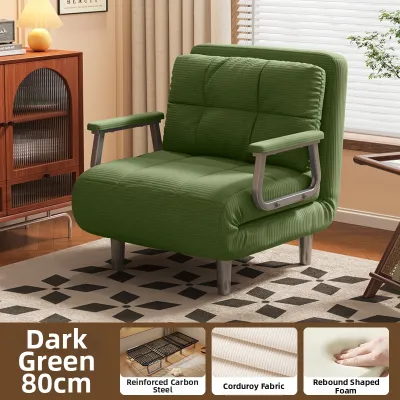
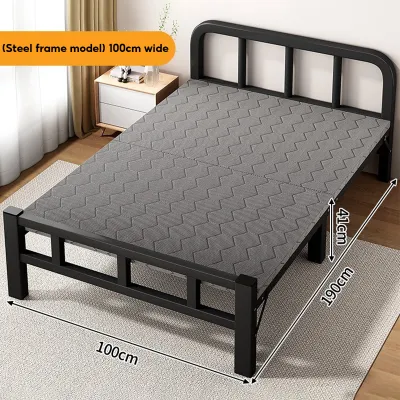
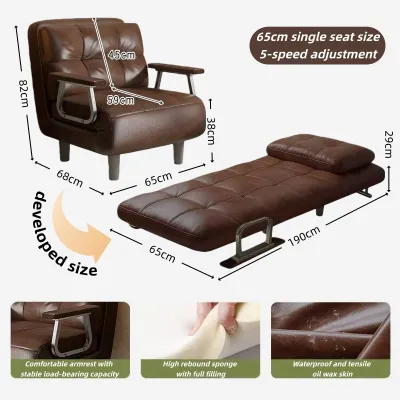
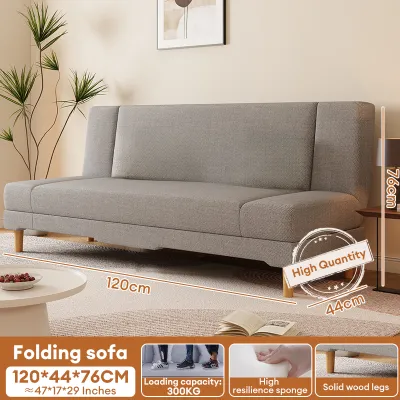
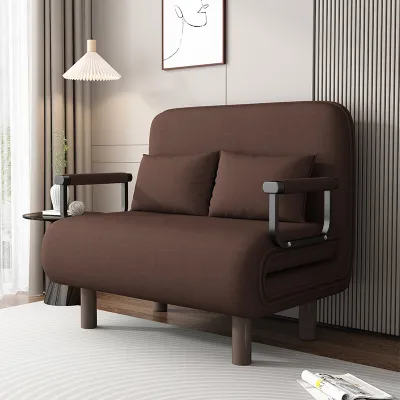
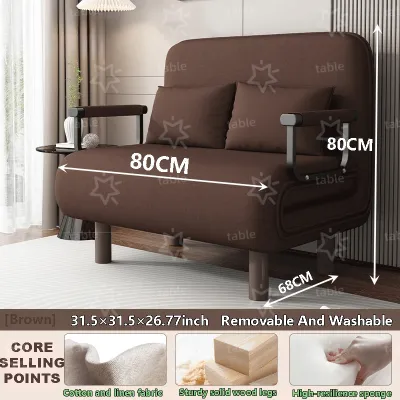
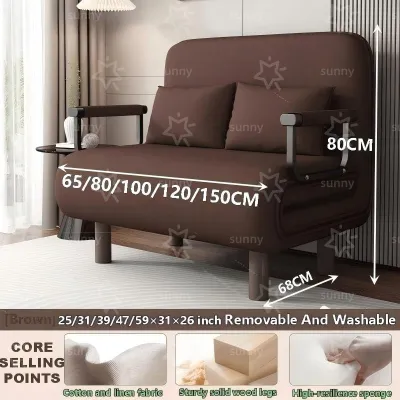
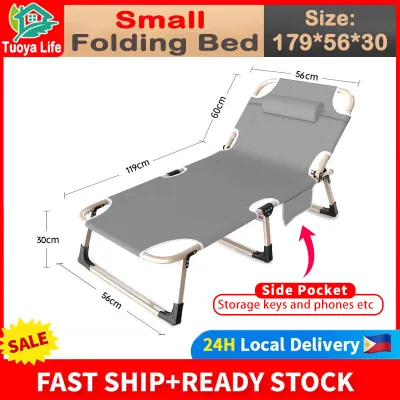
Prices are valid at publication and may change. Please refer to the product page for the latest price.
Delivery feasibility is another critical hurdle in high-rise condo living. Measure the height and width of your unit’s front door, the hallway corridors, and the building’s elevator doors. Many furniture returns occur not because the item did not fit the room, but because it could not clear the service elevator or the tight turns of the stairwell. Always request the packaged shipping dimensions from the manufacturer to verify that the boxed item can physically reach your unit.
Key Selection Criteria for Compact Single Sofa Beds
When shopping for a single sofa bed, specific dimensional thresholds dictate how well the piece integrates into a small room. For a 20 square meter space, look for a compact overall width, typically ranging between 80 to 100 centimeters for a true single sleeper. The seat depth should ideally remain between 50 and 60 centimeters to ensure comfortable upright sitting without requiring excessive throw pillows for back support. The extended length of the bed should not exceed 190 centimeters, which accommodates most average-height adults while leaving sufficient clearance at the foot of the bed.

Frame and joint durability are paramount for furniture that undergoes regular mechanical transitions. Examine the manufacturer’s specifications for reinforced joints, metal folding brackets, or kiln-dried hardwood frames. Avoid models that rely solely on thin plastic connectors or lightweight particleboard at key stress points. Look for visible indicators of structural integrity, such as double-stitched seams and heavy-duty steel hinges, which suggest the frame can withstand the repetitive friction of folding and unfolding.
Mattress thickness and density present a classic trade-off between seating support and sleeping comfort. A mattress that is too thin will allow guests to feel the underlying support bars, while one that is too thick may make the folded sofa feel awkwardly high or stiff. For occasional guest use, a high-density foam mattress of at least 8 to 10 centimeters provides a reasonable balance, preventing bottoming out while remaining flexible enough to fold neatly into the frame. If the sofa bed is intended for daily seating, prioritize high-resiliency foam that recovers its shape quickly after pressure is applied.
Additionally, consider the seat height from the floor, which should ideally sit between 40 and 45 centimeters. This height ensures that sitting down and standing up remains comfortable for individuals of all ages, while also allowing enough clearance underneath for light cleaning or dust prevention.
Matching Foldable Mechanisms to Your Space and Usage
The mechanism you choose determines how much effort is required to convert your sofa and how much floor space is consumed during the transition. Click-clack, or futon-style, mechanisms are highly popular in compact Philippine condos due to their straightforward operation and minimal footprint. By lifting the seat until it clicks and then laying it flat, you quickly convert the sofa into a bed. Because the backrest folds downward, you must position the sofa a few centimeters away from the wall, or be prepared to slide the entire unit forward before converting it. This style typically features a firmer, integrated mattress, which is excellent for daily sitting but may require an extra mattress topper for overnight guests.
Pull-out, or trundle-style, single sofa beds are excellent for preserving a traditional sofa aesthetic while maximizing seating depth. These models feature a hidden frame or drawer beneath the seat cushion that rolls forward on casters, allowing the sleeping surface to rise to seat level. This design requires significant front clearance, meaning your coffee table must be lightweight or wheeled so it can be easily rolled out of the way. Pull-out mechanisms are highly durable and keep the sleeping surface off the floor, making them a preferred choice for older guests or longer stays, though they tend to be heavier and more complex to assemble.
Flip-out or folding foam designs represent the most lightweight and budget-friendly option for ultra-compact zones. These pieces consist of stacked foam blocks that simply unfold directly onto the floor, requiring no metal mechanisms or heavy wooden frames. While they are incredibly easy to move and fit into tight corners, they lack the elevated height of traditional beds, which can make getting up difficult for some users. When selecting a flip-out foam model, check the density of the foam carefully; low-density options will flatten rapidly under daily use, so look for high-density polyurethane foam that offers firm, resilient support directly on the floor.
Another option to consider is the classic A-frame folding mechanism, which pulls forward from the backrest to create a flat sleeping surface. This style is highly efficient because it does not require any rear clearance, allowing you to place the sofa flush against your living room wall. However, the folding joints in A-frame models must be checked regularly for alignment, as any warping in the metal tracks can make the transition difficult.
Evaluating Upholstery and Frame Materials for Daily Use
The tropical climate of the Philippines introduces unique challenges for furniture maintenance, particularly regarding humidity and heat. Upholstery fabrics must be highly breathable to prevent discomfort during warm afternoons. Woven polyesters, linen blends, and performance canvas are excellent choices because they allow air circulation and resist moisture buildup. Avoid synthetic faux leathers in non-air-conditioned spaces, as they can become sticky and hot against the skin, and are prone to peeling over time when exposed to high humidity.
Stain resistance and ease of cleaning are vital in a multi-use living area where the sofa bed may double as a dining spot or workspace. Check the manufacturer’s care labels for cleaning codes, prioritizing fabrics treated with water-resistant coatings or those that can be spot-cleaned with mild soap and water. If you anticipate heavy daily use, look for models featuring fully removable and machine-washable slipcovers. This allows you to maintain a fresh, hygienic living environment without the need for expensive professional upholstery cleaning.
The structural frame must be evaluated against the intended weight capacity and frequency of use. Metal frames with powder-coated finishes offer excellent resistance to rust in humid environments, while solid wood frames provide robust stability. Verify the manufacturer’s stated weight limit on the product specification sheet, ensuring it comfortably supports both the seated weight of multiple individuals and the concentrated weight of a sleeping adult. Avoid purchasing units that do not clearly state their weight capacities, as this often indicates lower-grade materials that may warp or bend under regular stress.
Pay close attention to the quality of the internal padding and cushioning materials. High-resiliency polyurethane foam wrapped in polyester batting offers a plush feel while maintaining its structural shape over years of use.
Pre-Purchase Measurement and Delivery Verification
Before finalizing your purchase, conduct a rigorous cross-reference of the product’s official specification sheet against your physical room measurements. Double-check that the extended length of the bed does not overlap with fixed fixtures like wall-mounted air conditioning units, electrical outlets, or light switches. It is helpful to create a physical mock-up of the extended bed using cardboard boxes to visualize how the volume of the furniture affects the overall feel of your 20 square meter condo.
Coordinate with your condominium’s property management office regarding delivery guidelines and restrictions. Many high-rise buildings in Manila and other urban centers require move-in permits, have strict delivery hours, or impose weight limits on service elevators. Confirm whether the furniture retailer offers on-site assembly services, as many foldable sofa beds arrive flat-packed and require precise alignment of the metal hinges and frame components to function safely and smoothly.
Finally, carefully review the warranty terms and return policies specific to folding furniture. Because these pieces contain moving parts, they are more susceptible to mechanical wear than standard stationary sofas. Look for warranties that specifically cover the folding mechanism and frame for at least one to two years. Understand the retailer’s return policy regarding items that do not fit through doorways or elevators, ensuring you are protected against unexpected delivery complications.
Keep a digital copy of your building’s elevator dimensions on your phone when shopping. If a delivery team arrives and finds the box cannot fit into the elevator or navigate the stairwell turns, you may face hefty return shipping fees or restocking charges.
Frequently Asked Questions (FAQ)
Can a single sofa bed comfortably sleep an adult?
Yes, a single sofa bed can comfortably sleep an adult, provided you select a model with adequate width and support. A standard single sleeping surface is typically around 75 to 90 centimeters wide, which offers enough room for a single sleeper but leaves little space for tossing and turning. To ensure comfort, check that the mattress density is rated for adult weight and that the underlying support structure—whether wooden slats or a metal mesh—is spaced closely enough to prevent the mattress from sagging under concentrated pressure.
If the user is taller, pay close attention to the extended length of the bed, aiming for at least 190 centimeters to prevent their feet from hanging off the edge.
How do I prevent a foldable sofa bed from sagging over time?
Preventing a foldable sofa bed from sagging requires a combination of regular maintenance and mindful usage. If your model features a removable mattress, rotate it end-to-end every three to six months to distribute wear evenly, and flip it over if the design allows. Periodically inspect and tighten all hinges, joints, and structural screws, as the mechanical movement of folding can cause hardware to loosen over time. Always adhere strictly to the manufacturer’s stated weight capacity, and avoid sitting heavily on the very edge of the extended bed, which can bend the support frame.
It is also beneficial to avoid using the sofa bed as a trampoline or allowing children to jump on it, as sudden high-impact forces can easily damage the delicate folding joints or snap the wooden support slats. When folding the unit back into its sofa configuration, ensure no blankets or pillows are trapped inside the mechanism, as forcing it closed against obstruction can warp the metal frame.
What is the best way to style a sofa bed in a small living room?
Styling a sofa bed in a 20 square meter condo requires multi-functional accessories that do not hinder the bed’s operation. Opt for nesting coffee tables or lightweight side tables that can be easily stacked or moved to the side when it is time to extend the bed. Use a low-pile, lightweight area rug to define the living room zone; thick, heavy rugs can bunch up and interfere with pull-out rollers or folding mechanisms. Additionally, utilize vertical space by installing wall-mounted reading lights and floating shelves, keeping the floor area around the sofa bed completely clear and uncluttered.
To make the sofa bed look inviting during the day, style it with a few textured throw pillows and a lightweight drape or throw blanket that complements your color scheme. Choose storage ottomans that can serve as extra seating, footrests, or coffee tables, while secretly housing the bed sheets, pillows, and blankets needed for overnight guests. This keeps your bedding close at hand without cluttering your limited wardrobe space.

Community discussion
Share your experience or ask a question. Comments are reviewed before publication.