
Creating an organized, productive home study requires thoughtful furniture selection, especially when dealing with the unique spatial and environmental conditions of the Philippines. Whether you are setting up a remote work office in a high-rise Manila condominium or organizing a study room for students in a spacious suburban home, your choice of shelving directly impacts your daily productivity. A well-designed bookcase does more than hold reading materials; it optimizes your workflow, keeps essential documents within reach, and maintains a clean visual aesthetic. Investing in a reliable Linsy Philippines bookcase allows you to balance style and utility, provided you select a model that aligns with your specific room layout and storage demands.
Finding the ideal storage unit involves evaluating several practical factors beyond mere appearance. You must consider the physical dimensions of your room, the weight of your book collection, and how the local tropical climate affects different furniture materials. By taking a systematic approach to assessing your space and understanding the structural specifications of various designs, you can select a piece of furniture that serves your household effectively for years to come.
Assessing Your Home Study Space and Storage Needs
Before browsing online catalogs or visiting showrooms, you must accurately measure the physical space where your new furniture will stand. Start by measuring the available floor footprint, noting the width and depth of the designated area. Do not forget to account for baseboards along the bottom of the walls; these small wooden or plastic strips can prevent a flat-backed bookcase from sitting completely flush against the wall, which might alter your clearance calculations by several centimeters.
Products mentioned in this guide
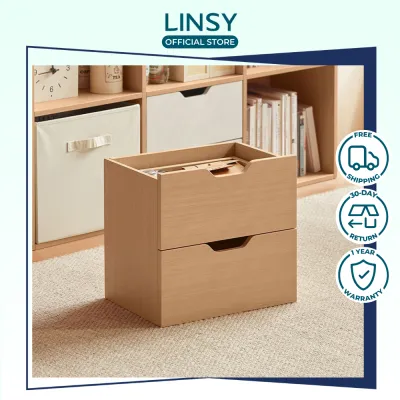
Prices are valid at publication and may change. Please refer to the product page for the latest price.
Next, measure the vertical wall height from floor to ceiling. Take note of any wall-mounted features that could obstruct a tall bookcase, such as electrical outlets, light switches, internet ports, or wall-mounted air conditioning units. It is also wise to check the path of ceiling fans to ensure that a tall unit will not interfere with the fan blades when they are in motion.
Crucially, you must plan the delivery route from the street to your study room. Measure the height and width of all doorways, hallways, stairwells, and elevator doors that the packaged furniture must pass through. In many urban residential buildings across the Philippines, tight corners in stairwells or compact passenger elevators present major obstacles for transporting flat-packed or pre-assembled furniture panels, making pre-delivery measurements essential.
Once you understand your physical space, categorize the specific items you plan to store. Heavy academic textbooks, law volumes, and thick ring binders require exceptionally sturdy, closely spaced shelves that will not bend under continuous pressure. On the other hand, lightweight novels, delicate paper documents, certificates, or decorative items are better suited for adjustable shelves or enclosed compartments that offer protection from dust and ambient light.
Finally, consider the overall layout and traffic flow of your home office. Ensure there is adequate clearance behind your desk chair so you can slide back, stand up, and move around comfortably without bumping into the bookcase. A cramped study room can hinder your focus, so leaving clear walking paths of at least 60 to 90 centimeters between furniture pieces is highly recommended.
Key Dimensions and Specifications to Check
Understanding technical specifications is key to choosing a bookcase that can handle your storage load without structural failure. The most critical specification to verify is the load capacity per shelf, usually measured in kilograms. Storing dense academic volumes or heavy storage boxes requires a much higher load rating than displaying lightweight decorative items or softcover novels. Overloading a shelf beyond its rated capacity will lead to permanent bowing, which ruins both the look and utility of the unit.

Adjustability is another vital feature to look for in product listings. Bookcases with pre-drilled holes and adjustable shelf supports allow you to raise or lower individual shelves to accommodate oversized items like binders, art portfolios, or small electronics. This flexibility prevents wasted vertical space, allowing you to maximize the internal storage volume of the unit as your collection grows or changes.
When comparing different models, distinguish clearly between the overall external dimensions and the actual internal usable storage space. Thick decorative side panels, heavy top moldings, or sliding door tracks can make a bookcase appear larger on the outside while significantly reducing the depth and width of the shelves inside. Always check the internal shelf depth to ensure your widest binders or books can sit completely flat without protruding past the edge.
Additionally, examine the thickness of the individual shelf boards. Thicker panels, typically ranging from 15 to 25 millimeters, offer much greater resistance to bending over time. In humid tropical environments, thinner boards are more susceptible to sagging under heavy loads because moisture in the air can gradually soften the fibers of engineered wood, making robust board construction an absolute necessity for long-term durability.
Matching Linsy Philippines Bookcase Styles to Your Workflow
Selecting the right structural configuration is essential for creating an efficient daily workflow in your home study. Linsy Philippines offers several distinct styles designed to accommodate different study habits, room sizes, and aesthetic preferences.
Open Shelving Units
Open shelving units are highly valued for their accessibility and visual lightness. Because there are no doors to open, you can easily see and grab reference books, notebooks, and frequently used office tools in the middle of a busy workday. This open design also creates an airy, uncluttered feel, which helps small study rooms or shared bedrooms feel larger and more inviting.
However, open shelves come with a distinct practical trade-off. Without protective barriers, dust accumulates rapidly on book tops and decorative items, requiring you to clean and dust the shelves on a weekly basis. Additionally, an open setup demands constant organizational discipline, as messy piles of paper or mismatched storage boxes will be fully visible to anyone entering the room.
Cabinets with Doors
Cabinets equipped with doors provide an excellent solution for keeping your study looking neat and tidy while protecting sensitive materials. Enclosed storage shields your books, legal documents, and electronics from dust, direct sunlight, and ambient humidity. This is particularly beneficial for preserving older books or delicate paper documents that can deteriorate when exposed to the elements.
When choosing an enclosed cabinet, consider the choice between glass and solid doors. Glass doors offer the best of both worlds, allowing you to display your book collection or decorative items clearly while keeping them free from dust. Solid doors, conversely, are ideal for concealing cluttered office supplies, printer paper, cables, and other unsightly items that you want to keep out of sight.
Corner and L-Shaped Bookcases
Corner and L-shaped bookcases are outstanding space-saving solutions designed to make the most of underutilized areas in a room. By hugging the walls, these units transform empty corners into highly functional storage zones without consuming valuable floor space in the center of the room. They can also help you create a cozy, semi-private reading or study nook within a larger bedroom or living area.
Before choosing a corner model, it is vital to verify that your walls meet at a true 90-degree angle. Even a slight wall misalignment can prevent a corner bookcase from sitting flush, resulting in awkward gaps or stability issues. You should also measure the depth along both walls to ensure the unit does not block nearby windows, outlets, or doorways.
Desk-Integrated Bookcase Combos
For compact home offices, studio apartments, or children’s study areas, desk-integrated bookcase combos offer exceptional space efficiency. These all-in-one units combine a sturdy writing desk with vertical shelving into a single, cohesive footprint. This setup ensures that your reference books, laptop chargers, and study supplies are always within arm’s reach while you work.
When evaluating these integrated designs, pay close attention to the ergonomics of the workspace. Check the height of the desk surface, the width of the desktop, and the available legroom underneath to ensure a comfortable sitting posture during long study sessions. It is also helpful to check if the shelving component can be installed on either the left or right side, allowing you to customize the layout to suit your dominant hand and the specific configuration of your room.
Material and Climate Considerations in the Philippines
The tropical climate of the Philippines, characterized by high temperatures and high relative humidity, presents specific challenges for maintaining wooden furniture. Engineered wood, such as medium-density fiberboard (MDF) or particleboard, is commonly used in modern bookcases due to its affordability and clean finish. However, if these materials are exposed to excessive moisture, they can absorb water vapor from the air, leading to swelling, warping, and a significant loss of structural strength.
To protect your furniture from moisture damage, look for bookcases that feature high-quality, fully sealed edge banding on all sides of the panels. Edge banding acts as a vital protective barrier, preventing humid air or accidental liquid spills from penetrating the inner wood fibers. Unsealed edges are highly vulnerable to moisture ingress, which can cause the laminate finish to peel away over time.
While solid wood and metal-frame bookcases naturally offer superior resistance to moisture-induced warping, high-grade engineered wood remains an excellent and cost-effective choice if you take simple preventative measures. Ensure your study room has adequate ventilation, and consider using a dehumidifier or air conditioner during the rainy season to keep indoor humidity levels within a safe range.
Where you place your bookcase also plays a major role in its longevity. Avoid pushing the unit completely flush against concrete walls, as these walls can sweat and transfer moisture directly to the back panel of the furniture; instead, leave a small gap of two to three centimeters to allow air to circulate. Keep the bookcase out of direct sunlight to prevent the finish from fading, and avoid placing it directly underneath air conditioning units where cold air drafts can cause localized condensation.
For enclosed cabinets, it is beneficial to choose designs that feature small ventilation gaps or breathable back panels. This subtle airflow prevents stagnant, humid air from being trapped inside the cabinet, reducing the risk of musty odors, mold, and mildew developing on your books and documents.
Purchasing, Delivery, and Assembly Checklist
To ensure a smooth and successful purchase, always buy your furniture through the brand’s official store or authorized e-commerce platforms. Purchasing from verified channels ensures that you receive an authentic product, reliable customer service, and valid warranty coverage in case of manufacturing defects or missing components.
Before finalizing your order, verify the shipping and delivery coverage for your specific province or municipality. Delivery policies and transit fees can vary significantly across the Philippines, and some logistics partners may charge additional fees for delivering to high-rise buildings without functional freight elevators or to remote areas outside major urban centers.
Once your packages arrive, do not rush into assembly. Carefully inspect the outer boxes for any signs of rough handling or transit damage, such as deep punctures or crushed corners. Open the packages carefully, lay out all the panels, and count the hardware pieces to verify that everything matches the parts list provided in the instruction manual.
When assembling the bookcase, follow the step-by-step instructions closely and use manual hand tools rather than high-powered electric drills, which can easily over-tighten screws and strip the pre-drilled holes in engineered wood. Finally, never skip the crucial safety step of securing tall or top-heavy bookcases to the wall. Using the provided anti-tip anchoring hardware is essential for preventing accidental tipping, especially in homes with active pets, young children, or during seismic events.
Frequently Asked Questions (FAQ)
How do I prevent my bookcase from tipping over?
To prevent a tall bookcase from tipping over, you must secure the top of the unit directly to the wall using the anti-tip straps, brackets, or wall anchors provided by the manufacturer. For concrete or masonry walls commonly found in Philippine homes, ensure you use the correct wall plugs and screws designed for masonry rather than standard drywall anchors. Additionally, always place your heaviest items, such as thick textbooks, binders, and heavy storage boxes, on the lowest shelves to lower the furniture’s center of gravity and improve its overall stability.
Can I add extra shelves to a Linsy bookcase later?
While many Linsy bookcases come with pre-drilled holes that allow you to adjust the height of the existing shelves, adding entirely new shelves can be challenging. To do so, you will need to source matching wood panels of the exact dimensions and thickness, along with compatible shelf support pins, either directly from the manufacturer or a local hardware store. Before adding extra shelves, verify that you are not exceeding the maximum overall weight capacity of the bookcase’s vertical frame, as overloading can cause structural failure.
What is the best way to clean dust from open bookshelves?
The safest way to clean dust from open bookshelves is to use a dry, high-quality microfiber cloth or a vacuum cleaner equipped with a soft-bristle brush attachment. These tools effectively trap dust particles without scratching the laminate finish or damaging book covers. Avoid using wet cloths, abrasive scrubbing pads, or harsh chemical cleaners, as excess moisture can seep into the seams of engineered wood panels, causing the edges to swell and the protective laminate to peel.
Community discussion
Share your experience or ask a question. Comments are reviewed before publication.