
Finding the right furniture for a compact home can be a balancing act, especially when trying to keep your space feeling open and inviting. A low coffee table is an excellent solution for small living rooms in the Philippines because it keeps sightlines clear, makes low ceilings feel higher, and preserves precious floor space. Choosing the right piece requires balancing the table’s height with your sofa cushions, ensuring adequate clearance for foot traffic, and selecting moisture-resistant finishes that withstand tropical humidity. By focusing on proportions and functional designs, you can create a comfortable, stylish seating area that never feels cramped.
Quick Answer: Sizing and Selecting a Low Coffee Table
To find a low coffee table that fits your small living room well, focus on three main proportions: length, height, and clearance. The table’s length should ideally measure between one-half and two-thirds of your sofa’s total width to maintain visual balance. For height, aim for a surface that sits level with or up to 10 centimeters below your sofa’s seat cushions, which typically translates to a table height of 30 to 40 centimeters.
Maintaining proper clearance is equally vital for comfort and safety. Leave a gap of 30 to 45 centimeters between the edge of the table and the front of your sofa so you have plenty of legroom while keeping drinks within easy reach. Finally, evaluate the visual weight of the table; choosing a piece with slender legs, an open frame, or a light color palette prevents the furniture from dominating a compact floor plan.
Products mentioned in this guide
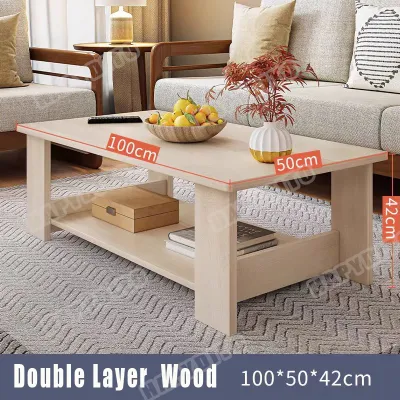
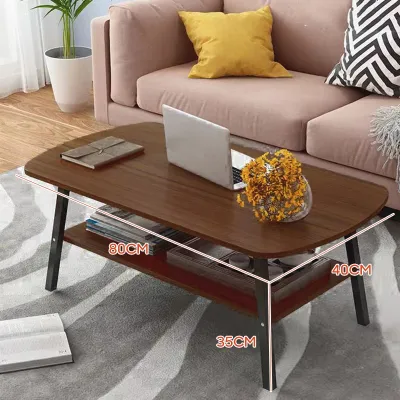

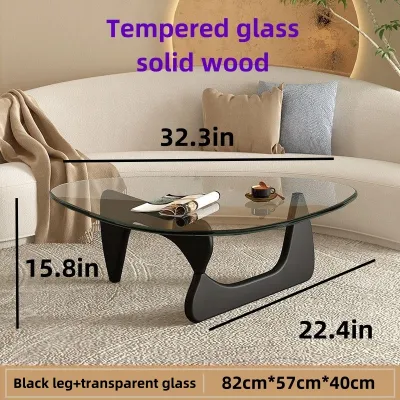

Prices are valid at publication and may change. Please refer to the product page for the latest price.
Why a Low Profile Works in Compact Living Spaces
In many Philippine condominiums, townhouses, and urban apartments, ceiling heights can feel somewhat restrictive. A low-profile coffee table keeps the center of the room open, allowing natural light from windows or balconies to sweep across the space uninterrupted. This open sightline tricks the eye into perceiving the room as larger and more airy than its actual square footage suggests.

Lower furniture also improves physical traffic flow by reducing knee-level obstructions. When a table sits below the average knee height, family members and guests are far less likely to bump against sharp corners or feel blocked when moving around the seating area. This makes the entire layout feel more accessible and less cluttered.
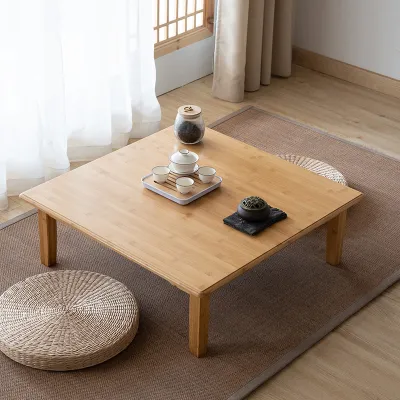
Additionally, low tables naturally foster a relaxed, grounded atmosphere that suits casual, multi-use living spaces. In Filipino households where gatherings are common, a low table pairs beautifully with floor cushions, woven mats, or low stools. This setup creates an inviting, informal zone where family members can gather for board games, casual snacks, or afternoon coffee.
Step-by-Step Space Measurement and Clearance Guide
Before browsing online marketplaces or visiting local showrooms, taking precise measurements will save you from buying a table that crowds your room. Follow these steps to map out your space:
Measure your sofa’s seating width. Focus on the interior seating area, excluding the armrests. Your low coffee table should not exceed two-thirds of this measurement to ensure it does not overwhelm the sofa visually or physically block the ends of the seating area.
Determine the cushion height. Measure from the floor to the top of your sofa’s seat cushion. A low coffee table should sit equal to this height or slightly lower. If your sofa is a modern, low-slung model, a table height of 30 centimeters is often ideal.
Map out the walkways. Use masking tape or newspapers on your living room floor to outline the table’s potential footprint. Ensure there is a clear path of at least 60 centimeters for main walkways leading to other rooms, entryways, or balconies so you do not have to squeeze past the furniture.
Verify doorway and lift access. In high-rise residences, measure your building’s elevator doors, stairwells, and your main entryway. Even a low table must fit through these tight spaces during delivery and installation, so check the packaged dimensions before finalizing your purchase.
Assess load capacity and stability. If you plan to rest heavy books, tea trays, or even your feet on the table, check the manufacturer’s specified load capacity. Low tables with wide, flat bases generally offer excellent stability on thick rugs or tiled floors, reducing the risk of tipping.
Functional Designs That Maximize Small Room Utility
When square footage is limited, your furniture needs to work double duty. Look for these smart, space-saving designs that add daily utility without expanding the physical footprint of your living room:
Nesting tables. These modular sets feature two or three tables of graduating sizes that slide completely underneath one another. You can expand them when hosting guests for snacks and tuck them away to reclaim floor space afterward.
Lift-top and hidden storage. Some low tables feature top panels that lift forward or slide open to reveal deep storage compartments. This design is perfect for stashing remote controls, chargers, and coasters out of sight, keeping your small room clutter-free.
Open bases and transparent surfaces. Tables with thin metal frames or glass tops offer exceptional visual lightness because they allow you to see the floor underneath. However, if you choose glass, verify the manufacturer’s care labels for tempered safety ratings and scratch resistance.
Material checks for tropical climates. Solid wood, engineered wood, and metal behave differently in humid environments. Check that wooden tables have a sealed, moisture-resistant finish to prevent warping or mold during the rainy season, and ensure metal frames have anti-rust coatings. When budgeting for your purchase, expect quality compact options to range from ₱2,000 to ₱10,000 depending on materials; always verify delivery fees for bulky items.
Common Placement and Sizing Mistakes to Avoid
Even with the right table, poor placement can make a small living room feel cramped. Avoid these common spatial and styling errors to keep your layout functional:
Choosing a table that is too tall for low-profile seating is a frequent mistake. This height mismatch disrupts sightlines, makes reaching for items uncomfortable, and visually shrinks the room by crowding the vertical space between the sofa and the ceiling.
Another error is ignoring area rug boundaries. A coffee table should sit comfortably within the boundaries of your living room rug. If the table’s legs rest half-on and half-off the rug, it can wobble and create a safety hazard for hot drinks, especially on uneven tiled floors.
Finally, avoid overloading the low surface with tall decor. Placing oversized vases, tall candle holders, or massive stacks of books on a low table defeats its spatial purpose. Keep tabletop decor minimal and low-profile to preserve the open sightlines you worked hard to create.
Frequently Asked Questions (FAQ)
Can I use a low coffee table with a standard-height sofa?
Yes, you can pair a low coffee table with a standard-height sofa, but it requires careful styling to avoid looking mismatched. If the table is significantly lower than the seat cushions, reaching down for drinks can feel awkward. To bridge the visual gap, place a few medium-height decorative items, like a shallow wooden tray or a small potted plant, on the table to draw the eye upward.
What is the best shape for a low coffee table in a narrow room?
An oval or rectangular low coffee table works best in narrow living rooms because it mirrors the elongated shape of the space. Oval tables are particularly advantageous in tight layouts because their rounded corners eliminate sharp edges, making it much easier and safer to navigate narrow walkways without bumping your knees.
Community discussion
Share your experience or ask a question. Comments are reviewed before publication.