
Organizing a closet in the Philippines requires a strategic approach to space management and climate control. With high humidity levels year-round and space often at a premium in modern urban homes, finding a storage system that protects your footwear investment is essential. A shoe cabinet plastic design offers a highly practical, modular, and moisture-resistant alternative to traditional wooden wardrobes. By integrating these lightweight storage units into your existing closet layout, you can systematically arrange your shoes while keeping them shielded from dust and dampness.
Selecting the right plastic shoe organizer involves evaluating your closet’s dimensions, your footwear collection, and the specific design features that promote airflow. Whether you prefer individual stackable boxes for a curated sneaker display or multi-drawer units to conceal visual clutter, understanding how to measure, place, and maintain these cabinets ensures a long-lasting and efficient storage system.
The Role of Plastic Shoe Cabinets in Closet Systems
Integrating plastic shoe cabinets into a wardrobe setup provides several distinct advantages tailored to modern living spaces. One of the primary benefits of plastic is its lightweight construction. Unlike heavy wooden or metal shelving, plastic organizers can be effortlessly rearranged, stacked, or repositioned as your wardrobe needs evolve. This high level of modularity is especially beneficial for renters or those who frequently update their room layouts, allowing for quick adjustments without the need for heavy lifting or complex disassembly.
Products mentioned in this guide
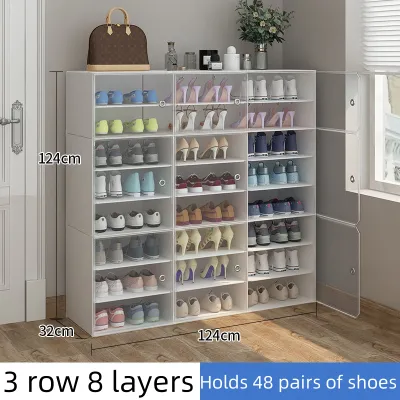
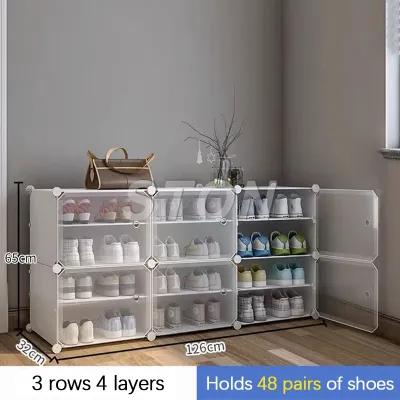
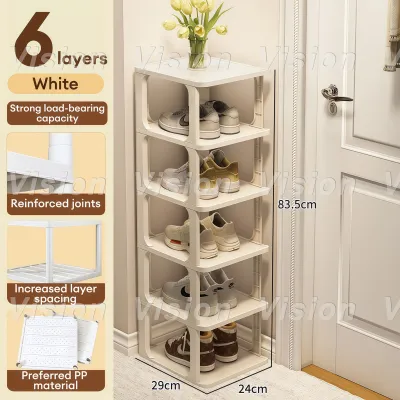
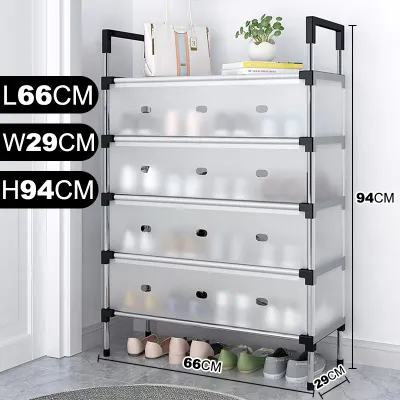
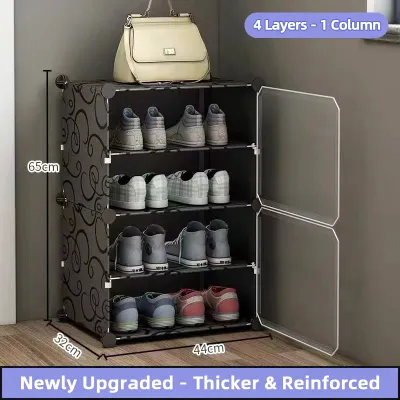
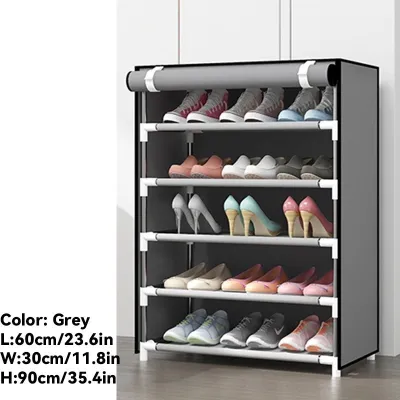
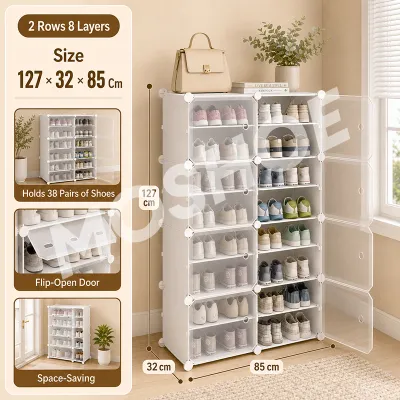
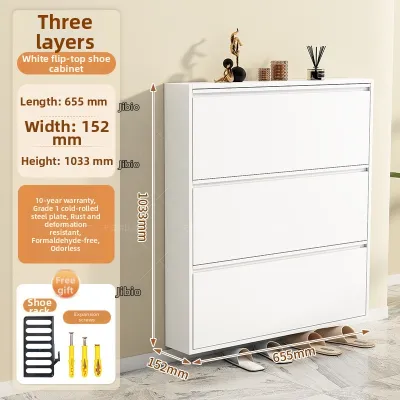
Prices are valid at publication and may change. Please refer to the product page for the latest price.
In the tropical climate of the Philippines, moisture resistance is a critical factor for preserving footwear. High humidity levels can cause traditional wooden shoe cabinets to warp, swell, or cultivate mold, which can quickly transfer to leather and fabric shoes. Plastic is entirely non-porous and does not absorb ambient moisture, acting as an effective barrier that protects your shoes from damp closet walls. It is also highly resistant to termites and other pests that are commonly attracted to organic wood fibers.
Another practical advantage is the availability of transparent or semi-transparent plastic materials. Clear polypropylene doors or panels allow you to identify your footwear at a glance, eliminating the need to open multiple boxes when searching for a specific pair. This visual accessibility saves valuable time during busy morning routines and helps ensure that all pairs in your collection remain in regular rotation rather than being forgotten at the back of a dark shelf.
However, plastic shoe cabinets do have specific limitations that you must consider before purchasing. Standard plastic frames generally have a lower weight capacity compared to solid wood or steel structures. Overloading a plastic shelf with heavy boots can cause the material to bow, sag, or crack over time. Additionally, smooth plastic surfaces naturally carry a slight static charge that attracts ambient dust, pet hair, and clothing lint, which means they require regular wiping to maintain a clean appearance.
Essential Closet Measurements for Shoe Cabinet Fit
Before purchasing any plastic shoe organizer, taking precise measurements of your closet interior is vital to prevent installation issues. Begin by measuring the usable floor width and depth of the space where the cabinets will sit. Do not rely on the general dimensions provided by your home’s builder; instead, measure the actual clear space between baseboards, closet tracks, or protruding door hinges. Even a discrepancy of a few millimeters can prevent a rigid plastic unit from sliding smoothly into a designated wardrobe niche.

Next, calculate the vertical clearance below your hanging garments. Measure the distance from the closet floor to the bottom hem of your lowest-hanging clothes, such as long dresses, trousers, or coats. This measurement determines the maximum height your stacked shoe cabinets can reach before they begin to crowd your hanging apparel. Leaving a gap of at least 5 to 10 centimeters between the top of the shoe cabinets and your clothes prevents fabric wrinkling and allows air to circulate freely.
It is equally important to evaluate the door swing radius and the path of sliding doors. For wardrobes with hinged doors, ensure that the shoe cabinet’s drop-front doors or pull-out drawers can open fully without colliding with the closet door frame or hinges. For sliding door systems, measure the depth of the cabinet carefully to guarantee that it sits completely behind the door tracks, allowing the wardrobe doors to glide shut without obstruction.
Finally, do not forget to account for the physical space required for you to access your footwear comfortably. Ensure there is adequate walkway space—typically at least 50 to 60 centimeters of open floor in front of the closet. This clearance allows you to bend down, kneel, or sit comfortably while retrieving shoes from the lowest tiers of your storage system without feeling restricted by nearby bedroom furniture.
Plastic Shoe Cabinet Styles for Different Closet Layouts
Choosing the right style of plastic shoe storage depends heavily on your closet’s physical layout and the types of shoes you own. Different designs offer distinct trade-offs in terms of visibility, protection, and structural stability.
Stackable Drop-Front Shoe Boxes
Stackable drop-front boxes consist of individual plastic containers that lock together vertically and horizontally, featuring a clear front door that hinges open. This style is highly popular among sneaker collectors and shoe enthusiasts who want to showcase their collection while keeping it completely dust-free. The modular nature of these boxes allows you to build a custom storage wall that conforms perfectly to the irregular shapes of your closet floor or under-shelf spaces. In the local market, basic sets of six stackable boxes often range from ₱300 to ₱800, making them an affordable entry point for closet organization.
While drop-front boxes offer excellent space efficiency, you must pay close attention to the manufacturer’s specified weight limits. Stacking too many loaded boxes in a single column can put excessive pressure on the bottommost units, potentially causing them to warp or crack. To ensure safety, limit your stacks to a height recommended by the manufacturer, and always place the heaviest shoes, such as boots or thick-soled sneakers, in the lowest boxes.
When selecting drop-front boxes, look for models equipped with secure interlocking grooves, tabs, or anti-slip bases. These design features mechanically lock the individual units together, preventing the entire column from sliding or tipping forward when you open a door to retrieve a pair of shoes.
Pull-Out Drawer Shoe Cabinets
Pull-out drawer units feature multiple plastic drawers housed within a single, cohesive frame, operating similarly to a lightweight chest of drawers. This style is ideal for those who prefer a clean, minimalist closet aesthetic, as the drawer fronts are often opaque or frosted, effectively concealing visual clutter. Drawers also provide excellent protection against ambient dust, as they remain sealed when closed. Multi-drawer plastic cabinets are slightly more of an investment, typically ranging from ₱1,200 to ₱3,000 depending on the frame reinforcement and drawer capacity.
Before choosing a drawer-style cabinet, verify that the internal drawer depth and height are compatible with your footwear. Standard flats, sandals, and low-top sneakers fit easily in shallow drawers, but high heels, ankle boots, or high-top sneakers require deeper drawer compartments. Measuring your tallest shoes beforehand will prevent the frustration of drawers that cannot close properly.
Additionally, check the structural rigidity of the plastic frame and the smoothness of the drawer gliding mechanism. Because plastic can flex under load, a flimsy frame may sag when multiple drawers are filled, causing the drawers to stick or derail. Opt for units with reinforced corner pillars and smooth-rolling tracks that slide effortlessly even when fully loaded.
Modular Shelving with Plastic Bins
Modular shelving systems consist of interlocking plastic panels or wire grids that form open cubes, which can then be fitted with removable plastic bins or baskets. This style offers maximum flexibility for mixed-use storage, allowing you to dedicate some cubes to shoes and others to accessories, folded clothing, or cleaning supplies. Modular grid systems with bins generally cost between ₱800 and ₱2,000, offering a highly customizable mid-range option.
The open-shelf design allows for rapid access and excellent ventilation, but it does expose shoes to more ambient dust than enclosed boxes or drawers. To protect delicate materials like suede or satin, use fabric or soft plastic insert bins within the grid system.
Because modular grid systems are lightweight and can be built quite tall, their structural stability must be carefully managed. If you configure a modular unit taller than four tiers, it is highly recommended to anchor the frame to the closet wall or back panel using safety straps or adhesive brackets to eliminate the risk of accidental tipping.
Design Features That Enhance Closet Integration
To ensure your plastic shoe cabinets function seamlessly within an enclosed closet, several specific design details should guide your purchasing decision.
First and foremost is the presence of adequate ventilation. Enclosing shoes in airtight plastic containers can trap residual foot sweat, moisture, and odors, creating an environment where bacteria and mold thrive. Look for shoe cabinets that feature built-in rear ventilation holes, slatted front doors, or breathable mesh panels. These features encourage continuous airflow, keeping your footwear fresh and dry.
Ergonomic handle design is another crucial factor for smooth closet integration. Opt for cabinets and drawers that feature recessed handles, integrated finger pulls, or flush-mounted tabs. Avoid units with bulky, protruding handles that stick out into the closet space, as these can easily snag on hanging clothes, delicate fabrics, or the hems of long dresses as you slide garments along the wardrobe rod.
If your closet is located near a bedroom window or receives direct tropical sunlight, pay close attention to the material’s UV resistance. Standard clear plastics can degrade, become brittle, and turn an unsightly yellow color when exposed to ultraviolet light over time. Choosing polypropylene or acrylic plastics treated with UV inhibitors ensures that your cabinets remain clear, strong, and visually appealing for years to come.
Finally, look for cabinets that offer adjustable or removable inner dividers. A fixed shelf height can limit your storage options, forcing you to store taller shoes on their sides, which can damage their shape. Removable dividers allow you to customize the internal vertical space, easily converting a standard sneaker compartment into a taller slot suitable for ankle boots or high heels.
Planning Your Closet Floor Layout for Shoe Storage
A well-planned closet layout maximizes daily efficiency and maintains the visual harmony of your bedroom. When arranging your plastic shoe cabinets, start by zoning your footwear based on how often you wear each pair. Place your daily work shoes, school shoes, or casual slide sandals in the most accessible, waist-height or eye-level positions. Reserve the very bottom tiers for heavy boots or formal shoes, and use the highest, harder-to-reach shelves for seasonal footwear or pairs reserved for special occasions.
To create a cohesive look, balance the visual weight of your storage units with your existing closet components. Try to align the top edge of your shoe cabinets with natural horizontal lines in your wardrobe, such as the bottom of built-in drawers or the hemline of hanging shirts. This alignment creates a clean, structured appearance that makes the plastic cabinets look like built-in features rather than temporary additions.
You can also integrate floor-standing plastic cabinets with vertical hanging organizers suspended from your closet rod. This combination works exceptionally well: use the hanging fabric organizers for lightweight items like slippers, sandals, and canvas flats, while utilizing the sturdier plastic floor cabinets to support heavier leather shoes and sneakers.
Lastly, always establish a dedicated “drop zone” near your closet entry or on the floor immediately outside the cabinet setup. Avoid the temptation to place freshly worn shoes directly into an enclosed plastic cabinet. Allowing your shoes to air out and dry completely for a few hours before storing them prevents trapped moisture from damaging the shoe materials and keeps the interior of your cabinets odor-free.
Maintaining Plastic Shoe Storage in Humid Climates
Proper maintenance is key to extending the lifespan of both your plastic shoe cabinets and the footwear stored inside them, especially in the humid, tropical environment of the Philippines.
Because smooth plastic surfaces are prone to building up static electricity, they naturally attract airborne dust and lint from your clothing. To manage this, wipe the exterior and interior surfaces of your cabinets once a week with a clean, slightly damp microfiber cloth. Avoid using dry cloths, as the friction can generate more static electricity, causing dust to settle back onto the plastic almost immediately.
To combat high humidity levels inside enclosed spaces, place active moisture control solutions inside your shoe drawers or drop-front boxes. Small silica gel packets, bamboo charcoal deodorizing bags, or compact, non-spill calcium chloride moisture absorbers are highly effective at pulling dampness out of the air. Remember to check and replace or reactivate these absorbers regularly to maintain their effectiveness.
Over time, dust and small debris can accumulate in the sliding tracks of drawer units or around the hinges of drop-front doors, causing them to stick or squeak. Periodically vacuum these crevices using a brush attachment and wipe them clean. Always consult the manufacturer’s care instructions before applying any cleaning sprays or lubricants; harsh chemical solvents or oil-based lubricants can degrade, weaken, or permanently cloud certain types of plastic.
Frequently Asked Questions (FAQ)
Can plastic shoe cabinets support heavy boots or winter shoes?
Standard lightweight plastic shoe boxes are designed primarily for lightweight footwear like sneakers, flats, and sandals. They may bow, sag, or crack under the concentrated weight of heavy leather boots or thick-soled winter shoes. If you need to store heavier footwear, look for reinforced heavy-duty plastic units with thicker walls, or place your heaviest shoes on the bottommost tier of the cabinet where the floor provides direct structural support. Always check the manufacturer’s specified weight capacity per shelf before purchasing.
How do I prevent mold inside enclosed plastic shoe storage?
Mold thrives in dark, damp, and unventilated environments. To prevent mold growth inside your plastic cabinets, never store shoes while they are damp from sweat, rain, or cleaning. Ensure your shoe cabinets have built-in ventilation holes to promote airflow, and place silica gel packs or charcoal deodorizing bags inside each compartment to absorb residual moisture. Additionally, open your closet doors periodically to let fresh air circulate throughout the wardrobe space.
Are transparent plastic shoe boxes prone to yellowing over time?
Standard clear plastics, such as polystyrene, can gradually turn yellow and become brittle when exposed to ultraviolet (UV) light. To prevent this aesthetic degradation, place your clear plastic shoe boxes in a shaded area of your closet away from direct sunlight, or choose high-quality acrylic or polypropylene boxes that are explicitly treated with UV inhibitors to maintain their clarity and strength over time.
Community discussion
Share your experience or ask a question. Comments are reviewed before publication.