
Finding a reliable, thick adult hammock (duyan) with a sturdy metal frame (bakal) requires balancing comfort, space, and safety. In the Philippines, where tropical heat and high humidity are constant, a freestanding duyan offers a flexible way to relax on a veranda, in a pocket garden, or inside a well-ventilated living room. However, not all hammocks sold online are built to safely support an adult’s weight or withstand the local climate.
To make a smart purchase, you must look beyond attractive product photos and focus on structural specifications. A truly comfortable and safe setup depends on the thickness of the fabric, the gauge of the metal frame, and how well the assembly fits your home’s physical layout. This guide breaks down the essential criteria to help you evaluate online listings, verify seller claims, and maintain your hammock for years of safe relaxation.
Key Criteria for a Thick and Comfortable Adult Hammock
When searching for a “makapal” (thick) duyan, the fabric’s weight and weave density are your primary indicators of quality. Thin, single-layer synthetic fabrics tend to stretch excessively over time, causing you to sink too close to the ground or the metal base. Look for descriptions that specify heavy-duty canvas, multi-layered oxford cloth, or padded quilted fabrics.
Products mentioned in this guide
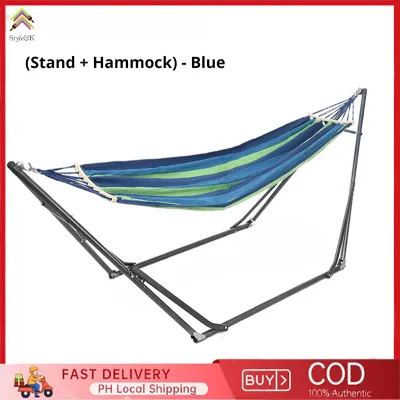
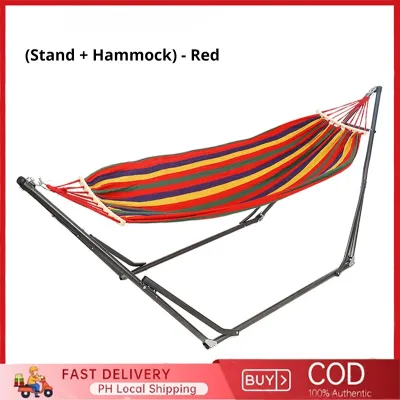
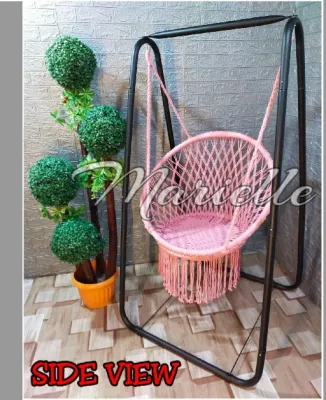
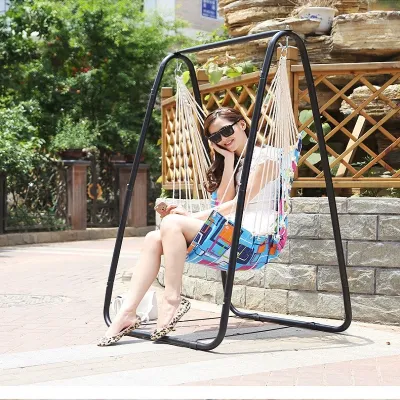
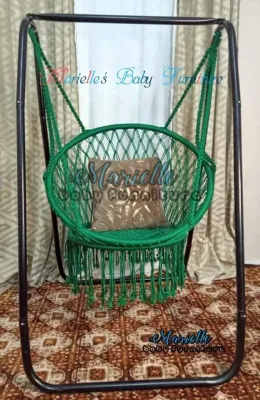
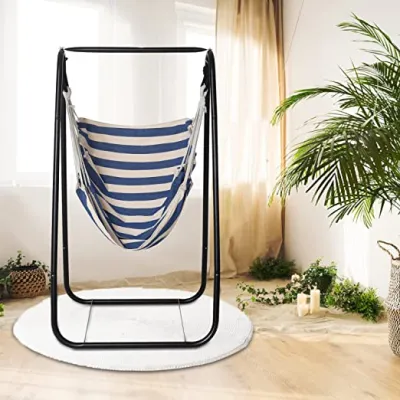
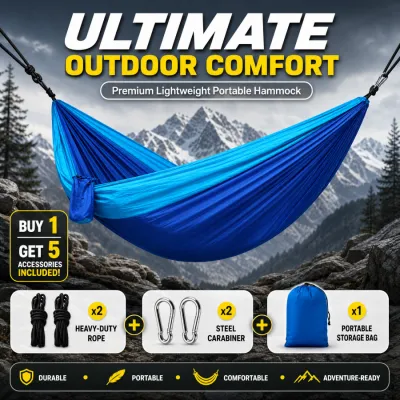
Prices are valid at publication and may change. Please refer to the product page for the latest price.
Padded hammocks often feature a layer of polyester fiberfill or cotton batting sandwiched between two durable fabric sheets. This construction not only provides a soft, mattress-like feel but also prevents the fabric from digging into your shoulders and back. If you prefer a traditional woven style, look for thick cotton or polyester ropes with a tight, multi-strand weave, which offers both breathability and robust support.
Sizing is equally critical for adult comfort. A hammock that is too short or narrow will force your body into a cramped, curved position, leading to back discomfort. For a single adult, the fabric bed should ideally measure long enough to allow you to lie diagonally, which is the most ergonomic way to sleep in a hammock. Ensure the width provides ample room so the sides do not wrap tightly around your face and restrict your view or airflow.
Weight capacity is the ultimate safety metric, and it must be verified carefully. Reliable manufacturers clearly state both the static weight limit (the weight the hammock can hold when perfectly still) and the dynamic weight limit (which accounts for the movement of getting in and out). Always choose a hammock with a rated capacity that comfortably exceeds your body weight, leaving a generous safety margin for peace of mind.
Evaluating the Metal Frame for Safety and Durability
The metal stand (bakal) is the foundation of your freestanding hammock, making its structural integrity a non-negotiable safety factor. When evaluating a frame, pay close attention to the thickness of the steel tubing, often referred to as the metal gauge. Thicker tubes resist bending under load and provide a more stable, rigid feel when you swing.

Examine the joint welds and connection points closely, either in person or through high-resolution product images. High-quality frames feature clean, continuous welds without visible gaps, bubbles, or slag, which can indicate weak points prone to cracking. The locking mechanisms—such as spring-loaded buttons, heavy-duty bolts, or interlocking pins—must fit snugly into their designated holes without excessive play or wobbling.
A stable frame requires a wide, well-proportioned base footprint to prevent tipping. The legs of the stand should extend outward far enough to distribute your weight evenly, especially when you are entering or exiting the hammock. Look for frames equipped with heavy-duty, anti-slip rubber or plastic foot caps. These caps protect your indoor tile or wooden floors from scratches and prevent the frame from sliding on smooth surfaces.
Given the high humidity and seasonal rains in the Philippines, rust prevention is essential for any metal furniture. Unprotected steel will quickly corrode, compromising both its appearance and structural strength. Prioritize frames finished with a thick, outdoor-grade powder coating. This electrostatic finish creates a durable barrier against moisture, salt air, and scratches, ensuring the metal remains intact even in coastal or humid environments.
Measuring Your Space for a Freestanding Hammock
Before clicking the buy button, you must carefully measure the intended location to ensure the freestanding hammock fits comfortably. A common mistake is measuring only the length of the frame while ignoring the total footprint required for safe operation. You must account for the frame’s width, length, and the necessary clearance zone around the entire setup.
To calculate the required space, start by measuring the maximum length and width of the metal stand’s base. Next, add a safety clearance of at least one meter on all sides of the hammock. This empty space ensures that as you swing gently, the fabric and your body will not collide with walls, columns, or nearby furniture.
Do not overlook the logistics of getting the hammock into your home. Freestanding hammocks are typically delivered in long, heavy boxes containing disassembled metal poles. Measure your doorways, narrow hallways, stairwells, and elevator doors to confirm that the packaged product can be easily transported to your assembly area without damaging your walls or the box itself.
When choosing a permanent or semi-permanent spot, identify safe placement zones away from high-traffic household pathways. Avoid placing the hammock near sharp furniture corners, glass doors, or low-hanging overhead hazards like ceiling fans, light fixtures, or hanging plants. A clear, open area ensures that even a sudden movement or an accidental slip during entry does not result in an injury.
Building Your Shortlist: What to Verify on Product Pages
Shopping on online marketplaces requires a healthy dose of skepticism, as product descriptions can sometimes be misleading. To build a reliable shortlist, cross-reference the seller’s stated weight limits with the physical specifications of the product. A frame claiming to support heavy adult weights should have a corresponding product weight that reflects thick, heavy steel rather than thin, lightweight aluminum.
Evaluate the credibility of the seller by checking their overall rating, operational history, and customer service response rate. Look for sellers who offer clear return policies and explicit warranties covering structural defects in the metal frame or stitching failures in the fabric. A manufacturer confident in their product’s durability will usually provide a clear path for replacements or refunds.
Customer reviews are an invaluable source of real-world performance data. When reading reviews, bypass the generic five-star ratings and look for detailed feedback, especially those accompanied by user-uploaded photos and videos. Search for recurring complaints regarding bent metal poles, stripped threads on assembly bolts, tearing fabric seams, or missing hardware components.
Pay attention to how users describe the assembly process. A well-designed metal frame should come with clear, illustrated instructions and all necessary tools, such as hex keys or wrenches. If multiple reviews mention that the holes do not align properly or that the frame feels wobbly even after tightening all bolts, it is a strong indicator of poor quality control.
Maintenance and Safety Checks for Daily Use
Owning a heavy-duty hammock comes with the responsibility of performing regular maintenance to ensure ongoing safety. Establish a monthly inspection routine to check the condition of all metal joints, hooks, and fabric attachment points. Look closely for any signs of metal fatigue, such as hairline cracks near the welds, bent hooks, or worn-down connection rings.
The fabric portion of your duyan requires dedicated care to maintain its strength and hygiene. Thick fabrics, especially those with internal padding, can trap moisture from sweat, humidity, or unexpected rain showers. To prevent the growth of mold and mildew, spot-clean the fabric regularly using a mild detergent and a soft brush, then allow it to air-dry completely in a well-ventilated area before folding or using it.
Never machine-wash a padded hammock unless the manufacturer’s care label explicitly permits it, as the agitation can clump the internal fibers and ruin the shape. If the fabric becomes thoroughly soaked, hang it fully stretched out in the sun to dry. Trapped moisture not only causes unpleasant odors but can also slowly rot the fabric fibers, drastically reducing the hammock’s weight capacity.
You must establish clear rules for when to stop using the hammock immediately. If you notice any structural anomalies—such as a bent frame pole, a cracked weld, frayed suspension ropes, or a tearing seam—discontinue use right away. Do not attempt to patch a compromised metal frame with tape or makeshift supports; instead, contact the manufacturer or a professional welder to assess whether the stand can be safely repaired.
Frequently Asked Questions (FAQ)
Can a metal frame hammock be left outside in the rain?
Unless the manufacturer explicitly certifies both the metal frame and the fabric as fully weatherproof, you should not leave them exposed to direct rain. Standard metal frames, even those with powder coatings, can develop rust inside the hollow tubes where water can collect and sit. Thick, padded fabrics will absorb large amounts of water, leading to mold, mildew, and fiber degradation. To prolong the lifespan of your hammock, always use a dedicated weatherproof cover or disassemble the frame and store the components indoors during heavy rains and typhoons.
How do I know if the fabric is truly thick when buying online?
To verify fabric thickness when shopping online, look for technical specifications such as the fabric’s GSM (grams per square meter) rating or denier count, which indicate material density. Read the product description carefully to see if it mentions multiple layers of fabric or integrated padding like polyester fiberfill. Additionally, browse the customer review section for user-uploaded photos. These real-life images often show the fabric’s drape, edge stitching, and overall thickness much more accurately than stylized, edited promotional photos provided by the seller.
Community discussion
Share your experience or ask a question. Comments are reviewed before publication.