
Finding the ideal wood dining table for 2 people in the Philippines requires balancing compact dimensions, moisture-resistant finishes suitable for tropical humidity, and smart base designs that maximize legroom. As urban living spaces in Metro Manila, Cebu, and other major cities shift toward studio apartments and high-rise condominiums, maximizing every square meter of your dining area becomes essential. A well-chosen two-seater table does not just serve as a place to eat; it often doubles as a workspace, a food preparation surface, and a design anchor for your home.
Selecting the right piece involves looking beyond aesthetic appeal. You must evaluate how the table fits into your daily routine, how its materials handle the local climate, and whether its physical structure allows for comfortable movement. By focusing on precise measurements, material specifications, and structural integrity, you can secure a durable and functional piece of furniture that enhances your living space without causing physical or visual clutter.
Key Dimensions and Space Planning for a 2-Person Table
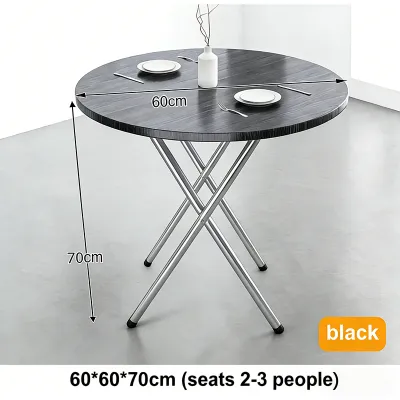
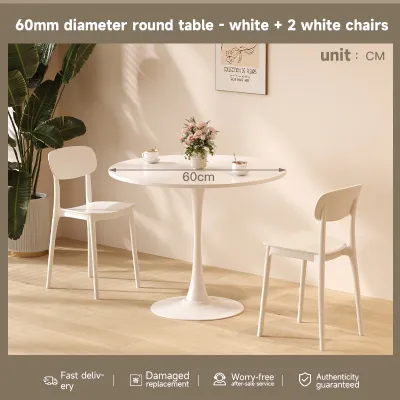
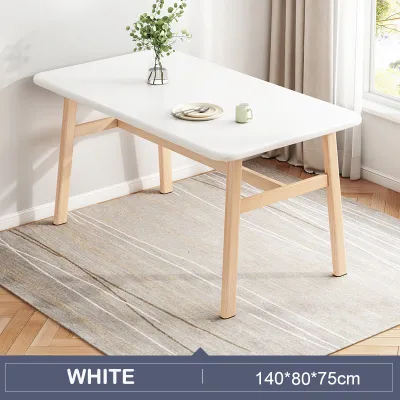
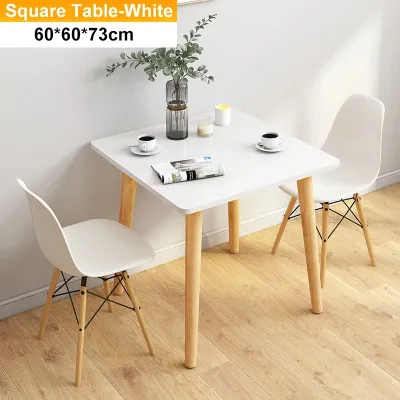
Before browsing online catalogs or visiting local showrooms, you must establish the exact footprint your dining area can accommodate. For a comfortable two-person dining experience, square tables typically range from 60 cm by 60 cm to 80 cm by 80 cm. If you prefer a rectangular shape, look for options measuring approximately 75 cm to 90 cm in width and 60 cm to 75 cm in depth. Round tables are highly effective for softening tight corners, with a diameter of 60 cm to 90 cm providing ample surface area for two place settings without dominating the room. The standard height for these tables is generally around 75 cm, which pairs comfortably with standard dining chairs.
Products mentioned in this guide
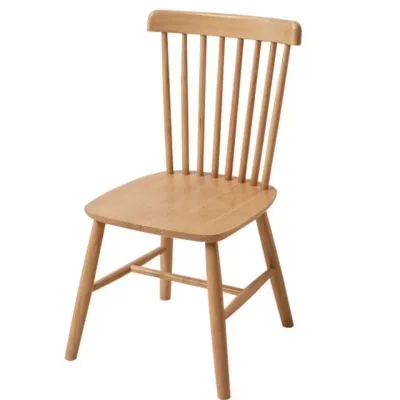
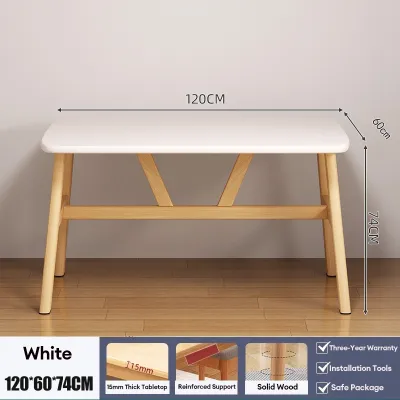
![[COD high quality]Nordic Foldable Table Dinning Save Space Table Wooden Desk](https://img.lazcdn.com/g/p/50e5f338f6a56aa90618826f65161987.jpg_400x400q80.jpg_.webp)
Prices are valid at publication and may change. Please refer to the product page for the latest price.
Determining the table’s dimensions is only the first step; you must also account for the clearance zones required for daily movement. To pull out a chair and sit down comfortably, you need a minimum of 60 cm to 75 cm of clear space between the edge of the table and the nearest wall or piece of furniture. If the dining area sits along a primary walkway in your home, increase this clearance to at least 90 cm to ensure family members can walk past without forcing the seated person to shift forward.
Another critical but frequently overlooked factor is the delivery path. Many residential buildings in the Philippines feature narrow stairwells, tight hallway corners, and compact elevator cabins that can restrict the transport of fully assembled furniture. Before finalizing your purchase, measure the height and width of all entryways, elevator doors, and corridor turns. If your access routes are particularly tight, prioritize flat-packed or knock-down furniture designs that can be assembled directly inside your dining room, reducing the risk of damage during transit.
Evaluating Wood Materials and Surface Finishes
Understanding the differences between wood materials is essential for predicting how your table will perform over time, especially under the unique environmental conditions of the Philippines. Solid wood options, such as mahogany, acacia, or rubberwood, are highly valued for their natural grain patterns and structural weight. However, solid wood is a living material that naturally expands and contracts in response to changes in tropical humidity. To prevent warping or splitting, you must verify that the manufacturer has properly kiln-dried the timber before fabrication.

Engineered wood, including medium-density fiberboard (MDF) and particle board, offers a highly stable and budget-friendly alternative that does not warp under humidity fluctuations. When evaluating engineered wood tables, pay close attention to the quality of the protective laminate or wood veneer applied to the surface. Check the product descriptions to ensure the edges are sealed with high-quality edge-banding, as unsealed edges can absorb ambient moisture, leading to swelling, bubbling, and eventual deterioration of the core material.
The surface finish is your table’s primary defense against daily wear, spills, and environmental moisture. Look for manufacturer specifications that explicitly detail the topcoat used, such as polyurethane, lacquer, or specialized protective oils. A robust polyurethane coating is highly recommended for dining tables because it provides a reliable barrier against water rings, heat from warm plates, and minor scratches. Always review the seller’s care instructions and weight capacity limits; a reliable manufacturer will clearly state the maximum load the table can safely support, helping you avoid structural strain.
Matching Table Styles and Base Designs to Your Layout
The structural design of your dining table directly influences both the visual flow of your room and your physical comfort while seated. If you live in a highly compact space, consider space-saving mechanisms that adapt to your changing needs. Drop-leaf tables feature hinged sections that can be folded down when you need extra floor space and raised when it is time to dine. Extendable tables utilize slide-out panels or butterfly leaves to temporarily expand the seating capacity, while fully folding designs can be stored against a wall or in a closet when not in use.
The configuration of the table’s base also plays a major role in determining legroom and chair placement. Pedestal bases, which feature a single central support column, are exceptionally space-efficient because they eliminate corner legs. This design allows you to tuck chairs completely under the table from any angle, making it an excellent choice for round tables placed in tight corners. Conversely, traditional four-leg bases offer superb stability but restrict chair placement to specific sides, which can limit your seating options if the distance between the legs is too narrow.
When evaluating smaller tables, structural stability is paramount because a lighter frame is more susceptible to tipping or wobbling. Examine the joint construction details provided by the manufacturer. High-quality tables utilize robust joinery techniques, such as mortise-and-tenon joints, corner blocks, or heavy-duty metal brackets secured with bolts. Avoid tables that rely solely on simple wood screws or thin staples at critical load-bearing joints, as these connections can loosen quickly under daily use, leading to an unstable dining surface.
Pre-Purchase Checklist for Online and In-Store Buying
To ensure a successful purchase, compile a practical checklist to verify all product details before committing your budget. If you are shopping on local online marketplaces or furniture websites, carefully distinguish between “assembled dimensions” and “package dimensions” to avoid unexpected sizing issues. Confirm whether the product requires self-assembly, what tools are included in the package, and whether the manufacturer provides clear, step-by-step instructions or online video guides to assist you.
Financial transparency is equally important when calculating the total cost of your new furniture. Review the seller’s delivery policies to see if shipping fees in ₱ are calculated based on distance, weight, or if they include white-glove service where the delivery team assembles the table in your home. Carefully read the return policy and warranty terms; look for warranties that cover manufacturing defects, structural failures, or transit damage, and understand the exact process for filing a claim if the product arrives with defects.
If you have the opportunity to inspect the table in a physical showroom, perform a hands-on quality check. Apply gentle downward pressure on different corners of the tabletop to test for wobble or structural flexing. Run your hand along the underside and edges of the table to check for consistent sanding, smooth varnish application, and the absence of rough patches or splinters. Inspect the alignment of the joints to ensure there are no visible gaps, which could indicate poor manufacturing quality or potential structural weakness.
Frequently Asked Questions (FAQ)
How do I protect a wood dining table from heat and moisture?
To safeguard your wood dining table from damage, always use heat-resistant trivets or hot pads under warm serving dishes, and place coasters under cold drinks to prevent condensation from creating unsightly white rings. Wipe up liquid spills immediately with a soft, dry microfiber cloth, as standing water can penetrate micro-cracks in the finish and damage the wood underneath. Avoid placing the table in direct sunlight or directly in front of air conditioning vents, and strictly follow the manufacturer’s guidelines regarding recommended cleaning sprays and wood polishes.
Can a 2-person wood table be expanded for occasional guests?
Yes, many wood dining tables designed for two people feature built-in expansion mechanisms to accommodate occasional guests. When shopping for these versatile options, look for drop-leaf designs or tables with pull-out extension panels. Always check the manufacturer’s specifications to verify the extended dimensions and the maximum weight capacity when the table is fully open. Ensure that the support brackets, hinges, or slide runners are constructed from durable materials like heavy-duty steel to maintain structural stability when the extra surface area is in use.
Community discussion
Share your experience or ask a question. Comments are reviewed before publication.