
Finding the right balance between utility and physical space is the primary challenge when furnishing a compact dining area. For a small breakfast nook, a narrow side table typically requires a width of 30 to 45 centimeters (approximately 12 to 18 inches) to serve as a convenient secondary surface for mugs, small plates, and morning reading materials. If the table must accommodate light dining or hold small kitchen appliances, extending the width to 50 or 60 centimeters (20 to 24 inches) provides the necessary surface area while keeping the footprint minimal. The ultimate goal is to select a piece that supports your morning routine without turning your kitchen walkways into an obstacle course.
In tight residential layouts, every centimeter counts. A table that is even slightly too wide can disrupt the flow of your home, making it difficult to move around comfortably or pull out chairs. By carefully evaluating your space, understanding standard clearance requirements, and choosing the right structural profile, you can create an inviting, highly functional breakfast nook that feels open and organized.
Assessing Your Breakfast Nook Space and Walkways
Before browsing online marketplaces or visiting local furniture showrooms, you must establish the exact physical boundaries of your breakfast nook. Begin by measuring the total floor footprint of the designated area using a standard metal measuring tape. Do not rely on visual estimates, as baseboards, low window sills, electrical outlets, and built-in benches can significantly reduce the actual usable floor space. Note the height of any windows or wall fixtures, as these will dictate whether your table can sit flush against the wall or if it must stand lower to avoid blocking natural light.
Products mentioned in this guide
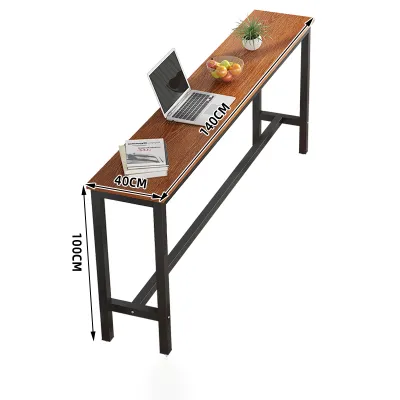
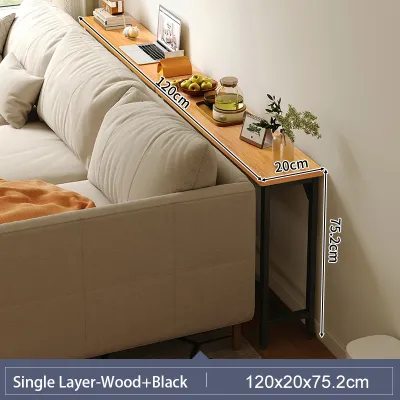
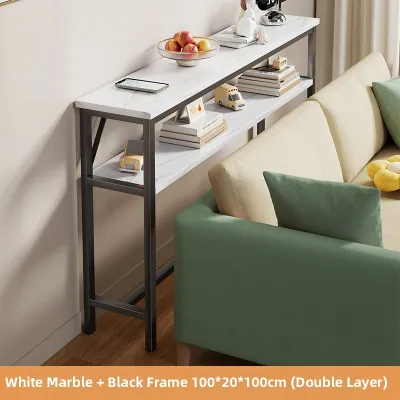
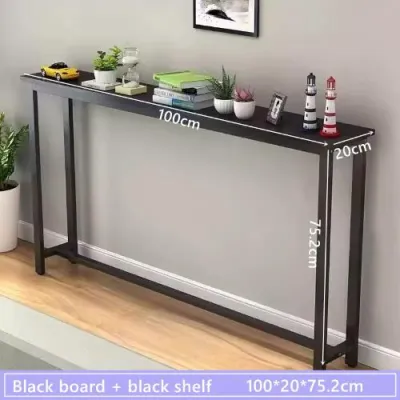
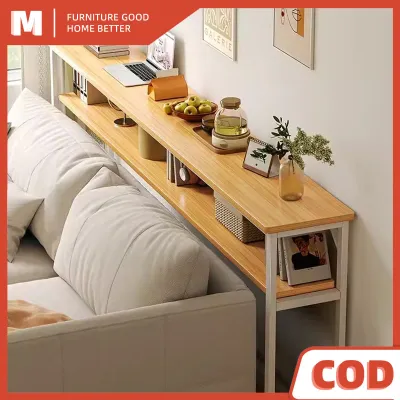
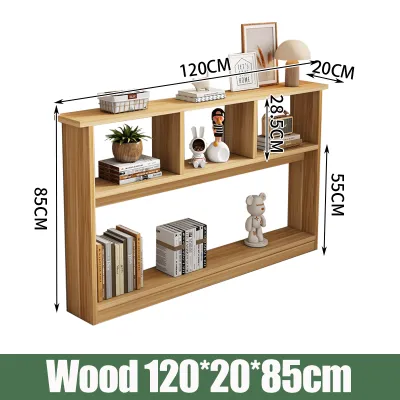
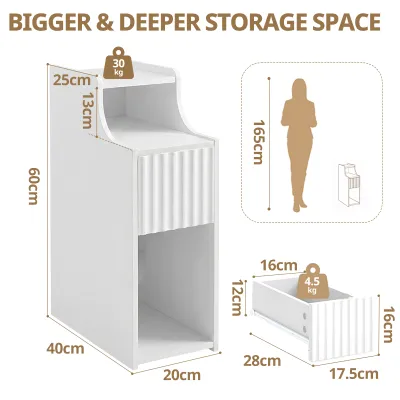
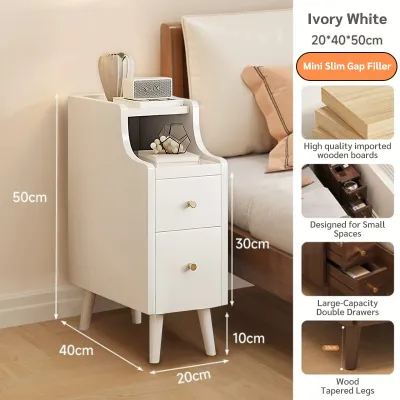
Prices are valid at publication and may change. Please refer to the product page for the latest price.
Next, map out the primary traffic paths that run through or alongside your breakfast nook. In many homes, the nook sits directly adjacent to high-traffic zones, such as the path between the refrigerator and the sink, or the entryway leading to an outdoor patio. To maintain a comfortable flow, aim to preserve a walkway clearance of at least 75 to 90 centimeters (30 to 36 inches) between the edge of the table and any opposing walls or kitchen counters. This ensures that family members can walk past without needing to turn sideways or squeeze through.
Finally, account for the physical movement of your dining chairs or stools. A chair requires approximately 55 to 60 centimeters (22 to 24 inches) of depth to be pulled back comfortably from a table when someone is sitting down or standing up. If your nook features a built-in banquette, measure the distance from the edge of the bench to the nearest walkway to ensure the table does not trap diners. Additionally, check the swing paths of nearby cabinet doors, pantry doors, and major appliances to prevent accidental collisions with your new furniture.
Determining the Ideal Width and Depth for Your Side Table
To determine the ideal dimensions for your side table, you must establish a functional baseline depth that accommodates your daily items. A standard dinner plate measures roughly 25 to 28 centimeters in diameter, while a coffee mug or glass requires an additional 10 centimeters of clearance. Therefore, if you plan to use the table for light meals, a minimum depth of 30 to 35 centimeters is necessary to prevent items from sitting dangerously close to the edge. If the table is purely for holding a book, a phone, or a decorative vase, you can safely reduce this depth to 25 centimeters.

Calculating the maximum allowable width requires looking at the remaining wall space and the placement of adjacent furniture. Measure the length of the wall where the table will stand, then subtract the clearance needed for any surrounding chairs or walkways. For example, if your wall segment is 120 centimeters long and you need to leave 40 centimeters of open space on one side for a walkway, your maximum table width should not exceed 80 centimeters. Keeping the table width within this calculated limit ensures that the piece looks proportional to the wall and does not overwhelm the nook visually.
Architectural features unique to your home will also influence these dimensions. In tropical climates, homes often rely on standing fans, wall-mounted cooling units, or large windows to maximize airflow and manage humidity. If your side table will sit near a window, check that its height allows it to tuck neatly under the sill without blocking the opening mechanism. If you are placing the table near an active ventilation path, ensure the width is compact enough that the table does not obstruct the cool air currents circulating through the room.
Evaluating Table Shapes and Profiles for Tight Spaces
The shape and profile of your side table play a significant role in how spacious your breakfast nook feels. Rectangular tables are highly efficient because they can sit completely flush against a flat wall, maximizing the available floor space in narrow gaps. However, sharp corners can be a hazard in tight walkways where people frequently pass by. Oval or rounded rectangular tables offer a softer profile that improves traffic flow, allowing family members to navigate around the corners smoothly without the risk of painful bumps.
For ultimate flexibility in a compact nook, consider a drop-leaf table design. These tables feature hinged panels that can be folded down when the table is not in use, reducing its width to a mere fraction of its fully extended size. This allows you to keep the walkway completely clear during busy cooking hours, then easily lift the leaf to create a functional dining surface when it is time for breakfast. It is an excellent solution for multi-purpose spaces where floor area must be reclaimed throughout the day.
The base of the table is just as important as the tabletop shape. Pedestal bases are highly recommended for tight spaces because they eliminate the corner legs that can restrict legroom and make cleaning difficult. If you prefer a traditional four-legged design, look for slim, tapered legs made of sturdy materials that provide visual lightness. Alternatively, wall-mounted fold-down tables offer the ultimate space-saving solution, as they completely eliminate the need for floor legs, leaving the ground area open for easy sweeping and mopping.
Checking Clearance, Stability, and Daily Usability
Before finalizing your purchase, you must verify that the table height aligns comfortably with your existing seating. Standard dining chairs typically have a seat height of 45 centimeters (18 inches), which pairs best with a table height of 75 centimeters (30 inches). If you are using counter-height stools or a custom-built banquette, measure the distance from the seat to the underside of the tabletop. A comfortable clearance of 25 to 30 centimeters (10 to 12 inches) between the seat and the tabletop is essential to allow adequate legroom and prevent a cramped dining experience.
Stability is a critical safety consideration, especially for narrow tables with a small footprint. Because these tables have a high center of gravity, they can easily tip over if someone leans heavily on the edge. Check the base footprint of the table to ensure it is wide enough to distribute weight evenly. If you select an exceptionally narrow model, look for designs that include wall-anchoring hardware or brackets, allowing you to secure the frame directly to the wall studs for absolute stability.
Finally, confirm that the surface area is sufficient for your specific daily needs. If you plan to place a small coffee maker, a toaster, or a fruit basket on the table, measure these items beforehand to ensure they fit comfortably without crowding the space. In humid environments, pay close attention to the finish and care instructions of the table. Look for moisture-resistant finishes that can withstand condensation from cold drinks or spills, and check that the joints are securely fastened to prevent warping over time.
Frequently Asked Questions (FAQ)
Can a narrow side table replace a main dining table in a small nook?
A narrow side table can serve as a functional substitute for a main dining table, but only under specific conditions. Because a side table typically has a limited surface area, it is best suited for solo diners or couples enjoying light meals, such as coffee and toast. It cannot comfortably accommodate full multi-course place settings, large serving platters, or multiple guests. Additionally, narrow tables generally have lower weight capacities and less stability than standard dining tables, meaning they are not suitable for holding heavy kitchen appliances or supporting significant downward pressure. If you decide to use one as your primary dining surface, prioritize models with robust frames and secure wall anchors.
How much space should I leave between the side table and the wall?
To maintain a clean and functional breakfast nook, you should ideally leave a small gap of 2 to 5 centimeters (about 1 to 2 inches) between the side table and the wall if the table is not designed to sit completely flush. This gap prevents the table frame from rubbing against the wall, which can scuff the paint or damage the plaster over time. It also allows room for electrical cords from small appliances to pass down to wall outlets without being pinched. If you are placing chairs between the table and the wall, you will need a much larger clearance of at least 60 to 75 centimeters to allow users to pull the chairs back and stand up comfortably without scraping the wall surface.
Community discussion
Share your experience or ask a question. Comments are reviewed before publication.