
Creating a cozy reading corner at home does not require a sprawling library or a massive lounge chair. A well-chosen mini chair can transform an overlooked corner, a small alcove, or a bedroom nook into a dedicated sanctuary for book lovers. The key is finding a piece that balances a compact physical footprint with the ergonomic support needed for extended reading sessions.
In tropical climates like the Philippines, where high humidity can affect both comfort and material longevity, selecting the right upholstery and frame construction is just as critical as measuring your floor space. By focusing on proportions, breathability, and smart styling, you can establish a highly functional personal retreat that feels spacious even in a limited layout.
Key Criteria for Selecting a Reading Nook Mini Chair
Selecting the right mini chair requires looking beyond aesthetics to evaluate how the piece supports your body and fits your room. Ergonomic support is the foundation of any good reading chair. When testing or reviewing specifications, pay close attention to the seat depth, backrest angle, and armrest height. The seat depth should allow your knees to bend comfortably at a 90-degree angle while your feet rest flat on the floor, preventing pressure on your thighs.
Products mentioned in this guide
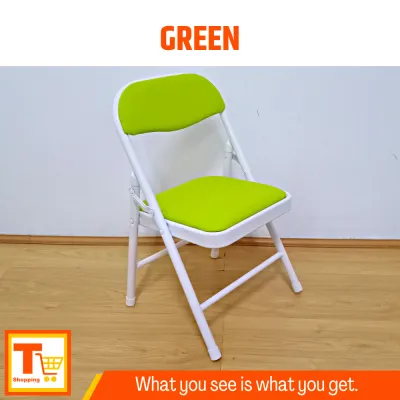

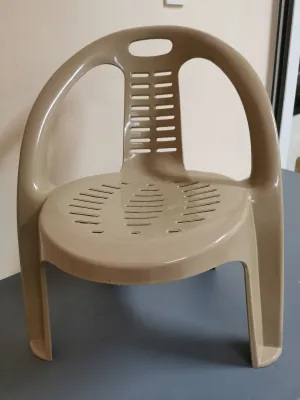
Prices are valid at publication and may change. Please refer to the product page for the latest price.
A backrest angle of 100 to 110 degrees is generally ideal for a relaxed yet supported posture. This angle prevents you from slouching forward while keeping you upright enough to read without straining your neck. Armrests should support your elbows naturally without forcing your shoulders to shrug, reducing upper body fatigue while holding a physical book or a digital tablet.
Space efficiency is another critical factor when dealing with compact layouts. You must balance the chair’s physical footprint with its actual seating width and depth. A chair might have a small external footprint of 60 by 60 centimeters, but if the armrests are excessively thick, the actual seating area may feel cramped. Look for designs with slim profiles or open frames that maximize seating space without taking up extra floor area.
Upholstery selection directly impacts both comfort and maintenance, especially in warm, humid environments. Heavy synthetic fabrics or non-breathable faux leathers can trap heat and sweat, leading to discomfort during long reading sessions. Natural linen blends, cotton canvas, or high-quality woven fabrics allow better airflow and keep you cool. Additionally, check for stain-resistant finishes or removable, washable covers to simplify maintenance if you enjoy sipping coffee or tea while reading.
Finally, establish a realistic budget that accounts for all associated costs. Quality mini chairs in the local market can range from entry-level options around ₱3,000 to premium, solid-wood or specialized ergonomic designs exceeding ₱15,000. When budgeting, remember to factor in potential delivery fees, especially for bulky items, and assembly charges if you prefer professional setup over DIY.
Mini Chair Styles Suited for Different Reading Habits
The way you read dictates the type of chair structure that will serve you best. Different chair mechanics alter how your body rests and how much physical and visual space the furniture occupies in your room.

Compact Armchairs for Focused Reading
Standard mini armchairs with upright backs are excellent for readers who prefer active, focused engagement with their books. These chairs encourage a structured posture, making them ideal for studying, taking notes, or reading on digital tablets. Because they do not recline or rock, their physical footprint remains static, allowing you to place them flush against a wall or tucked tightly into a corner.
To prevent a small room from feeling cramped, look for armchairs with raised legs. Exposed wooden or metal legs create a sense of openness by allowing light to pass underneath the chair. This visual lightness makes the entire reading nook feel less bulky, even if the chair itself offers a deep, supportive seat.
Small Recliners and Rockers for Relaxed Lounging
If your reading style leans toward leisurely, multi-hour sessions where you prefer to stretch out, a mini recliner or a compact rocking chair offers excellent comfort. However, these styles require careful spatial planning. A recliner needs extra clearance behind the backrest and in front of the footrest to operate smoothly without hitting walls or adjacent furniture. Similarly, a rocking chair requires a clear rocking arc to prevent collisions.
Before purchasing, always verify the manufacturer’s labels for weight capacity and mechanism durability. Check that the reclining or rocking tension is adjustable or suited to your body weight, ensuring you can transition between positions smoothly without straining.
Low-Profile and Floor Seats for Tight Spaces
For unconventional spaces like attic alcoves, under-stairs nooks, or extremely tight studio apartments, low-profile or legless floor chairs provide a highly flexible solution. These seats lower your visual horizon, making low ceilings feel higher and creating an intimate, grounded atmosphere.
Keep in mind that low-profile seating has ergonomic limitations. Sitting very close to the floor can put extra pressure on your lower back and hips during long sessions, and standing up requires more physical effort, which may not be suitable for individuals with mobility concerns. To maximize comfort, pair these seats with a low side table and ensure you have a supportive wall or a sturdy backrest cushion behind you.
Styling and Accessorizing Your Mini Chair Reading Corner
A reading corner is more than just a chair; it is an ecosystem designed to support focus and relaxation. Lighting is the most critical accessory in this setup. To prevent eye strain and headaches, position a dedicated reading light—such as an adjustable floor lamp or a wall-mounted sconce—slightly behind and to the side of your shoulder. This placement directs light onto your pages without casting shadows or creating glare on tablet screens. Opt for warm-white LED bulbs (around 2700K to 3000K) that emit sufficient lumens for clear visibility while maintaining a cozy, inviting ambiance.
Your choice of side table should directly complement the height of your mini chair. Ideally, the tabletop should sit level with or slightly below the chair’s armrests. This alignment allows you to reach for a cup of tea, a pair of glasses, or a notebook without awkwardly stretching or bending. For exceptionally tight spaces, consider a C-shaped table that slides over the chair’s seat or a small floating shelf mounted on the adjacent wall to keep the floor completely clear.
Textiles play a vital role in defining the boundaries of your reading nook and adding tactile warmth. A small, low-pile area rug can visually anchor the chair and table, separating the reading corner from the rest of the room. Layering a lightweight, breathable throw blanket—such as one made of cotton or bamboo waffle knit—adds comfort without causing overheating in tropical climates. Keep accessories minimal to avoid overcrowding the limited floor plan, ensuring every item serves a practical or aesthetic purpose.
Essential Pre-Purchase Checks for Space and Comfort
Before finalizing your purchase, conduct a thorough spatial audit to ensure your new mini chair can actually reach its designated spot. Measure the width and height of all entryways, hallways, tight corners, and staircases that the delivery team must navigate. A chair might fit perfectly in your reading corner, but if it cannot clear a narrow apartment doorway or a low ceiling in a stairwell, you will face costly return fees and logistical headaches.
Next, scrutinize the manufacturer’s specification sheet. Do not rely solely on product photos, which can often make furniture look larger or smaller than it is. Note the exact overall width, depth, and height, as well as the seat height and depth. Compare these figures against your own physical measurements and the marked-out space on your floor. Additionally, check the assembly requirements; some chairs arrive fully assembled, while others require extensive tool-based setup that might necessitate a helper or professional assistance.
Finally, protect your investment by verifying the retailer’s policies and customer feedback. When shopping on online marketplaces, read verified customer reviews specifically looking for mentions of structural durability, ease of assembly, and accuracy of color and dimensions. Carefully review the return policy to understand who covers the shipping costs if the chair is defective or does not fit. Check if the manufacturer offers a warranty on the frame or mechanisms, giving you peace of mind for long-term use.
Frequently Asked Questions (FAQ)
How much space do I need for a mini reading chair?
To set up a comfortable mini reading chair, you generally need a dedicated floor area of at least 90 by 120 centimeters. This space accommodates a standard mini chair footprint (typically around 70 by 70 centimeters) while leaving enough clearance to comfortably sit down, stand up, and stretch your legs. If you plan to add a small side table or a floor lamp, extend the width by another 30 to 40 centimeters. For recliners or rocking chairs, ensure you have at least 30 to 50 centimeters of clear space behind the backrest and up to 60 centimeters in front to allow for full movement without hitting walls or other furniture.
Can a mini chair provide enough back support for long reading sessions?
Yes, a mini chair can provide excellent back support, provided you select a model with the right ergonomic design. Look for chairs that feature a built-in lumbar curve or a slightly angled backrest that supports the natural S-curve of your spine. Avoid chairs with excessively soft, deep cushions that cause you to slouch, as this strains your lower back over time. If your chosen mini chair has a flat backrest, you can easily enhance its support by adding a firm, high-quality lumbar pillow or an ergonomic cushion insert tailored to your seating posture.
Community discussion
Share your experience or ask a question. Comments are reviewed before publication.