
Finding the perfect accent table for a compact living room in the Philippines requires balancing functional surface area with open floor space. To size an accent table correctly, you must measure the available floor area, align the table’s height within a few inches of your sofa arm or chair seat, and maintain clear pathways. A well-chosen table provides a convenient spot for a cup of coffee or a book without blocking traffic.
By focusing on slim profiles, open frames, and precise clearances, you can introduce style and utility to your condo or apartment. The goal is to ensure the piece feels integrated rather than squeezed into a corner. Let us look at how to measure, match, and place your table to optimize your limited square footage.
Measure Your Available Floor Space
Before browsing online marketplaces or visiting local furniture showrooms, you need to know the exact physical footprint your room can accommodate. Grab a reliable tape measure and map out the specific zone where the table will sit, whether that is next to a compact sofa, between two chairs, or in an unused corner.
Products mentioned in this guide
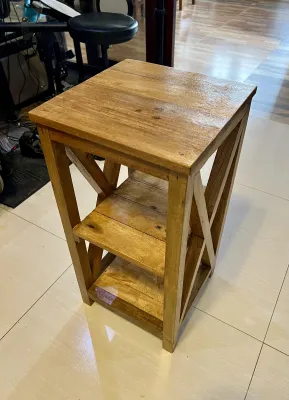
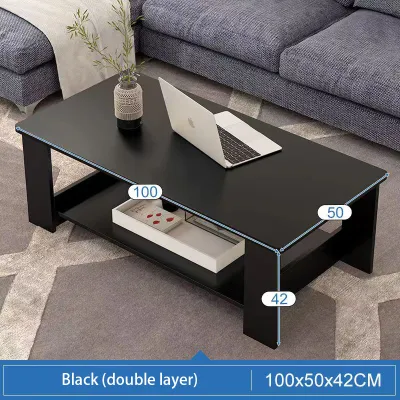
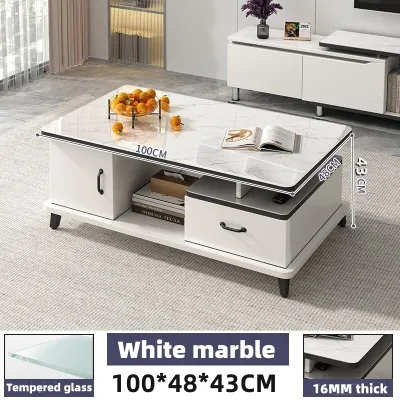
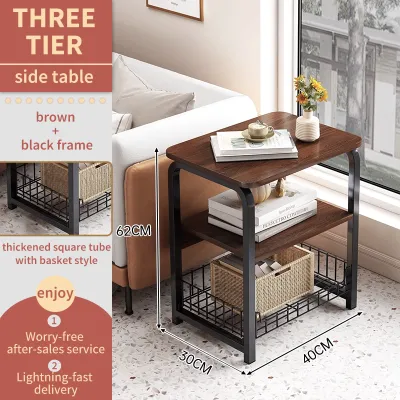
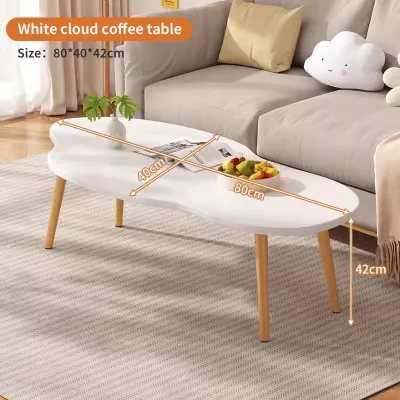
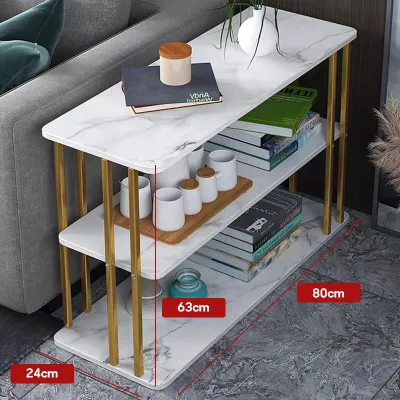
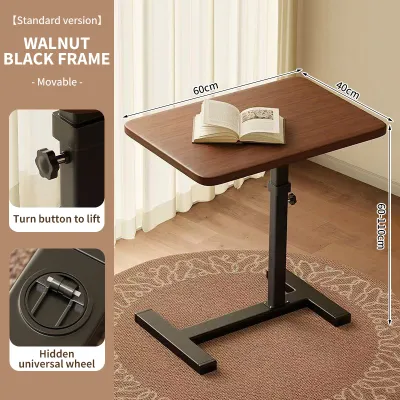
Prices are valid at publication and may change. Please refer to the product page for the latest price.
Do not just measure the open floor; look closely at the surrounding walls and architectural details. Take note of baseboards, which can prevent a table from sitting completely flush against the wall, and check the location of electrical outlets to ensure you do not block access to phone chargers or fan plugs.
If the table is going near an entryway or a balcony door, measure the full swing radius of the door to prevent collisions. You should also check the height of nearby window sills if you plan to place the table directly underneath or alongside them.
To visualize how a potential purchase will feel in your actual room, use painter’s tape or a piece of flattened cardboard cut to the table’s advertised dimensions. Lay this template on the floor in the designated spot and leave it there for a day.
Walking around this mock-up helps you experience the physical footprint in real-time. It reveals whether you will constantly bump your shins or if the layout feels natural during your daily routine.
Match Proportions to Your Existing Seating
An accent table should always relate directly to the furniture it serves, both in physical height and visual scale. For a side table placed next to a sofa or armchair, the general rule is to choose a height that is close to the height of the adjacent armrest.

If your sofa has a modern, low-profile design or lacks arms entirely, aim for a table height that aligns with the seat cushion. This ensures you can easily reach down to set down a glass of water or pick up a remote control without straining your back or reaching awkwardly upward.
Width and depth must also match the visual scale of your seating. A bulky, deep table paired with a delicate, thin-legged mid-century modern chair will look unbalanced and top-heavy, while a tiny pedestal table next to a massive sectional sofa will simply disappear.
In small Philippine apartments, managing the visual weight of your furniture is just as important as managing its physical dimensions. Heavy, solid wood block tables can make a tight room feel crowded and dark because they block light and sightlines.
Instead, look for tables with high visual transparency, such as those featuring glass or acrylic tops, or slender metal frames with open bases. These designs allow light to pass through and keep the floor visible, which tricks the eye into perceiving the room as larger and more open than it actually is.
Check Clearances and Traffic Flow
A beautiful table becomes a daily nuisance if it blocks the natural flow of movement through your home. In compact living spaces, maintaining clear walkways is essential for comfort and safety, especially in high-traffic zones between the kitchen, dining area, and main entrance.
As a general guideline, try to leave ample clearance space between the edge of your accent table and any facing furniture, such as a coffee table or media console. This space allows you and your guests to walk comfortably without having to turn sideways or squeeze past.
If your accent table features built-in storage like drawers or cabinet doors, you must account for their clearance when open. Measure the depth of the drawers when fully extended to ensure they do not strike other furniture or block the path entirely.
Similarly, if your sofa has a reclining mechanism or if you have nearby cabinets with swing-out doors, verify that the table sits far enough away to avoid any contact during operation.
Finally, pay close attention to the pathways leading to high-use areas like balconies, windows, or air conditioning units. Ensure the table does not obstruct these access points, allowing you to open sliding glass doors or adjust window panels easily during warm afternoons.
Common Sizing Mistakes to Avoid
One of the most frequent errors when shopping for small-space furniture is selecting a table based solely on its surface design without checking its height relative to the seating. A table that stands significantly taller than your sofa arm looks awkward and poses a constant tipping hazard for items placed near the edge.
Conversely, a table that is too short requires you to bend down uncomfortably, making it highly impractical for daily use. Always compare the manufacturer’s specified height against your actual sofa or chair measurements before making a decision.
Another common mistake is ignoring the visual bulk of solid, heavy bases. While a solid drum table might look stunning in a spacious showroom, its solid footprint can make a small condo living room feel incredibly cramped and cluttered.
Finally, do not forget to measure your delivery path before finalizing your purchase. Even if a table fits perfectly in your designated corner, it must first pass through your building’s elevator, narrow stairwells, and your unit’s front doorway.
Check the finished dimensions of the packaged box and compare them against these entry points. If you live in a high-rise condominium with tight elevator clearances, opting for flat-packed furniture that you assemble inside your unit can save you from major delivery headaches.
Frequently Asked Questions (FAQ)
Can I use a small coffee table as an accent table?
Yes, you can repurpose a small coffee table as an accent table, provided its height and scale align with your seating. Traditional coffee tables are designed to be lower than side tables, typically sitting level with or slightly below the sofa seat cushion. If you place a low coffee table next to a high-armed sofa, reaching your items may feel awkward. However, if you have a low-profile, armless sofa or a modern lounge chair, a small, low-profile coffee table can serve as an excellent, expansive side surface.
What shape of accent table saves the most space?
Round and oval accent tables are generally the most space-efficient options for tight layouts because their lack of sharp corners makes navigating around them much easier. They soften the flow of traffic and reduce the risk of painful bumps in narrow walkways. Alternatively, a C-shaped table is an exceptional space-saver; its base is designed to slide directly under your sofa, allowing the tabletop to hover over the armrest or seat cushion, utilizing zero extra floor space when in use.
Community discussion
Share your experience or ask a question. Comments are reviewed before publication.