
Selecting the right furniture for a compact condominium in the Philippines requires balancing multi-functional utility with strict spatial limits. In an open-concept condo kitchen, space must pivot rapidly from a morning meal prep station to a lunch workspace, and finally to an evening dining or entertaining zone. An adjustable table offers the exact physical flexibility needed to bridge these transitions, allowing you to alter the height of your surface to match the task at hand.
Finding the perfect adjustable height bar table involves evaluating how the piece interacts with your layout, your existing seating, and the unique environmental conditions of tropical high-rise living. By focusing on spatial clearance, height ranges, mechanical stability, and moisture-resistant materials, you can select a table that maximizes your kitchen’s utility without overcrowding your home.
Assess Your Condo Kitchen Space and Layout
Before browsing designs, you must establish the physical boundaries of your open kitchen. Because condo layouts often combine the kitchen, dining, and living areas into a single continuous zone, a bar table must serve its purpose without encroaching on essential walkways.
Products mentioned in this guide
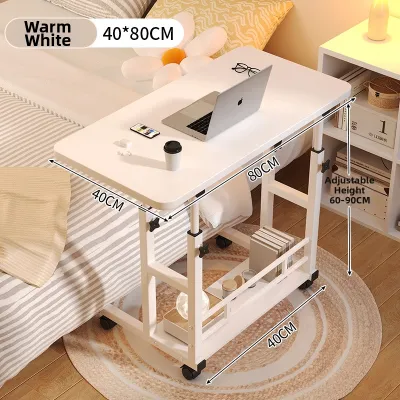
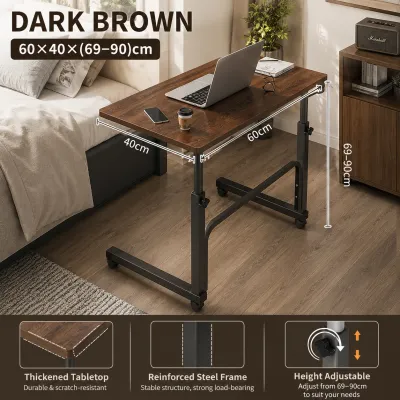
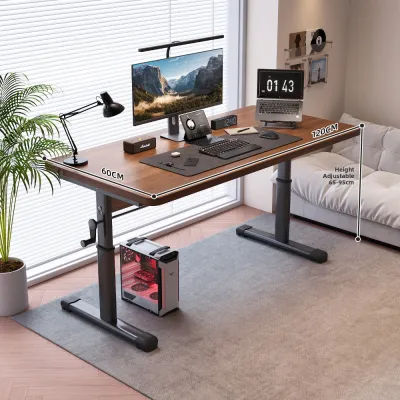
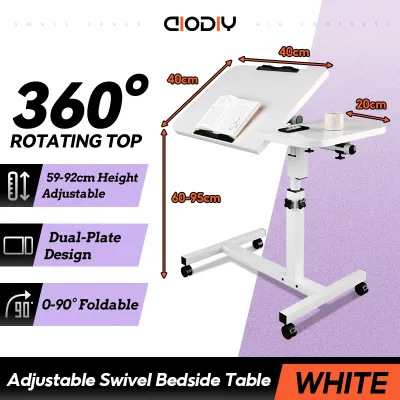

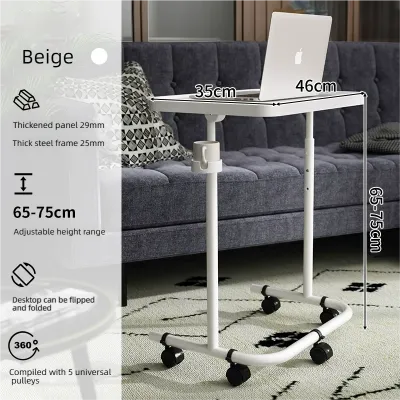
Prices are valid at publication and may change. Please refer to the product page for the latest price.
To begin, measure the footprint of your designated dining area using a metal tape measure. Mark out a clearance zone of at least 90 centimeters around the proposed table location. This clearance ensures that family members can comfortably pull out bar stools, sit down, and rise without blocking the primary traffic paths through the condo. If space is exceptionally tight, a minimum clearance of 70 centimeters may suffice, but this will require tucking stools completely underneath the tabletop when they are not in use.
Next, evaluate the physical sweep of nearby appliance doors, cabinets, and drawers. Open your refrigerator, oven, and low-level kitchen cabinets fully to ensure they do not collide with the table base or the overhanging tabletop. Because an adjustable table can change its vertical profile, you must also visualize its impact at different heights. At its lowest setting, the table might sit below the level of your kitchen counter, creating a distinct visual break. At its highest bar setting, it can act as a high visual screen; ensure this elevated profile does not block natural light from your balcony or windows, which can make a small condo feel dark and confined.
Finally, map out your kitchen’s work triangle—the pathways between the sink, stove, and refrigerator. If you plan to use the adjustable table as a central kitchen island, place it so that it supports your prep work rather than forcing you to walk around it constantly. A rectangular table aligned parallel to your main counter often preserves the natural flow of a linear kitchen layout, while a round or square pedestal table works well in corner configurations.
Determine the Ideal Height Range for Cooking and Dining
An adjustable table is only as useful as its height range. To ensure the table integrates seamlessly with your daily routine, you must match its adjustment capabilities to your specific physical activities and existing furniture.

Consider how you plan to use the surface throughout the day. Standard kitchen tasks and dining heights generally fall into three distinct categories:
- Standard Dining Height (70 to 76 centimeters): Ideal for traditional seated meals, study sessions, or using standard dining chairs.
- Counter Height (85 to 92 centimeters): Matches the height of standard Philippine kitchen counters, making it perfect for food preparation, baking, or standing work.
- Bar Height (100 to 105 centimeters): Designed for casual socializing, quick breakfasts, or working while standing.
If you already own bar stools or chairs, their dimensions must dictate your table choice. Measure from the floor to the top of the stool seat cushion. To maintain proper ergonomics, you need a clearance of 25 to 30 centimeters between the top of the seat cushion and the underside of the tabletop. For example, if you have fixed counter-height stools with a seat height of 65 centimeters, your table must be able to adjust to roughly 90 to 95 centimeters to allow comfortable legroom and prevent slouching.
When shopping, avoid relying on generic marketing terms like “bar height” or “counter height.” Instead, locate the manufacturer’s technical specification sheet to verify the exact minimum and maximum height limits in centimeters. Ensure the incremental adjustments are small enough to let you fine-tune the height to your specific comfort level, especially if multiple household members of varying heights will use the space.
Evaluate the Lifting Mechanism and Locking Stability
The internal lifting mechanism determines how easily you can transition your table between heights and how securely the tabletop remains in place once adjusted. In a busy kitchen environment where heavy pots, laptop computers, and leaning elbows are common, a weak locking system can lead to sudden drops or persistent wobbling.
Pneumatic Gas Lifts vs. Manual Cranks
Pneumatic gas lifts operate similarly to standard office chairs, using a pressurized gas cylinder inside the support column. By pulling a lever, you release the gas pressure, allowing the table to rise smoothly with minimal physical effort. To lower the table, you pull the lever while pressing down on the tabletop with your body weight.
- Pros: Fast, one-touch adjustments; highly convenient for quick transitions between cooking and dining.
- Cons: Limited weight capacity; over time, gas cylinders can lose pressure and require professional replacement or sink under heavy loads.
Manual cranks utilize a mechanical threaded rod system operated by a hand crank located beneath or on the side of the tabletop. Turning the crank physically raises or lowers the surface.
- Pros: Exceptional weight capacity; highly stable; does not rely on pressurized seals that can wear out over time.
- Cons: Slower to adjust; requires manual effort to crank the table up and down; the crank handle may protrude slightly, posing a minor safety hazard in tight spaces.
If you plan to place heavy kitchen appliances, heavy ceramic cookware, or multiple laptops on the table, a manual crank system generally offers superior long-term stability and weight tolerance. If you prioritize rapid, effortless adjustment for light dining and socializing, a high-quality pneumatic lift is highly practical.
Electric Motorized Lifts
Electric adjustable tables use an integrated motor system to raise and lower the tabletop at the push of a button. These systems often feature programmable memory settings, allowing you to save your preferred dining, prep, and standing heights for instant access.
When choosing an electric model for an open kitchen, you must plan for cord management. Because the table requires a continuous power supply, you must route the power cord safely to a nearby wall outlet or kitchen island plug. Loose cords running across a condo floor create a severe tripping hazard and can easily be snagged by pets or children. Look for tables with integrated cable management trays or use heavy-duty floor cord protectors.
Additionally, check the manufacturer’s specifications for the motor’s operating noise level (measured in decibels) to ensure it will not disrupt a quiet household. Verify whether the system includes a manual override or a battery backup option, which ensures you can still adjust or lower your table during temporary power interruptions.
Select Materials That Withstand Daily Kitchen Use
Kitchen tables face a harsh environment characterized by high humidity, frequent liquid spills, hot dishes, and abrasive cleaning. In the Philippines, tropical humidity levels can accelerate the degradation of poorly chosen materials, making material selection a critical factor for durability.
For the tabletop, select non-porous, easy-to-clean materials that resist moisture absorption. High-pressure laminate (HPL) and melamine-faced engineered wood are popular, cost-effective options that resist water stains and scratches, provided the edges are completely sealed with high-quality ABS banding. If water penetrates unsealed edges, the inner wood fibers can swell and warp. Solid hardwoods like teak, acacia, or mahogany offer beautiful natural grain and excellent durability, but they require periodic sealing to prevent moisture damage and staining from acidic foods like vinegar or citrus.
Always consult the manufacturer’s care instructions regarding heat resistance. Even highly durable materials can crack, discolor, or lose their protective finishes when exposed to direct heat. To protect your investment, always use heat-resistant trivets or silicone mats under hot pots, pans, or serving dishes, regardless of the tabletop material.
For the support column and base, look for heavy-duty metals with protective coatings. Powder-coated steel and anodized aluminum are highly resistant to rust, corrosion, and scratches. Avoid cheap, thin chrome plating, which can easily pit, flake, and rust in humid coastal climates or high-rise condos close to the sea. Ensure the base can be easily wiped clean of kitchen grease and dust without stripping the protective finish.
Check Base Weight and Anti-Tip Features for Safety
As you raise an adjustable table to its maximum height, its center of gravity shifts upward. A table that feels perfectly stable at a standard dining height of 75 centimeters can become alarmingly top-heavy and prone to tipping when extended to a bar height of 105 centimeters.
To ensure safety, check the product specifications for the weight of the base. A high-quality adjustable table should feature a heavy, substantial base—often made of solid steel or cast iron—that anchors the unit firmly to the floor. The footprint of the base should be wide enough to distribute weight evenly without creating a tripping hazard for your feet. Pedestal bases should be wide and flat, while multi-legged frames should feature robust cross-bracing.
Condo floors, particularly those finished with ceramic tiles or vinyl planks, are rarely perfectly level. Even a minor subfloor imperfection can cause a tall bar table to wobble significantly. Look for tables equipped with adjustable leveling feet (often called glides) on the bottom of the base. These threaded feet allow you to compensate for uneven flooring by raising or lowering individual corners, ensuring the table remains perfectly level and stable.
Before finalizing your purchase, verify the table’s stability at its maximum height setting. If shopping in a physical showroom, apply firm downward and lateral pressure to the edge of the tabletop to check for flexing or swaying. If buying online, read verified customer reviews specifically looking for mentions of “wobble,” “sway,” or “stability at max height.” A table that shakes when you chop vegetables or type on a keyboard will quickly become a source of frustration.
Verify Dimensions and Clearance Before Delivery
One of the most common pitfalls of condo furniture shopping is purchasing an item that cannot physically reach your unit. High-rise buildings present unique logistical challenges, including tight service elevators, narrow stairwells, and sharp corridor corners.
Before confirming your order, obtain the exact packaging dimensions of the table from the retailer. Measure the height, width, and depth of your condo building’s elevator door and interior cabin. Compare these measurements against the boxed dimensions of the table to ensure it will fit inside. If your building does not have an elevator, or if the package is too large, measure the clearance height and turning radius of your stairwell landings.
Additionally, confirm the delivery and assembly requirements with the seller. Some adjustable tables arrive fully assembled, which simplifies setup but increases the risk of delivery clearance issues. Other models arrive flat-packed and require complete in-home assembly. If you must assemble the table yourself, ensure you have the necessary tools (such as hex keys, screwdrivers, or wrenches) and clear a flat area on your floor. Use a soft blanket or cardboard packaging to protect your condo flooring from scratches during the assembly process.
Frequently Asked Questions (FAQ)
These answers address common logistical, functional, and maintenance concerns regarding the integration of adjustable bar tables into residential condo spaces.
Can I use an adjustable bar table as my primary dining table?
Yes, an adjustable bar table can serve as your primary dining table, provided you select a model with an adequate surface area and a stable base design. For daily dining, ensure the tabletop is large enough to accommodate place settings, serving dishes, and glassware for all household members simultaneously. Additionally, verify that the central pedestal or support legs do not obstruct the legroom of your dining chairs when the table is lowered to standard dining height. If the base forces diners to sit at awkward angles, the table will not be comfortable for extended meals.
How do I maintain the lifting mechanism of an adjustable table?
To prolong the life of your table’s lifting mechanism, keep the central support column clean and free from kitchen debris. Wipe the column regularly with a dry microfibre cloth to remove accumulated dust, pet hair, or spilled cooking ingredients like flour and grease, which can clog the internal seals or gears. Always refer to the manufacturer’s specific maintenance manual before applying any lubricants; some pneumatic lifts are permanently sealed and do not require lubrication, while manual cranks may benefit from a light application of silicone spray. Finally, avoid exceeding the manufacturer’s stated weight limits, and never attempt to adjust the table’s height while heavy, unsecured items are resting on the surface.
Community discussion
Share your experience or ask a question. Comments are reviewed before publication.