
To choose the right adjustable height side table for a small space, you must balance precise spatial measurements, the table’s functional height range, its base clearance, and its stability under load. In compact urban residences, such as high-rise condominiums in Metro Manila, maximizing every square meter is essential. A single piece of furniture must often perform multiple roles, serving as a workstation during the day, a dining spot in the evening, and a bedside companion at night.
An adjustable height side table offers the flexibility needed to transition between these tasks seamlessly. However, selecting the wrong model can lead to a cluttered layout, poor ergonomics, or a wobbly surface that compromises safety. By evaluating your specific spatial constraints, mechanical preferences, and material requirements, you can find a versatile table that enhances your living area without crowding it.
Measure Your Space and Define the Table's Purpose
Before browsing online marketplaces or visiting physical showrooms, you must accurately assess the physical limits of your room. Begin by measuring the available floor space where you intend to place the table. Use a metal measuring tape to record the width and depth of the area, and ensure you account for necessary clearances. You must leave enough room for daily walkways, door swings, and the movement of nearby furniture, such as reclining chairs or opening cabinet drawers. A minimum clearance of 60 to 90 centimeters is generally recommended for high-traffic pathways to prevent the space from feeling cramped.
Products mentioned in this guide
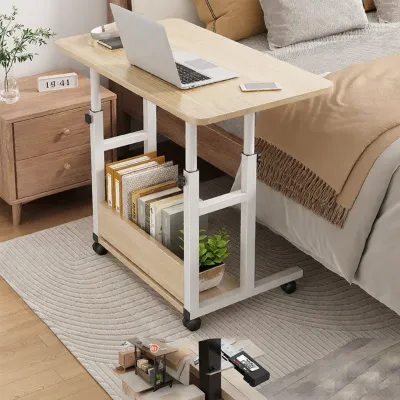
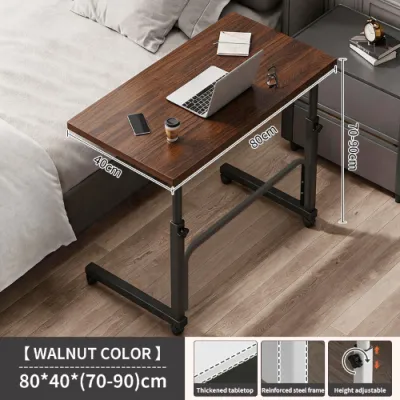
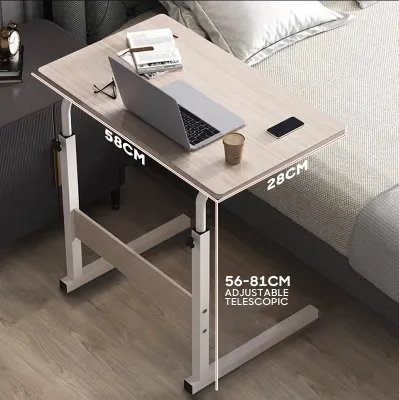
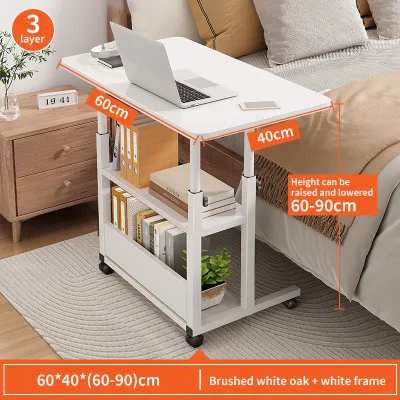
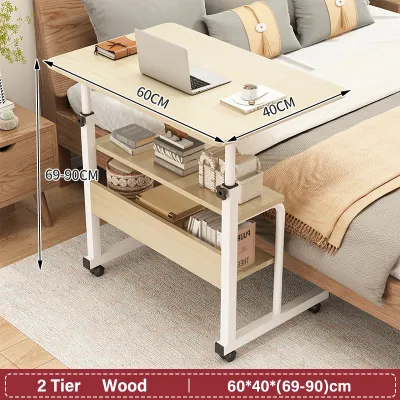
Prices are valid at publication and may change. Please refer to the product page for the latest price.
Next, identify the primary tasks this table will support. If you plan to use it as a temporary standing desk for laptop work, your requirements will differ significantly from a table meant solely to hold a coffee cup or a remote control. A workstation requires a larger surface area and a more robust frame, whereas a simple utility surface can be much more compact. Defining these use cases early prevents you from buying a table that is either too small for your daily activities or unnecessarily bulky for your space.
Your intended use directly dictates the style of the table. For tight layouts, a C-table design is highly efficient because its base is engineered to slide underneath a sofa or bed frame, allowing the tabletop to hover directly over your lap. This configuration eliminates the need for dedicated floor space in front of your seating. Alternatively, if you require occasional extra surface area, nested adjustable tables can be stacked together when not in use, preserving valuable floor space while remaining ready for guests.
Evaluate Height Range and Adjustment Mechanisms
An adjustable table must accommodate both the lowest and highest points of its intended use. Start by measuring the height of your sofa cushions, bed mattress, and chair armrests. To use the table comfortably while seated, the minimum height of the tabletop should align closely with these surfaces. If you plan to slide the table over a sofa armrest when storing it away, ensure the table’s minimum height clearance exceeds the height of the armrest by at least two to three centimeters.

For standing or ergonomic seated work, the maximum height is the critical dimension. To prevent neck and shoulder strain, the tabletop should rise to a level where your elbows can rest at a 90-degree angle while your shoulders remain relaxed. If the table cannot reach this height, you may find yourself hunching over your laptop, which defeats the ergonomic purpose of an adjustable frame. Always check the manufacturer’s specification sheet for the exact minimum and maximum height limits before making a decision.
To raise and lower the surface, you will need to choose between several common adjustment mechanisms:
- Pneumatic (Gas Lift): This system uses a pressurized gas cylinder, allowing you to adjust the height smoothly with a simple lever. It is ideal for quick transitions but requires checking the quality of the cylinder to ensure long-term reliability.
- Manual Crank: A mechanical crank offers precise control and does not rely on gas seals that can wear out over time. While highly durable, it requires more physical effort and time to adjust.
- Telescopic Push-Pull (Pin-Lock or Knob): This manual system uses a locking pin or a screw knob to secure the telescoping leg at pre-set intervals. It is highly stable and cost-effective, though less convenient if you need to change heights multiple times a day.
Regardless of the mechanism, you must check the manufacturer’s specified weight capacity, particularly at maximum height. As a table extends upward, its center of gravity rises, which can decrease overall stability. A table rated for 15 kilograms at its lowest setting might only support a fraction of that safely when fully extended. Always verify that the rated capacity at full extension is sufficient for your laptop, external monitor, or heavy books.
Check Footprint, Base Design, and Stability
The design of the table’s base determines how well it integrates with your existing furniture and how stable it remains during use. Flat, weighted metal bases are excellent for low-clearance furniture because they require minimal vertical space to slide underneath a sofa or bed. However, because they sit flush against the floor, they can be difficult to move frequently.
If you require mobility, look for a base equipped with locking caster wheels. This allows you to roll the table easily between the living room and bedroom. Keep in mind that casters typically add 5 to 10 centimeters to the overall height of the base. You must measure the clearance beneath your sofa or bed frame to ensure the wheeled base can physically fit underneath; otherwise, the table will be forced to sit entirely in front of the furniture, consuming valuable floor space.
Stability is a major concern for single-post adjustable tables. A wider base or a base made from heavy materials, such as cast iron or solid steel, lowers the center of gravity and reduces the risk of the table tipping over when bumped. If you live in a household with active pets or young children, a heavier, low-profile base is crucial for safety. Look for base shapes like a “U” or “H” configuration, which distribute weight effectively while allowing the frame to wrap around furniture legs.
Finally, inspect the product specifications for safety features and floor protection. If you have delicate hardwood, laminate, or vinyl flooring, look for bases that include felt pads or soft polyurethane casters to prevent scratching. Additionally, check for built-in leveling feet, which allow you to stabilize the table on slightly uneven tiled floors, preventing annoying wobbles during typing or writing.
Select Materials and Multi-Functional Features
In small apartments, the visual weight of furniture is almost as important as its physical dimensions. Tabletop materials should be chosen based on their weight, ease of cleaning, and visual impact. Common options include engineered wood (MDF or particle board), metal, and tempered glass. Lighter colors, such as white, light oak, or maple, along with transparent materials like tempered glass, reflect light and make a small room feel more open and less cluttered.
Because the Philippines experiences high relative humidity throughout the year, material selection requires careful attention to finishes. If you choose an engineered wood tabletop, do not assume it is inherently moisture-resistant. Instead, check the manufacturer’s care instructions and product details to verify if the surface has a high-quality laminate finish and sealed edge banding (such as PVC or ABS). Unsealed edges can absorb moisture from humid air or spilled drinks, causing the wood fibers to swell and split over time. For maximum longevity in tropical climates, powder-coated metal or tempered glass surfaces are highly reliable and easy to wipe clean.
To get the most value out of a single purchase, look for multi-functional features designed specifically for small spaces. Some adjustable tables include built-in storage slots for tablets, cup holders to prevent accidental spills near electronics, or tilting tabletops with safety stoppers for comfortable drawing and reading. Others feature integrated cable management clips or built-in USB charging ports, which help keep power cords organized and prevent a cluttered look in your living room.
Final Verification Before You Buy
Before finalizing your purchase from an online furniture store or local showroom, run through a practical checklist to ensure the table fits your home perfectly. First, cross-reference the product’s exact finished dimensions—including the base length, base width, pole diameter, and tabletop size—with the spatial measurements you recorded earlier. Do not rely solely on promotional photos, which can sometimes make furniture look smaller or larger than it actually is.
Next, evaluate the assembly conditions. Many adjustable tables are shipped flat-packed to save on delivery costs. Review the assembly requirements to see if the package includes all necessary tools, such as Allen keys or specialized wrenches, or if you will need your own screwdriver or drill. Ensure you have a clear, flat area in your home to assemble the table safely without damaging your floors or the table’s finish.
It is also wise to review the retailer’s return policy and warranty terms. Pay close attention to the warranty coverage on the height adjustment mechanism, gas cylinder, or manual crank system, as these moving parts are the most susceptible to wear over time. A reliable warranty provides peace of mind that the table will remain functional for years to come.
Lastly, spend a few minutes reading verified user reviews, focusing specifically on long-term mechanism durability and stability at maximum height. Look for feedback from buyers who use the table for similar tasks, such as remote work or dining. Pay attention to any mentions of wobbling, slipping height locks, or difficulty during assembly, as these real-world insights can help you avoid a frustrating purchase and find the perfect table for your compact home.
Frequently Asked Questions (FAQ)
Can an adjustable side table hold a heavy laptop or monitor?
The weight capacity of an adjustable side table depends entirely on its specific frame construction, base weight, and lifting mechanism. While many standard models can easily support a typical laptop weighing 1.5 to 2.5 kilograms, adding a large external monitor or multiple heavy books may exceed the safe limit. You must strictly check the manufacturer’s maximum load specification before purchasing. Never exceed this limit, especially when the table is fully extended to its maximum height, as a high center of gravity increases the risk of the table tipping over or the adjustment mechanism failing.
How do I maintain the height adjustment mechanism?
To prolong the life of your table’s moving parts, keep the telescoping tracks, joints, and gas lift cylinders clean and free from dust, pet hair, and debris. Wipe the metal poles down regularly with a dry microfibre cloth to prevent buildup that can scratch the mechanism. If the table becomes difficult to adjust, do not force the lever or crank, as this can permanently damage the internal gears or seals. Instead, consult the manufacturer’s care instructions to see if a specific silicone-based lubricant is recommended, or contact their customer support for servicing advice.
Community discussion
Share your experience or ask a question. Comments are reviewed before publication.