
Selecting the perfect side table involves balancing aesthetics, functionality, and spatial limits. Anko, a brand widely recognized for its minimalist Scandinavian designs and budget-friendly pricing, offers a diverse range of accent furniture that fits seamlessly into modern homes. To choose the right anko side table for your living room, you must evaluate the height of your sofa armrests, the physical clearance of your walkways, and the specific daily tasks the table will support. Additionally, because these tables are often imported to the Philippines, verifying shipping conditions and assembly requirements is crucial for a hassle-free purchase.
Quick Guide: Core Criteria for Choosing an Anko Side Table
When shopping for an anko side table, a few immediate checks can save you from buyer’s remorse. First, measure the height of your sofa’s armrest; your side table should ideally sit level with or up to two inches below this point to ensure comfortable reach. Second, determine the primary function of the table—whether you need a slide-in surface for a laptop, nested tables for flexible entertaining, or built-in drawers to hide remote controls and clutter.
Third, calculate your floor clearance, especially if you are choosing a model that slides under the sofa base. Finally, because Anko is an international brand, always verify the seller’s rating, packaging standards, and return policies on your chosen online marketplace to ensure the item arrives intact. Budget-friendly options in this range typically span broad price bands, from under ₱1,000 for basic metal frames to over ₱3,500 for multi-tiered wooden units.
Products mentioned in this guide
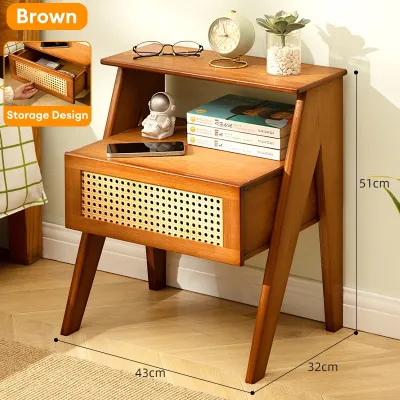
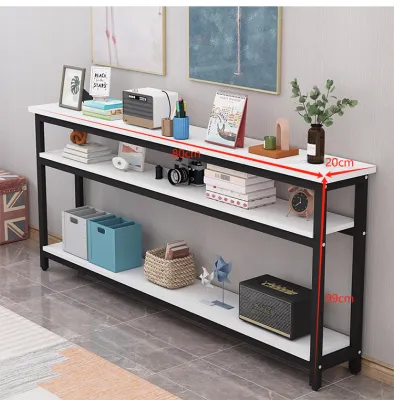
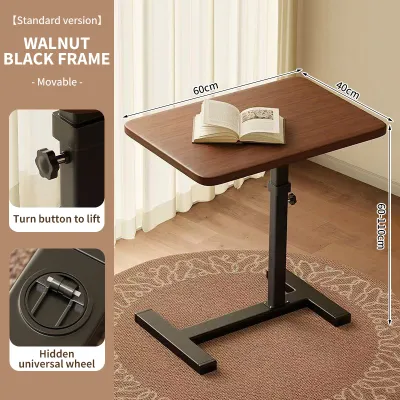
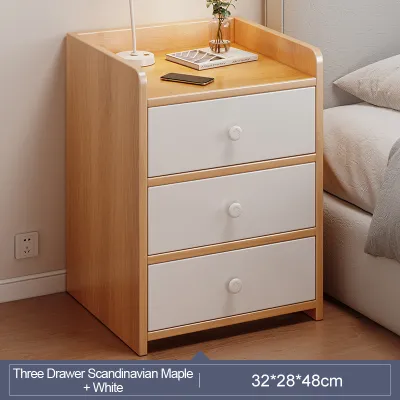
Prices are valid at publication and may change. Please refer to the product page for the latest price.
Measure Your Space: Sofa Heights and Traffic Flow
Physical measurements are the foundation of a functional living room layout. An ill-fitting side table can disrupt the flow of the room, make it difficult to reach your drinks, or physically block walkways.

Sofa height alignment: To maintain comfort, the top surface of your side table should align with the height of your sofa’s armrest. If the table is too tall, you will find yourself awkwardly lifting your arm to set down a glass; if it is too low, you may strain your back bending down. Aim for a height that is level with the armrest or no more than two inches below it. If your sofa has no armrests, aim for a table height that matches the height of the seat cushion when compressed.
Clearance and traffic flow: Walkways must remain unobstructed to prevent accidental collisions. Ensure there is a gap of at least 2 to 4 inches between the side table and the edge of the sofa to allow for natural movement and fabric clearance. If the table is positioned near a main walkway or doorway, maintain a clear passage of at least 30 inches between the table and any facing furniture or walls. This prevents the living room from feeling cramped and ensures easy navigation.
Footprint vs. visual weight: The physical footprint of a table is its actual floor measurement, while its visual weight refers to how heavy or solid it looks in a room. In smaller living spaces, heavy, blocky side tables with solid wood bases can make the area feel congested. To create an illusion of space, opt for tables with slender metal legs, open shelving, or glass tops. These designs allow light to pass through, reducing the visual clutter while still providing the necessary surface area.
Match the Design Type to Your Daily Needs
Anko offers several distinct side table configurations, each tailored to specific lifestyles and spatial constraints. Understanding how you interact with your living room furniture daily will help you pinpoint the ideal style.
C-Shaped and Slide-In Tables
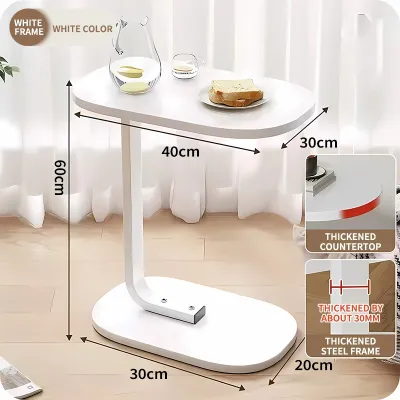
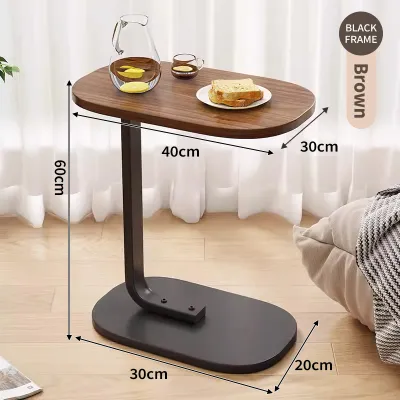
C-shaped tables feature an asymmetrical frame that allows the base to slide underneath the sofa while the tabletop hovers directly over the seat. This design is highly practical for compact apartments where space is at a premium. It provides a stable surface for typing on a laptop, reading a book, or enjoying a quick meal without needing a full-sized coffee table.
Before purchasing, measure the vertical clearance under your sofa base to ensure the table’s bottom frame can slide underneath without scraping the floor or catching on the sofa’s dust cover. Also, check the depth of your sofa cushion to ensure the tabletop extends far enough over the seat to be functional.
Nesting Tables
Nesting tables consist of two or three individual tables of graduated sizes that slide completely underneath one another when not in use. This multi-piece setup is exceptionally versatile for homeowners who frequently entertain guests. You can spread the tables across the room to hold drinks and snacks during gatherings, then tuck them back into a single footprint to save space afterward.
When evaluating nesting options, inspect the height difference between each piece to ensure they slide smoothly without rubbing against one another. Additionally, check the combined footprint when they are fully expanded to confirm they fit your designated layout.
Storage and Shelf Side Tables
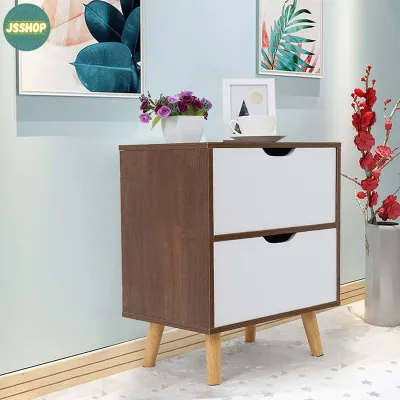
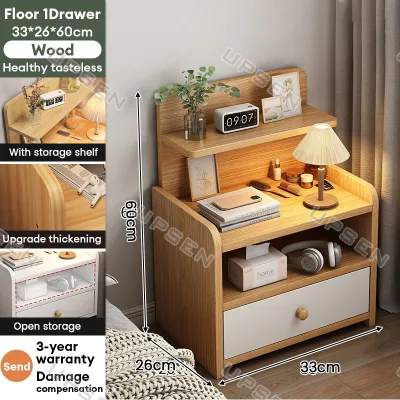
If your living room suffers from scattered remote controls, charging cables, magazines, or children’s toys, a side table with integrated storage is an excellent solution. These designs often feature drawers, lower shelves, or fabric baskets built into the frame.
When selecting a storage-focused table, verify the internal dimensions of the drawers to ensure they can accommodate your specific items. It is also important to check the manufacturer’s weight capacity guidelines for any open shelves or fabric compartments, as overloading them can cause sagging, drawer misalignment, or structural instability over time.
Classic Pedestal and Accent Tables
Traditional pedestal tables feature a single central support column and a circular or square tabletop. These are primarily decorative, serving as a dedicated spot for a table lamp, a small indoor plant, or a scented candle.
Because they have a single point of contact with the floor, base stability is a critical safety consideration. Avoid placing heavy, top-heavy ceramic lamps or large water-filled vases on narrow pedestal tables, as they can easily tip over if bumped by pets or children. Always check the product specifications for base diameter and weight distribution to ensure the table remains stable on both hard floors and carpets.
Inspect Materials, Finishes, and Care Requirements
The durability of your side table depends heavily on its materials and how well they withstand your home’s environment. In the Philippines, where high relative humidity and warm temperatures are constant, material selection requires careful attention.
Engineered wood (MDF/Particleboard): Many budget-friendly side tables utilize medium-density fiberboard (MDF) or particleboard finished with a decorative laminate or veneer. While cost-effective and lightweight, engineered wood is susceptible to moisture damage if water penetrates the outer seal. Inspect the edge banding closely to ensure there are no gaps where humidity can enter. If you plan to place cold drinks on the table, always use coasters to prevent condensation from pooling, which can cause the underlying wood fibers to swell, bubble, or warp. Look for manufacturer care labels that specify moisture resistance or recommend dry-wipe cleaning methods.
Metal and glass accents: Metal frames offer excellent structural strength and a modern aesthetic, while glass tops add a clean, airy feel to a room. When choosing a table with glass components, check the product description to ensure it uses tempered safety glass, which is designed to crumble into small, blunt pieces rather than shattering into sharp shards if broken. For metal components, verify that the surface has been treated with a powder coating or rust-resistant finish. This is particularly vital in coastal or highly humid regions of the Philippines, where bare metal can quickly develop rust and weaken over time.
Surface care and maintenance: To preserve the finish of your table, always follow the manufacturer’s cleaning instructions. Matte finishes can easily show fingerprint oils and may require a damp microfiber cloth for gentle cleaning, while high-gloss surfaces are prone to fine scratches if wiped with abrasive materials. Avoid using harsh chemical cleaners, bleach, or ammonia-based sprays, as these can strip away protective clear coats, dull the laminate, or discolor the metal finishes. A simple routine of dusting with a soft, dry cloth is generally sufficient for daily upkeep.
Coordinate Shapes and Finishes With Your Decor
A side table should not only be functional but also harmonize with your existing interior design. Coordinating shapes, colors, and textures creates a cohesive look that elevates the entire room.
Color coordination: Consider the dominant colors in your living room, including your sofa upholstery, area rugs, and wall paint. If you have a neutral-colored sofa, a side table with a warm oak or walnut finish can introduce natural texture and warmth. Alternatively, a matte black or white metal frame can provide a sharp, modern contrast. If your room features busy patterns on the rug or curtains, opting for a simple, solid-colored table prevents visual competition and keeps the space looking balanced.
Shape dynamics: The shape of your side table can alter the perception of your room’s layout. If your living room is dominated by angular, boxy furniture—such as a sharp-cornered sectional sofa and a rectangular coffee table—introducing a round or oval side table can soften the lines and make the space feel more inviting. Round tables are also safer in homes with active young children, as they eliminate sharp corners at head height. Conversely, square or rectangular tables work well to define boundaries, fit snugly into tight corners, or align perfectly against the side of a sofa.
Hardware and details: Small details often define the style of a piece of furniture. Pay attention to the hardware, such as drawer pulls, leg caps, and structural brackets. Slender, tapered wooden legs with brass caps lean toward a mid-century modern or Scandinavian aesthetic, while matte black steel brackets and wire mesh shelves suggest an industrial design. Matching these small details with other elements in your room, such as lighting fixtures or cabinet handles, helps unify your home’s decor theme.
Sourcing, Shipping, and Assembly in the Philippines
Acquiring and setting up your furniture requires some practical planning, especially when dealing with brands that are imported.
Sourcing channels: Because Anko is an international brand, buyers in the Philippines typically purchase these items through cross-border e-commerce platforms, specialized lifestyle importers, or verified secondhand online marketplaces. When browsing, read customer reviews carefully to confirm that the seller is offering authentic products. Be cautious of listings with unusually low prices, as they may be low-quality imitations that do not match the material specifications of the original brand.
Shipping and handling: Furniture items are bulky and can be prone to damage during long-distance transit. Before finalizing your purchase, check the seller’s packaging standards; look for reviews mentioning bubble wrap, double-boxing, or corner protectors. This is especially important for tables with glass tops, mirrors, or delicate metal frames. Additionally, review the platform’s return and refund policies so you know your options if the table arrives with transit damage, such as dented metal or chipped corners.
Assembly verification: Most flat-packed side tables require self-assembly upon arrival. When you unbox the package, lay out all the parts and verify them against the hardware list in the instruction manual. Use the correct size of manual screwdriver rather than an electric drill, as high-torque power tools can easily strip the pre-drilled holes in engineered wood or crack plastic connectors. Follow the manual’s step-by-step instructions, and avoid tightening all the screws completely until the entire frame is aligned; this ensures structural stability and prevents the table from wobbling once fully assembled.
Frequently Asked Questions (FAQ)
How far should a side table be from the sofa?
For maximum comfort and accessibility, position your side table approximately 2 to 4 inches away from the arm of your sofa. This gap provides enough space to clear the fabric of the sofa and prevents you from bumping your knees when sitting down, while still keeping your drinks, books, or remote controls within easy arm’s reach. If you have a plush sofa with thick, overstuffed armrests, you may need to adjust this distance slightly to ensure the table remains functional.
Can I use a living room side table as a bedroom nightstand?
Yes, many living room side tables function beautifully as bedroom nightstands. Before making the switch, check that the table’s height aligns closely with the top of your mattress for easy access while lying down. Additionally, verify the table’s weight capacity to ensure it can safely support heavier bedroom items, such as a large reading lamp, a stack of books, and an alarm clock, without wobbling.
How do I prevent a side table from scratching my floor?
To protect your hardwood, laminate, or tile floors from scratches, apply adhesive felt pads to the bottom of the table legs. If the table has thin metal legs, look for slip-on silicone or rubber caps that match the leg diameter. Ensure the bottom of the legs are clean and dry before applying any protectors, and check them periodically to replace worn pads that have accumulated dust or lost their adhesive grip.
Community discussion
Share your experience or ask a question. Comments are reviewed before publication.