
To fit a bamboo bed into a compact condominium bedroom without making the space feel cramped, you must look beyond standard mattress dimensions. While a mattress size might seem perfect on paper, the natural, rounded structure of a traditional bamboo bed—often known as a papag na kawayan—frequently extends past standard mattress boundaries. Selecting the right size requires a careful balance of physical room measurements, actual frame footprints, and strategic layout planning. By understanding how bamboo furniture is constructed and how it interacts with a small room, you can enjoy the breezy, tropical aesthetic of sustainable wood without sacrificing valuable floor space or daily comfort.
Measure Your Room and Access Routes First
Before browsing online marketplaces or visiting local furniture shops, you must establish the exact physical limits of your bedroom. Start by measuring the floor length and width using a standard tape measure. Do not rely on the developer’s floor plan, as baseboards, wall columns, and plaster finishes can reduce the actual usable space by several centimeters. Mark the locations of built-in wardrobes, swing doors, and windows, ensuring that the bed frame will not block any doors from opening fully or obstruct access to built-in storage.
Beyond the bedroom walls, you must plan the delivery route. Many condominium buildings have strict rules regarding furniture deliveries, and transport is often limited to service elevators or narrow stairwells. Measure the height and width of your condo’s elevator door, the interior cabin depth, the hallway corners, and your unit’s main entrance frame. A fully assembled bamboo bed frame can be incredibly rigid and difficult to maneuver around tight corners. If your access routes are tight, look for modular or knock-down bamboo frames that can be assembled directly inside the bedroom.
Products mentioned in this guide
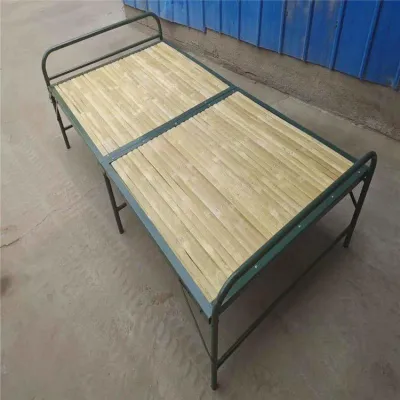
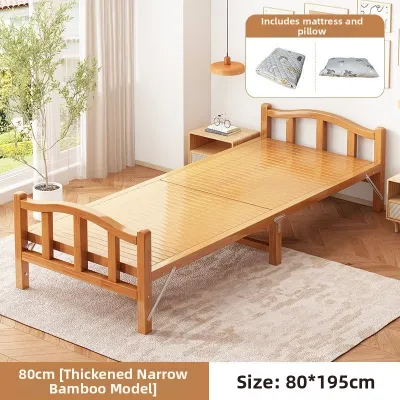
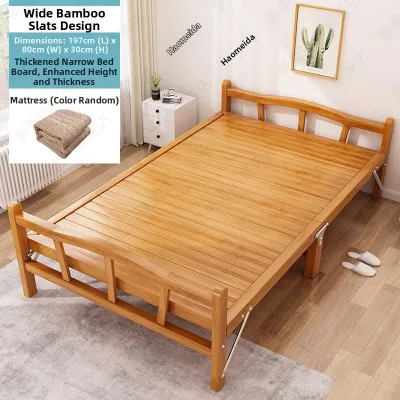
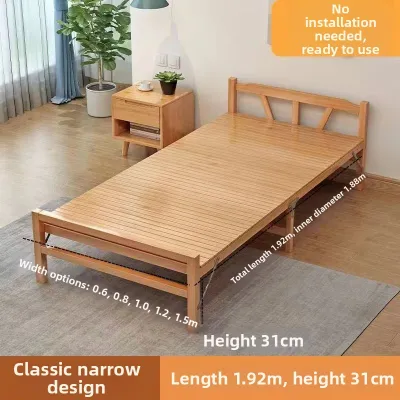
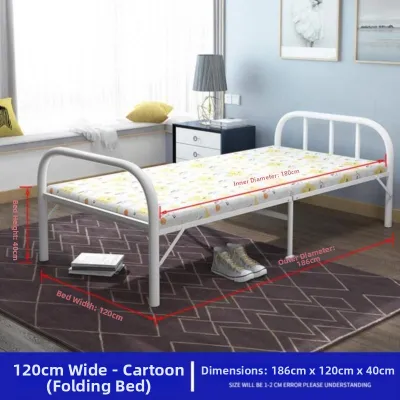
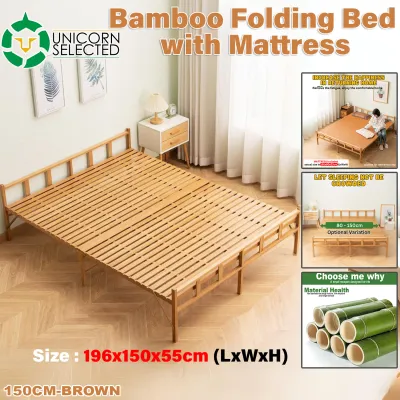
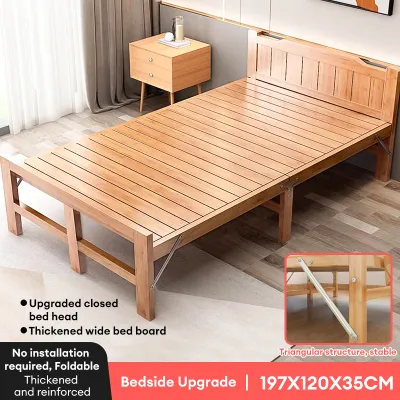
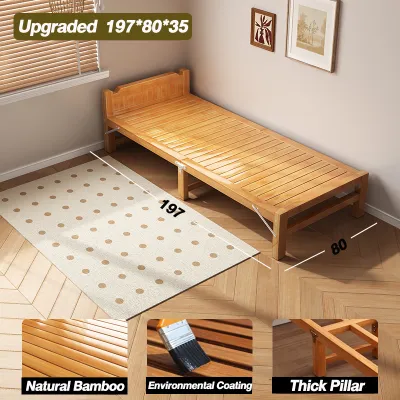
Prices are valid at publication and may change. Please refer to the product page for the latest price.
Finally, identify any fixed wall obstacles that could limit where you place the bed. Wall-mounted air conditioning units, electrical outlets, light switches, and low window sills all dictate how high and wide your bed frame can be. For instance, a tall bamboo headboard might block a low-hanging air conditioner or cover essential power outlets, forcing you to position the bed in an awkward, space-consuming angle.
Compare Mattress Sizes with Actual Frame Footprints
A common mistake when buying a papag na kawayan is assuming that a standard double mattress will sit on a frame of the exact same size. Bamboo bed frames are constructed from natural, cylindrical poles that vary in thickness. To secure the mattress and provide structural stability, these frames often feature wide outer borders, thick corner posts, or decorative headboards that add several centimeters to the overall length and width.

When shopping, always request the finished outer dimensions of the frame rather than just the compatible mattress size. For example, a standard semi-double mattress measuring 122 centimeters by 190 centimeters might require a bamboo frame that actually measures 135 centimeters by 205 centimeters once you account for the thick bamboo poles and structural overhangs. Outward-angled legs, which are common in traditional designs to improve stability, can also extend the footprint at the floor level, creating a tripping hazard in tight walkways.
Additionally, you must verify the weight capacity and joint construction of the frame. Because bamboo is a natural material, its strength depends heavily on how the joints are secured. Inspect the frame’s connection points to see if they use traditional rattan ties, wooden dowels, or modern metal bolts. Check the manufacturer’s specifications for maximum load limits to ensure the frame can safely support both the weight of your chosen mattress and the sleepers.
Choose Space-Saving Bamboo Bed Designs
In a small condo bedroom, every square centimeter of floor space must serve a purpose. Traditional bamboo beds often feature open space underneath, which can be utilized for storage if you select a design with the right clearance. Look for platform bamboo beds that feature built-in under-bed drawers or open cubbies designed to hold storage baskets. This allows you to store extra linens, seasonal clothing, or personal items without needing an additional bulky dresser in the room.
If you want to minimize visual clutter, consider a headboard-less bamboo frame or a low-profile platform design. Headboards add physical depth and can make a small room feel boxed in. A clean, minimalist frame without a headboard allows the bed to sit closer to the wall, saving valuable centimeters of length and keeping the sightlines open. Alternatively, some modern designs feature wall-mounted bamboo headboards that provide the desired aesthetic without taking up floor space.
For studio units or multi-functional guest rooms, foldable bamboo frames or daybeds offer excellent flexibility. A daybed can function as a comfortable sofa during the day and transform into a sleeping surface at night. If you choose a foldable or convertible design, carefully inspect the hinges, locking pins, and support brackets. Ensure the moving parts operate smoothly and lock securely into place to prevent shifting or structural failure during use.
Plan Clearances and Furniture Layout
A well-planned layout is the key to keeping a small bedroom functional and comfortable. As a general rule, you should maintain a minimum clearance of 60 centimeters around the sides and foot of the bed. This walking path ensures you can move freely around the room, change the bedsheets easily, and open wardrobe doors or dresser drawers without obstruction. If space is exceptionally tight, you may need to push one side of the bed against a wall, but this should be done strategically to avoid blocking essential pathways.
Consider the local tropical climate when positioning your bed. Proper air circulation is vital for maintaining a comfortable sleeping temperature and preventing moisture buildup. Avoid placing the bed directly under a window where it might block natural light or obstruct the airflow from a breeze. Similarly, ensure the frame does not sit directly in the path of cold air blowing from your air conditioning unit, which can cause discomfort and uneven temperature distribution in the room.
To visualize how the bed will fit before making a purchase, use painter’s tape or flattened cardboard boxes to mock up the frame’s exact outer footprint on your bedroom floor. Leave the mockup in place for a day or two, walking around it as you go about your daily routine. This simple exercise will help you determine if the chosen size allows for comfortable movement or if you need to downsize to a more compact frame.
Avoid Common Sizing and Placement Mistakes
One of the most frequent errors is purchasing a bamboo bed frame based solely on the mattress size, only to find that the thick, rustic poles block the bedroom door from opening fully. Always measure twice and confirm the outer dimensions with the seller before finalizing your order.
Another mistake is pushing a bamboo frame completely flush against a concrete wall. In humid condo environments, concrete walls can retain moisture, especially during the rainy season. Placing bamboo directly against a damp wall restricts airflow, which can damage the protective varnish and lead to mold growth on both the wood and your bedding. Always leave a gap of at least 5 centimeters between the frame and the wall to promote healthy air circulation.
Lastly, do not overlook the space required for daily maintenance. Bamboo frames with intricate slat designs or textured poles can accumulate dust more easily than flat surfaces. Ensure you leave enough clearance around and underneath the bed to allow for easy sweeping, vacuuming, and dusting. If the bed is too tight against other furniture, cleaning becomes a chore, leading to dust accumulation that can affect indoor air quality.
Frequently Asked Questions (FAQ)
Does a bamboo bed frame require special care in a humid condo environment?
Yes, bamboo requires specific care to withstand high humidity. Always check the product label or consult the manufacturer for surface treatment details, as a high-quality polyurethane or varnish coating helps protect the wood from moisture. Keep your condo well-ventilated by using exhaust fans, air conditioners, or dehumidifiers during humid periods. Clean the frame regularly with a dry or slightly damp microfiber cloth, avoiding harsh chemical cleaners, and follow the manufacturer’s recommended polishing schedule to maintain the protective finish.
Can I customize the size of a bamboo bed if standard options are too large?
Yes, many local furniture makers and artisans specialize in custom bamboo furniture. When requesting custom dimensions, consult the maker to ensure that reducing the frame’s size does not compromise its structural integrity, joint stability, or weight capacity. Be sure to confirm the production lead times, delivery logistics, and whether the custom frame will be delivered fully assembled or in modular pieces that can easily navigate your condo’s elevators and doorways.

Community discussion
Share your experience or ask a question. Comments are reviewed before publication.