
Elevating your feet after a long day is one of life’s simple pleasures, especially when relaxing in your favorite accent chair or recliner. In Filipino households, the humble bangkito—traditionally a small, versatile wooden or utility stool—has long served various practical purposes. When repurposed as a footrest, this compact piece of furniture becomes a key ergonomic tool that can transform your seating experience.
Elevating your legs improves circulation, reduces lower back strain, and enhances overall relaxation. Sitting for long periods can cause blood to pool in the lower limbs, but raising your feet shifts weight off your lower spine and encourages better blood flow. A bangkito offers a highly practical, space-saving alternative to bulky, built-in recliners or massive ottomans. It is easy to move, simple to tuck away, and highly versatile, making it perfect for smaller living rooms or cozy reading corners.
The core objective when choosing a bangkito is finding a footrest that supports your body correctly without disrupting the visual balance of your room. Achieving this requires looking closely at height, proportions, materials, and stability.
Products mentioned in this guide

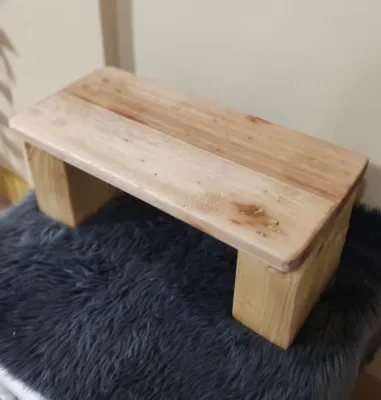
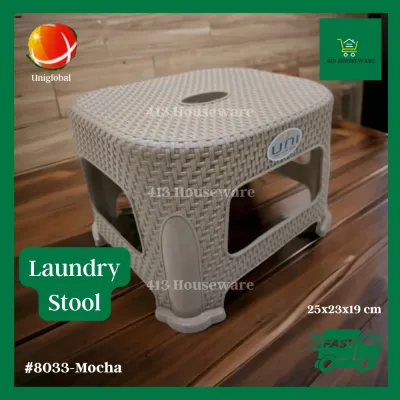
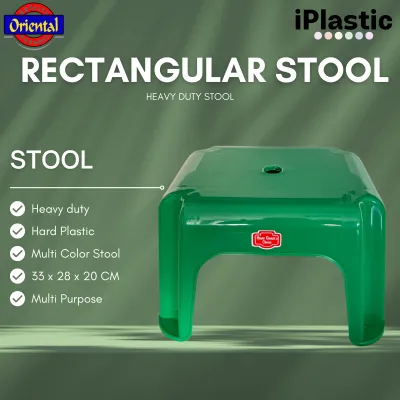
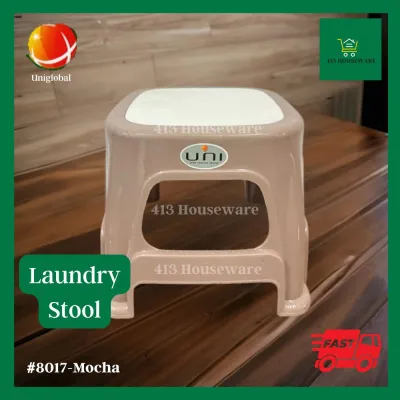
Prices are valid at publication and may change. Please refer to the product page for the latest price.
Step 1: Measure Your Chair and Available Space
Before browsing online marketplaces or visiting local furniture showrooms, you must establish the physical boundaries of your relaxation nook. A footstool that is too large will block walkways, while one that is too small will feel awkward and fail to provide adequate support.
Measuring Seat Height and Clearance
To find the ideal height for your footrest, grab a tape measure and check your primary chair. Sit in your accent chair or recliner naturally, allowing the cushions to compress under your weight. Have someone measure from the floor to the top of the seat cushion while you are seated. This compressed seat height is your primary reference point.
Next, measure the clearance in front of the chair. Extend your legs to a comfortable resting angle and measure from the front edge of the seat to the nearest obstacle, such as a coffee table, television console, or wall. This distance determines the maximum depth your bangkito can occupy without making the space feel cramped or unusable.
Checking Floor Space and Traffic Flow
In many homes, living rooms and bedrooms serve multiple functions, making clear pathways essential. Analyze the footprint of the bangkito in relation to the room’s traffic paths. The stool should sit comfortably within the personal zone of your chair without protruding into main walkways.
Ensure there is adequate clearance around the seating zone so you can easily move or tuck the stool away when it is not in use. While a bangkito is generally small, if you are purchasing a larger model, verify that the finished dimensions can easily pass through your doorways or condominium lift access.
Step 2: Match the Height for Proper Ergonomics
Ergonomics is the science of comfort, and when it comes to footrests, height is the most critical factor. The relationship between your chair’s seat and the top of the bangkito dictates your posture and joint health.

The golden rule for footrest height is that the top of the bangkito should generally be level with or slightly lower than the compressed seat height of your chair—ideally by 1 to 2 inches (about 2.5 to 5 centimeters). This slight downward slope supports the natural angle of your legs when extended, keeping your hips and knees in alignment.
Choosing a footrest that is too high forces your knees upward, tilting your pelvis backward. This unnatural position rounds your lower back, straining the lumbar spine and causing discomfort over time. Conversely, a footrest that is too low fails to support your calves properly. Your legs will drape over the front edge of the chair, creating high-pressure points on your heels and Achilles tendons, which can restrict blood flow and lead to numbness.
If you find a design you love but the height isn’t quite perfect, look for bangkito designs with adjustable legs or screw-in feet. Alternatively, you can customize the height by adding a firm, removable cushion to the top of a slightly short stool, or swap out the legs if the construction allows.
Step 3: Select the Right Size and Proportion
Beyond height, the physical dimensions of the bangkito must balance both your body and the scale of the main chair.
The surface area should be wide enough to support both of your feet comfortably, with a few inches of clearance on either side so your legs can naturally splay outward as you relax. However, avoid a stool so wide that it mimics a coffee table, which ruins the visual flow of a reading corner. A width of 40 to 50 centimeters is generally ideal for most adults.
Proportion matching is key to aesthetic harmony. If you have a large, plush, overstuffed recliner, a tiny, spindly wooden bangkito will look out of place and may feel unstable. A substantial chair demands a sturdier, wider footrest with a heavier visual weight. On the other hand, a sleek, mid-century modern accent chair with tapered legs pairs beautifully with a minimalist, lightweight bangkito that echoes those clean lines.
Always check the manufacturer’s specified load capacity and weight limits. While a footrest is primarily meant for legs, people frequently sit on them or use them as step stools. Ensure the frame, joints, and legs are rated to handle weight without wobbling or collapsing, protecting both the user and the furniture.
Step 4: Choose Materials for Comfort and Local Conditions
The tropical climate of the Philippines, characterized by high temperatures and intense humidity, plays a significant role in how furniture materials perform over time.
Simply choosing a material name does not guarantee moisture or scratch resistance. Instead, you must inspect the quality of the protective finish, check the tightness of the joints, and review the manufacturer’s care instructions to ensure the piece is suited for your specific indoor environment. Consider how these common options perform:
- Solid Wood: Beautiful and durable, but susceptible to warping or cracking if exposed to extreme humidity fluctuations. Look for kiln-dried hardwoods with a high-quality, moisture-resistant sealant or varnish, and check the joints for sturdy construction.
- Upholstered: Offers the softest, most luxurious feel for bare feet. However, in humid environments, fabric can trap moisture, sweat, and dust. Opt for performance fabrics that are stain-resistant, breathable, and easy to spot-clean, or choose removable, washable covers.
- Woven Rattan or Abaca: Highly breathable, lightweight, and culturally fitting for local homes. The natural weave allows air to circulate, keeping your feet cool. However, inspect the finish carefully for any rough fibers or protruding splinters that could snag socks or scratch bare skin.
- High-Density Plastic: Extremely easy to clean, highly resistant to moisture, and lightweight. However, it lacks the aesthetic warmth of natural materials and offers no cushioning unless paired with a separate pad.
Before applying any aftermarket felt pads, rubber grips, or protective fabric sprays to your furniture, check the applied product’s label and the treated item’s manufacturer instructions to avoid damaging the finish or voiding the warranty.
Because footrests are frequently pushed back and forth, they can easily scratch your flooring. Attach heavy-duty felt pads to the bottom of the legs for hardwood or laminate floors. For smooth ceramic tiles or polished concrete, rubber or silicone grips are better, as they prevent the stool from sliding away when you rest your feet on it.
Step 5: Coordinate Style with Your Main Seating
Your reading corner or living room setup should feel cohesive, but that does not mean everything has to match perfectly.
Consider the “match versus contrast” design philosophy. Buying a bangkito in the exact same fabric and color as your accent chair can sometimes look overly formal or clinical. Instead, try mixing textures to create depth. For example, pair a smooth leather recliner with a warm, woven wooden or rattan bangkito. The contrast in textures adds visual warmth and a relaxed, tropical feel.
To ensure the pieces still look like they belong together, tie them together with a shared color palette. You can match the wood stain of the bangkito’s legs to the wooden frame of your accent chair. Alternatively, drape a coordinated throw blanket or place a small accent pillow on the chair that mirrors the color or pattern of the footrest.
Keep the overall decor of the room in mind. A minimalist, Scandinavian-style living room will benefit from a simple, light-oak bangkito, while a rustic or traditional Filipino home can beautifully accommodate a carved, dark-wood piece.
How to Test Your Bangkito Setup
Once your new bangkito arrives, do not just assume it is perfect because the measurements matched on paper. You need to test it in real-world conditions.
Perform a “15-minute sit test.” Sit in your accent chair, place your feet on the bangkito, and settle in with a book, a drink, or a show. Pay close attention to how your body feels after 15 minutes.
Use this quick verification checklist:
- Knee Angle: Are your knees bent at a comfortable, slightly open angle (greater than 90 degrees)?
- Back Support: Is your lower back fully supported by the backrest of your accent chair, or do you feel forced to slouch?
- Pressure Points: Do you feel any pressure points or numbness in your heels, calves, or thighs?
- Stability: Does the bangkito remain stable and stationary, or does it slowly slide away as you relax?
If you experience minor discomfort, try adjusting the distance of the stool from the chair. Moving it slightly further out can relieve knee pressure, while pulling it closer supports the calves better. If the stool slides on your floor, place a small, textured area rug underneath both the chair and the bangkito to anchor them in place.
Frequently Asked Questions (FAQ)
Can I use a standard plastic bangkito as a footrest?
Yes, a standard plastic utility stool can work as a temporary footrest, but it is not ideal for long-term comfort or ergonomics. These stools are typically designed for sitting or standing, meaning they often lack the correct height, slope, and padding needed to support your legs comfortably. The hard, unyielding plastic surface can create pressure points on your heels. If you must use one, check the manufacturer’s weight limit to ensure stability, and place a firm, folded blanket or a dense cushion on top to improve comfort and elevate your legs to the proper ergonomic level.
How do I keep my bangkito from sliding on smooth floors?
Lightweight footstools have a tendency to slide forward when you rest your legs on them, especially on smooth surfaces like polished concrete, ceramic tiles, or hardwood. To prevent this, apply self-adhesive rubber stoppers or silicone grips to the bottom of the stool’s legs. These materials provide excellent traction and keep the stool firmly in place. Another effective solution is to place a small, textured area rug or a non-slip rug pad under your accent chair and bangkito. This not only anchors both pieces of furniture but also adds a layer of warmth and texture to your relaxation space.
Community discussion
Share your experience or ask a question. Comments are reviewed before publication.