
Finding the perfect outdoor bar table set requires balancing your desire for an elevated dining experience with the physical realities of your space. Whether you are furnishing a cozy high-rise condo balcony or a breezy garden patio, the right size ensures your setup remains functional, comfortable, and safe. To make the correct choice, you must measure your available floor area, account for clearance zones around the seating, and verify that the furniture can safely navigate your building’s access points.
Measure Your Outdoor Space Accurately
Before browsing online marketplaces, establish the absolute maximum footprint your new furniture can occupy. Start by measuring the total usable floor area of your balcony or garden patio, subtracting the space taken up by permanent fixtures like air conditioning compressor units, large built-in planters, structural pillars, or drainage grates. In tropical climates, keeping these utility areas clear is essential for proper ventilation and maintenance access.
Next, map out the delivery route. Ensure the table can fit inside your condominium elevator, turn tight corners in the stairwell, and pass through the balcony door frame. Measure the height and width of every doorway and lift door along the path. If your building has strict service elevator dimensions, check these specifications with your property management office before finalizing a purchase, or look specifically for flat-packed sets that assemble directly on-site.
Products mentioned in this guide
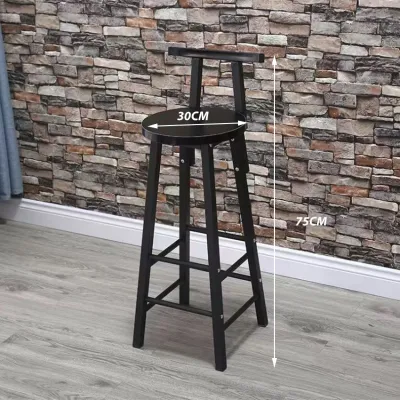
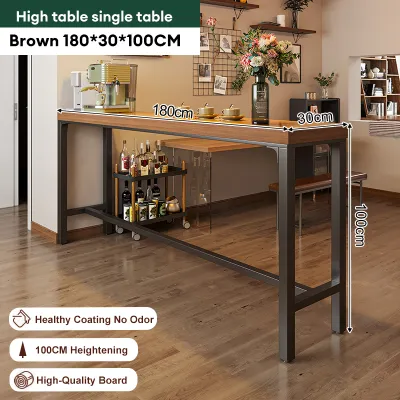
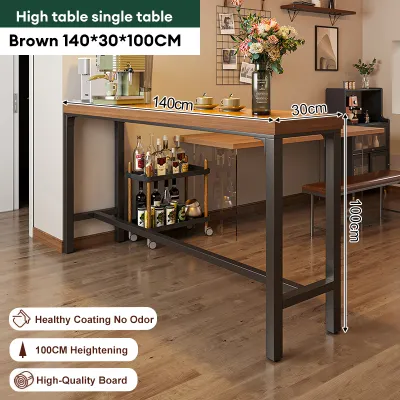
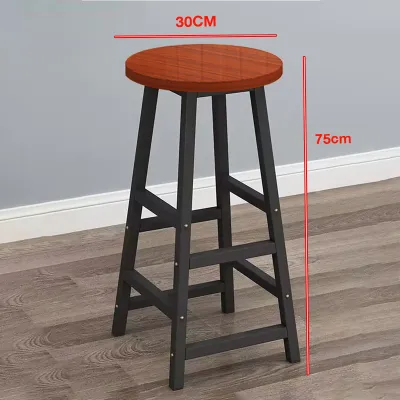
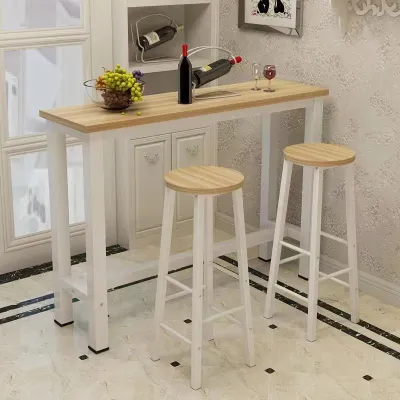
Prices are valid at publication and may change. Please refer to the product page for the latest price.
Finally, observe the physical characteristics of the ground. Balconies in the Philippines are designed with a slight drainage slope to prevent rainwater from pooling during heavy downpours. In a garden setting, you may have to contend with uneven soil, grass, or stone pavers. Note these variations early, as a high bar table requires a level surface to remain stable and prevent tipping.
Understand Standard Bar Table Dimensions and Clearances
To select a set that feels comfortable rather than cramped, you must understand how standard furniture heights interact with your space. Outdoor bar tables generally stand taller than standard dining tables, with heights typically ranging between 100 and 110 centimeters, requiring stools with a seat height of around 70 to 80 centimeters. Counter-height sets are slightly lower, usually matching a standard kitchen island. Always verify the exact finished dimensions provided by the manufacturer, as even a minor mismatch can make dining uncomfortable.

The physical footprint of the furniture is only half the equation; you must also calculate the clearance zone required for natural movement. Allow at least 60 to 90 centimeters of open space behind each bar stool. This buffer zone ensures that guests can pull their chairs out, sit down, and stand up easily without bumping into walls, railings, or glass doors. If the bar set is positioned along a primary walkway or near a sliding balcony door, increase this clearance to ensure comfortable passage.
Additionally, safety and stability are paramount for elevated outdoor furniture. High-profile tables have a higher center of gravity, making them more susceptible to tipping on uneven surfaces or in high winds. When reviewing product specifications, check the manufacturer’s stated weight capacity and structural joint design. Look for tables with wide, stable bases or adjustable leveling feet that can compensate for drainage slopes or uneven garden pavers, ensuring the set remains secure.
Match Seating Capacity to Your Layout
The shape of your bar table plays a critical role in how traffic flows through your outdoor area. Rectangular and linear bar tables are highly efficient for narrow spaces, as they can be pushed directly against a balcony railing or a garden wall when not in use. Round or square bar tables encourage a more social, face-to-face dining experience but require a larger, more centralized footprint. Consider how you plan to use the space: a round table is excellent for a spacious garden patio, while a long, narrow table suits a linear balcony.
Weigh the desire for maximum seating capacity against the benefits of keeping your outdoor area open and uncluttered. While it might be tempting to purchase a four-seat or six-seat set for occasional entertaining, a crowded balcony can quickly become difficult to navigate. If you primarily use the space for morning coffee or evening drinks with a partner, a compact two-seat set is often more practical. For larger gatherings, look for modular options or stools that can be fully tucked underneath the table surface when not in use to reclaim valuable floor space.
To visualize how the set will fit before making a purchase, create a physical template on your balcony or patio floor. Use painter’s tape or flattened cardboard boxes cut to the exact finished dimensions of the table and stools, including the pulled-out seating footprint. Walk around this temporary layout for a day or two to test the flow of movement. This simple exercise will immediately reveal if the table blocks access to your sliding doors, restricts your view, or makes the outdoor space feel too confined.
Space-Saving Configurations for Compact Balconies
If you are working with a very limited footprint, traditional freestanding bar sets may not be the most practical choice. Instead, look for innovative space-saving designs such as half-round bar tables or wall-mounted bar ledges. These options attach directly to a wall or secure firmly to the balcony railing, completely eliminating the need for bulky table legs. This setup keeps the floor area clear, creating an open, airy feel while still providing a functional surface.
Foldable or collapsible bar sets offer another excellent solution for flexible outdoor living. These sets can be quickly set up when you want to enjoy an outdoor meal and folded flat against the wall or stored in a closet when you need the floor space. When choosing foldable furniture, pay close attention to the locking mechanisms and structural hinges. Ensure they are robust enough to withstand frequent folding and unfolding, and check the manufacturer’s instructions regarding weight limits and proper setup procedures to prevent accidental collapse.
Before installing any wall-mounted or railing-mounted furniture, consult your condominium’s house rules or building regulations. Many residential developments in urban areas have strict guidelines regarding modifications to exterior walls, drilling into concrete, or hanging items over balcony railings due to safety and aesthetic concerns. Additionally, verify the load-bearing capacity of your balcony railing to ensure it can safely support the weight of a mounted bar table and any items placed upon it, especially during stormy weather.
Common Sizing Mistakes to Avoid
One of the most frequent errors homeowners make is calculating space requirements based solely on the static dimensions of the table and tucked-in stools. When people sit down, the actual footprint of the set expands significantly. Failing to account for this active footprint can result in stools hitting glass doors or guests feeling trapped against the balcony railing. Always measure your space with the stools in their fully extended, in-use positions to ensure a comfortable and safe layout.
Another common oversight is choosing a bar table height that conflicts with the height of your balcony railing. If the table is too low, your view of the surrounding landscape may be completely blocked by the solid portion of the railing when you are seated. Conversely, if the table is too high, it may feel unsafely exposed above the railing line. Measure the height of your railing carefully and compare it to the table’s surface height to ensure you maintain an unobstructed, relaxing view while seated.
Finally, do not rely on generic material names like wood, metal, or wicker as a guarantee of outdoor durability. In the hot, humid, and rainy climate of the Philippines, furniture is subjected to intense environmental stress. Instead of assuming a material is weatherproof, carefully review the manufacturer’s specific care instructions, surface treatments, and joint construction. Check if the metal has a rust-resistant coating, if the wood requires regular oiling, or if the synthetic wicker is UV-stabilized to prevent cracking and fading over time.
Frequently Asked Questions (FAQ)
Can I use indoor bar stools with an outdoor bar table?
Using indoor bar stools in an outdoor setting is highly discouraged, even on a fully covered balcony. Indoor furniture is not designed to withstand high humidity, intense sunlight, or sudden rain exposure, which can quickly lead to warped wood, rusted metal joints, and moldy upholstery. To ensure longevity and safety, always select stools explicitly labeled for outdoor use. Verify the manufacturer’s care instructions to confirm the materials have been treated with UV stabilizers, rust inhibitors, or water-resistant finishes suitable for your specific outdoor environment.
How do I protect my bar table set from strong winds?
To protect your bar table set during periods of strong winds or tropical storms, start by checking the product’s dry weight and structural stability. Lightweight aluminum or plastic sets should be folded and stored indoors or secured in a protected area when severe weather is forecasted. For heavier sets, consult the manufacturer’s guidelines for safe anchoring methods or use heavy-duty, weather-resistant furniture covers equipped with secure tie-down straps. Regularly inspect all structural connections, bolts, and joints to ensure they remain tight and stable over time.
Community discussion
Share your experience or ask a question. Comments are reviewed before publication.