
Choosing the right bed frame cover depends entirely on the structural design of your bed and how you use the space beneath it. While a standard dust ruffle might work perfectly for a traditional box spring setup, it can quickly become a daily frustration on a storage bed with sliding drawers or a high-clearance loft bed. Matching the cover style—whether it is a classic bed skirt, an elasticized wrap-around band, or a tailored fitted cover—to your specific frame ensures a clean aesthetic without sacrificing functionality. In tropical climates like the Philippines, where humidity and dust management are constant household priorities, selecting the correct cover also plays a vital role in keeping your bedroom clean and protecting your bedding from moisture buildup.
Understanding Bed Frame Cover Styles
To make an informed decision, you must first understand the three primary styles of bed frame covers available on the market. The traditional dust ruffle, often called a bed skirt, features a flat fabric platform that rests between the mattress and the box spring or bed base, with decorative fabric panels draping down to the floor. These are ideal for concealing under-bed storage or simple metal frames, but they require you to lift the mattress entirely whenever you need to install, adjust, or wash them.
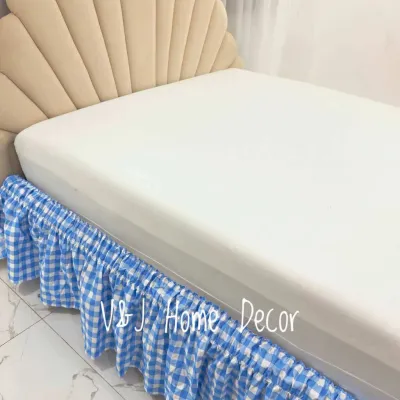
A wrap-around cover offers a more modern and user-friendly alternative. This style utilizes a continuous elastic band or adjustable tension ties to wrap directly around the outer perimeter of the bed frame or box spring. Because it does not have a fabric platform sitting under the mattress, you can easily slip it on and off for regular washing without lifting heavy bedding. This makes it highly practical for heavy latex or pocket-spring mattresses.
Products mentioned in this guide
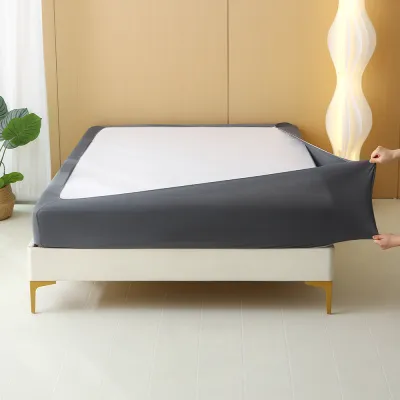
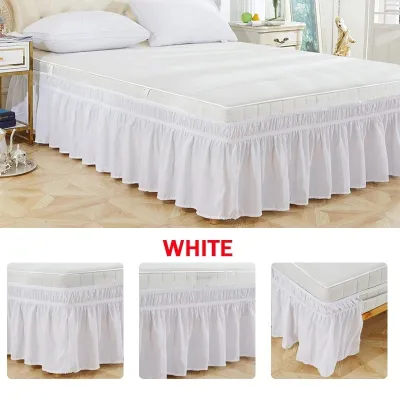
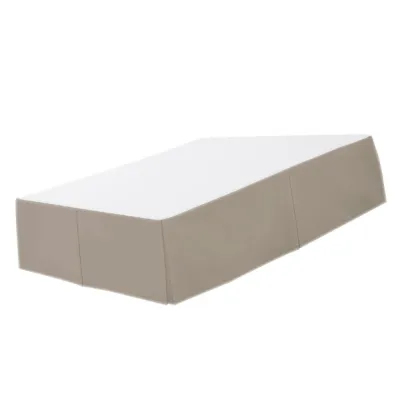
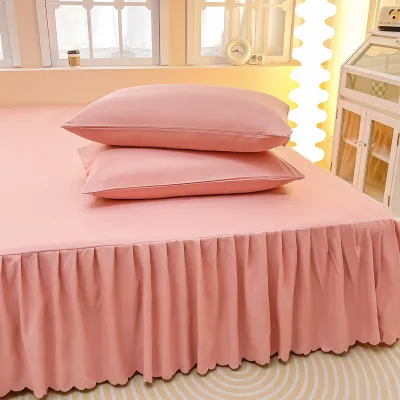
Prices are valid at publication and may change. Please refer to the product page for the latest price.
Fitted covers, or tailored frame slipcovers, are designed to hug the exact dimensions of your bed frame. They typically feature structured corner pockets and a snug fit that mimics upholstery, giving a minimalist, clean-lined look. When choosing between these styles, your primary selection variables should be the fabric drape, the attachment mechanism, and the required clearance around the base of your bed.
Choosing Covers for Storage Beds
Storage beds, including those with pull-out drawers or hydraulic lift-up bases, require careful planning because standard fabric covers can easily obstruct their moving parts. Traditional dust ruffles are generally unsuitable for these setups. The hanging fabric panels can easily get caught in drawer tracks, jam the rollers, or get pinched in hydraulic lift mechanisms, which can lead to torn fabric or damaged hardware over time.

For storage beds with drawers, a wrap-around cover is often the most practical choice. By wrapping the elasticized band tightly around the upper frame or the mattress base, you keep the lower perimeter looking neat and finished while leaving the drawer faces completely exposed and accessible. This allows you to pull drawers open smoothly without any fabric interference.
Alternatively, you can look for specialized split-panel or tailored fitted options. These covers feature strategically placed slits or separate panels that align with the gaps between your drawers, allowing you to access the storage compartments without removing the cover. Before purchasing any cover for a storage bed, always verify the drawer clearance and handle protrusion. If your drawer handles stick out significantly, a tight fitted cover may stretch unevenly or tear, meaning you might need a looser wrap-around style or low-profile hardware.
Selecting Covers for Loft Beds
Loft beds and high-clearance bunk setups present a unique set of challenges due to their extreme height. Standard bed frame covers typically feature a drop length of 14 to 16 inches, which is far too short to reach the floor from an elevated loft platform. Leaving a tall loft frame uncovered can expose unsightly support slats, safety brackets, and stored items underneath, disrupting the visual harmony of your room.
If you want a fabric solution, you will likely need to search for custom or extra-long dust ruffles designed specifically for loft heights. These specialized covers feature drop lengths of 30 inches or more, allowing the fabric to drape elegantly to the floor. However, keep in mind that very long fabric panels can trap dust and require frequent washing, especially in humid environments where dust mites thrive.
Wrap-around covers have significant limitations on loft beds. Because they only wrap around the top mattress frame, they leave the tall vertical support posts and the entire under-bed space completely exposed. If your goal is to hide a desk, a futon, or storage boxes beneath the loft, a wrap-around cover will not provide the necessary coverage. In these cases, using structured under-bed storage bins with matching, clean-looking front panels is often a more practical and visually appealing alternative to full-length fabric covers.
Matching Covers to Regular and Standard Frames
Standard platform beds, panel beds, and traditional metal frames offer more flexibility, but each still requires a specific cover style to look its best. Platform beds with low clearance, for instance, do not have room for long, flowing fabric. For these frames, a low-profile wrap-around cover or a snug fitted cover works best, as it neatly hugs the frame without pooling on the floor or gathering dust.
If you have a standard metal or wooden frame that utilizes a box spring, a traditional dust ruffle is the classic choice. Placing the fabric platform between the mattress and the box spring keeps the skirt securely anchored. This setup is excellent for hiding the utilitarian metal legs of basic frames and creating a soft, cohesive look that matches your bed linens.
When dealing with decorative wooden or metal bed legs, standard solid skirts can look awkward as they bunch up over the corners. To solve this, choose covers designed with split corners or tailored slits. These openings allow the fabric to drape neatly around the legs, framing them as a design feature rather than awkwardly hiding them. For non-standard frame widths, look for covers featuring adjustable elastic bands or hook-and-loop fasteners, which allow you to customize the tension for a sag-free fit.
Measuring and Pre-Purchase Checklist
Before purchasing a bed frame cover, taking precise measurements is essential to avoid a saggy or overly tight fit. Start by measuring the exact width and length of your mattress or bed frame. Next, measure the drop length by calculating the distance from the top of the bed frame (or the bottom of the mattress) straight down to the floor. A cover that is too long will drag and collect dirt, while one that is too short will expose the frame legs and under-bed storage.
Next, perform a thorough obstruction check. Look for protruding hardware, corner brackets, casters, or central support legs that could catch on the fabric. If your frame has these features, you will need a cover with split corners or a highly flexible elastic wrap-around design to prevent tearing.
Material selection is equally important, particularly in warm, humid climates. Check the manufacturer’s care labels for washability and potential shrinkage rates. Natural fibers like cotton or linen blends are highly breathable but prone to shrinking in the wash, which can ruin a perfectly measured fit. Synthetic blends or pre-shrunk fabrics are often easier to maintain. Finally, consider a crucial stop condition: if your bedroom is prone to high humidity, moisture buildup, or pests, abandon fabric covers entirely. Trapped moisture under a fabric skirt can encourage mold growth on wooden frames, making hard, sealed under-bed storage boxes a much safer and healthier choice.
Frequently Asked Questions (FAQ)
Can I use a regular bed skirt on a platform bed without a box spring?
Traditional bed skirts are designed to be sandwiched between a mattress and a box spring, which keeps the fabric platform flat and prevents it from shifting. On a platform bed without a box spring, a regular bed skirt will often slide around whenever you change the sheets or move in bed. To avoid this frustration, it is better to choose a wrap-around cover with elastic edges or a fitted cover designed to grip the platform frame directly.
How do I keep a bed frame cover from slipping off?
To keep your bed frame cover securely in place, you can use non-damaging upholstery twist pins if your bed base has a fabric surface, or place non-slip rug grippers between the mattress and the cover platform. If you are using a wrap-around cover, ensure the elastic bands are adjusted tightly. Always check the manufacturer’s care instructions before applying any heavy clips or adhesive strips, as these can damage delicate fabrics or leave sticky residues on your bed frame.
Community discussion
Share your experience or ask a question. Comments are reviewed before publication.