
Choosing the right bed frame side cover can instantly transform a bedroom from cluttered to polished. A well-fitted cover hides unsightly metal legs, box springs, and under-bed storage boxes while keeping dust away from your sleeping area. However, finding the perfect match requires understanding your specific bed type, taking precise measurements, and choosing materials suited to your local environment.
Whether you are dressing up a compact single bed in a studio condo or a grand double bed in a spacious master bedroom, the approach to selecting a side cover differs significantly. Standard platform beds allow for traditional drop-down skirts, while modern hydraulic storage beds require specialized split-panel designs.
This guide walks you through identifying your bed frame structure, taking accurate measurements, selecting durable fabrics for humid climates, and installing your cover for a crisp, professional finish.
Products mentioned in this guide
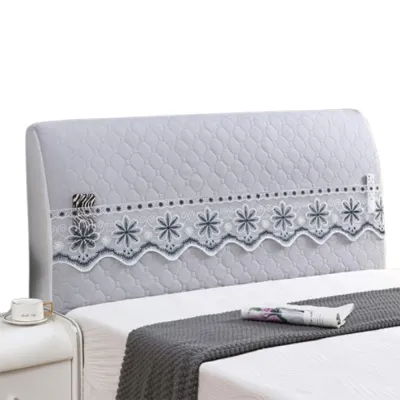
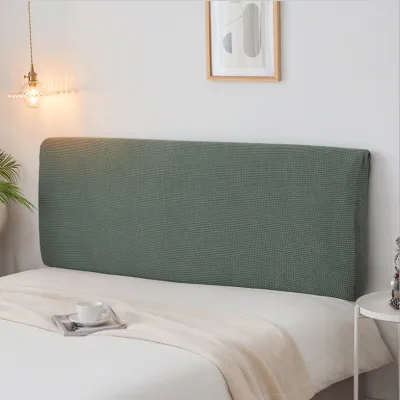
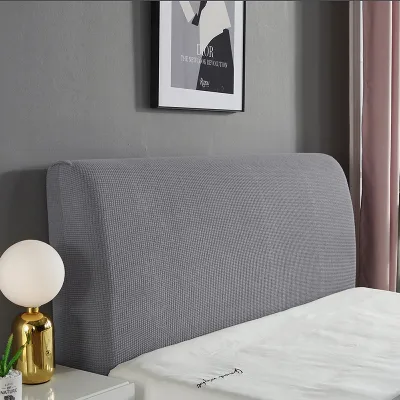
Prices are valid at publication and may change. Please refer to the product page for the latest price.
Identify Your Bed Type and Coverage Requirements
The physical structure of your bed frame is the most critical factor in determining which side cover style will function properly. Single bed frames have a smaller perimeter, making them visually sensitive to heavy, overly ruffled fabrics that can overwhelm a small room. In contrast, double, queen, or king-size bed frames have wider perimeters that can easily carry structured, pleated, or draped fabrics without looking cluttered.
Standard platform beds and box spring setups have distinct structural profiles that dictate how a cover attaches. A platform bed typically features a solid base or wooden slats where the mattress sits directly on the frame. For these, a wrap-around cover or a direct-to-frame velcro wrap is ideal because there is no box spring to sandwich a traditional platform fabric sheet.
If your setup includes a traditional box spring, you can utilize a platform-insert bed skirt. This classic design features a large flat fabric sheet that rests directly on top of the box spring, with the decorative side panels hanging down around the three visible sides. The weight of the mattress holds the insert firmly in place, preventing the sides from shifting.
Storage beds, particularly those equipped with built-in drawers or hydraulic lift mechanisms, present unique layout challenges. A continuous, one-piece bed skirt will completely block access to pull-out drawers or get tangled in the moving metal hinges of a hydraulic lift. For these specialized frames, you must look for split panels or wrap-around designs with specific clearance gaps.
Split-panel covers allow individual sections of fabric to move independently, enabling you to open drawers or lift the bed base without removing the entire cover. Some storage-friendly covers use velcro strips attached directly to the frame segments, ensuring that only the stationary parts of the bed remain covered while moving parts operate freely.
Measure Your Bed Frame for a Perfect Fit
An improperly sized bed frame side cover will either drag on the floor, gathering dust and dirt, or hover too high, exposing the very clutter you want to hide. To avoid these issues, gather a flexible sewing measuring tape, a notepad, and a pencil before shopping. Avoid using rigid metal construction tapes, as they can bend inaccurately around mattress corners and fabric edges.

Begin by measuring the “drop length,” which is the vertical distance from the top of the box spring or the mattress platform down to the floor. When calculating this distance, check the manufacturer instructions for your bed frame to see if there are any specific clearance recommendations. In homes with slightly uneven tiled floors or floor mats, it is wise to subtract a quarter of an inch to prevent the fabric from pooling on the floor.
Next, measure the visible perimeter of your bed frame by recording the exact length of the two sides and the width of the foot of the bed. If your bed frame features a prominent headboard or footboard, you must note where these structural elements connect to the frame. Many standard covers do not accommodate corner posts, so you may need to look for covers with split corners to fit around these obstacles.
For storage beds with pull-out drawers, measure the clearance height and width of each drawer opening. The side cover must be configured so that it sits entirely above the top edge of the drawers, or it must use a split-panel system that aligns perfectly with the drawer divisions. Recording these dimensions ensures you select a cover that preserves the full utility of your under-bed storage.
Choose the Right Material and Style for Your Room
Selecting the fabric for your bed frame side cover requires balancing aesthetic preferences with the realities of your local climate. In highly humid tropical environments, such as the Philippines, moisture retention and dust accumulation are constant challenges. Heavy, non-breathable fabrics like velvet, thick brocade, or dense synthetic polyesters can trap damp air, creating an ideal breeding ground for mold, mildew, and dust mites.
Instead, prioritize breathable, lightweight, and machine-washable materials like cotton-polyester blends or lightweight canvas. These fabrics allow air to circulate freely around the bed base, dry quickly after washing, and resist dust buildup. Always check the manufacturer care label for shrinkage rates and washing instructions before purchasing, as natural fibers like pure cotton can shrink significantly during their first wash.
The visual style of the cover should complement the overall design theme of your bedroom. Ruffled side covers offer a traditional, soft, or vintage aesthetic that works well in classic or rustic interiors. Tailored or pleated covers feature clean, straight lines and sharp corners, making them the preferred choice for modern, minimalist, or contemporary bedrooms.
If convenience is your primary goal, wrap-around velcro panels are an excellent option. These covers allow you to remove the fabric for washing without having to lift a heavy mattress, saving time and physical effort. When choosing colors and patterns, aim to coordinate with your existing bedroom furniture, wall paint, and flooring; neutral tones like beige, gray, and off-white offer the greatest versatility and longevity.
Price points for these materials generally fall into broad bands. Simple, mass-produced polyester wrap-around covers are highly budget-friendly, often retailing under ₱500. Mid-range cotton blends with tailored pleats typically range from ₱600 to ₱1,500, while premium, custom-sized linen or heavy-duty canvas covers designed for specific storage beds can exceed ₱2,500.
Install and Fit Your Bed Frame Side Cover
Proper installation ensures that your bed frame side cover looks tailored, stays secure, and functions without interfering with daily bed-making. Before you begin, clear the area around the bed of any bedside tables, rugs, or decorative items to give yourself ample working room. Remove all heavy bedding, including duvets, top sheets, and pillows, leaving only the bare mattress or box spring.
Ensure your bed frame is completely stable and all joints are tight before proceeding. If you are installing a traditional platform-insert skirt, you will need to lift the mattress. For safety, ask a family member to assist you in lifting and sliding the mattress off the base, rather than attempting to hold it up with one hand while adjusting the fabric with the other.
Lay the platform-insert fabric flat over the box spring or slat base, aligning the decorative side panels carefully with the edges of the frame. Smooth out any wrinkles or air pockets from the center outward to ensure the fabric sits completely flat. Once aligned, carefully lower the mattress back onto the base, taking care not to drag or shift the underlying cover out of position.
For wrap-around or velcro covers, the installation process does not require lifting the heavy mattress. Start by thoroughly cleaning the bed frame surface with a dry or slightly damp microfiber cloth to remove dust and oils, allowing it to dry completely. Peel the backing off the adhesive velcro strips and press them firmly onto the frame at regular intervals, following the manufacturer’s placement guidelines.
Once the adhesive strips are secure, align the top edge of the side cover with the strips, pressing firmly along the entire perimeter to bond the velcro. Adjust the drop length evenly as you move around the bed, ensuring the hem sits uniformly just above the floor surface.
Conclude the installation with a thorough verification step. Walk slowly around the entire perimeter of the bed, checking for consistent height, secure attachment points, and a smooth, unwrinkled drape. Test any under-bed drawers or hydraulic lift mechanisms to confirm that the fabric moves freely and does not catch on any hardware.
Troubleshoot Common Fitting and Clearance Issues
Even with careful measurement, you may encounter minor fitting or clearance issues after installing your bed frame side cover. If the cover is slightly too long and drags on the floor, you can easily adjust the height of wrap-around models by repositioning the velcro strips slightly higher on the frame. For traditional insert skirts, using temporary fabric hemming tape or safety pins on the hidden platform fabric can lift the hem to the desired level.
If the fabric begins to slip, sag, or pull away from the frame over time, the cause is often insufficient support or dust degrading the adhesive. You can resolve this by adding extra adhesive velcro strips in the sagging areas. For upholstered or fabric-covered bed frames, using specialized upholstery twist pins can secure the cover firmly, but always test a pin in an inconspicuous area first to ensure it does not damage or tear the delicate frame finish.
Interference with storage drawers is another common issue that can frustrate daily use. If the fabric hangs too low and gets caught when closing drawers, try tucking the excess fabric neatly into the small gap between the drawer top and the bed frame. If tucking does not solve the problem, or if the drawer handles constantly snag the fabric, consider upgrading to a custom split-panel design or trimming the cover to match the exact drawer divisions.
Frequently Asked Questions (FAQ)
Can I use a standard bed skirt on a hydraulic storage bed?
Standard continuous bed skirts are generally not compatible with hydraulic storage beds because the one-piece fabric drape blocks the lifting mechanism and can easily get caught in the heavy metal hinges. When the bed is lifted, a standard skirt will stretch, tear, or pull out of alignment. For hydraulic frames, it is highly recommended to use specialized split-panel covers or wrap-around velcro strips that can be easily detached or parted when accessing the under-bed storage compartment.
How often should I wash my bed frame side cover?
For most households, washing your bed frame side cover every three to six months is sufficient to manage dust buildup and maintain a fresh bedroom environment. However, if you live in a highly ventilated home with open windows, or if you have indoor pets, you may need to wash it more frequently to prevent pet hair and dust accumulation. Always refer to the care label attached by the manufacturer to verify the recommended water temperature and drying instructions to avoid fabric shrinkage.
Community discussion
Share your experience or ask a question. Comments are reviewed before publication.