
Choosing the right bed for your child is a significant milestone that directly impacts their safety, comfort, and developmental progress. While age brackets offer a general guideline, a child’s physical growth, motor skills, and behavioral readiness are far more reliable indicators than a birthdate. Transitioning your child to a new sleeping arrangement at the right moment supports their growing independence while preventing common nighttime hazards. By observing how your child interacts with their current sleeping space, you can confidently decide when to transition from a crib to a toddler bed, upgrade to a single bed, or introduce elevated options like bunk beds.
Recognizing the Signs It Is Time to Transition from a Crib
A child’s physical development often signals the need to move out of a crib long before they express a verbal preference. One of the most critical physical milestones is when a child begins attempting to climb out of the crib. If the mattress is already at its lowest setting and the top of the crib rail is below your child’s chest or underarms when they stand, the risk of a fall increases significantly. Active toddlers who can easily pull themselves up or lift their legs over the side have outgrown the safety boundaries of a standard crib, necessitating a prompt change in their sleeping environment.
Behavioral cues also play a major role in determining readiness for a new bed. You might notice your child showing persistent resistance to sleeping in their crib, or they may express a clear desire for a “big kid” bed. Additionally, successful daytime potty training often extends to nighttime, which requires your child to have easy, unobstructed access to the bathroom during the night. If a child is toilet training but remains confined behind crib rails, the setup can lead to frustration or unsafe climbing attempts in the dark.
Products mentioned in this guide
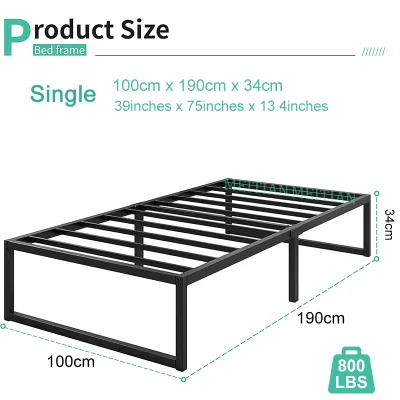

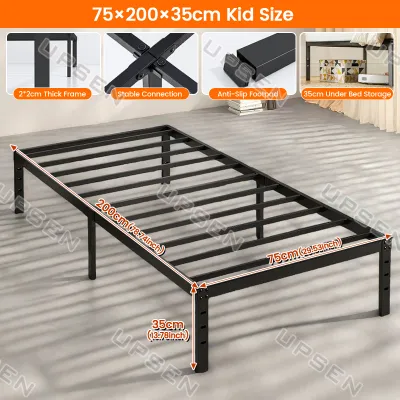


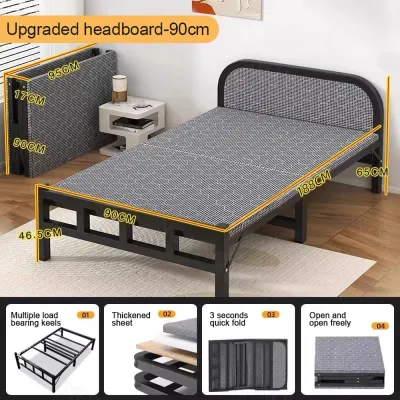
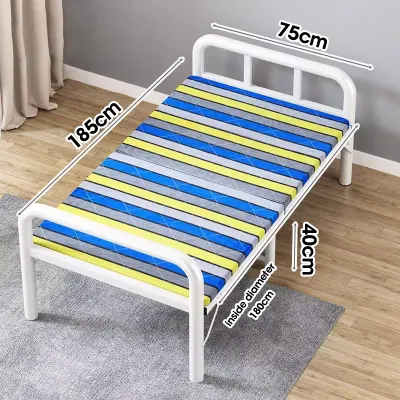
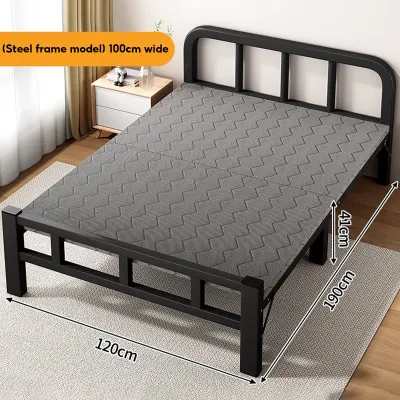
Prices are valid at publication and may change. Please refer to the product page for the latest price.
Before making any sudden changes, perform a thorough safety check of your current crib setup. Verify that the mattress is indeed at the lowest manufacturer-recommended position and that there are no toys or bumper pads that your child can step on to gain extra height. If your child has reached a height of approximately 89 centimeters, or if they can climb out of the crib regardless of the mattress height, it is time to transition them to a bed that allows them to step down safely onto the floor.
Evaluating Toddler Beds for Early Independence
A toddler bed serves as an excellent intermediate step for young children who are not quite ready for the height and scale of a standard single bed. These low-profile frames are designed to fit compact bedrooms, which is particularly useful in urban homes where floor space is limited. By keeping the mattress close to the floor, a toddler bed minimizes the risk of injury from accidental rolls during the night while maintaining clear, safe walkways around the room. In humid tropical climates, a low-profile bed should still allow for adequate air circulation underneath to prevent moisture buildup and dust mites.

When evaluating toddler beds, prioritize safety features that you can physically verify. Look for frames with built-in guardrails on both sides, or check if the design allows you to securely attach aftermarket rails. The frame construction must be sturdy enough to handle active movement, with joints that do not wobble when pressure is applied. Check the manufacturer’s specifications for the maximum load capacity to ensure the frame can support your growing child and the occasional parent sitting bedside during storytime.
One of the practical advantages of a toddler bed is the ability to reuse your existing crib mattress, as most standard toddler beds are designed to accommodate the same mattress dimensions. This compatibility not only saves on immediate costs but also provides a sense of familiarity for your child. Keeping the same mattress, sheets, and pillows can ease the transition, helping your child feel secure in their new, open sleeping arrangement while you maintain their established bedtime routines.
Deciding When to Move to a Standard Single Bed
As children grow older and more active, they eventually outgrow the physical limits of a toddler bed. Growth and comfort indicators are clear signs that it is time to upgrade to a standard single bed. If your child’s head or feet are nearing the ends of the toddler bed, or if they frequently toss and turn and bump into the guardrails, they require a wider sleeping surface. A single bed provides ample room for natural movement during sleep, reducing nighttime awakenings caused by restricted space.
Before purchasing a single bed, carefully measure your child’s bedroom dimensions to ensure a proper fit. Consider the finished dimensions of the bed frame, including any headboards or footboards, and verify that there is adequate clearance for bedroom doors, wardrobe doors, and drawers to open fully. In many homes, navigating narrow hallways, tight stairwells, or condominium lifts during delivery can be challenging, so check the assembly conditions and ensure the frame can be easily transported into the room before assembly.
Investing in a standard single bed offers excellent long-term usability, as it can comfortably accommodate your child from early childhood through their teenage years. When selecting a frame, look for durable materials and robust joint construction that can withstand years of daily use. While a single bed requires a larger initial investment in both the frame and a new mattress, its longevity often makes it a highly cost-effective choice compared to multiple transitional beds, provided the room layout can accommodate the larger footprint.
Assessing Bunk Beds and Loft Beds for Older Children
Elevated beds, such as bunk beds and loft beds, are popular solutions for maximizing floor space in shared bedrooms or smaller homes. However, these setups require a higher level of physical coordination and maturity from your child. Assess whether your child can safely navigate ladders, maintain their balance, and consistently follow safety rules. Children must understand that the top bunk is strictly for sleeping and not a play area, as roughhousing on elevated platforms poses a significant fall risk.
Structural and safety verifications are paramount when choosing an elevated bed. Check the manufacturer’s labels to confirm the recommended age limit, which is typically six years or older for the top bunk. Verify that the guardrails on the top bunk extend at least 12.7 centimeters above the top surface of the mattress to prevent rolls. The ladder must be securely fastened to the bed frame, with wide, slip-resistant steps that allow for a firm grip, and the entire structure must be anchored to the wall if recommended by the manufacturer to prevent tipping.
Room constraints must also be carefully evaluated before installing a bunk or loft bed. Measure the ceiling height of the bedroom to ensure there is adequate headroom for your child to sit up comfortably on the top bunk without bumping their head. In tropical climates like the Philippines, where ceiling fans are commonly used for ventilation, it is critical to position the elevated bed far away from any rotating fan blades or light fixtures to prevent severe injuries.
Creating a Safe Sleep Environment for Any Bed Type
Regardless of the bed type you choose, creating a secure sleep environment requires careful planning and regular safety checks. Position the bed frame away from windows, window blind cords, electrical outlets, and heavy furniture like wardrobes or bookshelves that could pose a tip-over hazard. If you are placing the bed against a wall, ensure there are no gaps where a child could become trapped; the bed should either be pushed flush against the wall or kept at least 30 centimeters away.
Verify that the mattress fits snugly within the bed frame, leaving no dangerous gaps along the sides or corners. A loose mattress can create entrapment zones for limbs or toys, which can compromise your child’s safety during sleep. Check the stability of the frame regularly, tightening any loose bolts or screws that may have worked their way loose over time due to your child’s movement.
Supervising your child’s adjustment to their new bed is essential for a smooth transition. Establish clear bedtime rules, such as no jumping on the bed and keeping the floor around the bed free of toys and clutter to prevent trips in the dark. Monitor how your child adapts during the first few weeks, adjusting guardrails or adding soft floor mats next to the bed if you notice they tend to sleep close to the edge.
Frequently Asked Questions (FAQ)
Can I skip the toddler bed and move directly to a single bed?
Yes, skipping the toddler bed and moving directly to a standard single bed is a practical option if your child’s bedroom has sufficient floor space. To ensure safety during this transition, you can use a low-profile bed frame or place a single mattress directly on a secure floor frame (often referred to as a floor bed). This setup minimizes the fall distance while allowing your child to adapt to a larger sleeping surface. Adding removable, sturdy guardrails to the sides of the single bed can provide extra security and prevent accidental rolls during the night.
How do I know if my child is ready for the top bunk?
Your child is generally ready for the top bunk when they are at least six years old, as recommended by safety standards, and demonstrate the physical coordination needed to climb the ladder safely. Observe their behavior: they should be able to navigate stairs easily, show a clear understanding of safety rules, and refrain from playing or jumping on elevated surfaces. If your child frequently wakes up disoriented or needs to use the bathroom multiple times during the night, it may be safer to keep them on the bottom bunk or in a standard single bed.

Community discussion
Share your experience or ask a question. Comments are reviewed before publication.