
Finding the perfect cabinet for clothes involves more than just picking an appealing design. In the Philippines, where bedroom sizes vary and tropical humidity demands careful planning, selecting the right wardrobe size is a balancing act between physical room constraints and storage needs. A wardrobe that is too large restricts airflow and movement, while one that is too small leads to cluttered spaces and wrinkled garments.
To make an informed decision, you must evaluate both the external footprint of the furniture and its internal configuration. This guide walks you through measuring your space, estimating storage capacity, choosing door mechanisms, and designing an efficient interior layout that keeps your clothes organized and well-ventilated.
Assess Your Bedroom Space and Clearances
Before browsing for a new cabinet for clothes, establish the exact physical boundaries of your bedroom. Measure the designated wall’s width, height, and depth at multiple points—such as the top, middle, and bottom—using a metal measuring tape. Floors and ceilings are rarely perfectly level, and accounting for baseboards, crown moldings, and wall trim is crucial to prevent gaps.
Products mentioned in this guide
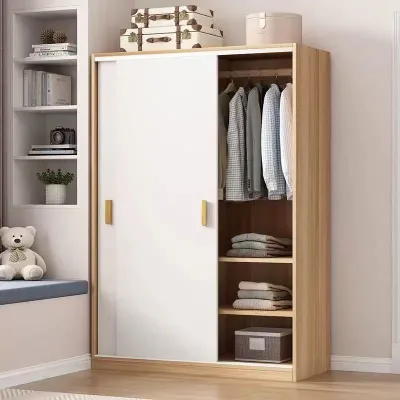
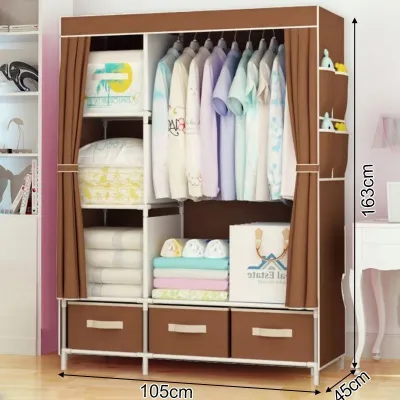
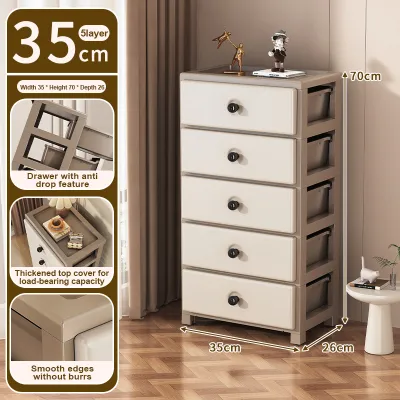
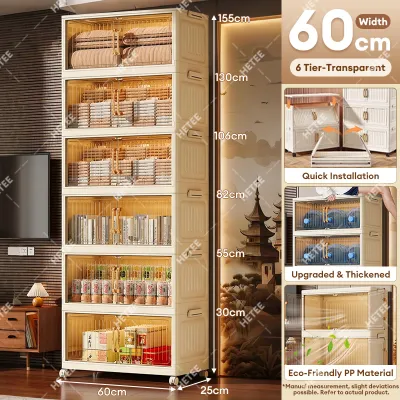
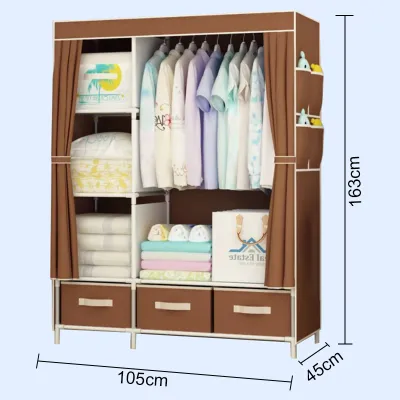
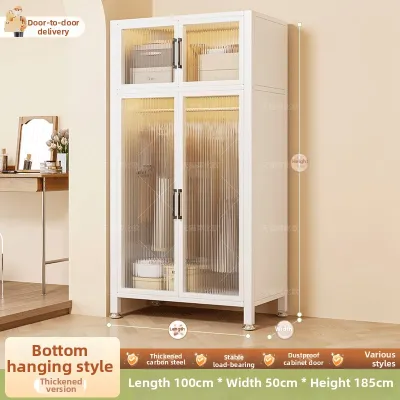


Prices are valid at publication and may change. Please refer to the product page for the latest price.
Next, map out permanent fixtures that could interfere with the wardrobe’s placement. Note the locations of windows, entry doors, en-suite bathroom doors, and electrical outlets. Avoid blocking outlets or placing a tall cabinet too close to windows, which blocks natural light. Additionally, identify wall-mounted air conditioning units to ensure sufficient clearance for maintenance and unobstructed airflow.
Finally, calculate the clearance required for comfortable movement. Maintain a clear walking path of at least 60 centimeters between the wardrobe and the edge of your bed or other furniture. Physically marking the proposed footprint on the floor using masking tape can help you visualize the remaining space and ensure you can move freely.
Estimate Your Clothing Storage Needs
The external size of your cabinet for clothes is directly tied to what you plan to store inside. Conduct a thorough audit of your current wardrobe by sorting garments into distinct categories. Group items that must be hung, such as delicate dresses, formal shirts, and trousers, separately from items that can be folded, like t-shirts and activewear, to determine your required rail-to-shelf ratio.

In the Philippines, storage planning must also account for seasonal transitions and regional lifestyle factors. While heavy winter coats are rarely needed locally, many households require space for bulky items like thick bedding, spare pillows, and travel luggage. Allocating deep upper compartments or top shelves for these items frees up the most accessible middle zones for daily wear.
Additionally, consider how your storage needs might change over time. If you share the wardrobe, the storage capacity must be divided equitably, which often requires a larger double-unit. Even for individual use, leaving a buffer of about 10% of empty space is highly recommended to promote air circulation and reduce the risk of musty odors in humid environments.
Match Wardrobe Dimensions and Door Types to Your Layout
Once you have your room measurements, decide on the wardrobe’s physical structure and door style. The choice between swinging doors and sliding doors is critical for tight bedroom layouts. Swinging doors require clear floor space in front of the cabinet to open fully. If your floor space is highly restricted, a cabinet for clothes with sliding doors is an excellent alternative, as the doors glide horizontally and require zero front clearance.
You must also choose between a freestanding cabinet and a built-in or modular system. Freestanding wardrobes offer flexibility, allowing you to rearrange your bedroom layout or take the furniture with you if you move. However, built-in or modular wardrobes can be customized to fit awkward corners, tight alcoves, or the entire height of a wall, maximizing every square inch of available space.
To optimize a small bedroom footprint, prioritize vertical storage. If your floor area is limited but your room has high ceilings, look for wardrobes that feature top cabinets or loft extensions. Utilizing the vertical space up to the ceiling allows you to store seasonal items and luggage overhead, keeping the room’s floor area open and less cluttered.
Plan the Internal Storage Configuration
A well-organized interior makes daily routines smoother and maximizes the utility of your cabinet for clothes. Start by planning the hanging rails, which should be positioned at heights that match your specific garments. For short hanging items like shirts and blouses, a rail height of around 90 to 100 centimeters is sufficient, while long garments like maxi dresses require a vertical drop of 140 to 160 centimeters.
Next, balance the distribution of drawers, open shelves, and pull-out baskets. Drawers are ideal for smaller, loose items like undergarments and accessories, keeping them organized and out of sight. Open shelves are highly versatile for folded t-shirts and organizer bins. In humid climates, incorporating wire baskets or slatted shelves can be highly beneficial, as they promote continuous airflow around your clothes.
To ensure your wardrobe remains functional as your lifestyle changes, look for systems that offer adjustable shelving and modular inserts. Being able to move shelf heights up or down allows you to accommodate taller items, such as boots or storage boxes, without wasting vertical space. Modular accessories can also be added or removed over time, giving you the flexibility to customize the interior layout.
Common Sizing and Installation Mistakes to Avoid
One of the most frustrating mistakes when purchasing a large cabinet for clothes is failing to plan for the delivery and assembly process. Always measure the width and height of your home’s entryways, hallway corners, stairwells, and elevator doors. Ensure that flat-pack boxes or pre-assembled wardrobe frames can safely navigate these tight passages without damaging your walls or the furniture.
Another frequent oversight is ignoring the swing radius of nearby doors and drawers. When planning the wardrobe’s position, check that its doors can open fully without hitting your bedroom door, bathroom door, or adjacent furniture. Similarly, ensure that drawers can be pulled out completely so you can access items stored at the very back without obstruction.
Finally, do not overlook the depth required for standard clothes hangers. A common error is choosing a wardrobe that is too shallow, forcing hangers to sit at an angle or causing clothing sleeves to get pinched when the doors are closed. Ensure the internal depth of the cabinet is sufficient to accommodate your widest hangers comfortably, allowing your clothes to hang straight.
Frequently Asked Questions (FAQ)
How do I measure for a cabinet for clothes if my walls are uneven?
To measure a space with uneven walls or floors, take width and height measurements at three different points: the top, middle, and bottom. Always use the smallest measurement of the three to ensure your wardrobe will physically fit into the space. If you are installing a built-in or semi-built-in cabinet, you can bridge any remaining gaps between the furniture and the uneven walls by using filler panels or scribe moldings, which can be trimmed to match the wall’s contour.
What is the minimum depth required for hanging clothes in a wardrobe?
To prevent your clothes from getting crushed or rubbing against the wardrobe doors, the internal depth of the cabinet should ideally be at least 55 to 60 centimeters. You can verify this by measuring your widest clothes hangers along with your bulkiest garments, such as jackets or structured blazers. When selecting a wardrobe, remember to check whether the manufacturer’s specified depth represents the external dimension or the internal usable space, as sliding door tracks and back panels can reduce the actual hanging depth.
Community discussion
Share your experience or ask a question. Comments are reviewed before publication.