
Selecting the right cabinet shelf organizer for your home office or study room depends on matching your storage space with the specific items you need to keep tidy. A well-chosen organizer maximizes vertical space, prevents clutter, and ensures that essential documents, reference books, and tech accessories remain within arm’s reach. By focusing on structural stability, material durability, and clear clearance measurements, you can transform a chaotic cabinet into an efficient workstation hub that withstands daily use.
Assess Your Cabinet Dimensions and Storage Needs
Before purchasing any organizing accessories, you must take precise measurements of your cabinet’s interior. Use a reliable metal measuring tape to record the exact height, width, and depth of each shelf. It is a common mistake to measure only the outer frame, which often leads to buying organizers that are too wide to fit past the door frame or too deep for the cabinet doors to close fully.
Pay close attention to internal obstructions that might reduce your usable space. Cabinet door hinges, magnetic latches, and internal lips or face frames can significantly restrict how you slide organizers in and out. If your cabinet has adjustable shelves supported by peg pins, note whether these pins protrude into the storage area, as they can snag on plastic bins or prevent wide risers from sitting flat.
Products mentioned in this guide
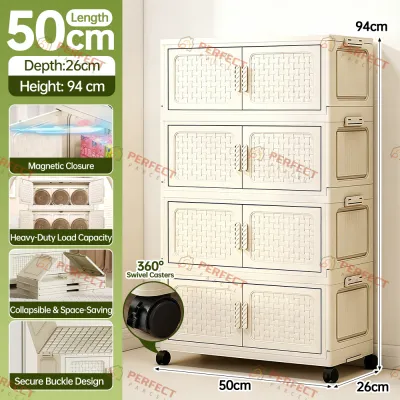
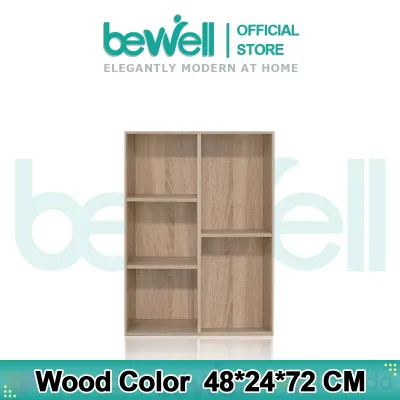
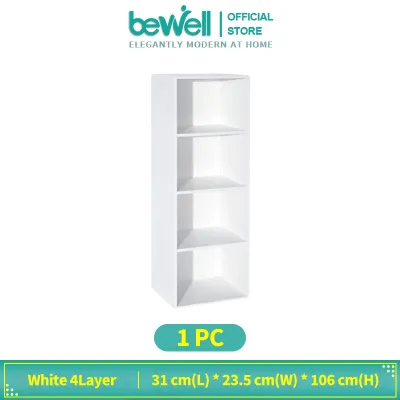
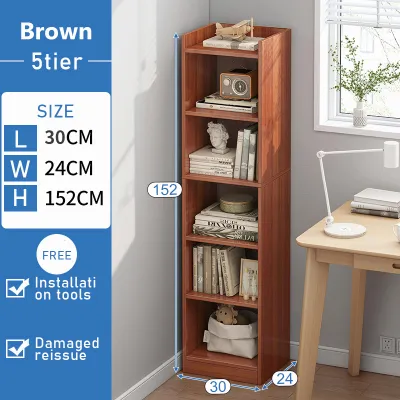
Prices are valid at publication and may change. Please refer to the product page for the latest price.
Next, categorize your study items by size, weight, and frequency of access. Heavy textbooks, thick binders, and reference manuals require sturdy, low-level storage to prevent shelves from bowing over time. Conversely, lightweight items like stationery, charging cables, and sticky notes can be grouped into smaller, modular containers placed on higher or deeper shelves.
Consider how the local climate affects your storage choices. In tropical environments with high humidity, enclosed cabinets can trap moisture, leading to musty paper documents or damaged electronics. Grouping items by their sensitivity to humidity allows you to decide which materials need open-air circulation and which ones require sealed, protective storage boxes within your organizer setup.
Match Organizer Types to Your Specific Office Items
Different office supplies require distinct storage mechanisms to remain organized and accessible. Rather than buying a uniform set of identical containers, matching the specific design of an organizer—such as stackable risers, sliding drawers, or vertical dividers—to the physical characteristics of your items will create a far more functional and intuitive workspace.

Stackable Shelves and Risers for Books and Binders
Stackable shelves and risers are excellent for utilizing the unused vertical space above shorter books and reference materials. When storing heavy items like college textbooks, legal binders, or thick manuals, you must verify the manufacturer’s rated weight capacity for each riser. Overloading a flimsy plastic or thin wire riser can cause it to sag, potentially damaging the books underneath or warping the cabinet shelf itself.
Base stability is another critical factor to check before installation. Look for risers with wide, flat legs or continuous frame designs that distribute weight evenly across the shelf surface. If a riser is top-heavy or has narrow, spindly legs, it may wobble or tip forward when you pull a heavy book from the lower tier, creating a safety hazard in your study.
Opt for adjustable or expandable risers if your book collection includes a mix of sizes. Being able to adjust the height of the riser ensures you can accommodate oversized binders and vertical files without bending the covers or forcing them into tight spaces. This flexibility is particularly useful for keeping active project folders upright and easily accessible during busy work weeks.
Pull-Out Bins and Sliding Trays for Small Supplies
Deep cabinets often become graveyard zones where small office supplies, spare cables, and external hard drives get pushed to the back and forgotten. Pull-out bins and sliding trays solve this issue by bringing the contents of the deep shelf directly into view. Before buying, verify that the sliding tracks have sufficient clearance to glide past the cabinet door hinges without scraping.
When selecting sliding organizers, balance the need for visibility with the desire for a clean, distraction-free aesthetic. Clear acrylic drawers allow you to identify small items like paperclips, USB drives, and highlighters instantly without pulling every drawer open. If you prefer a highly minimalist look, opaque or frosted bins can conceal colorful clutter, provided you label the front of each container clearly.
Always check the weight limits of the sliding tracks or drawer runners. Heavy items like spare power bricks, staplers, or reams of printer paper can strain lightweight plastic tracks, causing them to stick, jam, or detach entirely from the shelf. For heavier office gear, look for organizers featuring reinforced metal tracks or smooth ball-bearing glides that can handle the extra load without binding.
Adjustable Dividers for Files and Documents
Loose papers, thin notebooks, and file folders tend to slouch and slide when left unsupported on a wide shelf, leading to bent corners and disorganized piles. Vertical dividers keep these documents upright, making them easy to flip through and retrieve. You can choose between tension-mounted dividers that press against the top and bottom shelves, or fixed-base units that sit flat on a single surface.
Tension-mounted dividers are highly adjustable but require a solid, unyielding shelf structure to stay secure. If your cabinet shelves are made of thin plywood or glass, the pressure from a tension rod might cause the shelf to bow or crack. For these materials, a weighted, fixed-base divider system with adjustable slots is a much safer and more stable alternative.
Ensure the height of the dividers matches the scale of your documents. A divider that is too short will allow tall folders to flop over the top, while a divider that is too tall might block your hand clearance, making it difficult to grab files quickly. Ideally, the divider should support at least two-thirds of the document’s height while leaving several centimeters of open space below the shelf above.
Key Physical Features to Verify Before Buying
The material composition of your cabinet organizers directly impacts their longevity and ease of maintenance. In a home office, dust accumulates quickly, and high humidity can cause certain materials to degrade. Metal organizers should feature a rust-resistant powder coating or anodized finish to prevent corrosion, while wooden organizers should be sealed with a moisture-resistant varnish to prevent warping or mold growth.
Plastic organizers made from high-density polyethylene or acrylic are highly durable and easy to wipe clean with a damp cloth, making them practical for busy study rooms. However, ensure the plastic is thick enough to resist cracking under pressure. Avoid brittle, low-grade plastics that can yellow or become brittle when exposed to indirect sunlight from a nearby study window.
Double-check that the overall exterior dimensions of the organizers allow your cabinet doors to close completely. Even a discrepancy of a few millimeters can prevent magnetic latches from engaging or cause doors to stand slightly ajar, exposing your books and equipment to dust. Measure the depth of the shelf from the back wall to the inside face of the closed door, rather than the outer edge of the shelf.
Protect your existing furniture by checking for non-slip pads, rubberized feet, or smooth protective bases on the bottom of any organizer. Heavy metal or hard plastic organizers can easily scratch polished wood, laminate, or glass shelves when slid in and out. If the product does not come with protective feet, you can apply inexpensive adhesive felt or silicone pads to the base before placing it in your cabinet.
Setup and Space Optimization Tips for Your Study
Once you have selected your organizers, safe installation is paramount to prevent accidents. If you are using tall stackable units or heavy vertical file organizers, consider securing them to the back wall of the cabinet or the shelf itself. This is especially important in active households where pets or children might pull on cords or shake the furniture, which could cause top-heavy organizers to tumble forward.
If you plan to store active electronic devices like internet routers, network switches, power strips, or charging docks inside your cabinet, you must leave adequate breathing room for ventilation. Enclosed wooden cabinets trap heat quickly, which can shorten the lifespan of your electronics or pose a fire hazard. Position organizers to leave at least a few inches of open space around ventilation grilles, and avoid stacking items directly on top of warm power adapters.
Design a flexible layout that can adapt as your study habits and storage needs change over time. Avoid gluing or permanently screwing organizers into place unless absolutely necessary for safety. Using modular, freestanding components allows you to reconfigure the shelves easily when you transition from paper-heavy tasks to a fully digital workflow, ensuring your home office remains highly functional for years to come.
Frequently Asked Questions (FAQ)
Can I use kitchen or pantry organizers in my home office cabinets?
Yes, many kitchen and pantry organizers transition beautifully into a home office environment. Tiered spice racks, for example, are excellent for displaying small office supplies like ink bottles, stamp pads, and tape rolls, keeping them visible and organized. Lazy Susans can also be placed in deep cabinet corners to make frequently used items like pens, scissors, and sticky notes easily accessible with a quick spin.
However, you should be mindful of material differences when repurposing kitchen items. Avoid using open wire baskets or wire grid shelves for storing loose papers, delicate documents, or thin charging cables. The wire edges can easily snag and tear paper sheets, bend document corners, or strip the protective insulation off your electronic cords over time. Stick to solid-bottomed plastic, wood, or smooth metal organizers for these items.
How do I prevent tall shelf organizers from blocking the cabinet doors?
To prevent tall or deep organizers from interfering with your cabinet doors, you must carefully measure the door swing arc and the clearance of the internal hinges. Many modern cabinets use European-style concealed hinges that protrude several centimeters into the cabinet interior when the door is open. If you place a wide organizer too close to the hinge side, it will block the door from closing or scrape against the hinge mechanism.
The simplest solution is to position your organizers slightly back from the front edge of the shelf, leaving a clearance gap of at least two to three centimeters. This gap ensures that the cabinet door handles, latches, and hinges have plenty of room to operate smoothly. If space is extremely tight, consider using organizers with tapered fronts or choosing narrower units that can be centered on the shelf, away from the side hinges.
Community discussion
Share your experience or ask a question. Comments are reviewed before publication.